Loop Recorder Implantation: Monitoring Heart Rhythm
Complete guide to loop recorder implantation for long-term heart rhythm monitoring.
Loop Recorder Implantation: A Comprehensive Guide to Heart Rhythm Monitoring
A loop recorder is a small, miniature electronic device that is implanted underneath the skin to provide long-term, real-time monitoring of your heart rhythm. This sophisticated cardiac monitoring tool represents an important advancement in diagnosing irregular heartbeats and other arrhythmias that may not be detected through conventional testing methods. The loop recorder continuously records your heart’s electrical activity and can transmit this data to your healthcare provider for remote interpretation, allowing for early detection and management of potential cardiac issues.
Understanding the Loop Recorder Device
The implantable loop recorder is approximately the size of an AA battery or USB stick, making it one of the smallest cardiac implants available. Despite its diminutive size, this device is sophisticated enough to monitor and record abnormal heart rhythms for an extended period. Once implanted, many patients report that they are not even aware they have the device in place, as it sits comfortably under the skin without causing any noticeable discomfort or limitation in daily activities.
The device can remain in place for up to three years, providing continuous cardiac monitoring throughout this period. Unlike other diagnostic tools that capture only intermittent snapshots of heart rhythm, the loop recorder maintains constant vigilance, ensuring that no arrhythmic events go undetected. This continuous monitoring is particularly valuable for patients with infrequent or unpredictable heart rhythm disturbances.
Pre-Procedure Preparation Instructions
Proper preparation before your loop recorder implantation is essential to ensure a smooth and successful procedure. Understanding and following all pre-procedure instructions will help minimize complications and allow your medical team to provide optimal care.
Timing and Arrival
You will be scheduled for your loop recorder implantation at a specific date and time. Plan to arrive at the Outpatient Registration Desk at least one hour before your scheduled procedure time. While the actual implantation typically takes only 10-15 minutes, this advance arrival time allows for proper preparation, registration, and final assessment before the procedure begins.
Fasting Requirements
You must refrain from eating anything for at least 4 hours before your procedure. However, you may continue to drink water or juice. On the day of the procedure, if you take prescribed medications, take them with only small sips of water. This fasting requirement is standard for procedures involving sedation and helps prevent complications.
Medication Management
Medication management before your procedure requires careful attention and clear communication with your physician. Different medications require different handling:
- Antiplatelet Medications: If you take aspirin, Plavix (clopidogrel), Effient (prasugrel), or Brilinta (ticagrelor), continue taking these medications as usual, including on the day of your procedure, unless your doctor instructs you otherwise.
- Blood Thinners: If you take Coumadin (warfarin), Pradaxa (dabigatran), Xarelto (rivaroxaban), Eliquis (apixaban), Savaysa (edoxaban), or other blood thinners including heparin, Lovenox, or enoxaparin, inform your doctor immediately. These blood thinners are typically temporarily stopped at least 3 days prior to the procedure, and you must understand the specific plan for your medications.
- Diabetes Medications: If you have diabetes, you may decide when to take your medications based on your eating schedule. Bring your diabetes medications with you to the procedure facility.
Related Stories



Medical History and Allergies
Inform your physician of any active or previous bleeding issues before your procedure, as this information is crucial for your care team. Additionally, report any allergies to medications or sedatives. Make sure your physician and the entire staff are aware of every medication you are currently taking, including both prescription and over-the-counter medications and supplements.
Health Status Changes
Report any changes in your health status that develop before your procedure date, such as signs of fever, cold, or infection. These symptoms may necessitate rescheduling your procedure to ensure your safety and the success of the implantation.
Understanding the Procedure
Loop recorder implantation is a relatively quick and minimally invasive procedure performed in an outpatient setting. Understanding what to expect during the procedure can help reduce anxiety and prepare you mentally for the experience.
Anesthesia and Sedation
Before the procedure begins, your skin will be numbed using a local anesthetic. This numbing medicine typically lasts for about 20 minutes and ensures that you will not feel pain during the incision and device placement. For some patients who request it or whose physicians recommend it, a sedative medicine may be administered through an intravenous line to help you relax during the procedure. This sedative is short-acting, meaning you should expect to be awake shortly after the procedure is completed, though you may feel drowsy.
The Surgical Approach
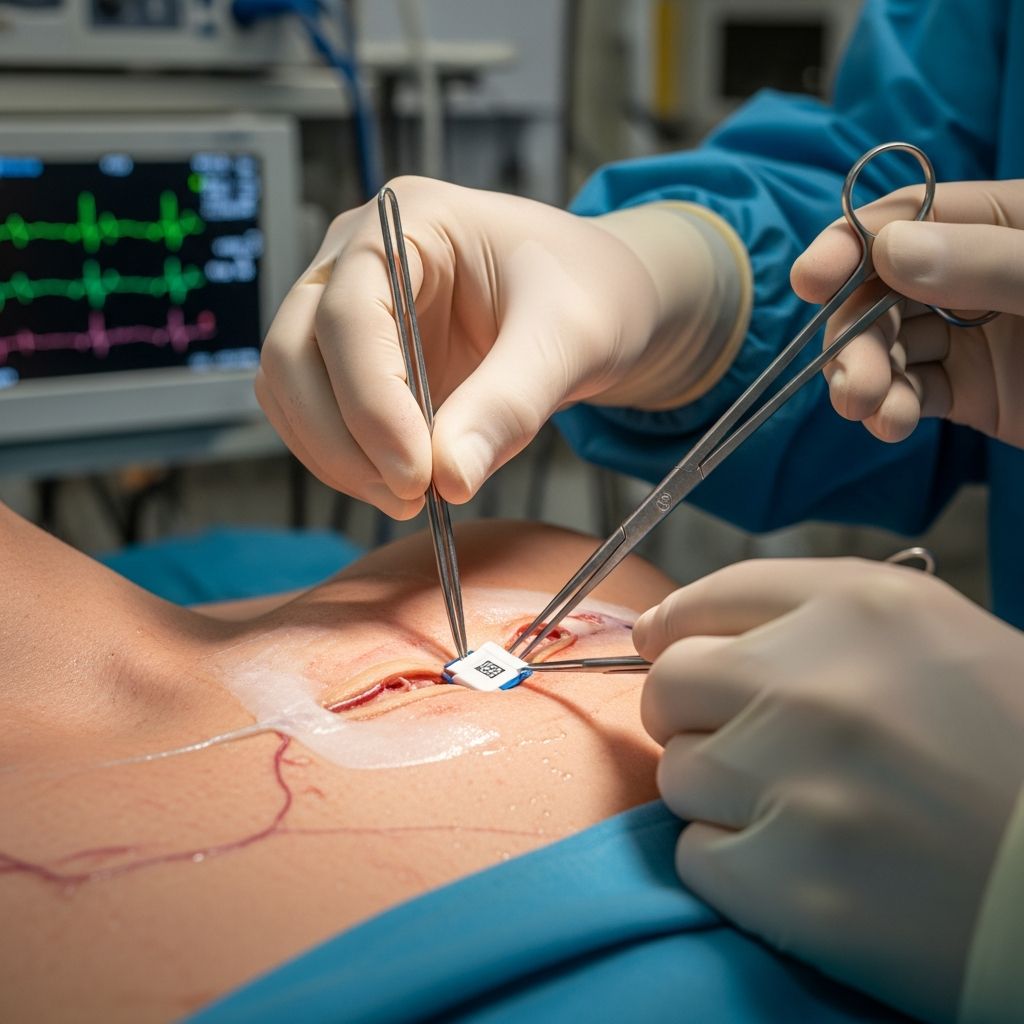
Your physician will make a small surgical incision, typically approximately half an inch in length, on the upper chest wall, usually on the left side. After the area is numbed with local anesthetic, your doctor will create a small pocket under your skin where the loop recorder will be placed. The device is then inserted into this subcutaneous pocket using a special applicator cartridge. Once the device is properly positioned, the applicator is withdrawn, leaving the loop recorder securely in place.
Closure and Duration
The incision is closed with sutures, and the area is covered with Steri-Strips or special adhesive bandages. The entire implantation procedure typically takes only 5-15 minutes to complete, though you should plan to spend approximately 1 hour at the facility for preparation and post-procedure monitoring.
Post-Procedure Discharge and Recovery
Immediate Discharge Instructions
You will typically be discharged approximately 30 minutes after the procedure. However, if you received sedation during the procedure, you will need to remain at the facility longer for monitoring as the sedative wears off. If sedative medication was administered, you must arrange for a responsible adult to drive you to and from the office on the day of the procedure, as sedative medications cause drowsiness and impair your ability to drive safely. You will not be permitted to leave on your own. If you plan to return home by taxi, a responsible adult must accompany you in addition to the taxi driver.
Activity Restrictions
Do not drive, operate potentially dangerous machinery, or make critical decisions within 24 hours of receiving procedural sedatives. These restrictions are important safety measures to ensure your well-being during the recovery period.
Wound Care and Aftercare
Proper wound care is essential to prevent infection and ensure proper healing of your incision. Follow these detailed aftercare instructions carefully:
Keeping the Incision Dry
Keep the incision dry at all times. Do not get the incision or bandage wet. While you may have a sponge bath, you must not shower until the wound is fully healed. This typically takes one to two weeks, depending on individual healing rates.
Dressing Changes
If you were instructed to change the dressing daily, you may apply Betadine, iodine, or Bacitracin ointment over the incision and cover it with dry, sterile dressing to help fight infection while healing. Do not use any other types of ointments or solutions over your incision site, as these may interfere with healing or introduce harmful substances.
Steri-Strips Management
If Steri-Strips or special adhesive bandages were placed over the incision, do not attempt to remove them. Allow them to come off by themselves, which may take several days or more than a week. Premature removal can disrupt the healing process.
Expected Healing Response
A bruise or mild swelling around the incision site is expected and is a normal part of the healing process. These symptoms may take several days to heal completely. Avoid applying lotions, powder, or ointments to the incision site, as these can interfere with healing.
Monitoring and Follow-Up
Once your loop recorder is implanted, it begins its important work of monitoring your heart rhythm. The device automatically records cardiac events and can transmit this data to your healthcare provider through remote monitoring systems. Your physician will schedule follow-up appointments to review the recorded data and assess how well the device is functioning. Regular follow-up is essential to ensure the device is providing accurate monitoring and to make any necessary adjustments to your cardiac care plan based on the recorded data.
Device Capabilities and Benefits
The loop recorder offers several important advantages for cardiac monitoring. It provides continuous monitoring for extended periods, typically up to three years, capturing heart rhythm data that would be impossible to obtain with conventional short-term monitoring methods. The device can detect various types of arrhythmias, including atrial fibrillation, bradycardia, and other rhythm disturbances. Remote monitoring capabilities allow your physician to review recorded events without requiring additional office visits, improving convenience and enabling faster diagnosis and treatment decisions when abnormalities are detected.
Frequently Asked Questions
Q: How long does the loop recorder implantation procedure take?
A: The actual implantation procedure typically takes only 5-15 minutes to complete. However, you should plan to spend at least 1 hour at the facility for preparation, monitoring, and discharge procedures.
Q: Will I feel the loop recorder once it is implanted?
A: Most patients report that they are not aware of the device once it is implanted. The device is small, sits comfortably under the skin, and does not interfere with daily activities or cause noticeable discomfort.
Q: How long can the loop recorder remain in place?
A: The loop recorder can remain implanted for up to three years, providing continuous cardiac monitoring throughout this period. Your physician will determine when the device should be removed or replaced based on your clinical needs.
Q: Can I shower after the procedure?
A: You should not shower until the wound is fully healed, which typically takes one to two weeks. You may have a sponge bath during this time, but it is important to keep the incision dry.
Q: What should I do if I notice signs of infection?
A: Contact your physician immediately if you notice increasing redness, warmth, drainage, fever, or any other signs of infection at the incision site. Prompt medical attention is important to prevent complications.
Q: Can the loop recorder be removed if necessary?
A: Yes, the loop recorder can be removed. The removal procedure is relatively simple and takes approximately 5 minutes. Your physician will make a small incision, remove the device, and close the incision with sutures.
Q: Will I need someone to drive me home after the procedure?
A: If you receive sedation during the procedure, you must have a responsible adult drive you home, as sedative medications cause drowsiness and impair your ability to drive safely. Do not drive within 24 hours of receiving procedural sedatives.
Q: How does remote monitoring work with the loop recorder?
A: The loop recorder can transmit recorded cardiac data to your healthcare provider through remote monitoring systems. This allows your physician to review your heart rhythm data without requiring you to come to the office, enabling faster diagnosis and treatment decisions when necessary.
Q: What medications should I continue taking before the procedure?
A: Continue taking aspirin and other antiplatelet medications as usual unless instructed otherwise. However, blood thinners are typically stopped 3 days before the procedure. Always confirm medication management with your physician before your scheduled procedure.
Q: What is the loop recorder used to diagnose?
A: The loop recorder is used to detect and diagnose various types of heart arrhythmias, including atrial fibrillation, bradycardia, and other rhythm disturbances that may not be captured by conventional testing methods. It is particularly useful for patients with infrequent or unpredictable cardiac events.
References
- Implantable Loop Recorder — StatPearls, National Center for Biotechnology Information (NCBI). 2024. https://www.ncbi.nlm.nih.gov/books/NBK470398/
- Implantable Cardiac Monitoring or Loop Recorders — Fraser Health Authority. 2024. https://www.fraserhealth.ca/health-topics-a-to-z/heart-health/heart-surgery-and-procedures/arrhythmia-procedures/implantable-cardiac-monitoring-or-loop-recorders
- Implantable Loop Recorder Placement — St. John Providence Physician Partners (SJPP). 2024. https://www.sjpp.org/heart-and-vascular/treatments-services/implantable-loop-recorder-placement/
- Loop Recorder Implantation Patient Instructions — Heart24. 2024. https://www.heart24.com/documents/slo/Loop-recorder-implant.pdf
- Implantable Loop Recorder — All Hearts Diagnostic Tools. 2024. https://www.4hcm.org/all-hearts-diagnostic-tools/implantable-loop-recorder
Similar Articles








Read full bio of Sneha Tete