Loose Stool: 6 Causes And Treatments To Try
Discover the common causes of loose stools, from diet to infections, and effective treatments to restore healthy digestion.
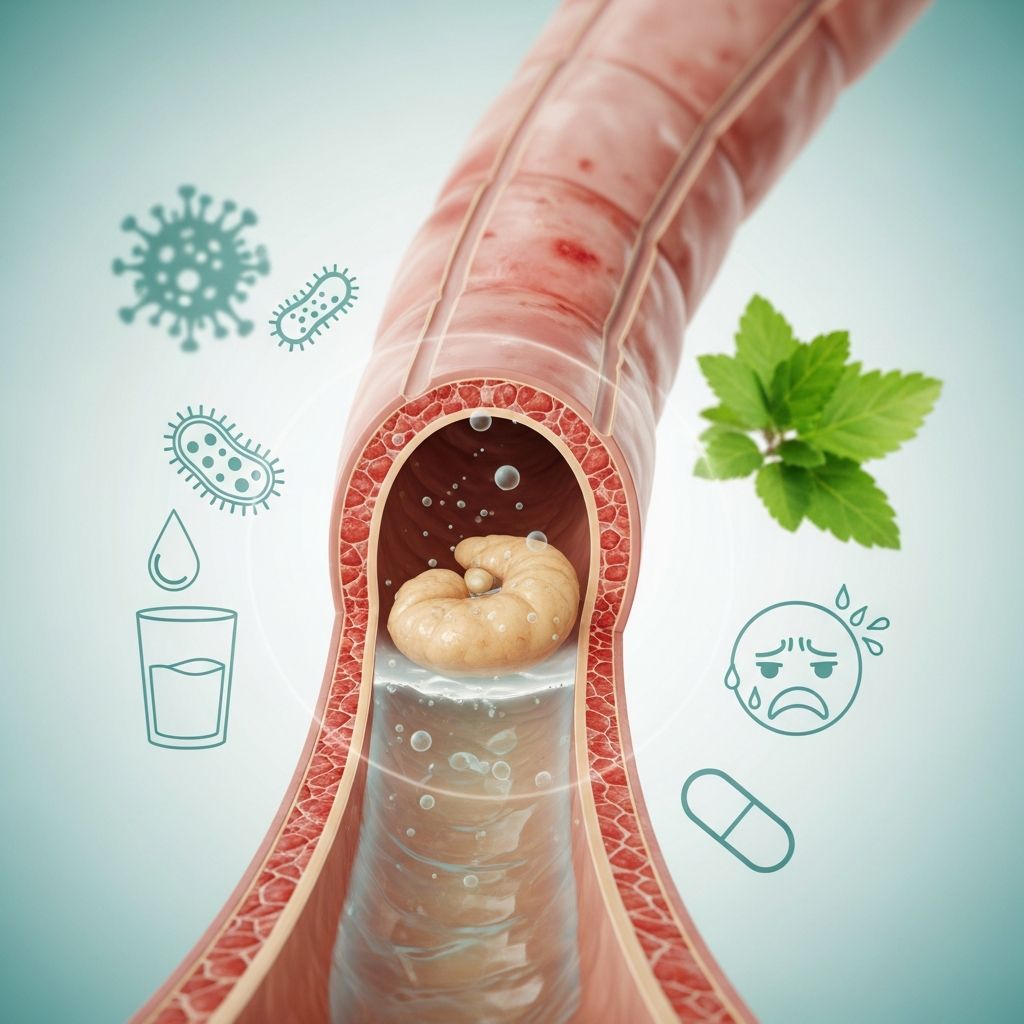
Loose stool, classified as types 6 and 7 on the
Bristol Stool Scale
, indicates softer or watery consistency due to rapid transit through the bowels, preventing adequate water absorption. This common issue affects digestion and can stem from temporary factors like diet or serious conditions requiring medical attention.What Does Loose Stool Look Like?
On the
Bristol Stool Form Scale (BSFS)
, developed in 1997 by Dr. Kenneth Heaton, stools are categorized into seven types based on shape and consistency to assess bowel transit time. Types 3, 4, and 5 represent ideal healthy stools: sausage-like with smooth or cracked surfaces and soft blobs with clear edges.- Type 6: Fluffy pieces with ragged edges, mushy consistency signaling mild diarrhea.
- Type 7: Watery, no solid pieces, entirely liquid indicating significant diarrhea.
These loose forms occur when feces move too quickly through the colon, resulting in lighter colors and inadequate water reabsorption. Unlike constipation (types 1-2: hard lumps or lumpy sausage), loose stools suggest accelerated motility.
Causes of Loose Stool
Multiple factors contribute to loose stools. Understanding triggers helps in management.
1. Infections
Viral, bacterial, or parasitic infections like norovirus or Clostridium difficile inflame the gut, speeding transit and causing watery stools. Food poisoning from contaminated sources often resolves in days but may need hydration support.
2. Food Intolerances and Allergies
Lactose intolerance triggers loose stools post-dairy due to undigested sugars fermenting in the gut. Gluten sensitivity in celiac disease damages intestines, leading to chronic looseness.
3. Medications
Antibiotics disrupt gut flora, causing antibiotic-associated diarrhea. Laxatives, magnesium supplements, or metformin for diabetes commonly loosen stools.
4. Irritable Bowel Syndrome (IBS)
IBS-D (diarrhea-predominant) features recurrent loose stools with abdominal pain, bloating. Stress exacerbates symptoms via gut-brain axis.
5. Inflammatory Bowel Disease (IBD)
Crohn’s disease or ulcerative colitis cause inflammation, leading to bloody loose stools, urgency, and weight loss.
6. Other Causes
- Dietary factors: High-fat, spicy foods, caffeine, alcohol, or artificial sweeteners (sorbitol).
- Hormonal changes: Menstruation or hyperthyroidism accelerate motility.
- Malabsorption: Conditions like pancreatic insufficiency prevent nutrient breakdown.
| Cause Category | Examples | Typical Duration |
|---|---|---|
| Infections | Norovirus, E. coli | 1-3 days |
| Food Intolerance | Lactose, fructose | Hours to days |
| Medications | Antibiotics, laxatives | During use |
| IBS/IBD | IBS-D, Crohn’s | Chronic/recurrent |
When to See a Doctor for Loose Stool
Occasional loose stools are benign, but seek medical help if:
- Persisting beyond 2 days.
- Accompanied by fever >101°F, severe pain, blood/mucus, dehydration (dry mouth, dizziness).
- Signs of severe dehydration: reduced urine, rapid heartbeat.
- Unintentional weight loss or family history of IBD/colon cancer.
Chronic alternation between loose and hard stools warrants BSFS tracking and professional evaluation.
How to Treat Loose Stool
Treatment targets the cause while supporting hydration and gut recovery.
Related Stories



Hydration and Diet
Replace fluids/electrolytes with oral rehydration solutions (ORS). Follow BRAT diet (bananas, rice, applesauce, toast) for binding effects. Gradually reintroduce fiber.
Medications
- Antidiarrheals: Loperamide (Imodium) slows gut motility; avoid with bloody stools or fever.
- Probiotics: Restore flora post-antibiotics; strains like Lactobacillus rhamnosus GG.
- Bile acid binders: Cholestyramine for specific malabsorption.
Addressing Underlying Causes
Antibiotics for bacterial infections; gluten/lactose avoidance; IBS management with antispasmodics or low-FODMAP diet.
Prevention Tips for Loose Stool
Maintain bowel health to minimize episodes:
- Diet: Balanced fiber (25-30g/day), probiotics from yogurt/kefir.
- Hygiene: Handwashing, safe food handling.
- Bowel habits: Regular timing, proper posture (use stool for feet).
- Stress management: Yoga, mindfulness for gut-brain health.
Signs of healthy bowels include types 3-4 stools, easy passage without straining, complete emptying.
Frequently Asked Questions (FAQs)
What is the Bristol Stool Scale?
The BSFS classifies stools 1-7; types 6-7 are loose/watery indicating diarrhea, 3-5 healthy.
Is loose stool always diarrhea?
Type 6 is mushy (borderline), type 7 watery (diarrhea). Both signal fast transit.
How long is too long for loose stools?
Beyond 48 hours or with dehydration symptoms requires medical attention.
Can stress cause loose stool?
Yes, via gut-brain axis in IBS or acute anxiety episodes.
Are probiotics effective for loose stool?
Yes, especially post-antibiotics, shortening duration by restoring microbiome balance.
References
- Bristol Stool Scale: Stool types and what they mean — Medical News Today. 2023-10-12. https://www.medicalnewstoday.com/articles/bristol-stool-scale
- Irritable Bowel Syndrome (IBS) — National Institute of Diabetes and Digestive and Kidney Diseases (NIDDK). 2023-05-12. https://www.niddk.nih.gov/health-information/digestive-diseases/irritable-bowel-syndrome
- Diarrhea — Mayo Clinic. 2024-11-05. https://www.mayoclinic.org/diseases-conditions/diarrhea/symptoms-causes/syc-20352241
- Acute Diarrhea in Adults — American College of Gastroenterology. 2021-02-01. https://journals.lww.com/ajg/fulltext/2021/02000/acg_clinical_guideline__acute_diarrhea_in_adults.7.aspx
- Probiotics for the Prevention and Treatment of Antibiotic-Associated Diarrhea — World Gastroenterology Organisation. 2023-07-15. https://www.worldgastroenterology.org/guidelines/probiotics-for-the-prevention-and-treatment-of-antibiotic-associated-diarrhea
Similar Articles








Read full bio of medha deb