Loquat Benefits: 7 Science-Backed Ways To Boost Health
Discover the impressive health benefits of loquats, from boosting immunity and aiding digestion to supporting heart health and more.
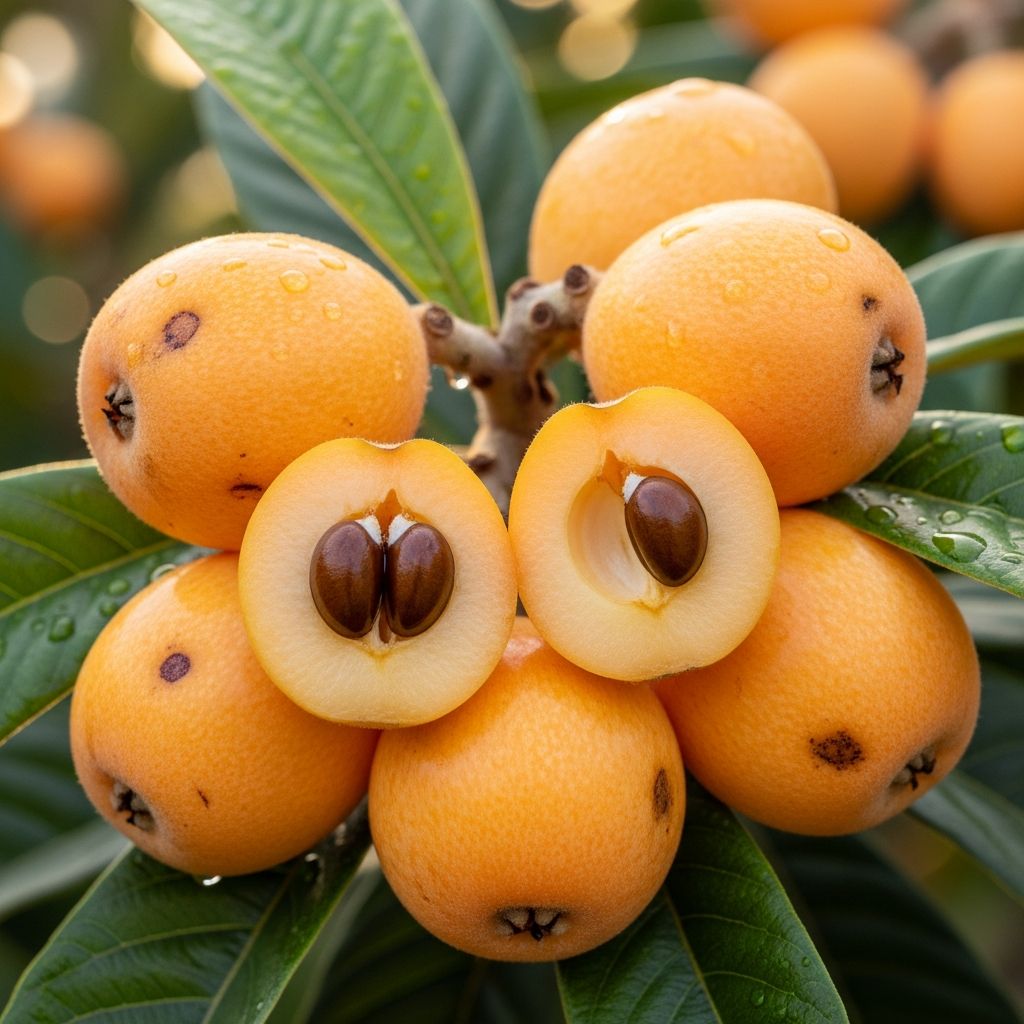
Loquats (*Eriobotrya japonica*), also known as Japanese plums, are small, round, orange fruits with a sweet-tart flavor and velvety skin. Native to China and widely cultivated in subtropical regions, they provide an array of vitamins, minerals, fiber, and antioxidants that contribute to various health benefits. These fruits are low in calories yet nutrient-packed, making them an excellent addition to a balanced diet. Research highlights their potential in supporting digestion, immunity, heart health, metabolic function, and more, though human studies are still emerging for some claims.
What Is a Loquat?
Loquats grow on evergreen trees that can reach up to 30 feet tall, producing clusters of fuzzy, pear-shaped fruits in spring. The flesh is juicy and firm, surrounding large brown seeds that should not be consumed due to potential toxicity from cyanogenic compounds. Fresh loquats taste like a mix of peach, apricot, and citrus, with a refreshing quality ideal for raw eating, smoothies, salads, or desserts. Leaves from the tree are traditionally brewed into tea for respiratory relief.
Beyond fresh consumption, loquats feature in jams, syrups, wines, and baked goods. Their cultivation thrives in warm climates like the southern U.S., Japan, and the Mediterranean, with peak season from late winter to early summer. Selecting ripe loquats involves choosing those that yield slightly to gentle pressure and have vibrant orange skin without blemishes.
Loquat Nutrition Facts
One cup (about 163 grams) of raw loquats delivers approximately 70 calories, primarily from carbohydrates. Key nutrients include:
- **Vitamin A (as beta-carotene):** 1,522 IU (30% DV) – Supports vision, immunity, and skin health.
- **Vitamin C:** 1 mg (1% DV) – Aids collagen production and antioxidant defense.
- **Folate (B9):** 5% DV – Essential for DNA synthesis and red blood cell formation.
- **Potassium:** 8% DV – Regulates blood pressure and muscle function.
- **Manganese:** 8% DV – Promotes bone health and metabolism.
- **Fiber:** 2.5 grams (9% DV) – Mostly pectin, aiding digestion.
- Small amounts of magnesium, B vitamins (B1, B2, B6), copper, iron, calcium, and phosphorus.
Loquats shine in carotenoid antioxidants like beta-carotene and phenolic compounds, which combat oxidative stress. They are low in fat and sodium, with a low glycemic index due to fiber content.
| Nutrient | Amount per 1 Cup (163g) | % Daily Value |
|---|---|---|
| Calories | 70 | 4% |
| Fiber | 2.5g | 9% |
| Vitamin A | 1522 IU | 30% |
| Potassium | 350mg | 8% |
| Manganese | 0.2mg | 8% |
Data adapted from USDA via Healthline.
Potential Health Benefits of Loquats
High in Antioxidants
Loquats are loaded with carotenoids (e.g., beta-carotene) and phenolics like chlorogenic acid and ursolic acid, which neutralize free radicals and reduce oxidative stress. These compounds may lower risks of chronic diseases, including certain cancers. Diets high in beta-carotene correlate with reduced colorectal and lung cancer risk, per reviews of studies. Antioxidants also protect skin cells, potentially preventing premature aging, wrinkles, and sagging by shielding against UV damage and inflammation.
May Promote Heart Health
The potassium, magnesium, fiber, and antioxidants in loquats support cardiovascular function. Potassium helps regulate blood pressure, while fiber binds cholesterol in the gut, reducing absorption and lowering LDL levels. Carotenoids prevent arterial plaque buildup and inflammation, key factors in heart disease. Studies link higher carotenoid intake to significantly lower heart disease risk. Pectin fiber also aids in managing triglycerides.
Support Healthy Digestion
Rich in soluble fiber like pectin, loquats add bulk to stool, hydrate the intestines, and promote regular bowel movements, combating constipation effectively. Bioactive compounds improve gut motility, liver function, and metabolic processes via anti-inflammatory effects. This makes loquats a natural choice for digestive wellness.
Related Stories



May Improve Metabolic Health and Prevent Diabetes
Fiber slows carbohydrate absorption, stabilizing blood sugar and preventing insulin resistance. Animal studies show loquat extracts and juice reduce triglycerides, blood glucose, insulin, and liver fat in high-sugar diets. Traditional Chinese medicine uses loquat leaves and seeds for diabetes management. Human trials are needed, but the low glycemic load is promising.
Boost Immunity
Vitamin A precursors, manganese, and flavonoids enhance immune cell efficiency against pathogens. Antioxidants like carotenoids strengthen defenses, reducing infection vulnerability.
Anti-Inflammatory Properties
Loquats suppress pro-inflammatory cytokines (IL-6, IL-1β, TNF-α) and biomarkers, per 2025 research. Rodent studies confirm reduced liver endotoxins and overall inflammation from high-sugar diets, attributed to antioxidants and minerals. This may benefit conditions like arthritis or metabolic syndrome.
Other Benefits
- Bone Health: Potassium, magnesium, and manganese support bone density, potentially preventing osteoporosis.
- Weight Management: Low-calorie, high-fiber profile promotes satiety and appetite control.
- Respiratory Relief: Loquat leaf tea, rich in anti-inflammatory compounds, traditionally treats cough, bronchitis, and asthma.
- Potential Anticancer Effects: Phenolics show promise in lab studies, though more research required.
Potential Downsides and Precautions
Loquats are safe for most, but seeds contain cyanogenic glycosides that release cyanide when chewed—avoid ingestion. Overconsumption may cause digestive upset due to fiber or sorbitol. Those with birch pollen allergies might experience cross-reactivity. Loquat leaf tea lacks strong human evidence for respiratory claims and should not replace medical treatment. Consult a doctor if pregnant, breastfeeding, or on medications, as interactions are possible. Moderation is key: 1-2 cups daily.
How to Eat Loquats
Wash, peel if desired, and slice around seeds. Enjoy raw, in fruit salads, smoothies, salsas, or grilled. Bake into pies, chutneys, or syrups for cocktails. Loquat leaf tea: steep 1-2 leaves in hot water 5-10 minutes. Store ripe fruits in fridge up to a week; freeze for longer.
- Raw snack or salad addition
- Smoothies/juices
- Desserts: sorbets, tarts
- Savory: glazes, salsas
- Tea from leaves
Loquat Recipes
Simple Loquat Smoothie
Blend 1 cup pitted loquats, banana, yogurt, honey, and ice. Serves 2.
Loquat Salsa
Chop loquats, onion, cilantro, jalapeño, lime. Pair with fish or chips.
Loquat Leaf Tea
Boil dried leaves 10 minutes, strain, add honey.
Frequently Asked Questions (FAQs)
Are loquats good for you?
Yes, loquats provide fiber, vitamins, and antioxidants supporting digestion, heart health, immunity, and more.
Can you eat loquat seeds?
No, seeds contain cyanogenic compounds and are toxic if chewed or crushed.
Do loquats help with diabetes?
They may aid blood sugar control via fiber and extracts, per animal studies, but consult a doctor.
Are loquats anti-inflammatory?
Yes, antioxidants reduce inflammatory markers in research.
How many loquats should you eat per day?
1-2 cups is safe; excess fiber may cause bloating.
Can loquats help with weight loss?
Their low calories and high fiber promote fullness and appetite regulation.
References
- Loquat: 8 Health Benefits, Nutrition & How to Eat — Tua Saúde. 2024. https://www.tuasaude.com/en/loquat/
- Discover the Remarkable Health Benefits of Loquats — Your Health Magazine. 2024. https://yourhealthmagazine.net/article/weight-control-nutrition-exercise/discover-the-remarkable-health-benefits-of-loquats/
- 7 Surprising Benefits of Loquats — Healthline (Medically reviewed). 2025-08-01. https://www.healthline.com/nutrition/loquats
- Phytochemicals, Extraction Methods, Health Benefits, and… — NIH/PMC (Peer-reviewed). 2024. https://pmc.ncbi.nlm.nih.gov/articles/PMC12209715/
- Loquat and its phytochemical potential — Wiley Online Library (Peer-reviewed). 2024. https://onlinelibrary.wiley.com/doi/10.1002/efd2.158
Similar Articles








Read full bio of medha deb