Lorazepam: Uses, Dosage, Risks, And What To Know
Comprehensive guide to lorazepam uses, dosage, side effects, and precautions for anxiety and insomnia relief.
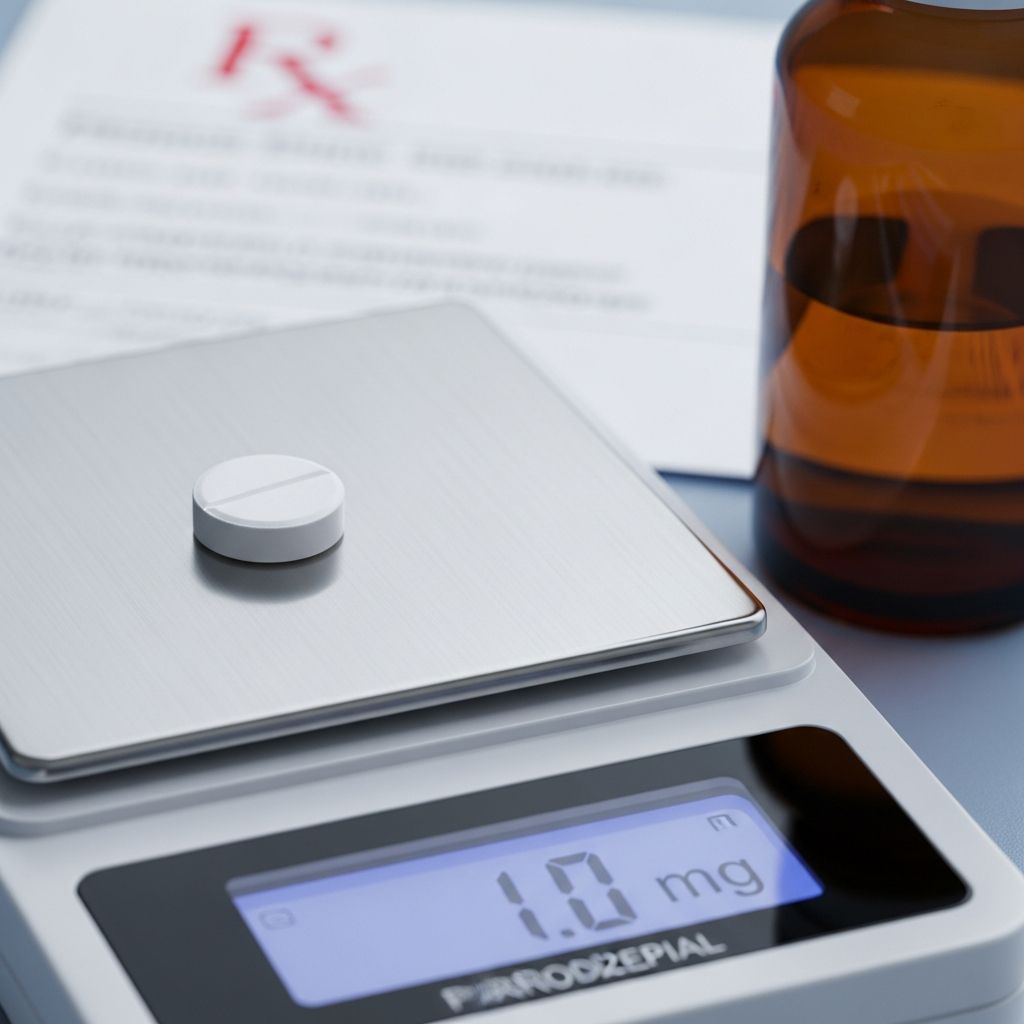
Lorazepam is a benzodiazepine medication primarily used for the short-term relief of symptoms associated with anxiety disorders, anxiety-related insomnia, premedication for anesthesia, and treatment of status epilepticus. It works by enhancing the effects of the neurotransmitter gamma-aminobutyric acid (GABA) in the brain, producing a calming effect on the central nervous system (CNS).
About Lorazepam
Lorazepam, commonly known by the brand name Ativan, belongs to the class of drugs called benzodiazepines. These medications are central nervous system depressants that slow down brain activity to reduce anxiety, induce sedation, or control seizures. Approved by the US Food and Drug Administration (FDA), lorazepam is favored for its rapid onset, particularly when administered intravenously (1-3 minutes).
It is available in various forms, including tablets, oral solution, extended-release capsules, and injectable formulations. This versatility allows for use in different clinical settings, from outpatient anxiety management to inpatient seizure control.
The drug binds to benzodiazepine receptors on GABA-A ligand-gated chloride channels in the CNS, increasing chloride ion conductance. This leads to neuronal hyperpolarization, stabilizing the cell membrane and inhibiting excessive neural activity, which is particularly beneficial for anxiety (via amygdala inhibition) and seizures (via cortical inhibition).
Key Uses of Lorazepam
- Anxiety disorders: Short-term relief of anxiety symptoms.
- Anxiety-associated insomnia: Helps patients aged 65 or younger with 0.5-2 mg at bedtime; lower doses for older adults.
- Anesthesia premedication: Relieves anxiety, induces sedation, or amnesia in adults.
- Status epilepticus: Effective for prolonged seizures due to rapid action.
- Other uses: Off-label for alcohol withdrawal, chemotherapy-induced nausea, or agitation in palliative care.
Dosage Information
Dosage varies by indication, patient age, renal/hepatic function, and administration route. Always follow prescribing physician instructions.
| Indication | Adult Dosage | Notes |
|---|---|---|
| Anxiety | 2-6 mg/day in divided doses | Start low, max 10 mg/day; short-term use (2-4 weeks). |
| Insomnia (anxiety-related) | 0.5-2 mg at bedtime | Reduce for elderly (>65 years). |
| Status Epilepticus (IV) | 0.044 mg/kg IV, max 4 mg/dose | Repeat if needed after 10-15 min. |
| Premedication | 2-4 mg night before or 1-2 mg 90 min prior | Adjust for age/response. |
Special Populations:
- Elderly: Use lowest effective dose due to increased sensitivity and fall risk (Beers Criteria).
- Renal Impairment: Frequent short doses; preferred benzodiazepine for end-stage renal disease.
- Hepatic Impairment: Caution; may worsen encephalopathy. Contraindicated in severe cases.
- Children: Limited use; not for neonates/premature infants.
Cautions and Warnings
Lorazepam carries significant risks, especially with long-term use or in combination with other depressants.
- Respiratory Depression: Potentially fatal, especially with opioids, alcohol, or in COPD/sleep apnea patients. Monitor breathing closely.
- Dependence and Withdrawal: Risk of physical/psychological dependence with prolonged use. Abrupt discontinuation can cause life-threatening withdrawal (dysphoria, seizures). Taper gradually.
- Sedation and Amnesia: Causes anterograde amnesia, drowsiness; avoid driving/operating machinery.
- Falls in Elderly: Increased risk of cognitive impairment, fractures.
- Concomitant Opioids: Profound sedation, coma, death. Use minimum doses if essential.
Related Stories



Long-term use (>4 weeks) not recommended; regularly reassess need.
Side Effects
Common side effects include drowsiness, dizziness, weakness, and unsteadiness. Serious effects require immediate medical attention.
| Common (>10%) | Less Common | Serious |
|---|---|---|
| Drowsiness Sedation Dizziness | Amnesia Confusion Depression Headache | Respiratory depression Hypotension Paradoxical agitation Liver injury (rare, cholestatic) |
Monitor blood counts, liver function for long-term use. Propylene glycol toxicity possible with high-dose IV.
Contraindications
- Hypersensitivity to lorazepam, benzodiazepines, or excipients (e.g., propylene glycol, benzyl alcohol).
- Acute narrow-angle glaucoma.
- Severe respiratory insufficiency (except ventilated patients).
- Neonates/premature infants.
- Intra-arterial administration.
- Severe hepatic dysfunction.
How and When to Take Lorazepam
Take orally as prescribed, with or without food. For sublingual use (e.g., palliative care), place under tongue for absorption. Swallow tablets whole; do not chew extended-release forms.
Short-term use only. Do not stop suddenly—consult doctor for tapering. Avoid alcohol, grapefruit, and sedatives.
Pregnancy and Breastfeeding
Pregnancy: Category D; may cause fetal harm, floppy infant syndrome, withdrawal. Use only if benefits outweigh risks.
Breastfeeding: Excreted in milk; sedation in infant possible. Avoid or pump/discard milk.
Common Questions About Lorazepam
Can I drink alcohol while taking lorazepam?
No. Combining alcohol increases risk of severe respiratory depression, coma, or death.
How long does lorazepam stay in your system?
Half-life 10-20 hours; detectable in urine 3-6 weeks with chronic use.
Is lorazepam addictive?
Yes, risk of dependence with prolonged use. Use shortest duration possible.
What if I miss a dose?
Take as soon as remembered unless near next dose. Do not double up.
Can lorazepam cause weight gain?
Not typically; may cause appetite changes indirectly via sedation.
Overdose and Management
Symptoms: Extreme drowsiness, confusion, respiratory depression, coma. Supportive care primary; flumazenil antidote (use cautiously, minimal respiratory effect). Seek emergency help immediately.
Interactions
- Opioids/CNS Depressants: Fatal respiratory depression.
- Alcohol: Enhanced sedation.
- Antidepressants/Antipsychotics: Increased sedation.
- Probenecid: Prolongs lorazepam effects.
Monitoring and Follow-Up
Monitor respiratory/cardiovascular status, sedation depth, liver/renal function. Elderly: Watch for falls. Regular intervals to assess continued need.
In critically ill: Check for propylene glycol toxicity (lactate, osmolality).
Storage and Disposal
Store at room temperature, away from moisture/light. Keep from children. Dispose unused via take-back programs.
References
- Lorazepam – StatPearls — NCBI Bookshelf. 2023-07-17. https://www.ncbi.nlm.nih.gov/books/NBK532890/
- Lorazepam Tablets IP – Ativan® Tablets — Pfizer. 2023. https://labeling.pfizer.com/ShowLabeling.aspx?id=14805
- Lorazepam (oral route) — Mayo Clinic. 2024-05-01. https://www.mayoclinic.org/drugs-supplements/lorazepam-oral-route/description/drg-20072296
- Lorazepam — Memorial Sloan Kettering Cancer Center. 2024. https://www.mskcc.org/cancer-care/patient-education/medications/adult/lorazepam
- Lorazepam — National Alliance on Mental Illness (NAMI). 2024-03. https://www.nami.org/wp-content/uploads/2024/03/Lorazepam.pdf
- Lorazepam: MedlinePlus Drug Information — MedlinePlus. 2024. https://medlineplus.gov/druginfo/meds/a682053.html
- Lorazepam under the tongue — Scottish Palliative Care Guidelines. 2023. https://rightdecisions.scot.nhs.uk/scottish-palliative-care-guidelines/patient-information-leaflets/lorazepam-under-the-tongue-patient-information-leaflet/
Similar Articles








Read full bio of Sneha Tete