Lordosis (Swayback): Types, Causes & Symptoms
Understanding lordosis: Normal curves vs. excessive curves affecting your spine health.
Understanding Lordosis: What You Need to Know
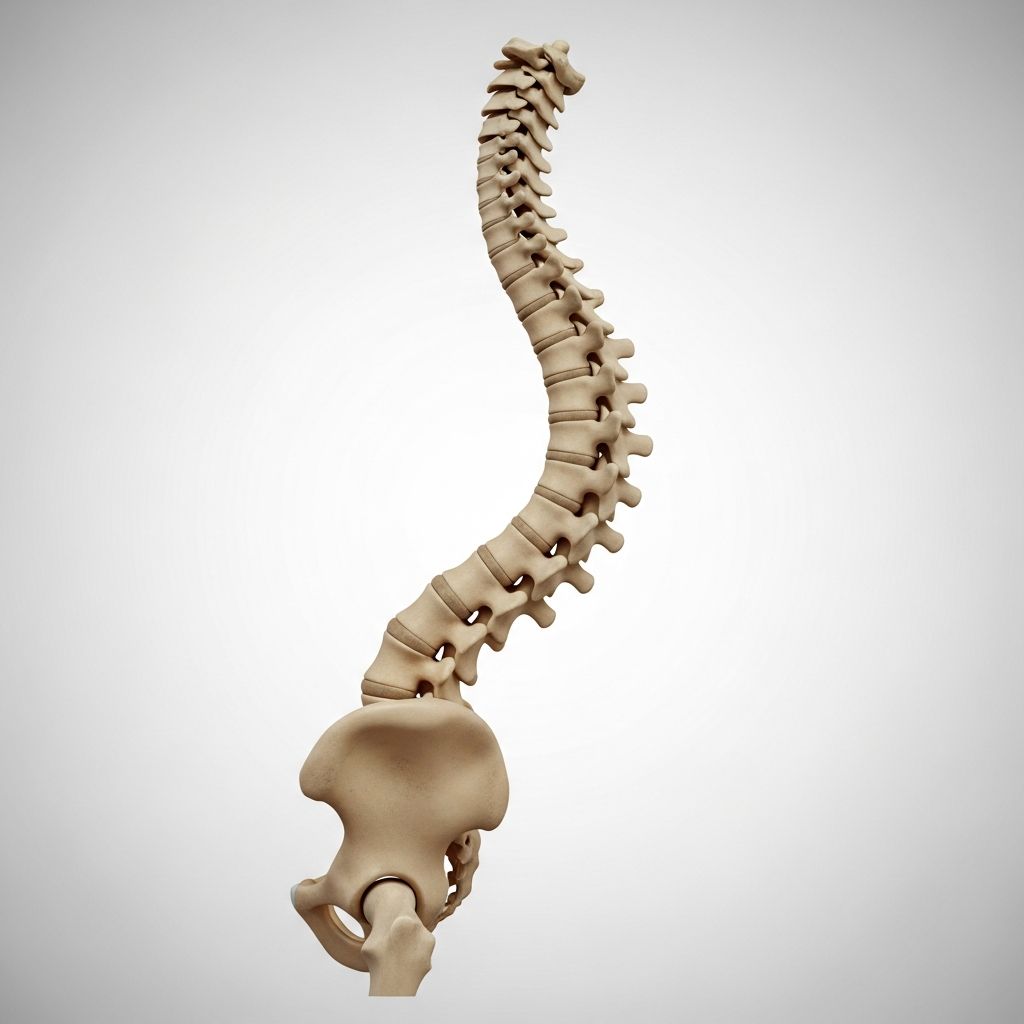
Lordosis is an increase in the natural curve toward the front of your body that exists in your cervical and lumbar spine. While this curvature is a normal and essential part of spinal anatomy, excessive curves are considered a medical concern. Your spine naturally forms gentle curves that help absorb shock, maintain balance, and support your body’s weight. However, when these curves become more pronounced than they should be, the condition is referred to as lordosis or, in the case of the lower back, swayback.
Understanding the difference between normal spinal curves and pathological lordosis is crucial for recognizing when you might need medical attention. The cervical spine typically maintains a 30- to 40-degree curve, while the lumbar spine normally shows a 40- to 60-degree curve. When these measurements exceed normal ranges, your spine’s alignment shifts, affecting your posture and potentially causing discomfort or functional limitations.
Normal Lordosis vs. Excessive Lordosis
Lordosis develops when your spine curves excessively, pushing your posture out of its usual alignment. It’s important to recognize that not all lordotic curves are abnormal. The cervical lordosis in your neck and the lumbar lordosis in your lower back are essential features of healthy spinal anatomy. These curves provide structural support, protect your spinal cord, and facilitate normal movement patterns.
The condition becomes problematic when the curve exceeds normal parameters. For instance, cervical lordosis research has shown that average lordosis in the C2-C7 region is approximately 13.9 ± 12.3 degrees, with some studies finding averages around 23 degrees. When cervical lordosis becomes abnormal, it can result in diminished neurological improvements after spine surgery, suggesting its significant impact on spinal health.
Excessive lumbar lordosis, commonly called swayback, presents a distinct posture characterized by an exaggerated inward curve of the lower back. This condition can contribute to pain and functional limitations that affect daily activities.
Identifying Signs and Symptoms of Lordosis
The symptoms of lordosis vary depending on the severity of the curve and which part of the spine is affected. Many individuals with mild lordosis may not experience noticeable symptoms, while others develop significant discomfort.
Postural Changes
One of the most recognizable signs of lordosis involves visible changes in posture. It’s often easier for other people to notice these alterations before you become aware of them yourself. Changes may include:
– Increased forward curve of the cervical spine visible as a jutting chin or head-forward posture- Exaggerated arch in the lower back- Prominent buttocks- Anterior pelvic tilt
Discomfort and Pain
When lordosis causes more severe curves, it can result in neck pain or low back pain that interferes with normal movement and daily functions. The excessive curve places abnormal stress on vertebrae, intervertebral discs, and supporting soft tissues, potentially triggering inflammation and pain responses.
Movement Limitations
Individuals with significant lordosis may experience reduced flexibility, difficulty bending, or limitations in certain motions. These movement restrictions can affect athletic performance, occupational tasks, or simple daily activities like reaching or lifting.
Related Stories



Causes of Lordosis
Understanding the underlying causes of lordosis is essential for determining appropriate treatment strategies. The causes vary considerably, ranging from idiopathic presentations to specific medical conditions.
Idiopathic Lordosis
Most cases of lordosis are idiopathic, meaning they develop without an identifiable cause. These cases emerge spontaneously and are particularly common in children with swayback, where no specific underlying condition can be identified. Idiopathic lordosis often develops gradually and may be influenced by genetic factors, lifestyle habits, or postural tendencies.
Associated Medical Conditions
Several medical conditions can contribute to the development of lordosis:
– Increased thoracic kyphosis (excessive forward curvature of the upper back)- Spinal deformities and abnormalities- Neuromuscular disorders affecting spine stability- Spondylolisthesis (vertebral slippage)- Degenerative disc disease- Osteoporosis or other bone density disorders
Additionally, research has shown relationships between lumbar lordosis and various factors including age, body mass index (BMI), and core muscle strength. In individuals with chronic low back pain, factors such as lumbar extension range of motion and abdominal muscle function demonstrate associations with pelvic inclination and lordotic curvature.
Diagnosis of Lordosis
Your healthcare provider will diagnose lordosis primarily through a physical examination. The diagnostic process is straightforward but requires careful assessment:
Physical Examination Process
– Your provider will observe your posture in standing and other positions- They’ll palpate your spine to detect unnatural curvature- They’ll assess whether the lordotic curve is flexible or rigid- Flexibility testing involves checking if the curve moves with you when you bend your neck or lower back
Flexibility Assessment Importance
A key component of diagnosis involves determining curve flexibility. If the lordotic curve moves naturally with your movements when you bend your neck or lower back, you’ll likely be less prone to requiring surgical interventions. Flexible curves often respond well to conservative treatment approaches, while rigid curves may necessitate more aggressive interventions.
Advanced Imaging
While physical examination is primary, your provider may recommend radiographic imaging to measure the exact degree of curvature. Measurements like the C2-C7 Cobb angle for cervical lordosis or lumbar Cobb angle assessments provide quantitative data to guide treatment decisions. These measurements help establish whether your curve exceeds normal parameters and track changes over time.
Treatment Options for Lordosis
Treatment approaches depend on several factors including the severity of the curve, whether it’s progressive, curve flexibility, and associated symptoms. Your healthcare provider will recommend appropriate strategies based on your individual situation.
Conservative Treatment Approaches
For many individuals with lordosis, conservative treatment is effective and should be attempted first:
– Physical therapy focusing on core strengthening and postural training- Stretching exercises to improve flexibility- Posture correction and ergonomic modifications- Anti-inflammatory medications for pain management- Bracing in some cases to provide spinal support
Staying active and maintaining regular exercise is beneficial for most people with lordosis. Physical activity strengthens muscles around your spine and can help reduce symptoms. Activities should be tailored to your specific condition and tolerance levels.
Surgical Intervention
Surgery becomes a consideration when lordosis worsens over time or when the curve is rigid and causing significant symptoms despite conservative treatment. Surgical correction aims to restore more normal spinal alignment and may involve instrumentation, fusion procedures, or other corrective techniques. The specific surgical approach depends on the location and severity of the lordosis.
Research demonstrates that achieving appropriate lordotic correction through surgery is important for preventing complications like proximal junctional kyphosis (PJK), though excessive correction must be balanced against potential biomechanical consequences.
Living With Lordosis
Physical Activity and Exercise
You don’t need to stop exercising or participating in sports if you have lordosis. Continuing regular physical activity, when appropriate for your condition, can strengthen supporting musculature and potentially reduce symptoms. However, if you undergo surgery, your surgeon will provide specific guidance about activity restrictions during recovery periods.
When to Seek Medical Attention
Contact your healthcare provider if you notice:
– Sudden changes in your posture or back appearance- New or worsening back or neck pain- Difficulty with movement or flexibility- Progressive deformity- Neurological symptoms like numbness, tingling, or weakness
Prevention and Management Strategies
While not all lordosis can be prevented, several strategies may help maintain healthy spinal alignment:
– Maintain proper posture during daily activities- Perform regular core-strengthening exercises- Practice good ergonomics at work and home- Maintain healthy body weight- Avoid activities that excessively load your spine- Use proper body mechanics when lifting and bending
Regular physical therapy and postural awareness can help prevent progression in mild cases or manage symptoms in existing lordosis.
The Role of Spinal Alignment in Overall Health
Proper spinal alignment is fundamental to overall health and function. The relationship between T1 slope (upper thoracic spine angle) and cervical lordosis has gained attention in surgical planning, with research establishing that cervical lordosis can be estimated using the relationship: CL = T1 slope − 16.5 ± 2 degrees. This formula helps surgeons make better decisions about optimal correction goals during surgical procedures.
Understanding these biomechanical relationships helps healthcare providers optimize treatment outcomes and minimize complications associated with spinal deformity correction.
Frequently Asked Questions About Lordosis
Q: Is lordosis always abnormal?
A: No. Lordosis is a normal feature of your cervical and lumbar spine. A 30- to 40-degree curve in your cervical spine and a 40- to 60-degree curve in your lumbar spine are typical. Lordosis only becomes a medical concern when curves exceed these normal ranges.
Q: Can lordosis be cured?
A: Depending on the cause and severity, lordosis can be effectively managed with conservative treatment or, when necessary, surgical correction. The goal is to reduce symptoms and restore more normal alignment rather than achieve complete “cure.”
Q: Will I need surgery for lordosis?
A: Most cases of lordosis can be managed with conservative treatment such as physical therapy, exercise, and postural modifications. Surgery is typically reserved for progressive curves, rigid curves causing significant symptoms, or cases unresponsive to conservative care.
Q: Can children have lordosis?
A: Yes, swayback affecting children is common and usually has no identifiable cause (idiopathic). Most childhood lordosis cases resolve naturally or respond well to conservative management.
Q: Does lordosis affect athletic performance?
A: Depending on severity, lordosis may affect athletic performance, though many athletes manage their condition effectively. Discuss specific sports and activities with your healthcare provider to ensure safety.
Q: What’s the difference between lordosis and kyphosis?
A: Lordosis is an inward curve (toward the front of the body) found normally in the cervical and lumbar spine. Kyphosis is an outward curve (toward the back) found normally in the thoracic spine. Both are normal in their appropriate spinal regions but become pathological when excessive.
References
- Cervical Spine Alignment in the Sagittal Axis: A Review of the Best Evidence — SAGE Journals. 2020. https://journals.sagepub.com/doi/10.1177/2192568220972076
- A Biomechanical Analysis on the Influence of Variable Lordotic Correction on Proximal Spinal Mobility — National Institutes of Health (PubMed Central). 2024. https://pmc.ncbi.nlm.nih.gov/articles/PMC12614897/
- Lumbar Lordosis and Pelvic Inclination in Adults With Chronic Low Back Pain — Physical Therapy Journal, Oxford Academic. 2000. https://academic.oup.com/ptj/article/80/3/261/2842480
- Lordosis (Swayback): Types, Causes & Symptoms — Cleveland Clinic. 2022. https://my.clevelandclinic.org/health/diseases/23908-lordosis
Similar Articles








Read full bio of medha deb