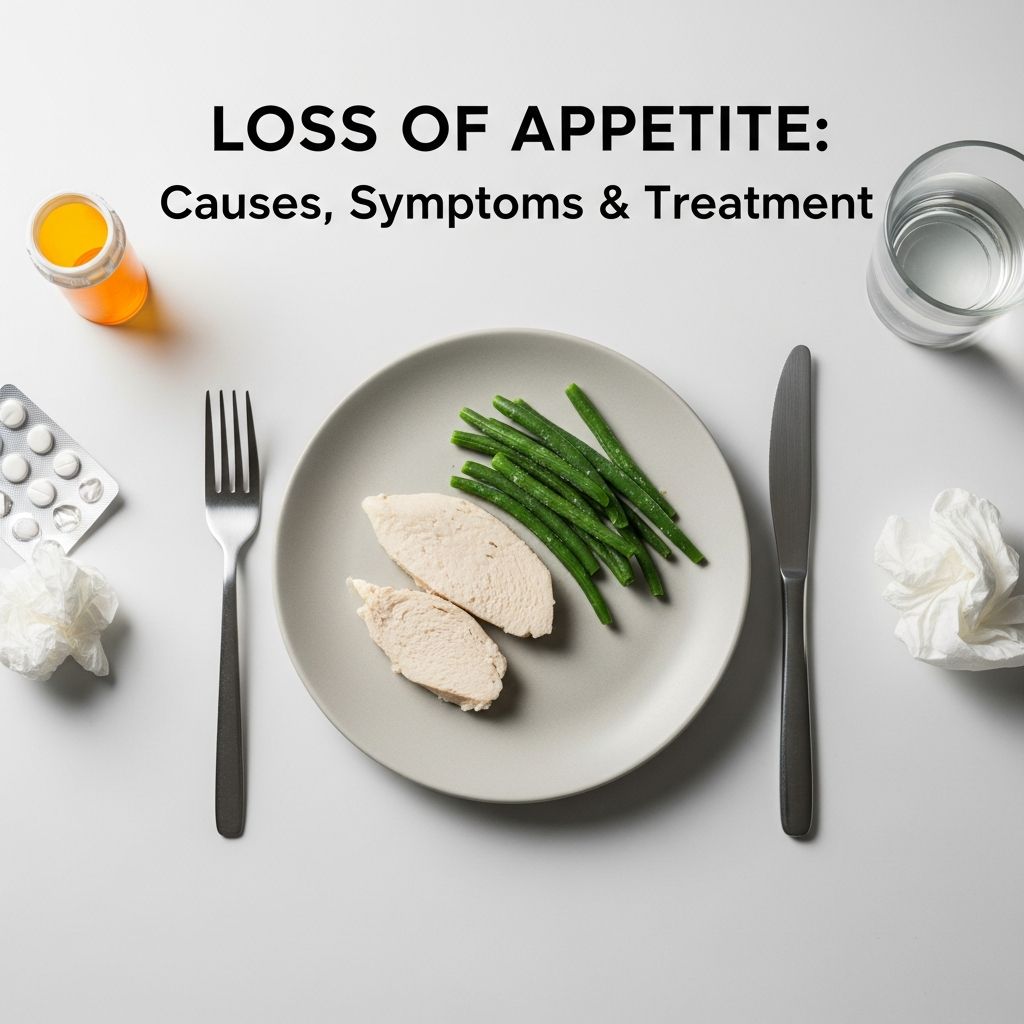
Loss of Appetite: Causes, Symptoms & Treatment
Understanding appetite loss: causes, symptoms, and effective treatment options explained.
Understanding Loss of Appetite
A loss of appetite occurs when you don’t feel hungry or have the desire to eat food. This common symptom can significantly impact your daily life and overall health, affecting your energy levels, immune function, and ability to maintain a healthy weight. The medical term for loss of appetite is anorexia, which is distinctly different from the eating disorder anorexia nervosa. With anorexia, you genuinely don’t feel the sensation of hunger, whereas someone with anorexia nervosa may feel hungry but restricts food intake for other reasons.
When experiencing a loss of appetite, you might find yourself uninterested in foods you once enjoyed, missing meals without realizing it, or eating significantly less than usual. While occasional appetite fluctuations are normal, a loss of appetite that persists for more than a week warrants attention and evaluation by a healthcare provider.
Signs and Symptoms of Loss of Appetite
Recognizing the signs of appetite loss is the first step toward addressing the underlying cause. The primary indicators include:
- Having little to no interest in food or eating
- Not feeling the desire to eat your favorite foods
- Missing meals without noticing or caring
- Eating significantly smaller portions than normal
- Sudden disinterest in previously enjoyed meals
A loss of appetite often comes accompanied by additional symptoms that can help identify the underlying cause. These may include nausea, vomiting, abdominal pain, bloating, fatigue, dizziness, or unexplained weight loss. If your appetite loss includes these accompanying symptoms, it’s important to document them and share this information with your healthcare provider, as it can help with diagnosis.
Common Causes of Loss of Appetite
Understanding what triggers appetite loss is essential for effective treatment. The causes can be broadly categorized into several groups:
Physical and Bodily Changes
Changes to your body can significantly affect your ability to feel hunger. These physical causes include:
- Hormonal changes during pregnancy or menopause
- Aging and natural metabolic changes
- Medication side effects
- Illness or infection
- Stomach or digestive issues
Emotional and Psychological Causes
Your emotions play a crucial role in your appetite and desire to eat. Emotional triggers for appetite loss include:
- Stress and anxiety
- Depression
- Grief and loss
- Major life changes or transitions
- Emotional trauma
Medical Conditions
Several underlying health conditions can cause a diminished appetite. Common conditions associated with appetite loss include:
- Infections such as the flu, common cold, or urinary tract infections
- Gastrointestinal disorders including gastritis and gastroparesis
- Diabetes and metabolic disorders
- Liver disease and kidney disease
- Heart conditions
- Cancer and chemotherapy side effects
- Thyroid problems
- Autoimmune conditions
Medications and Supplements
Many medications used to treat underlying health conditions list loss of appetite as a side effect. Common medications that may reduce your appetite include:
- Antibiotics
- Blood pressure medications
- Chemotherapy drugs
- Antidepressants
- Stimulant medications
- Pain relievers and anti-inflammatory medications
- Certain supplements and vitamins
Related Stories



If you suspect your medication is causing appetite loss, consult your healthcare provider before making any changes to your treatment plan.
When Loss of Appetite Becomes Concerning
While temporary appetite loss is often benign, persistent loss of appetite can indicate a more serious underlying issue. A loss of appetite is usually a sign of concern if it lasts longer than a week without an obvious cause. Additionally, if appetite loss occurs alongside unexplained weight loss, changes in mood, or other concerning symptoms, it’s important to seek medical evaluation promptly.
Without proper treatment and nutrition, prolonged appetite loss can lead to serious health complications including malnutrition, vitamin deficiencies, weakened immune function, and unintentional weight loss. Your body requires regular caloric and nutrient intake to maintain proper organ function and overall health.
Treatment Options for Loss of Appetite
The treatment approach for loss of appetite depends on identifying and addressing its underlying cause. Your healthcare provider may perform diagnostic blood tests or imaging studies to determine what’s causing your symptoms.
Medical Treatment
Treatment plans may include:
- Treating the underlying medical condition causing the appetite loss
- Adjusting medications that may be reducing appetite
- Prescribing medications to stimulate appetite if necessary
- Addressing hormonal imbalances
- Mental health counseling for emotional causes
- Nutritional supplementation and monitoring
Home Management Strategies
You can support your recovery and manage appetite loss at home through several strategies:
- Eating small, frequent meals throughout the day instead of three large meals
- Choosing nutrient-dense foods that provide maximum nutrition in smaller portions
- Staying hydrated with water, broths, and smoothies
- Eating meals in pleasant, relaxing environments
- Preparing favorite foods and foods you find appealing
- Maintaining regular physical activity to promote hunger signals
- Getting adequate sleep to support appetite regulation
- Reducing stress through relaxation techniques
- Using herbs and spices to enhance food flavors
- Eating with others when possible for social motivation
Recovery and Prognosis
A loss of appetite is usually a temporary symptom. Once you and your healthcare provider identify and address the underlying cause, your appetite typically returns to normal. When the condition causing your appetite loss receives proper treatment or resolves naturally, your hunger signals and desire to eat should resume their normal patterns.
However, if your appetite doesn’t return to normal after you recover from an illness, injury, or infection, contact your healthcare provider for further evaluation. Persistent appetite loss even after recovery may indicate a separate underlying condition requiring attention.
Prevention Strategies
While it’s difficult to prevent all causes of appetite loss due to the many possible triggers, you can reduce your risk by:
- Maintaining overall good health through regular exercise and balanced nutrition
- Managing stress through meditation, yoga, or counseling
- Getting adequate sleep each night
- Staying current with vaccinations to prevent infections
- Managing chronic health conditions effectively
- Maintaining a healthy weight
- Limiting alcohol consumption
- Not smoking
- Taking medications as prescribed
When to Seek Medical Attention
Contact your healthcare provider if your loss of appetite causes you to:
- Lose weight unintentionally
- Experience weakness or fatigue
- Miss multiple meals or entire days of eating
- Have additional concerning symptoms
- Persist for more than one week
- Affect your ability to perform daily activities
- Cause you anxiety or distress
A sudden, unexplained loss of appetite can be a sign that something requires medical attention. Don’t dismiss persistent appetite loss or delay contacting your healthcare provider if you’re experiencing this symptom alongside other changes in your health or well-being.
Special Considerations During Pregnancy
During pregnancy, changes in appetite are common and generally normal. You might not feel hungry for some of your favorite foods or develop aversions—extreme dislikes for certain foods that can make you nauseous if you taste or smell them. These changes to your body are expected during pregnancy.
However, if your loss of appetite prevents you from eating or consuming the nutrients you and your developing fetus need to stay healthy, contact your healthcare provider. Proper nutrition during pregnancy is essential for fetal development and maternal health, so professional guidance is important if appetite changes interfere with adequate nutrition.
Frequently Asked Questions
Q: Is loss of appetite the same as anorexia nervosa?
A: No. Loss of appetite (anorexia) means you don’t feel hungry and have no desire to eat. Anorexia nervosa is an eating disorder where people restrict food intake despite feeling hungry, often due to concerns about weight and body image. They are distinct conditions requiring different treatment approaches.
Q: How long should I wait before seeing a doctor about appetite loss?
A: Generally, you should contact your healthcare provider if your loss of appetite lasts longer than a week, occurs suddenly without explanation, or is accompanied by other symptoms like weight loss, fatigue, or mood changes. Don’t wait if you’re experiencing multiple concerning symptoms simultaneously.
Q: Can appetite loss be serious?
A: Yes, prolonged appetite loss without treatment can lead to serious complications including malnutrition, nutrient deficiencies, weakened immune function, and organ damage. Your body requires regular nutrition to function properly, making persistent appetite loss a health concern.
Q: What can I eat if I have no appetite?
A: Focus on nutrient-dense, appealing foods in small portions. Try smoothies, broths, soft foods, foods with enhanced flavors, and meals eaten in pleasant environments. Eating small amounts frequently throughout the day is often easier than consuming large meals.
Q: Will my appetite return after treatment?
A: Yes, in most cases appetite returns to normal once the underlying cause is treated or resolves. However, if appetite doesn’t return after recovery from an illness or condition, consult your healthcare provider for further evaluation.
References
- Loss of Appetite: Causes & Treatment — Cleveland Clinic. 2022-10-03. https://my.clevelandclinic.org/health/symptoms/24228-loss-of-appetite
- Early Satiety: Causes, Treatment & Long-Term Complications — Cleveland Clinic. 2024-12-03. https://my.clevelandclinic.org/health/symptoms/early-satiety
- Ghrelin Hormone: Function and Definition — Cleveland Clinic. https://my.clevelandclinic.org/health/body/22804-ghrelin
- Malnutrition: Definition, Causes, Symptoms & Treatment — Cleveland Clinic. https://my.clevelandclinic.org/health/diseases/22987-malnutrition
- Gastrointestinal Diseases: Symptoms, Treatment & Causes — Cleveland Clinic. https://my.clevelandclinic.org/health/articles/7040-gastrointestinal-diseases
Similar Articles








Read full bio of medha deb