Love Bombing: 6 Red Flags And How To Respond
Understand love bombing, its manipulative tactics, and how to spot and escape this emotional abuse red flag in relationships.
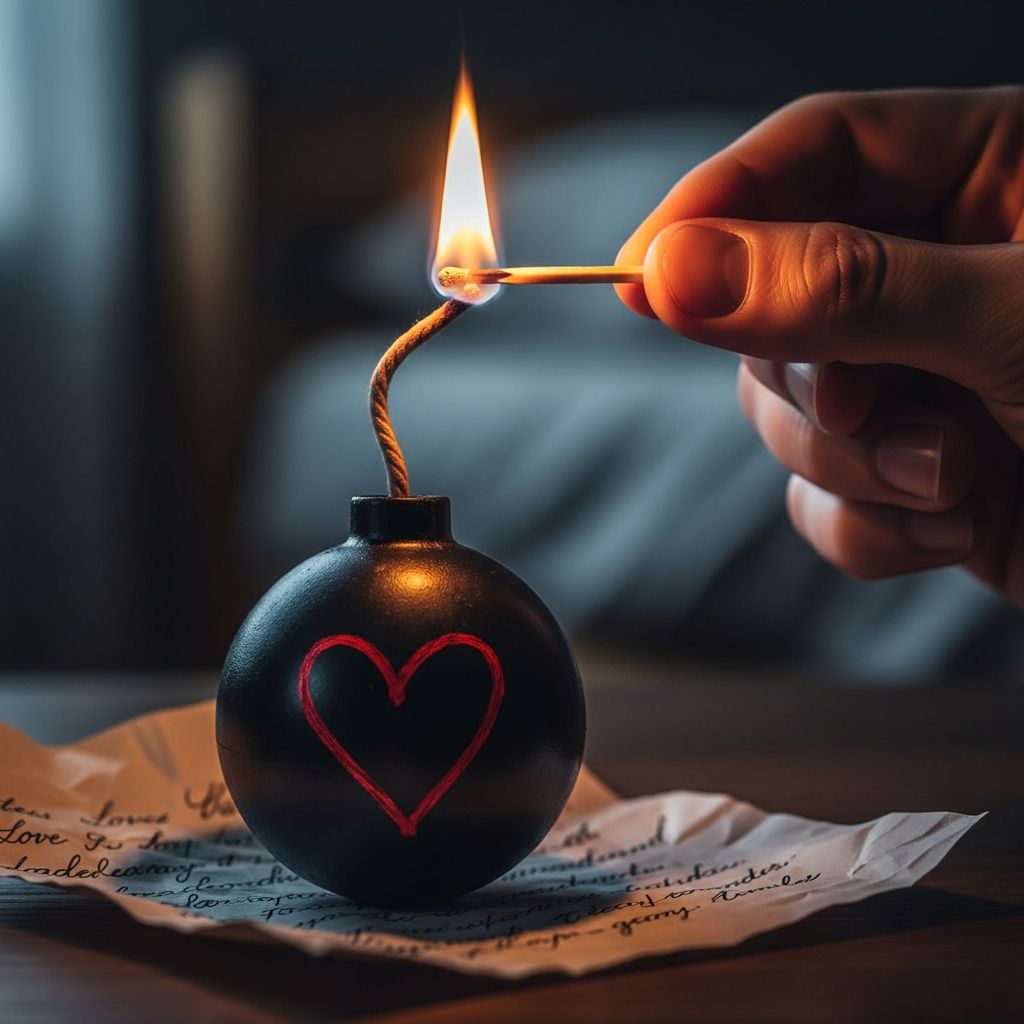
Love bombing is a manipulative tactic where someone overwhelms a partner with excessive affection, compliments, gifts, and attention early in a relationship to gain control and foster dependency. This behavior, often linked to narcissism and emotional abuse, creates an illusion of perfect romance but typically leads to devaluation and coercion.
What Is Love Bombing?
Love bombing involves bombarding a victim with intense displays of ‘love’ as part of emotional abuse and coercive control. It includes excessive compliments, declarations of love, lavish gifts, and pressure for quick commitment, making the recipient feel uniquely special and breaking down their emotional barriers.
Originating from cult tactics in the 1970s, the term now describes similar patterns in romantic relationships. Abusers use it to ‘hook’ partners rapidly, accelerating intimacy to exert influence. It feels intoxicating initially but serves as grooming for manipulation.
Unlike healthy affection, love bombing skips natural relationship progression. It creates attachment through idealization, blinding victims to inconsistencies and isolating them from support networks.
Love Bombing vs. Genuine Love
| Love Bombing | Genuine Love |
|---|---|
| Overwhelming, rapid intensity from day one | Builds gradually with mutual respect |
| Excessive gifts and compliments without depth | Consistent actions matching words over time |
| Pressure for commitment early on | Allows time for trust to develop naturally |
| Jealousy disguised as passion | Encourages independence and friendships |
| Turns controlling once hooked | Promotes equality and boundaries |
This table highlights key differences: love bombing prioritizes control, while genuine love fosters security and autonomy.
Signs of Love Bombing
- Fast relationship progression: Intense pursuit and talk of marriage, moving in, or soulmate status within days or weeks.
- Constant contact: Nonstop texts, calls, or demands to know your whereabouts, often escalating to jealousy.
- Over-the-top gestures: Lavish gifts, surprise trips, or public displays without knowing your preferences deeply.
- Boundary resistance: Upset or anger when you need space, time with friends, or decline advances.
- Isolation tactics: Badmouthing your family/friends or inserting themselves into your life problems to create reliance.
- Compliment overload: Praise feels insincere, focusing on flattery over genuine conversation.
These signs often feel flattering at first but signal danger when they override your comfort.
Why Do People Love Bomb?
Love bombers, frequently narcissists or those with insecure attachment, use it to secure admiration, loyalty, and control quickly. It fulfills their need for ‘supply’—attention and validation—while preempting rejection.
Psychologically, it stems from fears of abandonment or past trauma, prompting rushed intimacy to feel secure. Even unintentional cases harm through emotional overload and later flips to criticism.
In abusive cycles, it’s deployed during idealization or reconciliation phases post-conflict, renewing false hope and trauma bonds. Abusers reference early ‘perfection’ to guilt victims into staying.
Related Stories



The Stages of Love Bombing
- Idealization: Flood of affection hooks you, making you feel like ‘the one.’ Barriers crumble under constant validation.
- Devaluation: Affection withdraws; criticism, gaslighting, and control emerge. You chase the initial high like an addict.
- Discard: Sudden withdrawal or ghosting once control is lost or needs are met, leaving devastation.
This cycle repeats, deepening dependency and confusion.
Effects of Love Bombing
- Emotional exhaustion: Constant highs and lows erode self-esteem and mental health.
- Isolation: Separation from support systems amplifies control.
- Trauma bonding: Intermittent reinforcement creates addiction-like attachment.
- Self-doubt: Victims question their perceptions, feeling guilty for leaving.
- Long-term impact: Anxiety, depression, and trust issues in future relationships.
Survivors often describe it as ‘too good to be true,’ fostering confusion and false hope.
Love Bombing and Narcissism
Many love bombers exhibit narcissistic traits: grandiosity, lack of empathy, and manipulation. They idealize to secure narcissistic supply, then devalue when bored or challenged.
Not all are full narcissists; insecure individuals may love bomb unconsciously. However, the pattern signals potential abuse regardless.
How to Respond to Love Bombing
- Set boundaries early: Politely decline overreach and prioritize your pace.
- Observe consistency: Healthy love matches words with sustained actions.
- Seek external input: Discuss with trusted friends; isolation is a tactic.
- Slow down: Resist pressure; true connections build over time.
- Exit if needed: Block contact if control escalates; safety first.
Therapy helps rebuild self-trust post-exposure.
FAQs
Is love bombing always abuse?
Not always intentional, but it’s manipulative and a red flag for unhealthy dynamics leading to emotional abuse.
Can love bombing happen in friendships?
Yes, it appears in platonic or familial ties as excessive flattery to control.
How long does the love bombing phase last?
Typically weeks to months, until the bomber secures commitment, then shifts to devaluation.
What if I love bombed someone unintentionally?
Reflect on motives, apologize if needed, and focus on balanced affection moving forward.
Is love bombing common on dating apps?
Yes, digital platforms enable rapid intensity without real accountability.
Recovering from Love Bombing
Healing involves no-contact, therapy for trauma bonds, rebuilding support networks, and self-compassion. Recognize it wasn’t your fault; abusers exploit vulnerabilities. Journal patterns, practice boundary-setting, and embrace gradual intimacy in healthy relationships.
Support resources like domestic abuse hotlines aid escape from coercive cycles.
References
- Love bombing: Affection today. Abuse tomorrow. — Solace Women’s Aid. 2021-02-14. https://www.solacewomensaid.org/policy-campaigns/awareness-campaigns-awards/love-bombing-affection-today-abuse-tomorrow/
- Love Bombing: What Is It And How to Protect Yourself — Health Central. Accessed 2025. https://www.healthcentral.com/sex-and-relationships/what-is-love-bombing
- What is Love Bombing? — The Gottman Institute. Accessed 2025. https://www.gottman.com/blog/what-is-love-bombing/
- What is love-bombing? A therapist explains the red flags and real intentions — KESQ / Stacker Lifestyle. 2025-10-03. https://kesq.com/stacker-lifestyle/2025/10/03/what-is-love-bombing-a-therapist-explains-the-red-flags-and-real-intentions/
- Love Bombing: Meaning, Signs, and Examples — WebMD. Accessed 2025. https://www.webmd.com/sex-relationships/what-is-love-bombing
Similar Articles








Read full bio of medha deb