Low Blood Pressure: Causes, Symptoms, And Treatment Guide
Discover symptoms, causes, and proven strategies to manage hypotension effectively for better daily health.
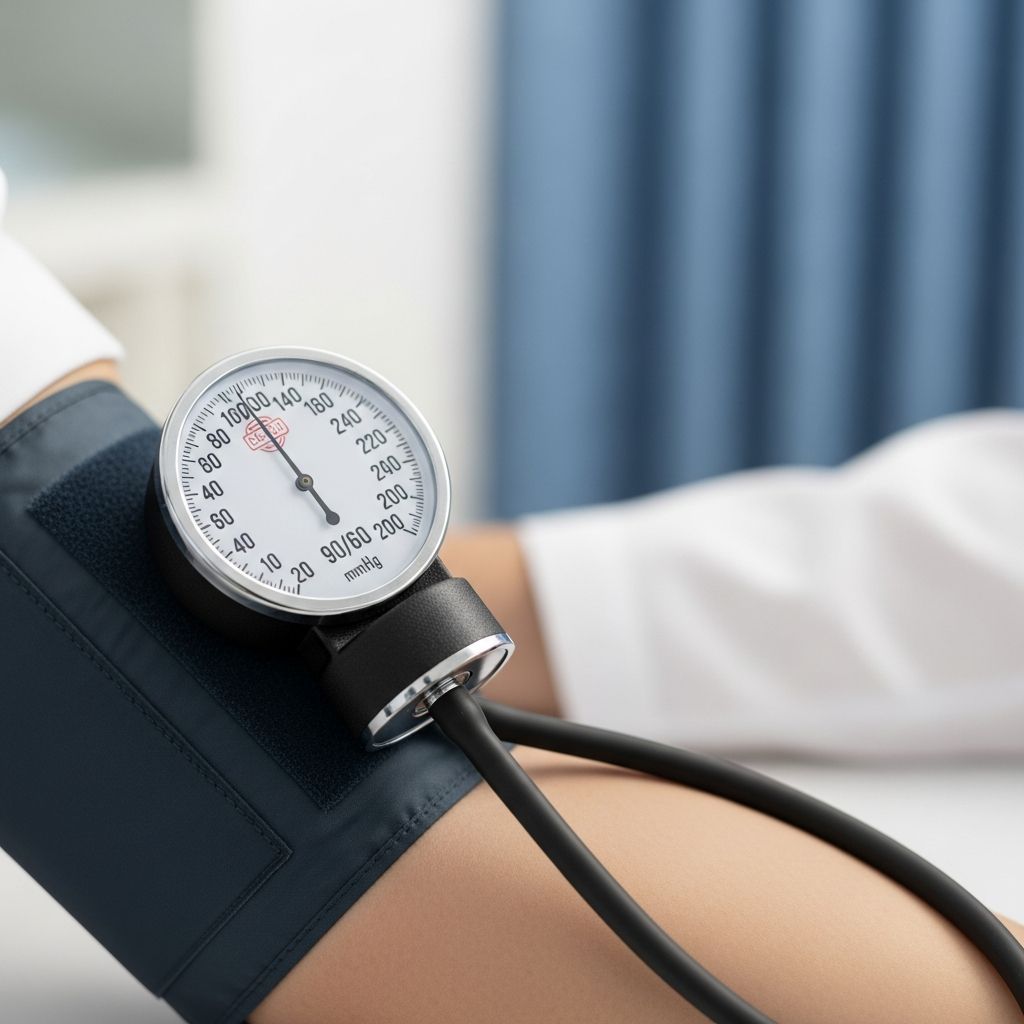
Low blood pressure, or hypotension, occurs when readings fall below 90/60 mm Hg, potentially leading to inadequate blood flow to vital organs. While not always problematic, it can cause discomfort or signal underlying issues requiring attention.
Defining Normal and Low Blood Pressure
Blood pressure measures the force of blood against artery walls, recorded as systolic over diastolic (e.g., 120/80 mm Hg). The National Heart, Lung, and Blood Institute and other authorities define hypotension as under 90 systolic or 60 diastolic.[10] Factors like age, activity, and time of day influence readings, with natural declines in older adults or genetic predispositions.
Many experience transient drops without harm, but persistent low levels demand evaluation to prevent complications like organ damage from poor perfusion.
Recognizing the Signs of Hypotension
Symptoms arise when organs lack sufficient oxygenated blood, varying by severity and individual tolerance. Common indicators include:
- Dizziness or lightheadedness, especially upon standing (orthostatic hypotension).
- Fainting (syncope), due to brief brain blood flow interruption.
- Fatigue and weakness, from sustained low perfusion.
- Blurry vision or confusion, signaling cerebral hypoperfusion.
- Nausea, vomiting, or neck stiffness in acute cases.
Symptoms may worsen after meals, prolonged standing, or heat exposure. Some remain asymptomatic, detected only via routine checks.
Primary Causes Behind Low Blood Pressure
Hypotension stems from diverse triggers, categorized as temporary, chronic, or medication-induced. Understanding the root helps tailor interventions.
Temporary and Lifestyle-Related Factors
Everyday occurrences often provoke short-term drops:
- Dehydration from inadequate fluids, vomiting, diarrhea, or exercise reduces blood volume.
- Prolonged bed rest or standing leads to blood pooling in extremities.
- Pregnancy, especially early trimesters, due to vascular changes.
- Post-meal dips from blood diversion to digestion.
Underlying Medical Conditions
Serious health issues can sustain low pressure:
| Condition | Description | Impact |
|---|---|---|
| Heart conditions | Weak pumping (e.g., heart failure, arrhythmias) | Reduced circulation efficiency |
| Endocrine disorders | Hypothyroidism, Addison’s disease, low blood sugar | Hormonal imbalances dilate vessels |
| Nutrient deficiencies | Vitamin B12, folate, iron lack causing anemia | Fewer red cells lower oxygen delivery |
| Neurally mediated | Brain-heart miscommunication after standing | Common in youth, self-resolves often |
| Severe infections/shock | Septic or anaphylactic shock | Life-threatening vessel dilation |
Medications and Substances
Common drugs lower pressure as a side effect:
- Diuretics, beta-blockers, alpha-blockers for hypertension.
- Antidepressants, Parkinson’s meds, ED drugs like sildenafil.
- Alcohol, causing dehydration.
Adjustments may be needed under medical supervision.
How Professionals Diagnose Hypotension
Diagnosis starts with history, symptoms, and physical exam, followed by tests. Key methods include:
- Blood pressure checks in various positions (lying, sitting, standing) to detect orthostatic changes.
- Blood tests for anemia, electrolytes, hormones.
- ECG or echocardiogram for heart function.
- Tilt-table test for neurally mediated types.
- Urine tests or monitoring for dehydration.
Providers prioritize identifying reversible causes.
Treatment Approaches for Managing Low Blood Pressure
Treatment targets the cause; many improve with simple steps.
Lifestyle Modifications
First-line strategies boost volume and flow:
- Hydrate adequately: Aim for 2-3 liters daily unless restricted.[10]
- Compression garments: Stockings or abdominal binders prevent leg pooling.
- Diet tweaks: Small, low-carb meals; add salt if approved; caffeinated drinks.
- Posture techniques: Rise slowly, leg crosses, counter maneuvers.
- Avoid triggers: Alcohol, hot environments, large meals.
Related Stories



Medical Interventions
When lifestyle fails:
- Medications: Fludrocortisone (retains sodium), midodrine (vasoconstricts).
- Treat underlying issues: IV fluids for dehydration, antibiotics for infections.
- Adjust current meds: Dose reductions or switches.
Hospital care for shocks or severe cases.
Preventing Episodes of Hypotension
Proactive habits minimize risks:
- Maintain hydration and balanced nutrition.
- Exercise regularly to strengthen circulation without overexertion.
- Monitor pressure at home, especially if medicated.
- Elevate bed head for overnight management.
- Inform doctors of symptoms before new prescriptions.
Regular check-ups catch issues early.[10]
When to Seek Urgent Medical Help
Act immediately for:
- Sudden fainting or confusion.
- Chest pain, shortness of breath, irregular heartbeat.
- Persistent symptoms impacting daily life.
- Signs of shock: cold sweat, rapid pulse.
These may indicate emergencies like hemorrhage or sepsis.
Frequently Asked Questions (FAQs)
Is low blood pressure always dangerous?
No, many live asymptomatically with it, but symptoms warrant checks.
Can diet alone fix hypotension?
Often yes for mild cases via hydration and salt, but consult a doctor.
Does age affect low blood pressure risk?
Yes, common in youth (neurally mediated) and elderly (meds/deconditioning).
Are there home remedies for sudden dizziness?
Lie down, elevate legs, hydrate; seek help if recurrent.
Can exercise help or worsen it?
Moderate activity aids; avoid sudden standing or heavy lifts.
Long-Term Outlook and Monitoring
Most manage hypotension effectively, improving quality of life. Track symptoms, adhere to plans, and revisit providers for adjustments. With proper care, complications are rare.
References
- Causes of low blood pressure (hypotension) — Medical News Today. 2023. https://www.medicalnewstoday.com/articles/what-causes-low-blood-pressure
- Low Blood Pressure: Symptoms, Causes, and Treatment Options — Arizona Cardiologists. 2023. https://www.azcardiologist.com/blog/1268018-low-blood-pressure-symptoms-causes-and-treatment-options/
- Low Blood Pressure (Hypotension): Causes & Symptoms — Cleveland Clinic. 2023-10-28. https://my.clevelandclinic.org/health/diseases/21156-low-blood-pressure-hypotension
- Low Blood Pressure – When Blood Pressure Is Too Low — American Heart Association. 2023. https://www.heart.org/en/health-topics/high-blood-pressure/the-facts-about-high-blood-pressure/low-blood-pressure-when-blood-pressure-is-too-low
- Low blood pressure (hypotension) – Symptoms and causes — Mayo Clinic. 2023-11-10. https://www.mayoclinic.org/diseases-conditions/low-blood-pressure/symptoms-causes/syc-20355465
- Low blood pressure (hypotension) – Diagnosis and treatment — Mayo Clinic. 2023-11-10. https://www.mayoclinic.org/diseases-conditions/low-blood-pressure/diagnosis-treatment/drc-20355470
- Low blood pressure — Penn Medicine. 2023. https://www.pennmedicine.org/conditions/low-blood-pressure
Similar Articles








Read full bio of medha deb