Low Blood Pressure (Hypotension): Causes & Symptoms
Understanding hypotension: causes, symptoms, diagnosis, and effective treatment strategies.
Understanding Low Blood Pressure (Hypotension)
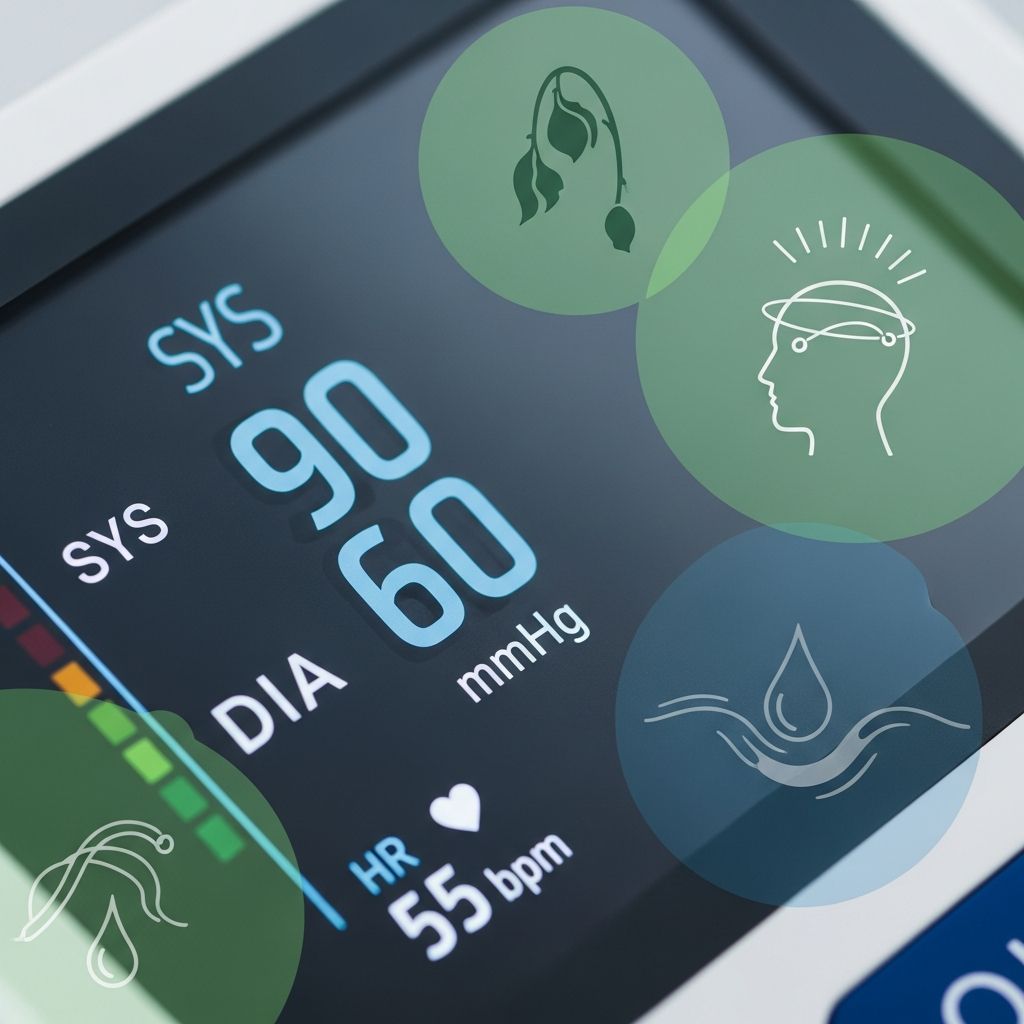
Low blood pressure, medically known as hypotension, is a condition where blood pressure falls below the normal range of 90/60 mm Hg. While many people experience low blood pressure without any noticeable symptoms, others may develop complications that require medical attention. The prevalence of hypotension varies significantly with age, with approximately 5% of people experiencing it at age 50, increasing to more than 30% in individuals over 70 years old. Understanding the causes, symptoms, and treatment options is essential for managing this condition effectively.
What is Blood Pressure?
Blood pressure measurements consist of two numbers that work together to indicate how well your cardiovascular system is functioning. The systolic pressure (the top number) represents the force of blood against artery walls when your heart beats, while the diastolic pressure (the bottom number) indicates the pressure when your heart is at rest between beats. Normal blood pressure readings are typically above 90/60 mm Hg and up to 120/80 mm Hg. When readings consistently fall below 90/60 mm Hg, a diagnosis of hypotension may be warranted.
Common Symptoms of Low Blood Pressure
Many individuals with hypotension experience no symptoms whatsoever, which makes this condition particularly challenging to diagnose without routine blood pressure monitoring. However, when symptoms do occur, they can significantly impact daily life and activities. The most common symptoms of low blood pressure include:
- Dizziness or lightheadedness
- Fainting or syncope
- Blurred or tunnel vision
- Weakness or fatigue
- Shortness of breath
- Chest pain or discomfort
- Confusion or difficulty concentrating
- Cold, clammy, pale skin
- Rapid or shallow breathing
The severity of symptoms depends on why hypotension is occurring, how quickly blood pressure drops, and what triggered the condition. Slow, gradual decreases in blood pressure are often well-tolerated by the body, whereas rapid drops can be dangerous as certain organs may not receive sufficient blood flow.
Understanding the Causes of Hypotension
Low blood pressure can result from various underlying conditions and factors. Understanding the specific cause is crucial for determining the appropriate treatment approach. Common causes include:
- Medication side effects, including blood pressure-lowering drugs
- Dehydration and inadequate fluid intake
- Heart conditions and cardiovascular disease
- Endocrine disorders such as thyroid problems
- Infections and sepsis
- Blood loss from injury or internal bleeding
- Prolonged bed rest or immobility
- Nutritional deficiencies
- Nervous system disorders
- Anaphylaxis or severe allergic reactions
How Your Body Normally Regulates Blood Pressure
Your body possesses sophisticated mechanisms to automatically control and maintain appropriate blood pressure levels. When blood pressure begins to drop, your body activates compensatory responses to restore normal levels. These natural regulatory mechanisms include increasing heart rate to pump blood more efficiently and constricting blood vessels to narrow their diameter, thereby increasing resistance to blood flow. Symptoms of hypotension typically develop when these compensatory mechanisms fail or become overwhelmed, preventing your body from adequately offsetting the blood pressure drop.
Diagnosis of Hypotension
Diagnosing hypotension itself is straightforward and requires only a simple blood pressure measurement. However, identifying the underlying cause of low blood pressure is considerably more complex and may require various diagnostic tests. If you experience symptoms, your healthcare provider will likely conduct a comprehensive evaluation including:
Related Stories



- Detailed medical history and symptom assessment
- Physical examination
- Blood pressure monitoring in different positions
- Electrocardiogram (ECG) to assess heart function
- Blood tests to identify infections or metabolic disorders
- Imaging studies such as ultrasound or CT scans
- Tilt table testing for orthostatic hypotension evaluation
- Holter monitor for continuous heart rhythm monitoring
These diagnostic tools help your healthcare provider determine whether your hypotension is caused by a specific medical condition, medication interaction, or other identifiable factor.
Treatment Approaches for Low Blood Pressure
Treatment for hypotension begins with identifying and addressing the underlying cause. In many cases, once the root cause is treated, blood pressure returns to normal levels without requiring additional intervention. For example, if hypotension results from blood loss due to injury, repairing the injury and administering blood transfusions typically resolves the condition. If medications are contributing to low blood pressure, your healthcare provider may adjust dosages or discontinue the offending drugs.
Identifying the Underlying Cause
The most important aspect of treating hypotension is pinpointing its cause. Your healthcare provider will work systematically to investigate potential causes and develop a targeted treatment plan. This approach ensures that treatment addresses the root problem rather than merely masking symptoms.
Direct Treatment Methods
When the underlying cause cannot be immediately treated or identified, healthcare providers may employ direct treatment approaches. These typically fall into three main categories:
- Intravenous (IV) Fluids: Restoring fluid volume to increase blood pressure
- Medications: Using vasoconstrictors or other blood pressure-raising agents
- Procedural Interventions: In severe cases, ranging from pacemaker placement to organ transplantation
Treatment intensity varies considerably depending on the severity of hypotension and underlying causes. Some patients may require only simple interventions like increased fluid intake, while others may need hospitalization and intensive medical management.
Medication Adjustments
If you take medications that affect blood pressure, your healthcare provider may modify your treatment regimen. This could involve reducing dosages, changing medications, or discontinuing certain drugs entirely. It is crucial to discuss all medications and supplements with your healthcare provider, as many common medications can influence blood pressure.
Orthostatic Hypotension: A Specific Type
Orthostatic hypotension represents a specific form of low blood pressure that occurs when you stand up from a seated or lying position. This condition results from the temporary difficulty blood experiences reaching your heart as it must work against gravity. Normally, when standing, blood in leg and foot veins must travel upward to reach the heart, creating less blood available for your heart to pump to vital organs and muscles. This results in a temporary blood pressure drop that usually resolves quickly as your body compensates. Symptoms may include dizziness, lightheadedness, or fainting when changing positions. Most people with orthostatic hypotension can manage symptoms through preventive strategies such as moving more slowly when standing and rarely require long-term treatment.
When to Seek Emergency Care
While low blood pressure is often manageable on an outpatient basis, certain situations warrant immediate hospital evaluation. You should go to the hospital when experiencing:
- Chest pain or pressure
- Severe shortness of breath
- Confusion or altered mental status
- Loss of consciousness
- Signs of stroke including facial drooping or speech difficulty
- Severe or prolonged dizziness
- Signs of shock including cold, clammy skin and rapid pulse
- Symptoms following trauma or significant blood loss
Prognosis and Outlook
The outlook for hypotension varies considerably depending on whether you experience symptoms and the underlying cause. If you have low blood pressure without symptoms, this condition typically poses no significant health threat and should not substantially impact your lifestyle. However, if you experience symptoms, the prognosis largely depends on the underlying cause. The underlying condition’s severity, treatability, and your overall health status all influence long-term outcomes. Your healthcare provider is best positioned to discuss what you can expect and provide personalized guidance for managing this condition.
Key Questions to Ask Your Healthcare Provider
When diagnosed with hypotension, important questions to discuss with your healthcare provider include:
- What is causing my low blood pressure?
- Do I need additional testing to identify the cause?
- What treatment options are available for my specific situation?
- Are there lifestyle changes I should make?
- Which medications or supplements might be contributing to low blood pressure?
- How frequently should I monitor my blood pressure?
- When should I seek emergency care?
- What are the potential side effects of recommended treatments?
Frequently Asked Questions About Hypotension
Q: Is low blood pressure always dangerous?
A: No, low blood pressure is not always dangerous. Many people have low blood pressure without any symptoms and experience no health problems. However, if hypotension develops suddenly, causes symptoms, or results from serious underlying conditions, it requires medical evaluation and treatment.
Q: Can low blood pressure cause permanent damage?
A: Chronic, untreated severe hypotension can potentially cause organ damage due to inadequate blood flow. However, most cases of low blood pressure are manageable and do not result in permanent complications, especially when diagnosed and treated appropriately.
Q: How is orthostatic hypotension different from general low blood pressure?
A: Orthostatic hypotension is a specific type of low blood pressure that occurs specifically when standing up from sitting or lying down. General low blood pressure refers to persistently low readings regardless of position. Orthostatic hypotension often resolves naturally, while other forms may require ongoing management.
Q: What lifestyle changes can help manage low blood pressure?
A: Helpful lifestyle modifications include increasing water and fluid intake, adding more sodium to your diet (if recommended by your provider), wearing compression socks to improve circulation, moving slowly when changing positions, and avoiding prolonged bed rest or immobility.
Q: Can medications cause low blood pressure?
A: Yes, many medications can lower blood pressure, including blood pressure medications, diuretics, antidepressants, and pain relievers. If you suspect your medications are causing hypotension, discuss this with your healthcare provider rather than stopping medications on your own.
Q: How often should I check my blood pressure if I have hypotension?
A: The frequency of blood pressure monitoring depends on your specific situation and your healthcare provider’s recommendations. Those with symptoms or underlying conditions may require more frequent monitoring than asymptomatic individuals with incidentally low readings.
Conclusion
Low blood pressure is a common condition that affects millions of people worldwide. While many individuals experience hypotension without any symptoms or complications, others may develop disruptive or dangerous effects requiring medical intervention. The key to successfully managing hypotension is obtaining an accurate diagnosis, identifying underlying causes, and implementing appropriate treatment strategies. Whether your low blood pressure requires lifestyle modifications, medication adjustments, or more intensive medical interventions, working closely with your healthcare provider ensures you receive personalized care tailored to your specific needs. If you suspect you have low blood pressure or experience symptoms associated with hypotension, scheduling an appointment with your healthcare provider is an important first step toward diagnosis and effective management of this condition.
References
- Low Blood Pressure (Hypotension): Causes & Symptoms — Cleveland Clinic. 2023-07-10. https://my.clevelandclinic.org/health/diseases/21156-low-blood-pressure-hypotension
- Orthostatic Hypotension — Cleveland Clinic. https://my.clevelandclinic.org/health/diseases/9385-low-blood-pressure-orthostatic-hypotension
- Preventing and treating orthostatic hypotension: As easy as A, B, C — Cleveland Clinic Journal of Medicine, 2010. https://www.ccjm.org/content/77/5/298
- Evaluation and management of orthostatic hypotension — Cleveland Clinic Journal of Medicine, 2015. https://www.ccjm.org/content/89/1/36
- What To Do if Your Blood Pressure Is Too Low — Cleveland Clinic. https://health.clevelandclinic.org/what-to-do-if-blood-pressure-is-to-low
- Blood Pressure: Types, Ranges & Readings — Cleveland Clinic. https://my.clevelandclinic.org/health/diagnostics/17649-blood-pressure
Similar Articles








Read full bio of Sneha Tete