Low Blood Pressure: Causes, Symptoms, And Treatment Guide
Understand the causes, symptoms, diagnosis, and treatment options for hypotension to manage your health effectively.
Low blood pressure, medically known as
hypotension
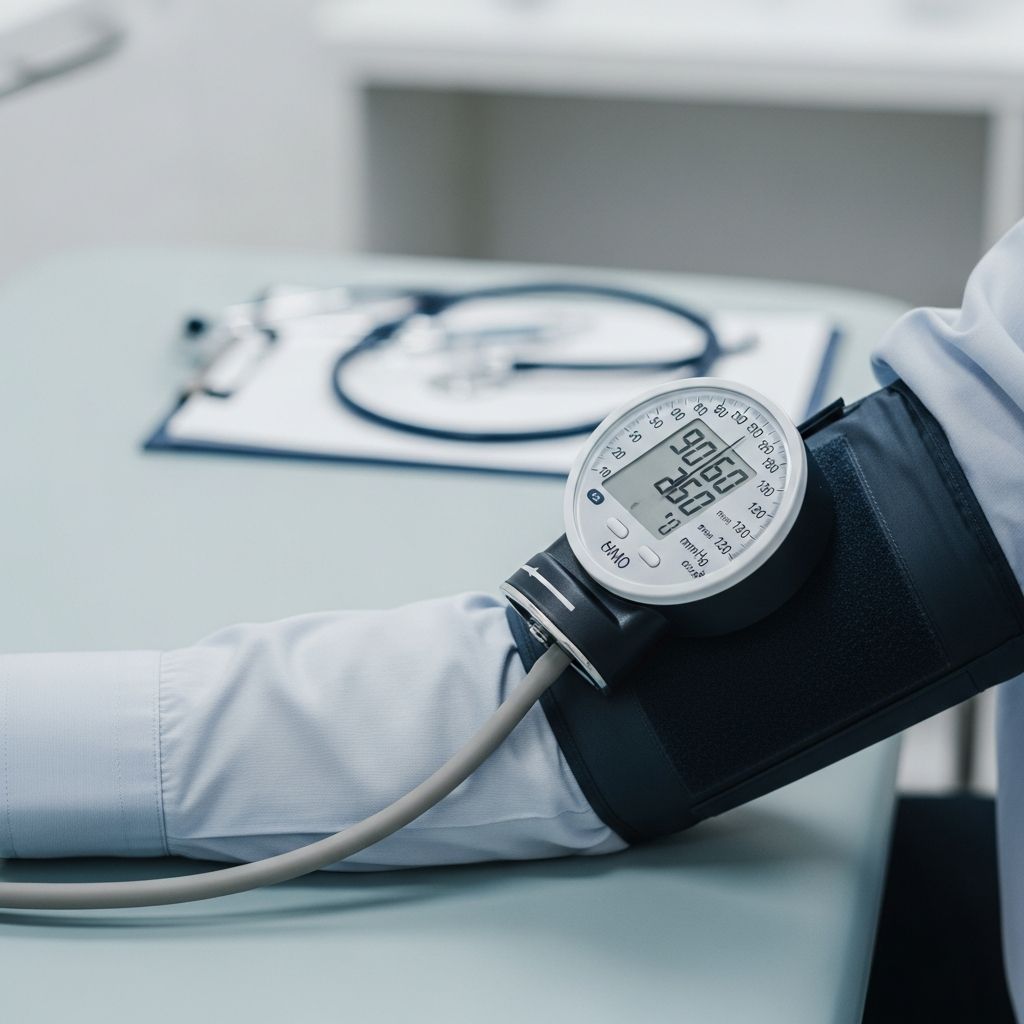
, occurs when blood pressure readings fall below the normal range, typically under 90/60 mm Hg. This condition means the heart, brain, and other organs may not receive adequate blood flow, potentially leading to symptoms like dizziness or fainting. While some individuals experience chronically low blood pressure without issues, sudden drops can signal serious underlying problems.Hypotension affects people differently; a drop as small as 20 mm Hg can cause symptoms in sensitive individuals. Prevalence increases with age, impacting over 30% of those over 70 with orthostatic forms. Understanding hypotension is crucial for prevention and timely intervention.
What Is Low Blood Pressure?
**Low blood pressure** is defined as a reading below
90/60 mm Hg
, contrasting with normal ranges of 90/60 to 120/80 mm Hg. Blood pressure measures the force of blood against artery walls during heartbeats (systolic) and rest periods (diastolic). Hypotension can be asymptomatic or symptomatic, depending on its cause and rapidity of onset.There are several types of hypotension:
- Orthostatic hypotension: A sudden drop upon standing from lying or sitting, lasting seconds to minutes. Common in older adults, those with high blood pressure, or Parkinson’s disease.
- Postprandial orthostatic hypotension: Occurs after eating, particularly affecting seniors.
- Neurally mediated hypotension: Triggered by standing too long, often causing fainting.
- Severe hypotension (shock): Life-threatening drop from blood loss, infection, heart attack, or anaphylaxis.
Hypotension becomes problematic when the body cannot compensate by increasing heart rate or constricting vessels, starving tissues of oxygen.
Symptoms of Low Blood Pressure
Symptoms arise when organs lack sufficient oxygenated blood. Many with low readings are asymptomatic, but when present, they include:
- **Dizziness or lightheadedness**
- **Fainting (syncope)**
- **Blurry or altered vision**
- **Confusion**
- **Nausea or vomiting**
- **Fatigue or weakness**
- **Sleepiness**
- **Headache, neck/back pain, or rapid heartbeat**
Symptoms vary by cause and speed; gradual drops in healthy people may go unnoticed, while rapid ones pose immediate risks. In older adults, these can lead to falls and injuries like hip fractures.
Causes and Risk Factors
Hypotension stems from diverse factors disrupting blood flow regulation:
- Dehydration: From insufficient fluids, vomiting, diarrhea, or diuretics.
- Heart conditions: Arrhythmias, heart failure, heart attack.
- Endocrine issues: Thyroid problems, adrenal insufficiency, low blood sugar.
- Severe infection or allergic reactions (anaphylaxis)**
- Blood loss: From injury or internal bleeding.
- Nerve damage: Diabetes-related neuropathy.
- Medications: For hypertension, heart failure, or Parkinson’s.
- Pregnancy: Common in first 24 weeks due to vascular changes.
- Alcohol effects or exhaustion**
Risk factors include age (over 65), certain diseases (Parkinson’s, diabetes), and prolonged bed rest.
Diagnosis of Low Blood Pressure
Healthcare providers diagnose hypotension via:
- Blood pressure measurements in different positions (lying, sitting, standing).
- Blood tests for anemia, infection, or electrolyte imbalances.
- Electrocardiogram (ECG) for heart rhythm issues.
- Tilt-table test for orthostatic hypotension.
- Echocardiogram or stress tests for heart function.
Providers observe signs during exams and review medical history, medications, and symptoms.
Treatment for Low Blood Pressure
Treatment targets the underlying cause; asymptomatic cases often need no intervention.
Immediate Response
If symptomatic, lie down and elevate legs above heart level until symptoms subside.
Related Stories



Addressing Causes
- IV fluids for dehydration or blood loss.
- Medication adjustments or changes.
- Antibiotics for infections.
- Surgery for heart issues or bleeding.
Lifestyle and Supportive Measures
- Increase salt and fluid intake (if approved).
- Wear compression stockings.
- Rise slowly from sitting/lying.
- Elevate bed head 4 inches.
- Small, frequent meals to prevent postprandial drops.
- Avoid triggers like hot environments or alcohol.
Severe cases may require hospitalization.
Complications of Untreated Low Blood Pressure
Unchecked hypotension risks:
- Falls and injuries: Especially in elderly, leading to fractures.
- Organ damage: Heart, brain, kidneys from oxygen deprivation.
- Shock: Potentially fatal without prompt care.
Chronic symptomatic hypotension disrupts daily activities like driving or self-care.
Prevention Tips
Preventive strategies include:
- Staying hydrated.
- Eating small, low-carb meals.
- Avoiding sudden position changes.
- Limiting alcohol.
- Monitoring medications.
- Regular exercise to improve circulation.
Those at risk should track blood pressure at home.
When to See a Doctor
Seek immediate care if experiencing:
- Frequent dizziness/fainting.
- Chest pain, shortness of breath, or confusion.
- Symptoms after injury, meals, or medications.
Routine checks recommended for high-risk groups.
Frequently Asked Questions (FAQs)
Is low blood pressure dangerous?
Asymptomatic low blood pressure is usually harmless, but symptomatic cases can lead to falls or organ damage if untreated.
Can dehydration cause low blood pressure?
Yes, dehydration reduces blood volume, lowering pressure. Rehydrate promptly.
How is orthostatic hypotension diagnosed?
Via blood pressure checks when changing positions or tilt-table testing.
Does low blood pressure improve with age?
It may persist lifelong if due to aging but can be managed; consult a provider.
Are there medications for low blood pressure?
Treatments focus on causes; drugs like fludrocortisone may be used for chronic cases.
References
- Low blood pressure: MedlinePlus Medical Encyclopedia — MedlinePlus, U.S. National Library of Medicine. 2023. https://medlineplus.gov/ency/article/007278.htm
- Low Blood Pressure (Hypotension): Causes & Symptoms — Cleveland Clinic. 2023-10-20. https://my.clevelandclinic.org/health/diseases/21156-low-blood-pressure-hypotension
- Low blood pressure can have negative impact on health — UCLA Health. 2023. https://www.uclahealth.org/news/article/low-blood-pressure-can-have-negative-impact-health
- Low Blood Pressure — NHLBI, NIH. 2022-03-24. https://www.nhlbi.nih.gov/health/low-blood-pressure
Similar Articles








Read full bio of Sneha Tete