Low Blood Pressure Symptoms: Causes and Treatment
Understanding hypotension: Recognize symptoms, identify causes, and learn management strategies for low blood pressure.
What is Low Blood Pressure?
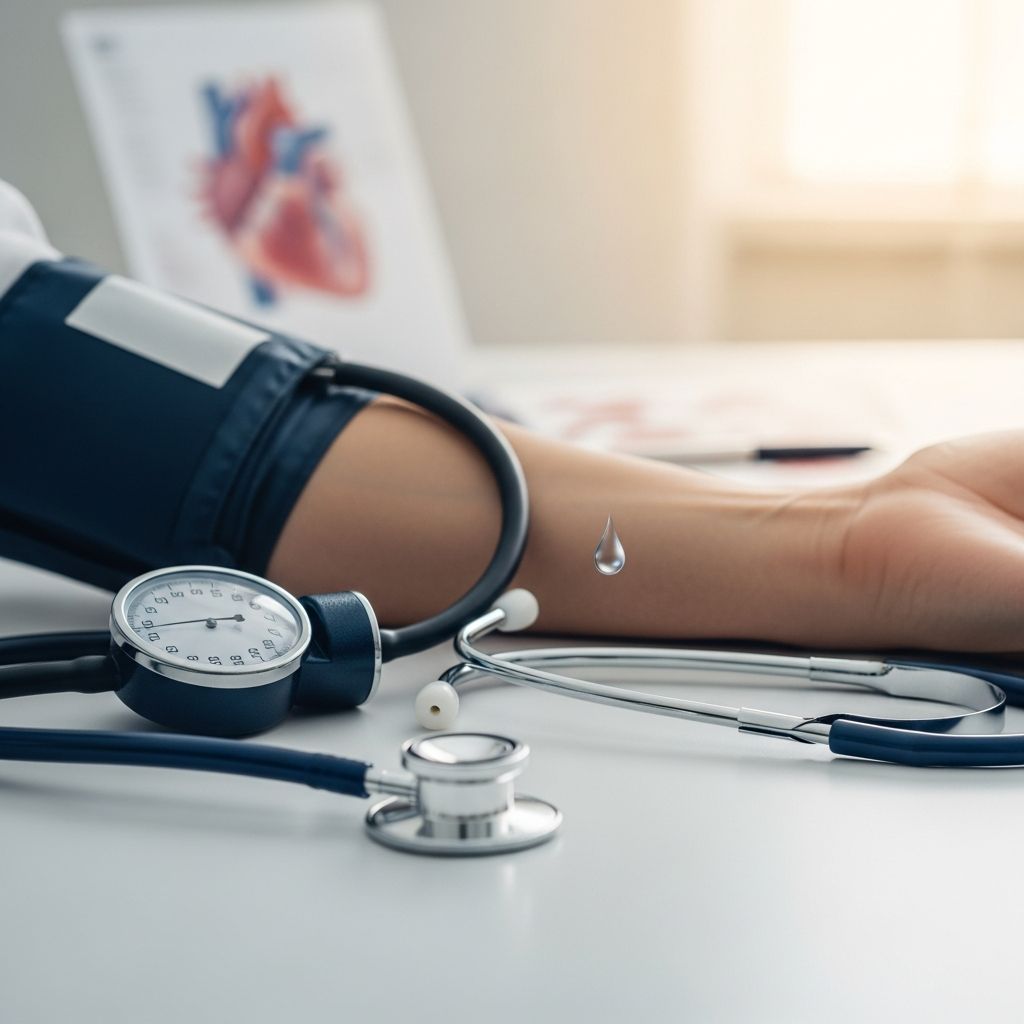
Low blood pressure, medically known as hypotension, is a condition in which the force of blood pushing against artery walls is too low to maintain adequate circulation. Blood pressure is measured in millimeters of mercury (mm Hg), with readings expressed as two numbers: systolic pressure (the force when the heart beats) over diastolic pressure (the force when the heart rests between beats). A reading below 90/60 mm Hg is generally considered low blood pressure.
However, what constitutes low blood pressure varies from person to person. Some individuals naturally have lower blood pressure readings without experiencing any symptoms or health problems. For others, even a modest drop in blood pressure can trigger noticeable symptoms. The significance of low blood pressure depends on how suddenly it occurs, what causes it, and whether it impairs the body’s ability to deliver oxygen and nutrients to vital organs.
Common Symptoms of Low Blood Pressure
Not everyone with low blood pressure experiences symptoms. In fact, many people discover they have hypotension only when their blood pressure is measured during a medical appointment. However, when symptoms do occur, they can range from mild to severe. Understanding these symptoms is crucial for recognizing when you need medical attention.
The most common symptoms of low blood pressure include:
- Dizziness or lightheadedness — A sensation of unsteadiness or feeling faint
- Blurred or fading vision — Difficulty focusing or temporary vision changes
- Fainting (syncope) — A sudden loss of consciousness, often preceded by dizziness
- Fatigue — Persistent tiredness or lack of energy
- Trouble concentrating — Difficulty focusing mentally or memory problems
- Upset stomach or nausea — Queasiness or digestive discomfort
- Confusion — Mental fog or disorientation, particularly in older adults
- Weakness — General lack of physical strength
- Headache — Pain or pressure in the head
A sudden drop in blood pressure can be particularly dangerous. Research shows that even a change of 20 mm Hg—for example, a drop from 110 mm Hg to 90 mm Hg—can produce noticeable dizziness or fainting symptoms. Larger drops can be life-threatening and require immediate medical intervention.
Severe Low Blood Pressure and Shock
In extreme cases, very low blood pressure can lead to a life-threatening condition called shock, which occurs when tissues don’t receive enough oxygen. Symptoms of shock are distinct and require immediate emergency medical care, including:
- Confusion or disorientation, especially in older individuals
- Cold, clammy skin
- Pale or bluish skin tone (pallor)
- Rapid, shallow breathing
- Weak and rapid pulse
If you or someone else exhibits these signs, call emergency services (911 in the United States) immediately.
Primary Causes of Low Blood Pressure
Dehydration
Dehydration is one of the most common causes of low blood pressure. When the body lacks sufficient water, blood volume decreases, which reduces the pressure exerted on artery walls. Dehydration can result from fever, vomiting, severe diarrhea, overuse of diuretic medications, or strenuous exercise without adequate fluid replacement.
Heart and Cardiovascular Conditions
Various heart-related conditions can cause low blood pressure, including heart attack, heart failure, heart valve disease, and bradycardia (an abnormally slow heart rate). These conditions reduce the heart’s ability to pump blood effectively throughout the body, resulting in lower blood pressure readings.
Related Stories



Blood Loss
Significant blood loss reduces the total volume of blood circulating through the body, leading to a severe drop in blood pressure. This can result from serious injuries, internal bleeding, or surgical complications and requires urgent medical attention.
Infections
Severe infections, particularly those that enter the bloodstream, can cause a dangerous drop in blood pressure known as septic shock. When infection-causing germs spread throughout the blood (a condition called septicemia), the immune system’s inflammatory response can cause blood vessels to dilate excessively, reducing blood pressure dangerously.
Nutritional Deficiencies
Insufficient levels of vitamin B-12, folate, and iron can impair the body’s ability to produce adequate red blood cells. The resulting condition, called anemia, reduces the blood’s oxygen-carrying capacity and can lead to low blood pressure.
Hormonal and Endocrine Disorders
Hormone-related diseases such as Addison’s disease affect glands responsible for producing key hormones and can cause blood pressure to drop. Additionally, low blood sugar (hypoglycemia) and diabetes may lower blood pressure.
Severe Allergic Reactions
Anaphylaxis, a severe allergic reaction, can cause a sudden and dramatic drop in blood pressure. This is a medical emergency requiring immediate treatment with epinephrine and emergency care.
Pregnancy
During pregnancy, blood vessels expand rapidly to accommodate increased blood volume demands. This expansion frequently causes blood pressure to drop, particularly during the first 24 weeks of pregnancy. Most women’s blood pressure returns to pre-pregnancy levels after delivery.
Positional Changes and Orthostatic Hypotension
Orthostatic hypotension refers to a temporary drop in blood pressure that occurs when changing positions, such as moving from lying down to sitting or standing. This happens because blood pools in the lower body temporarily before the cardiovascular system adjusts. Dizziness is a common symptom associated with this type of blood pressure change.
Neurally mediated hypotension is a related condition that occurs after standing for extended periods, particularly affecting young adults and children. This type may result from communication difficulties between the heart and brain.
Other Contributing Factors
Several additional factors can trigger or contribute to low blood pressure symptoms:
- Fear, pain, and anxiety — These emotional and physical stressors stimulate the autonomic nervous system and can cause temporary blood pressure and pulse decreases
- Certain medications — Drugs used to treat heart failure, hypertension, and other conditions may lower blood pressure as a side effect
- Alcohol consumption — Alcohol can affect heart rhythms and blood vessel function
- Exhaustion or overexertion — Physical fatigue can contribute to hypotension
- Nerve damage from diabetes — Diabetic neuropathy can impair the nervous system’s ability to regulate blood pressure
Health Complications of Low Blood Pressure
While many cases of low blood pressure cause no harm, sustained or severe hypotension can lead to serious complications:
- Falls and injuries — Fainting and dizziness increase the risk of falls, particularly dangerous for older adults who may suffer fractures or head injuries
- Reduced oxygen to vital organs — Severely low blood pressure can lower the body’s oxygen levels, potentially causing heart and brain damage
- Weakness and fatigue — Chronic low blood pressure may result in persistent tiredness
- Cognitive impairment — Reduced oxygen to the brain can affect concentration and mental clarity
Management and Treatment Options
Treatment for low blood pressure depends on its underlying cause and severity. Potential management strategies include:
- Medication adjustments — Changing or discontinuing medications that lower blood pressure
- Increased hydration — Drinking more fluids to increase blood volume
- Dietary changes — Consuming adequate sodium and nutrients to support healthy blood pressure
- Compression stockings — Special garments that help maintain blood in the upper body and prevent pooling in the legs
- Cardiac treatment — Addressing underlying heart conditions that cause low blood pressure
- Position changes — Rising slowly from sitting or lying positions to allow the cardiovascular system to adjust
When to Seek Medical Attention
Medical evaluation is important if you experience fainting episodes, as this symptom indicates a significant drop in blood pressure. This is especially critical for older adults, who face greater risks of serious injury from falls. Additionally, seek prompt medical attention if you have:
- Persistent dizziness or fainting
- Chest pain or difficulty breathing
- Signs of shock (confusion, cold skin, rapid weak pulse)
- Symptoms occurring with new medications
- Unexplained fatigue or weakness
Frequently Asked Questions
Q: Is low blood pressure always a cause for concern?
A: Not necessarily. Many people have naturally low blood pressure with no symptoms and require no treatment. Low blood pressure becomes concerning when it causes symptoms or indicates an underlying health condition. If you have low blood pressure but no symptoms, it typically isn’t harmful and shouldn’t impact your daily life.
Q: Can low blood pressure be prevented?
A: Many cases of low blood pressure can be managed by addressing underlying causes such as dehydration, nutritional deficiencies, or medication side effects. Staying hydrated, rising slowly from lying or sitting positions, and managing stress can help prevent orthostatic hypotension.
Q: How does the body normally regulate blood pressure?
A: Your body has automatic mechanisms to control blood pressure. When blood pressure starts to drop, the body attempts to compensate by speeding up the heart rate or constricting blood vessels to make them narrower. Symptoms occur when the body cannot sufficiently offset the drop.
Q: Why might someone not know they have low blood pressure?
A: Many people with low blood pressure experience no symptoms at all. They may not discover they have hypotension unless their blood pressure is measured during a medical examination.
Q: How quickly should blood pressure changes occur to cause symptoms?
A: The rate of change matters significantly. Slow, gradual decreases in blood pressure are common as people age and typically don’t cause noticeable symptoms. Fast decreases, however, can mean certain body parts aren’t receiving adequate blood flow, producing unpleasant or dangerous symptoms.
References
- Low blood pressure (hypotension) — Symptoms and causes — Mayo Clinic. June 13, 2024. https://www.mayoclinic.org/diseases-conditions/low-blood-pressure/symptoms-causes/syc-20355465
- Hypertension and Hypotension (High and Low Blood Pressure) — Advocate Health. https://adscresources.advocatehealth.com/resources/hypertension-and-hypotension/
- Low blood pressure can have negative impact on health — UCLA Health. https://www.uclahealth.org/news/article/low-blood-pressure-can-have-negative-impact-health
- Low Blood Pressure (Hypotension): Causes & Symptoms — Cleveland Clinic. https://my.clevelandclinic.org/health/diseases/21156-low-blood-pressure-hypotension
- Low Blood Pressure — NHLBI, NIH. https://www.nhlbi.nih.gov/health/low-blood-pressure
Similar Articles








Read full bio of medha deb