Low Blood Sugar Without Diabetes: Causes & Management
Understanding hypoglycemia in non-diabetic individuals: causes, symptoms, and treatment strategies.
Understanding Low Blood Sugar Without Diabetes
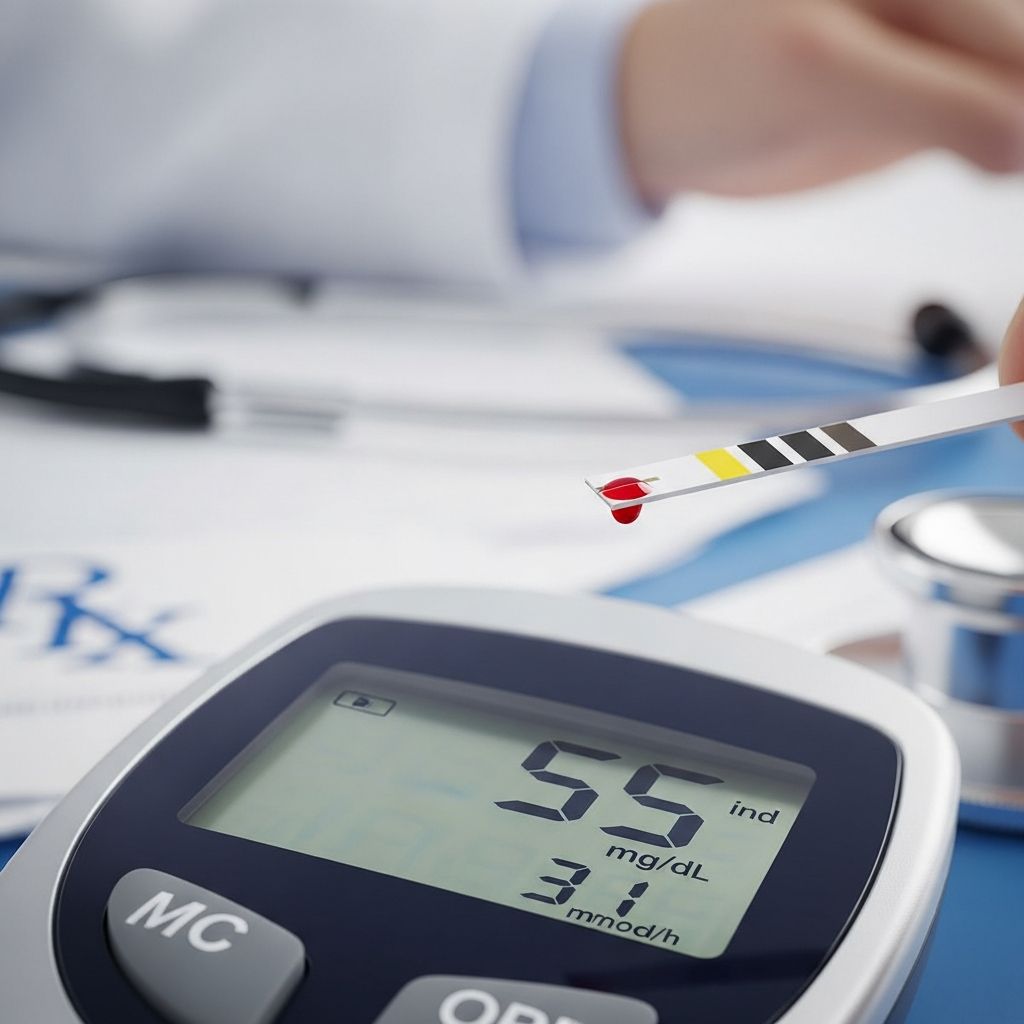
Low blood glucose, or hypoglycemia, occurs when blood sugar levels drop below 70 mg/dL, and while commonly associated with diabetes, this condition can affect people without diabetes as well. Non-diabetic hypoglycemia is a rare condition characterized by abnormally low blood glucose in individuals who do not have diabetes. Understanding the causes, symptoms, and management strategies is essential for those experiencing unexplained episodes of low blood sugar.
What Is Non-Diabetic Hypoglycemia?
Non-diabetic hypoglycemia refers to low blood glucose levels in people who have not been diagnosed with diabetes. Glucose is the main source of energy for your body and brain, coming from the foods and beverages you consume. Insulin, a hormone produced by the pancreas, plays a crucial role in regulating blood glucose levels and helping glucose enter your cells for energy production. When blood glucose levels drop too low, you may experience various uncomfortable symptoms and potential health complications.
There are two primary types of non-diabetic hypoglycemia, each with distinct causes and characteristics. Understanding which type you may be experiencing is important for proper management and treatment.
Types of Non-Diabetic Hypoglycemia
Reactive Hypoglycemia
Reactive hypoglycemia occurs when your body releases more insulin than needed after a meal, resulting in excessive lowering of your blood sugar. This type develops in response to food consumption, typically occurring within 2-4 hours after eating. Researchers are still studying the underlying mechanisms of reactive hypoglycemia, as it is not fully understood why some individuals without diabetes experience this condition.
Fasting Hypoglycemia
Fasting hypoglycemia develops when your body is unable to maintain adequate glucose levels during extended periods without food. This can occur when your body attempts to maintain homeostasis or when you deplete your glycogen stores. Unlike reactive hypoglycemia, fasting hypoglycemia is triggered by the absence of food rather than the body’s response to eating.
Common Causes of Low Blood Sugar Without Diabetes
Insufficient Carbohydrate Intake
Not eating or drinking enough carbohydrates is one of the primary causes of low blood sugar. When you consume foods or beverages containing carbohydrates, your digestive system breaks down sugars and starches into glucose, which enters your bloodstream and raises blood glucose levels. Skipping meals or delaying meals can result in blood sugar levels dropping below healthy ranges. This is particularly problematic when combined with physical activity or medication use.
Medication Side Effects
Certain medications can cause low blood sugar, even in individuals without diabetes. Examples include insulin or metformin when used with sulfonylureas, which may result in low blood sugar when insufficient carbohydrates were consumed at meals or meals were skipped or delayed. If you take any medications and experience symptoms of low blood sugar, consult with your healthcare provider about potential medication adjustments or dietary modifications.
Alcohol Consumption
Drinking too much alcohol without sufficient food can lead to low blood sugar. Alcohol impairs your body’s ability to maintain stable blood glucose levels, particularly when you haven’t eaten recently. Additionally, alcohol can mask the early warning symptoms of low blood sugar, potentially leading to more severe complications.
Related Stories



Intense Physical Activity
Intense exercise can cause low blood sugar in some individuals. Physical activity increases glucose utilization by your muscles, potentially lowering blood glucose levels during exercise and for hours afterward. This effect can be particularly pronounced when exercise is performed without adequate carbohydrate intake or preparation.
Fasting and Medical Procedures
Fasting for medical procedures or other purposes can trigger low blood sugar episodes. When your body runs out of glycogen stores and you’re not consuming food, blood glucose levels may decline significantly. This risk is especially elevated if you continue taking medications that lower glucose during fasting periods.
Pregnancy and Hormonal Changes
Pregnancy and certain hormonal conditions can affect blood glucose regulation. Pregnant individuals experience significant metabolic changes that can influence insulin sensitivity and glucose metabolism, potentially leading to low blood sugar episodes.
Rare Medical Conditions
Certain rare cancers and hormonal disorders can cause low blood sugar in non-diabetic individuals. These conditions may affect the body’s ability to regulate glucose production or increase glucose consumption inappropriately.
Recognizing Low Blood Sugar Symptoms
It’s easy to miss the signs of low blood sugar because symptoms are often nonspecific, and people may not recognize them as related to blood glucose levels. Being aware of common symptoms helps you identify and address low blood sugar quickly.
Common Symptoms Include:
- Faster Heart Rate: A faster heart rate is caused by the release of epinephrine (adrenaline) when blood sugar is low.
- Hunger: As blood sugar drops, your body produces hormones such as ghrelin to stimulate hunger so that you eat to maintain blood sugar levels.
- Craving Sugar: If blood sugars are low, your body sends a signal that it needs a fast form of energy, typically manifesting as sugar cravings.
- Irritability: Low blood glucose can affect your mood and emotional regulation, causing irritability and mood changes.
- Anxiety: Adrenaline release during hypoglycemia can trigger feelings of anxiety and unease.
- Confusion: Severe low blood sugar can impair cognitive function, leading to confusion or difficulty concentrating.
- Fatigue: Low blood sugar deprives your brain and body of necessary energy, resulting in tiredness and lack of energy.
- Palpitations: You may feel an irregular or unusually rapid heartbeat.
Management and Treatment Strategies
Immediate Treatment for Low Blood Sugar
If you experience symptoms of low blood sugar, take immediate action by consuming fast-acting carbohydrates. Eat or drink 15 to 20 grams of glucose or carbohydrates right away. Examples include four glucose tablets, one tube of glucose gel, or 1/2 cup of fruit juice (not low-calorie).
Wait 15 minutes and check your blood glucose level again. If your glucose level is still low, consume another 15 to 20 grams of glucose or carbohydrates. Repeat this 15-minute cycle until your glucose level returns to your target range.
Long-Term Prevention Strategies
Make sure your regular eating plan includes meals, snacks, and beverages with enough carbohydrates to help keep your blood glucose level in your target range. Carry a source of fast-acting carbohydrate with you at all times. If you consume alcoholic beverages, eat some food at the same time to minimize blood sugar fluctuations.
Be safe during exercise or physical activity by checking your blood glucose before, during, and after activity and adjusting your carbohydrate intake to prevent low blood glucose. You might eat a snack before physical activity to prevent low blood sugar episodes.
Work with your healthcare provider or health care team to develop a personalized management plan. Ask about dietary modifications, activity adjustments, and any foods or habits that might be contributing to your low blood sugar episodes.
Dietary Recommendations
Include healthy carbohydrates in your diet like vegetables, fruits, and dairy to provide fuel to your body. Balanced nutrition helps maintain stable blood glucose levels throughout the day. Avoid skipping meals and maintain consistent eating patterns to support glucose regulation.
When to Seek Medical Attention
If your symptoms do not improve with dietary changes, consult with your physician to help assess hypoglycemia. Your healthcare provider may recommend advanced blood testing, a professional continuous glucose monitor, or nutrition counseling. Persistent or severe episodes of low blood sugar warrant professional evaluation to rule out underlying medical conditions requiring specific treatment.
Frequently Asked Questions
Q: Can people without diabetes experience low blood sugar?
A: Yes, non-diabetic hypoglycemia is a rare condition affecting people without diabetes. It occurs when blood glucose levels drop below 70 mg/dL due to various factors including reactive hypoglycemia, medication effects, fasting, intense exercise, or underlying medical conditions.
Q: What is reactive hypoglycemia?
A: Reactive hypoglycemia occurs when your body releases more insulin than needed after eating, causing blood sugar to drop too much. It typically develops within 2-4 hours after a meal and is not fully understood by researchers.
Q: How much carbohydrate should I consume to treat low blood sugar?
A: Consume 15 to 20 grams of fast-acting carbohydrates such as glucose tablets, fruit juice, or sugar. Wait 15 minutes, then check your blood glucose again. Repeat if necessary until levels return to normal.
Q: Can alcohol cause low blood sugar?
A: Yes, alcohol impairs your body’s ability to maintain stable blood glucose levels, especially when you haven’t eaten recently. Always consume food when drinking alcoholic beverages.
Q: What should I carry with me if I experience low blood sugar episodes?
A: Carry a source of fast-acting carbohydrate such as glucose tablets, glucose gel, or juice boxes. This ensures you can quickly treat low blood sugar episodes wherever you are.
Q: How does intense exercise affect blood sugar levels?
A: Intense exercise increases glucose utilization by muscles, potentially lowering blood sugar during activity and for hours afterward. Eating a snack before exercise can help prevent low blood sugar episodes.
Key Takeaways
- Non-diabetic hypoglycemia is a rare condition affecting people without diabetes when blood glucose drops below 70 mg/dL.
- Two types exist: reactive hypoglycemia (occurring after meals) and fasting hypoglycemia (occurring without food).
- Common causes include insufficient carbohydrate intake, medication effects, alcohol consumption, intense exercise, fasting, and certain medical conditions.
- Symptoms are often nonspecific and easily missed, including increased heart rate, hunger, irritability, anxiety, confusion, fatigue, and palpitations.
- Immediate treatment involves consuming 15-20 grams of fast-acting carbohydrates and rechecking blood glucose after 15 minutes.
- Prevention focuses on maintaining regular eating patterns, balancing carbohydrate intake, managing physical activity appropriately, and avoiding excessive alcohol without food.
- If symptoms persist despite dietary changes, consult a healthcare provider for advanced testing and personalized management strategies.
References
- Low Blood Glucose (Hypoglycemia) — National Institute of Diabetes and Digestive and Kidney Diseases (NIDDK). 2024. https://www.niddk.nih.gov/health-information/diabetes/overview/preventing-problems/low-blood-glucose-hypoglycemia
- 7 Signs You Have Low Blood Sugar and Don’t Know It — RET Physical Therapy Group. 2025. https://retptgroup.com/blog/7-signs-you-have-low-blood-sugar-and-dont-know-it/
- Non-diabetic Hypoglycemia — Oxford Academic / Journal of Clinical Endocrinology & Metabolism. 2014. https://academic.oup.com/jcem/article/98/10/39A/2833323
Similar Articles








Read full bio of Sneha Tete