Low-Calorie Sauces: 4 Flavorful Recipes For Healthy Cooking
Discover delicious low-calorie sauce recipes to enhance your meals without the guilt. Perfect for weight management and flavorful cooking.
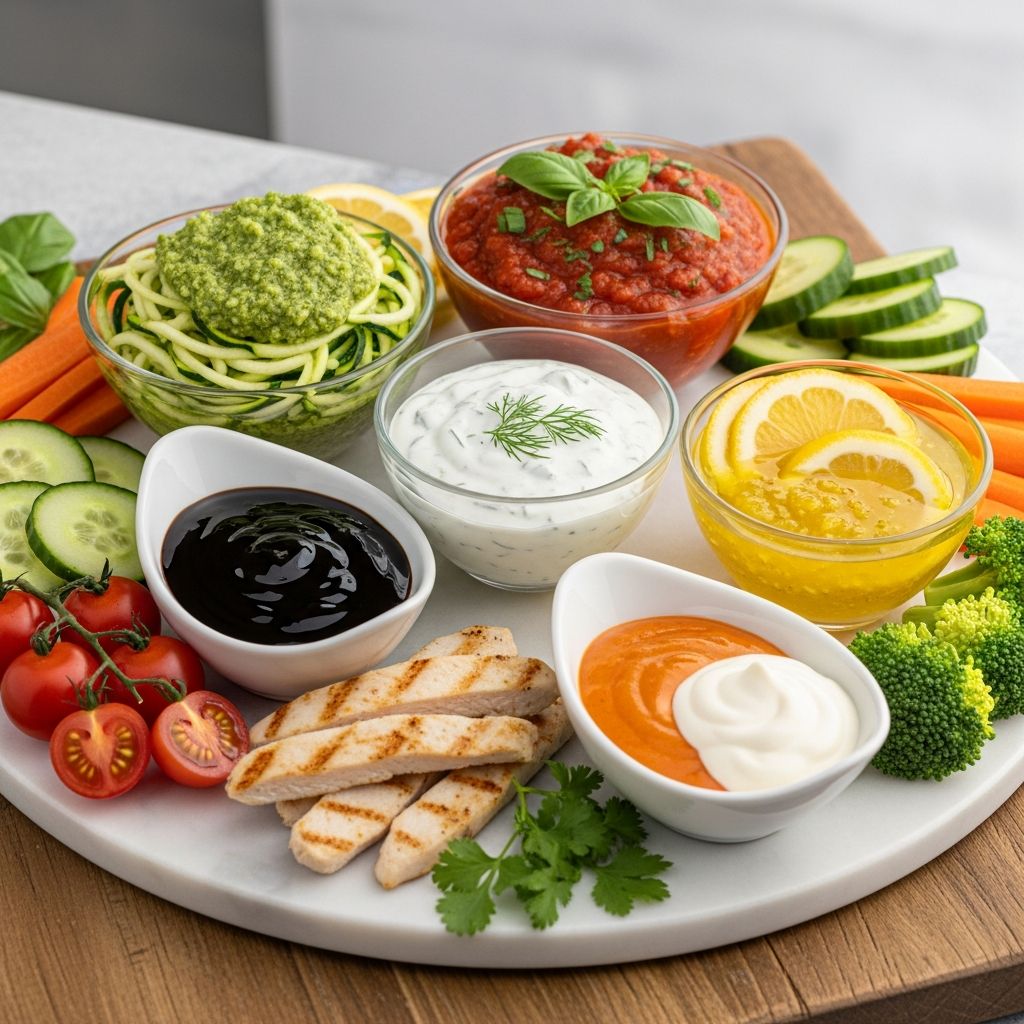
Looking to add flavor to your meals without packing on the pounds? Low-calorie sauces are the perfect solution. These recipes use fresh ingredients, herbs, spices, and smart substitutions to create rich, satisfying flavors while keeping calorie counts low. Whether you’re drizzling them over grilled chicken, vegetables, fish, or salads, these sauces will transform ordinary dishes into culinary delights. In this comprehensive guide, we’ll explore a variety of low-calorie sauce recipes, their nutritional benefits, preparation tips, and creative ways to use them in your daily cooking. All recipes are designed for ease, requiring minimal ingredients and time, making them ideal for busy weeknights or meal prepping.
Why Choose Low-Calorie Sauces?
Sauces are often the hidden calorie bombs in otherwise healthy meals. Traditional creamy sauces loaded with butter, cream, and cheese can add hundreds of calories per serving. By opting for low-calorie alternatives, you can enjoy bold flavors without derailing your nutrition goals. According to the USDA Dietary Guidelines for Americans 2020-2025, sauces and condiments contribute significantly to added sugars, sodium, and fats in the American diet.1 Low-calorie versions help mitigate these issues by emphasizing vegetables, vinegars, citrus, and herbs.
Benefits include:
- Weight Management: Reduce overall calorie intake while maintaining meal satisfaction.
- Nutrient Density: Incorporate more vegetables, antioxidants, and fiber.
- Versatility: Use on proteins, grains, salads, and more.
- Heart Health: Lower saturated fats and sodium compared to store-bought options.
- Cost-Effective: Made from pantry staples and seasonal produce.
Harvard T.H. Chan School of Public Health research shows that small changes like swapping high-calorie sauces can lead to sustainable weight loss without feeling deprived.2
Classic Herb Vinaigrette
This versatile vinaigrette is a staple in any healthy kitchen. At just 25 calories per tablespoon, it’s lighter than most store-bought dressings and bursting with fresh herb flavor.
Ingredients (Makes 1 cup)
- ¼ cup red-wine vinegar
- 3 tablespoons extra-virgin olive oil
- ⅓ cup chopped fresh herbs (basil, parsley, chives)
- 2 teaspoons Dijon mustard
- 1 clove garlic, minced
- ¼ teaspoon salt
- Freshly ground pepper to taste
Instructions
- Combine vinegar, oil, herbs, mustard, garlic, salt, and pepper in a blender or food processor.
- Puree until smooth, about 30 seconds.
- Store in an airtight container in the refrigerator for up to 1 week.
Nutrition per tablespoon: 25 calories; 3g fat (0g sat); 0g carb; 0g protein; 1g fiber; 72mg sodium.
Lemon-Dill Sauce
Perfect for fish, seafood, or steamed vegetables, this creamy sauce uses Greek yogurt as a base for only 15 calories per serving. The bright lemon and fresh dill make it refreshing and zesty.
Ingredients (Makes ½ cup)
- ½ cup nonfat plain Greek yogurt
- ¼ cup chopped fresh dill
- 1 tablespoon lemon juice
- 1 teaspoon lemon zest
- 1 clove garlic, minced
- ¼ teaspoon salt
- ⅛ teaspoon ground pepper
Instructions
- Whisk together yogurt, dill, lemon juice, zest, garlic, salt, and pepper in a small bowl.
- Let stand for 10 minutes to allow flavors to meld.
- Use immediately or refrigerate for up to 3 days.
Nutrition per tablespoon: 15 calories; 0g fat; 1g carb; 2g protein; 0g fiber; 85mg sodium.
Related Stories



Spicy Sriracha Mayo
A lighter take on the popular condiment, this version uses reduced-fat mayo and Greek yogurt for 30 calories per tablespoon. Great for sandwiches, wraps, or as a dipping sauce.
Ingredients (Makes ¾ cup)
- ¼ cup reduced-fat mayonnaise
- ¼ cup nonfat plain Greek yogurt
- 2 tablespoons Sriracha
- 1 tablespoon rice vinegar
- 1 teaspoon reduced-sodium soy sauce
Instructions
- Combine mayonnaise, yogurt, Sriracha, vinegar, and soy sauce in a bowl.
- Whisk until smooth. Taste and adjust spice level.
- Chill for 30 minutes before serving. Keeps for 1 week refrigerated.
Nutrition per tablespoon: 30 calories; 2g fat (0g sat); 2g carb; 1g protein; 0g fiber; 180mg sodium.
Roasted Red Pepper Sauce
Smoky, sweet, and vibrant, this sauce clocks in at 20 calories per serving. Blend roasted peppers with garlic and balsamic for a sophisticated topping for grilled meats or pasta.
Ingredients (Makes 1 cup)
- 1 cup jarred roasted red peppers, rinsed
- ¼ cup low-sodium vegetable broth
- 2 tablespoons balsamic vinegar
- 1 clove garlic
- ¼ teaspoon smoked paprika
- Salt and pepper to taste
Instructions
- Combine all ingredients in a blender.
- Puree until smooth, adding more broth if needed.
- Heat gently before serving. Stores for 5 days in fridge.
Easy Ways to Use Low-Calorie Sauces
| Sauce | Best Pairings | Serving Ideas |
|---|---|---|
| Herb Vinaigrette | Salads, grilled veggies | Drizzle over mixed greens or quinoa bowls |
| Lemon-Dill | Fish, chicken | Spoon over poached salmon or roasted asparagus |
| Sriracha Mayo | Sandwiches, shrimp | Spread on turkey wraps or use as sushi dip |
| Roasted Red Pepper | Steak, pasta | Toss with whole-wheat penne or grilled pork |
Customization Tips for Flavor and Diet Needs
Adapt these sauces to your preferences:
- Vegan: Swap yogurt for silken tofu or cashew cream.
- Low-Sodium: Use fresh herbs instead of salt; choose no-salt-added broths.
- Spice Lovers: Add chili flakes, fresh jalapeños, or harissa.
- Citrus Boost: Incorporate lime, orange, or grapefruit for brightness.
- Thickening: Puree white beans or cauliflower for creaminess without calories.
The CDC recommends limiting sodium to 2,300mg daily, and these sauces help you stay under that threshold while maximizing taste.3
Storage and Make-Ahead Strategies
Most sauces last 5-7 days refrigerated. Freeze in ice cube trays for portion control—each cube equals 1-2 tablespoons. Thaw overnight or microwave briefly. Always taste before serving as flavors intensify over time.
Health Benefits Backed by Science
Olive oil in vinaigrettes provides heart-healthy monounsaturated fats (American Heart Association).4 Greek yogurt delivers 15g protein per 100 calories. Herbs offer anti-inflammatory compounds, per NIH studies.5
Frequently Asked Questions (FAQs)
Can I freeze these low-calorie sauces?
Yes! Most freeze well for 2-3 months. Vinaigrettes may separate; shake to recombine.
Are these sauces gluten-free?
All base recipes are naturally gluten-free. Check labels on mustard, soy sauce, and broth.
How do I make them thicker or thinner?
Thicken with pureed veggies or xanthan gum (½ tsp per cup). Thin with water, vinegar, or broth.
What’s the best oil for vinaigrettes?
Extra-virgin olive oil for flavor; avocado oil for higher smoke point and neutral taste.
Can I use these for meal prep?
Absolutely. Store separately from meals to prevent sogginess. They elevate leftovers instantly.
References
- Dietary Guidelines for Americans, 2020-2025 — U.S. Department of Agriculture and U.S. Department of Health and Human Services. 2020-12-01. https://www.dietaryguidelines.gov/sites/default/files/2020-12/Dietary_Guidelines_for_Americans_2020-2025.pdf
- The Nutrition Source: Salad Dressings — Harvard T.H. Chan School of Public Health. 2023-05-15. https://www.hsph.harvard.edu/nutritionsource/food-features/salad-dressings/
- Sodium and Salt — Centers for Disease Control and Prevention. 2024-02-28. https://www.cdc.gov/salt/index.htm
- Monounsaturated Fats — American Heart Association. 2023-11-01. https://www.heart.org/en/healthy-living/healthy-eating/eat-smart/fats/monounsaturated-fats
- Herbs and Spices in Health Promotion — National Institutes of Health. 2022-08-10. https://pubmed.ncbi.nlm.nih.gov/29249722/
Similar Articles








Read full bio of medha deb