Low-Calorie Snacks: Healthy, Delicious, and Satisfying Options
Discover tasty, low-calorie snacks that keep you full and support a healthy lifestyle.
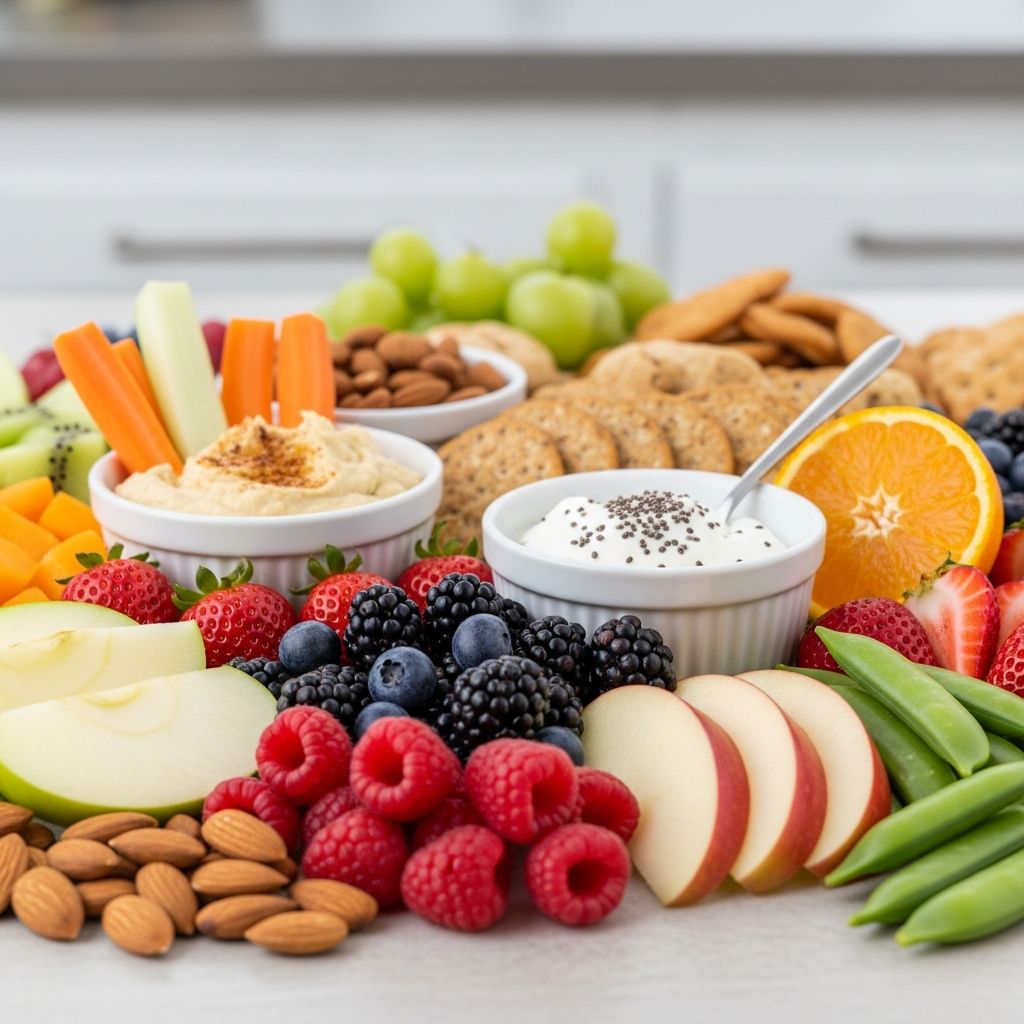
Why Choose Low-Calorie Snacks?
Snacking can be a smart way to curb hunger, maintain energy levels, and avoid overeating at meal times. However, not all snacks are created equal. Choosing low-calorie snacks that are both nutritious and satisfying can help you manage weight, improve your overall diet quality, and maintain a healthy lifestyle.
Low-calorie snacks, especially those rich in protein, fiber, or healthy fats, help to keep hunger at bay by promoting a feeling of fullness without adding too many calories to your daily total. This plays a crucial role in weight control and hunger management throughout the day.
Choosing Snacks That Satisfy Without Excess Calories
Not all low-calorie foods suppress hunger or cravings effectively. The key is selecting snacks that combine several factors:
- Protein: Promotes satiety by activating hormones that reduce appetite.
- Fiber: Adds bulk and slows digestion, helping you feel full longer.
- Healthy fats: Contribute to long-lasting energy and satisfaction.
- Volume: Foods high in water content, such as fruits and vegetables, provide volume for feeling full with fewer calories.
Protein-Rich Snacks
Protein helps regulate hunger hormones, making it easier to avoid overeating later. Some protein-rich snack ideas include:
- Hard-boiled eggs
- Low-fat Greek yogurt
- A small handful of nuts or seeds
- Cottage cheese with fresh fruit
- Edamame (steamed soybeans)
High-Fiber Snacks
Fiber slows digestion and provides bulk, which promotes fullness with relatively few calories. Healthy fiber-rich snacks include:
- Raw vegetables with hummus
- Fresh fruit such as apples, berries, or pears
- Air-popped popcorn (without butter)
- Whole grain crackers or rice cakes
- Chia seed pudding made with unsweetened plant milk
Healthy Fat Snacks
Including snacks with healthy unsaturated fats can enhance satiety and provide essential nutrients such as omega-3 fatty acids. Examples include:
- Avocado slices or guacamole with veggie sticks
- A small serving of mixed nuts
- Nut butters (almond or peanut) spread on fruit or whole grain toast
- Olives
Low-Calorie Snack Ideas That Are Both Tasty and Nourishing
Here are some snack options that are low in calories but high in nutritional value and satisfaction:
| Snack | Calories (approx.) | Key Benefits |
|---|---|---|
| Celery sticks with 2 tablespoons peanut butter | 150 kcal | Fiber, healthy fats, and protein; crunchy and filling |
| Greek yogurt (½ cup) with fresh berries | 100-120 kcal | High protein, antioxidants from berries |
| Carrot sticks with 2 tablespoons hummus | 100 kcal | Fiber and protein, plant-based nutrients |
| Apple slices with cinnamon | 80-100 kcal | Natural sweetness, fiber, vitamins |
| Air-popped popcorn (3 cups) | 90-100 kcal | Whole grain, fiber, low in fat |
| Hard-boiled egg | 70 kcal | High-quality protein, vitamin D, and choline |
The Importance of Protein for Snacking
Related Stories



Protein is a critical macronutrient for snack choices because it supports muscle repair, hormonal balance, and most importantly, satiety. Research shows that eating protein at each meal and snack promotes fullness and helps regulate appetite hormones.
Starting your day with protein-rich foods such as eggs, Greek yogurt, or oatmeal with nuts not only stabilizes your blood sugar but also reduces cravings for sugary or processed foods later in the day. For example, a breakfast including 25–35 grams of protein has been shown to reduce cravings and overall food intake.
As snacks, protein-based options can prevent the “energy crashes” typical of carbohydrate-heavy choices and keep you satisfied until your next meal.
How to Make Snacking Part of a Healthy Lifestyle
- Plan Ahead: Prepare snack portions in advance to avoid impulsive, calorie-dense choices.
- Listen to Your Body: Snack when genuinely hungry rather than out of boredom or habit.
- Mindful Eating: Focus on your snack without distractions to enhance satisfaction.
- Balance Macronutrients: Aim to combine protein, fiber, and healthy fats for optimal satiety.
- Limit Sugary and Processed Snacks: Choose whole foods over packaged snacks high in added sugars and unhealthy fats.
Frequently Asked Questions (FAQs)
Q: Are low-calorie snacks effective for weight loss?
A: Yes. Selecting snacks that are low in calories but rich in protein, fiber, and healthy fats can reduce overall calorie intake by controlling hunger and preventing overeating during meals.
Q: Can snacking too often hinder weight loss?
A: Snacking itself does not hinder weight loss if portions are controlled and snacks are nutrient-dense. The problem arises with excessive calorie intake from high-calorie, low-nutrient snacks.
Q: How can I make sure snacks keep me full longer?
A: Incorporate protein and fiber into your snacks, such as nuts, yogurt, or vegetables with hummus. Avoid snacks made primarily of refined carbs or sugars, which can cause blood sugar spikes and crashes.
Q: Are fruits good low-calorie snacks?
A: Yes. Fruits provide fiber, vitamins, and antioxidants with relatively low calories. Pairing fruit with a protein or healthy fat source helps improve satiety.
Q: What snacks are recommended for people with diabetes?
A: Snacks with low glycemic index, rich in fiber and protein, such as raw vegetables with hummus or a handful of nuts and some berries, help maintain stable blood sugar levels.
References
- Low-Calorie Snacks: Healthy, Delicious, and Satisfying Options — Harvard Health Publishing. 2022-08-01. https://www.health.harvard.edu/nutrition/low-calorie-snacks-healthy-delicious-and-satisfying-options
- Craving junk food? Harvard doc recommends a simple trick to stop it — Times of India. 2023-03-15. https://timesofindia.indiatimes.com/life-style/health-fitness/health-news/craving-junk-food-harvard-doc-recommends-a-simple-trick-to-stop-it/articleshow/125578489.cms
- New Harvard Research Reveals Top Diets for Living a Longer, Healthier Life — SciTechDaily. 2025-03-24. https://scitechdaily.com/new-harvard-research-reveals-top-diets-for-living-a-longer-healthier-life/
Similar Articles








Read full bio of medha deb