Low-Carb Foods: Nutritious Choices for a Sustainable Diet
Discover nutritious low-carb foods and sustainable dietary strategies for long-term weight management and better health.
Low-Carb Foods: Nutritious Choices for Creating a Sustainable Diet That’s Lower in Carbohydrates
In recent years, low-carbohydrate diets have gained considerable attention as a potential strategy for weight management and improved health outcomes. However, research from Harvard T.H. Chan School of Public Health reveals that not all low-carb approaches are created equal. The quality of foods consumed matters significantly more than simply reducing carbohydrate intake. Understanding which low-carb foods to prioritize and how to construct a balanced, sustainable lower-carbohydrate diet is essential for achieving long-term success without compromising nutritional needs.
Understanding Low-Carbohydrate Diets
A low-carbohydrate diet fundamentally focuses on reducing overall carbohydrate intake while emphasizing proteins and non-starchy vegetables. This dietary approach restricts numerous food categories including grains, legumes, fruits, breads, sweets, pastas, and starchy vegetables such as potatoes, peas, and corn. However, this broad restriction doesn’t mean eliminating all these foods entirely—rather, it involves making strategic choices about quality and quantity.
Recent research has identified distinct types of low-carb diets with varying health outcomes. The five primary categories include total low-carbohydrate diets (TLCD) that emphasize overall lower carbohydrate intake, animal-based low-carbohydrate diets (ALCD) that prioritize animal-sourced proteins and fats, vegetable-based low-carbohydrate diets (VLCD) that emphasize plant-sourced proteins and fats, healthy low-carbohydrate diets (HLCD) that focus on less refined carbohydrates and plant proteins, and unhealthy low-carbohydrate diets (ULCD) that rely on animal proteins and unhealthy fats. The distinction between these approaches carries profound implications for weight management and overall health.
The Quality Factor: Why It Matters More Than Quantity
Harvard researchers discovered that the most critical takeaway regarding low-carbohydrate diets is that food quality proves far more influential than simply reducing carbohydrate quantities. Diets rich in plant-based proteins and fats combined with healthy carbohydrates were significantly associated with slower long-term weight gain compared to animal-based approaches. Participants who followed healthy low-carbohydrate diets gained considerably less weight over time than those adhering to total, animal-based, or unhealthy low-carb approaches.
This quality distinction becomes even more pronounced among younger individuals (under 55 years), those who are overweight or obese, and people with lower physical activity levels. The research emphasizes that sustainable weight management requires going beyond the simple question of “to carb or not to carb” and instead focuses on the composition and nutritional quality of the diet.
Optimal Protein Sources for Low-Carb Eating
Choosing the right protein sources forms the foundation of a healthy low-carbohydrate diet. The most beneficial protein options include plant-based sources like beans and lentils, which provide protein along with fiber and essential nutrients. Animal protein sources should emphasize lean options including skinless poultry, fish, Greek yogurt, cottage cheese, and eggs. These choices provide high protein content while minimizing saturated fat intake.
For those following a plant-forward approach, soy-based foods like tofu offer excellent protein content with minimal carbohydrates. Green beans and certain varieties of legumes like chickpeas also fall within the low-carb spectrum while providing important nutritional benefits that animal proteins alone cannot offer. The emphasis on plant-based proteins, particularly in research-supported healthy low-carb diets, consistently correlates with better cardiovascular outcomes and improved long-term weight management.
Related Stories



Vegetables: The Foundation of Sustainable Low-Carb Diets
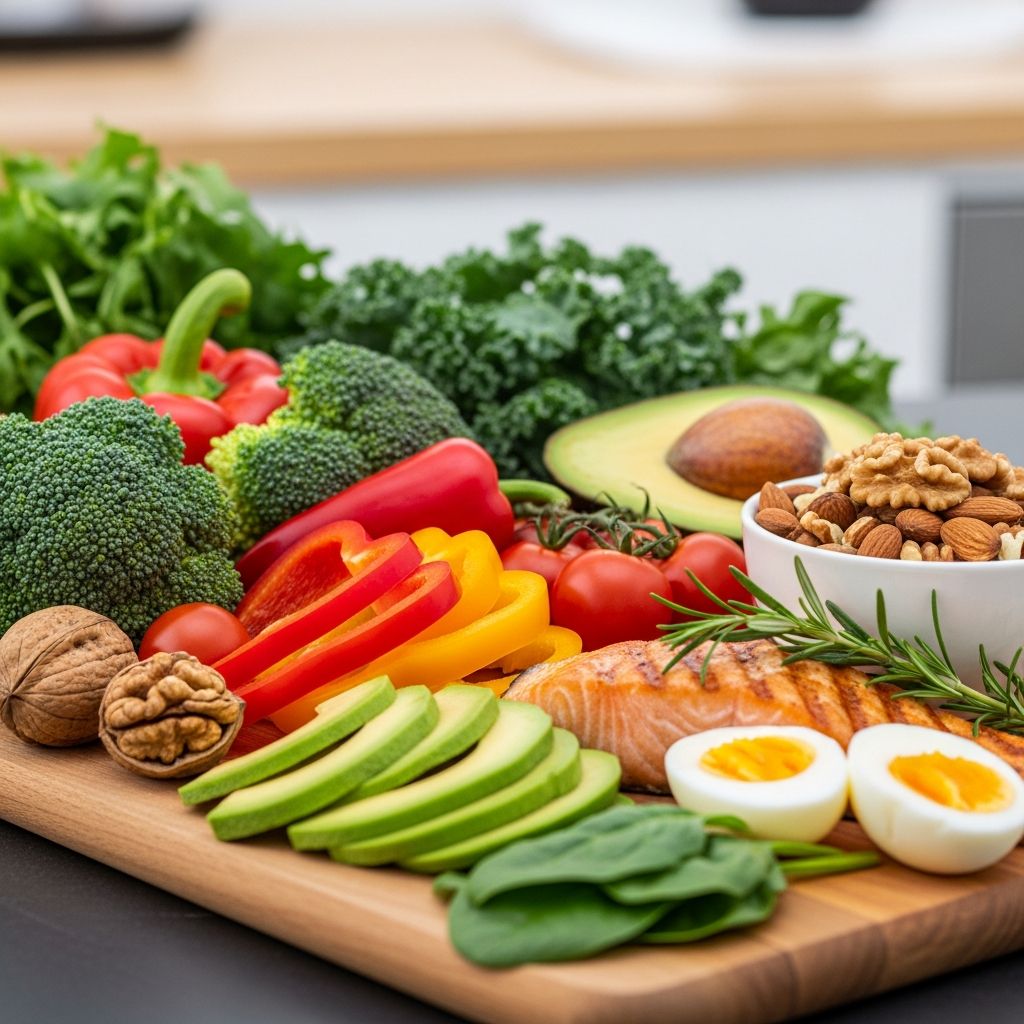
Non-starchy vegetables form the nutritional cornerstone of any well-constructed low-carbohydrate eating plan. These vegetables provide essential fiber, vitamins, minerals, and phytonutrients with minimal carbohydrate contribution. Priority vegetables for low-carb diets include spinach, broccoli, tomatoes, cauliflower, eggplants, bell peppers, onions, and Brussels sprouts. Each of these options delivers substantial nutritional value while supporting satiety and digestive health.
The fiber content in non-starchy vegetables plays a particularly important role in low-carb diet success. Higher fiber intake promotes satiety, reducing overall calorie consumption and supporting weight management goals. Additionally, the micronutrient density of these vegetables ensures that reducing carbohydrate intake doesn’t result in nutritional deficiencies. Including a wide variety of colorful vegetables throughout the day maximizes the range of beneficial compounds consumed.
Healthy Fats: Quality Over Quantity
Fat consumption in low-carbohydrate diets requires careful attention to quality and source. Plant-based fats represent the optimal choice, obtained through extra-virgin olive oil and avocado oil. These oils contain monounsaturated and polyunsaturated fats associated with improved cardiovascular outcomes and better weight management. Research indicates that consuming unsaturated oils from plant sources correlates with reduced cardiometabolic risk compared with saturated fats from animal sources.
Avocados and olives stand out as exceptional fatty fruits, offering low carbohydrate content paired with beneficial fat profiles. These foods provide satiety, support nutrient absorption, and contribute to overall dietary satisfaction. Conversely, saturated fats from animal sources have demonstrated associations with increased inflammation, insulin resistance, and elevated obesity risk. Prioritizing plant-based fat sources aligns with research demonstrating superior health outcomes for sustainable weight management.
Nuts, Seeds, and Their Role in Low-Carb Nutrition
Nuts and seeds represent nutrient-dense, convenient options for low-carbohydrate diets when consumed in controlled portions. Almonds, walnuts, macadamia nuts, and peanuts provide healthy fats, protein, and fiber while maintaining relatively low carbohydrate content. Pumpkin seeds offer similar benefits with added micronutrient diversity. These foods require portion control due to caloric density, but their nutritional profile makes them valuable components of sustainable eating plans.
Chia seeds deserve particular mention as primarily fiber-rich options offering protein and fat with minimal usable calories. These seeds support digestive health while providing sustained energy and satiety. The versatility of nuts and seeds allows for easy incorporation into meals and snacks, facilitating dietary adherence and preventing the monotony that undermines many diet attempts.
Whole Grains in Moderation
While low-carbohydrate diets restrict grain consumption, complete elimination isn’t necessary or recommended for long-term sustainability. Whole grains consumed in small portions—approximately one cup cooked once or twice daily—can fit within a lower-carb framework while providing important fiber, B vitamins, and minerals. Optimal grain choices include quinoa, brown rice, bulgur, and millets, which offer superior nutritional profiles compared to refined grain options.
Research consistently demonstrates that whole grains are associated with less weight gain and better metabolic outcomes compared to refined starches and processed grain products. Including modest amounts of quality whole grains supports long-term dietary adherence while maintaining the carbohydrate reduction necessary for the intended health benefits. This moderate approach prevents the nutritional gaps and sustainability issues associated with more extreme carbohydrate restriction.
Fruits in Lower-Carb Diets
Fruits present an interesting consideration in low-carbohydrate eating because while many are relatively high in carbohydrates, certain options fit comfortably within a reduced-carb framework. Citrus fruits like oranges provide natural sweetness while maintaining relatively modest carbohydrate content. These fruits offer vitamin C, fiber, and beneficial plant compounds that contribute to overall health despite their slightly higher carbohydrate contribution compared to vegetables.
The key to fruit consumption in low-carb diets involves selecting options with favorable carbohydrate-to-fiber ratios and practicing portion control. Berries, when available in small quantities, offer antioxidants and fiber with moderate carbohydrate content. Complete fruit elimination from a low-carb diet isn’t necessary and may undermine sustainability by creating unnecessary food restriction and psychological deprivation.
The Importance of Sustainable Dietary Patterns
Research from Harvard T.H. Chan School of Public Health emphasizes that successful long-term weight management depends on creating dietary patterns individuals can maintain indefinitely rather than following temporary restrictive approaches. Low-carbohydrate diets emphasizing whole foods, plant-based proteins, healthy fats, and nutrient-dense vegetables demonstrate superior outcomes compared to animal-heavy, unhealthy-fat-based approaches. Women following plant-based low-carb diets showed approximately 30 percent lower risk of heart disease and about 20 percent lower risk of type 2 diabetes compared to high-carbohydrate, low-fat dieters.
Conversely, women consuming low-carb diets high in animal fats or proteins did not experience these cardiovascular and metabolic benefits, highlighting the critical importance of source quality. This distinction underscores that reducing carbohydrate intake without attention to overall dietary quality may fail to deliver anticipated health improvements and could potentially increase certain disease risks.
Practical Implementation of Low-Carb Eating
Transitioning to a sustainable low-carbohydrate diet involves strategic food substitutions and thoughtful meal planning. Replace refined grains with non-starchy vegetables as the foundation of each meal. Incorporate lean protein sources at every eating occasion to support satiety and muscle maintenance. Prioritize plant-based fats from oils, nuts, seeds, and avocados rather than animal-derived fats. Include a wide variety of colorful vegetables to ensure comprehensive micronutrient intake. Maintain modest whole grain portions for fiber and nutrient density.
This approach differs fundamentally from many popular low-carb diets that emphasize meat, dairy, and processed foods. Instead, it focuses on whole-food quality, plant-forward nutrition, and balanced macronutrient distribution. Such an approach proves more sustainable because it emphasizes adding beneficial foods rather than purely restricting categories, supports social eating occasions more easily, and aligns with established cardiovascular and metabolic health research.
Frequently Asked Questions
Q: Are all low-carb diets equally effective for weight loss?
A: No. Research shows that low-carb diets emphasizing plant-based proteins, healthy fats, and whole grains produce superior weight management outcomes compared to those relying on animal proteins, unhealthy fats, and refined carbohydrates. Food quality proves more influential than carbohydrate quantity alone.
Q: Can I eat fruits on a low-carb diet?
A: Yes, in moderation. Citrus fruits and certain berries fit within lower-carb frameworks when portions are controlled. These fruits provide valuable vitamins, fiber, and antioxidants despite slightly higher carbohydrate content compared to vegetables.
Q: What vegetables should I prioritize on a low-carb diet?
A: Focus on non-starchy vegetables like spinach, broccoli, tomatoes, cauliflower, bell peppers, Brussels sprouts, and eggplants. These provide essential nutrients, fiber, and minimal carbohydrates while supporting satiety and overall health.
Q: How much whole grain can I include in a low-carb diet?
A: Approximately one cup of cooked whole grains once or twice daily fits within a lower-carb framework. Choose quinoa, brown rice, bulgur, or millets for optimal nutritional profiles compared to refined grain options.
Q: Why is plant-based fat preferable to animal fat in low-carb diets?
A: Plant-based fats from olive oil, avocado oil, nuts, and seeds contain beneficial monounsaturated and polyunsaturated fats associated with better cardiovascular outcomes and improved weight management. Saturated animal fats correlate with increased inflammation, insulin resistance, and obesity risk.
Q: What protein sources should I prioritize?
A: Prioritize plant-based proteins like beans, lentils, and tofu alongside lean animal proteins including skinless poultry, fish, Greek yogurt, and eggs. This combination provides complete nutrition while supporting cardiovascular and metabolic health.
References
- Low-Carbohydrate Diet Macronutrient Quality and Weight Change — Liu, B., Hu, Y., Rai, S.K., Wang, M., Hu, F.B., Sun, Q. Published in JAMA Network Open. 2023-12-27. https://doi.org/10.1001/jamanetworkopen.2023.49552
- Low-carbohydrate diets emphasizing healthy, plant-based sources associated with slower long-term weight gain — Harvard T.H. Chan School of Public Health. 2023-12-27. https://hsph.harvard.edu/news/low-carbohydrate-diets-emphasizing-healthy-plant-based-sources-associated-with-slower-long-term-weight-gain/
- Low-Carbohydrate Diets — The Nutrition Source, Harvard T.H. Chan School of Public Health. https://nutritionsource.hsph.harvard.edu/carbohydrates/low-carbohydrate-diets/
- Why a low-carb diet is not the magic pill for weight loss — Indian Express. 2023. https://indianexpress.com/article/health-wellness/low-carb-diet-weight-loss-quality-harvad-study-9094620/
- Study: For healthiest diet, eat moderate amount of carbs — Harvard T.H. Chan School of Public Health. 2018-08-17. https://hsph.harvard.edu/news/eat-moderate-amount-of-carbs-for-health/
Similar Articles








Read full bio of medha deb