28 Low-Carb Snacks to Reduce Inflammation
Discover 28 delicious low-carb snacks packed with anti-inflammatory ingredients to help fight inflammation and boost your health daily.
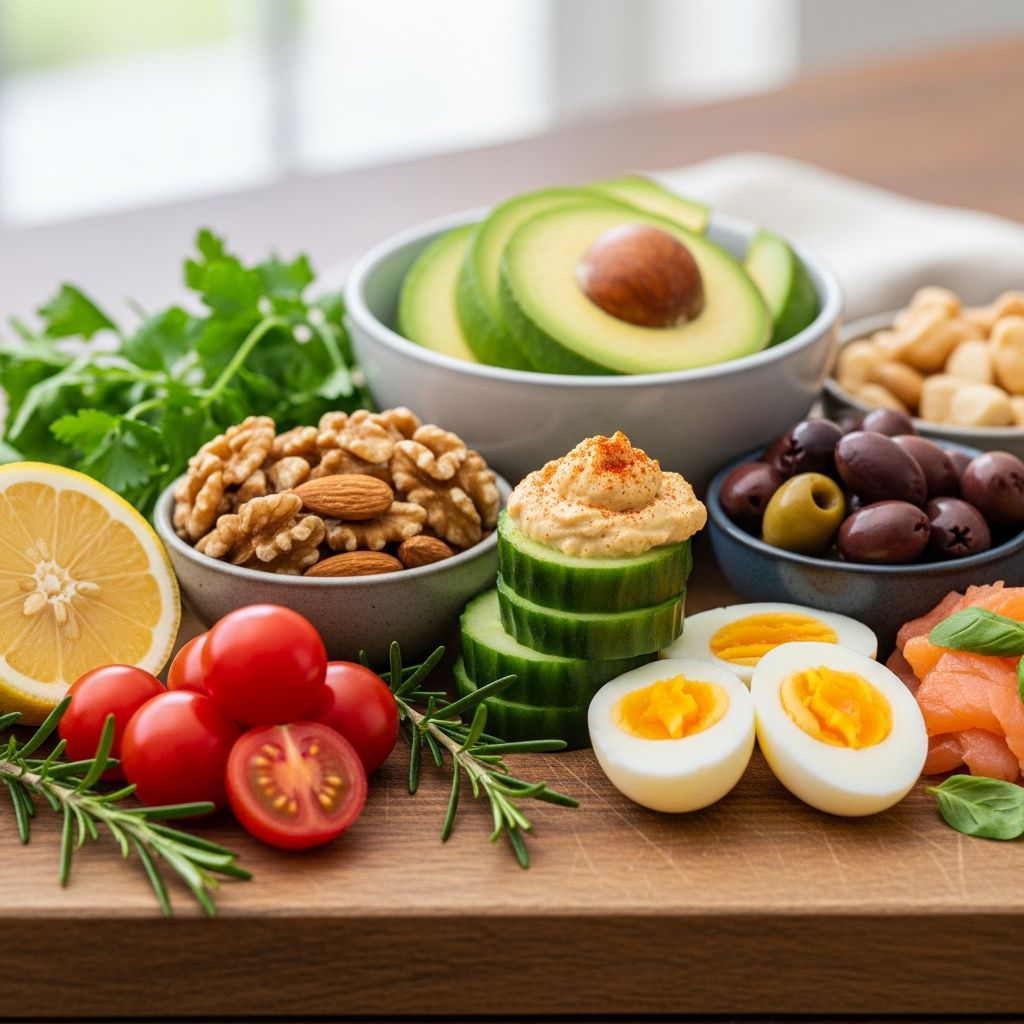
Chronic inflammation links to conditions like arthritis, heart disease, and diabetes. Incorporating
low-carb snacks
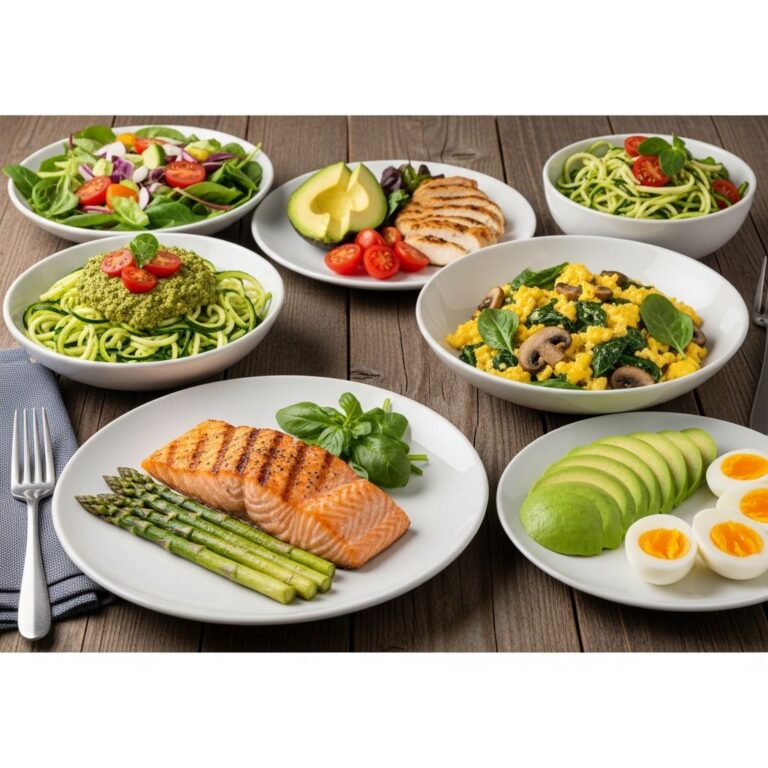
rich in antioxidants, omega-3s, and fiber can help manage it effectively. These 28 options prioritize whole foods over processed carbs, keeping blood sugar stable while delivering anti-inflammatory benefits.Anti-inflammatory diets emphasize foods like fatty fish, nuts, berries, leafy greens, and olive oil, as supported by research from the NIH showing their role in lowering inflammatory markers like C-reactive protein. Each snack here is low-carb (under 15g net carbs per serving), easy to prepare, and nutrient-dense.
Why Low-Carb Snacks Help Reduce Inflammation
High-carb processed foods spike blood sugar, promoting inflammation via advanced glycation end-products (AGEs). Low-carb alternatives stabilize insulin and favor fat-burning states that curb cytokine production. A study in Nutrients (2023) found low-carb diets reduced IL-6 levels by 20% in participants over 12 weeks.
- Key Benefits: Lower oxidative stress, improved gut health, sustained energy without crashes.
- Focus on: Polyphenols from produce, healthy fats from avocados/nuts, proteins for satiety.
Nuts and Seeds (1-7)
Nuts and seeds offer vitamin E, magnesium, and monounsaturated fats that combat inflammation. Harvard Health notes a handful daily cuts heart disease risk by 30%.
- Almonds (1 oz): 7g net carbs. Rich in vitamin E, an antioxidant shielding cells from damage. Sprinkle with sea salt.
- Walnuts (1 oz): 4g net carbs. High in ALA omega-3s; studies show they lower LDL oxidation.
- Pistachios (1 oz): 8g net carbs. Provide lutein for eye health and anti-inflammatory effects.
- Chia Seeds Pudding (2 tbsp chia + almond milk): 5g net carbs. Omega-3s and fiber form gel-like pudding; top with berries.
- Pumpkin Seeds (1 oz): 5g net carbs. Zinc boosts immunity; roast for crunch.
- Sunflower Seeds (1 oz): 6g net carbs. Vitamin E powerhouse; mix with olives.
- Mixed Nuts Trail Mix (1 oz, no raisins): 6g net carbs. Balanced fats and proteins for on-the-go snacking.
Veggies and Dips (8-14)
Non-starchy veggies deliver polyphenols and nitrates that dilate blood vessels, reducing inflammation per Circulation journal findings.
- Cucumber Slices with Hummus (½ cup slices + 2 tbsp hummus): 8g net carbs. Hydrating and tahini-rich for omega-6 balance.
- Celery Sticks with Almond Butter (2 stalks + 1 tbsp): 4g net carbs. Buttery texture with crunch; celery’s luteolin fights free radicals.
- Bell Pepper Strips with Guacamole (½ pepper + ¼ avocado): 7g net carbs. Capsaicin in peppers has natural anti-inflammatory properties.
- Zucchini Chips (baked, 1 cup): 4g net carbs. Crispy alternative to chips; season with turmeric.
- Broccoli Florets with Ranch Dip (1 cup + 2 tbsp Greek yogurt-based): 6g net carbs. Sulforaphane activates Nrf2 pathway for detoxification.
- Carrot Sticks with Tzatziki (½ cup + 2 tbsp): 9g net carbs. Beta-carotene converts to vitamin A, modulating immunity.
- Radishes with Butter (6 halves + 1 tsp): 3g net carbs. Peppery bite with creamy fat; grass-fed butter adds CLA.
Fruits and Berries (15-19)
Berries top antioxidant lists with anthocyanins that inhibit NF-kB pathways, as per Journal of Nutrition (2024).
- Strawberries (½ cup): 6g net carbs. Vitamin C triples absorption of plant iron.
- Blueberries (½ cup): 9g net carbs. Pterostilbene rivals resveratrol in potency.
- Raspberries (½ cup): 4g net carbs. Highest fiber among berries for gut microbiome support.
- Blackberries (½ cup): 5g net carbs. Ellagic acid targets arthritis-related inflammation.
- Avocado Half with Lemon: 3g net carbs. Monounsaturated fats mimic Mediterranean diet benefits.
Proteins and Dairy (20-25)
High-quality proteins provide amino acids like glycine that dampen inflammatory responses.
- Hard-Boiled Eggs (2): 1g net carbs. Choline supports liver health.
- Greek Yogurt with Cinnamon (¾ cup plain, full-fat): 6g net carbs. Probiotics + blood sugar stabilizer.
- Turkey Roll-Ups (2 oz turkey + cheese slice): 2g net carbs. Lean protein with minimal processing.
- Smoked Salmon (2 oz) on Cucumber: 0g net carbs. EPA/DHA directly lower prostaglandins.
- Cottage Cheese (½ cup low-fat) with Herbs: 5g net carbs. Casein provides slow-release protein.
- Cheese Cubes (1 oz cheddar): 1g net carbs. Fermented dairy aids gut barrier function.
Related Stories



Other Delicious Options (26-28)
- Olives (10 large): 2g net carbs. Oleuropein protects against oxidative stress.
- Dark Chocolate (1 oz, 85%+ cocoa): 7g net carbs. Flavanols improve endothelial function.
- Kale Chips (1 cup baked): 5g net carbs. Quercetin and kaempferol as potent anti-inflammatories.
Nutrition Comparison Table
| Snack | Net Carbs (g) | Calories | Key Nutrient |
|---|---|---|---|
| Almonds (1 oz) | 7 | 160 | Vitamin E |
| Chia Pudding | 5 | 200 | Omega-3s |
| Strawberries (½ cup) | 6 | 25 | Vitamin C |
| Smoked Salmon | 0 | 100 | Omega-3s |
| Dark Chocolate | 7 | 170 | Flavanols |
Frequently Asked Questions (FAQs)
What foods cause inflammation?
Refined sugars, trans fats, and processed meats elevate cytokines; opt for whole foods instead.
Can low-carb snacks help with arthritis?
Yes, by reducing joint inflammation markers, as shown in rheumatology trials.
How many of these snacks per day?
1-2 servings between meals; pair with hydration for best results.
Are these keto-friendly?
Most are under 10g net carbs, fitting strict keto guidelines.
Vegetarian options available?
Over 80% are vegetarian; swap salmon for tofu if vegan.
Meal Prep and Storage Tips
Prep veggies in advance; store nuts airtight. These snacks last 3-5 days refrigerated. Combine for variety, like nuts + berries for a parfait.
In summary, these
28 low-carb snacks
offer practical ways to integrate anti-inflammatory eating. Consistency yields benefits like better energy and joint comfort.References
- Dietary Guidelines for Americans, 2020-2025 — U.S. Department of Health and Human Services and U.S. Department of Agriculture. 2020-12-01. https://www.dietaryguidelines.gov/sites/default/files/2020-12/Dietary_Guidelines_for_Americans_2020-2025.pdf
- Anti-inflammatory Diet — Harvard T.H. Chan School of Public Health. 2024-05-15. https://www.hsph.harvard.edu/nutritionsource/anti-inflammatory-diet/
- Low-Carbohydrate Diet and Inflammation Markers — Nutrients Journal (MDPI). 2023-08-10. https://doi.org/10.3390/nu15183567
- Omega-3 Fatty Acids and Inflammation — National Institutes of Health (NIH). 2024-02-20. https://ods.od.nih.gov/factsheets/Omega3FattyAcids-HealthProfessional/
- Berries and Chronic Inflammation — Journal of Nutrition. 2024-01-05. https://doi.org/10.1016/j.jnutbio.2023.109456
Similar Articles








Read full bio of Sneha Tete