Low-Carb Vs. Keto Diet: 5 Key Differences Explained
Discover the key differences between low-carb and keto diets, their benefits, risks, and which might suit your health goals best.
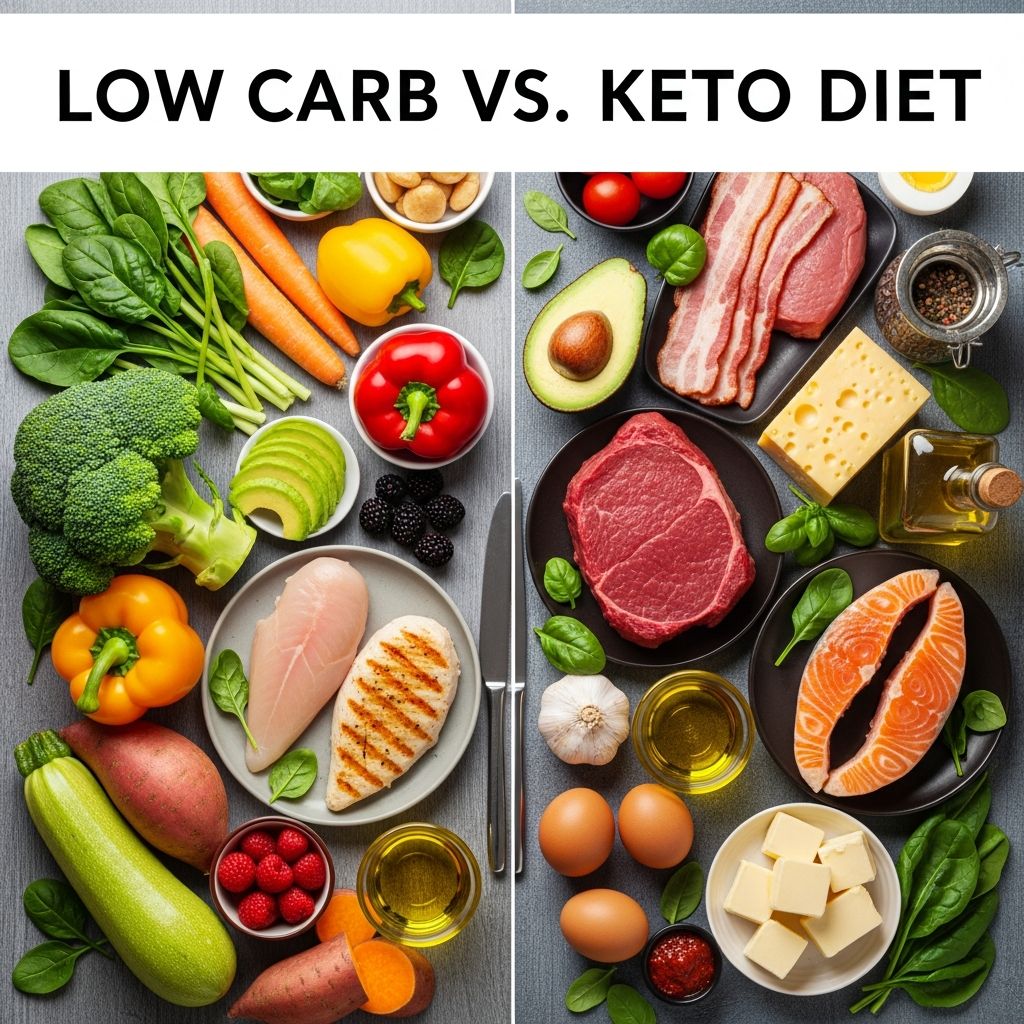
Low-carb and ketogenic (keto) diets both restrict carbohydrates to promote weight loss and metabolic health, but they differ significantly in carbohydrate limits, macronutrient ratios, and physiological effects. Low-carb diets typically allow 50-150 grams of carbs daily, while keto limits intake to under 50 grams to induce ketosis, a state where the body burns fat for fuel.
What Is a Low-Carb Diet?
A
low-carb diet
reduces carbohydrate intake to moderate levels, often 50-150 grams per day, emphasizing whole foods like vegetables, proteins, and healthy fats over refined sugars and grains. This approach improves insulin sensitivity and supports weight management without the strictness of keto.Unlike very restrictive plans, low-carb diets include fruits, beans, and some grains, making them more sustainable long-term. Clinical trials show low-carb diets lead to 2.5-5 pounds more weight loss than low-fat diets over 6-24 months.
What Is the Keto Diet?
The
keto diet
is a very low-carb, high-fat plan limiting carbs to 20-50 grams daily (<10% of calories), with 70-80% calories from fat and moderate protein. It aims to produce ketones from fat breakdown, entering nutritional ketosis (blood ketones >0.5mM).Originally developed for epilepsy, keto promotes rapid weight loss via water and fat reduction but requires vigilance to maintain ketosis. It consistently lowers triglycerides and raises HDL cholesterol.
Low-Carb vs. Keto: Key Differences
The primary distinction lies in carb thresholds and goals: low-carb focuses on carb quality and moderation for metabolic health, while keto enforces extreme restriction for ketosis. Low-carb suits broader lifestyles; keto demands precise tracking.
| Aspect | Low-Carb Diet | Keto Diet |
|---|---|---|
| Daily Carbs | 50-150g (10-30% calories) | 20-50g (<10% calories) |
| Fat % | 40-60% | 70-80% |
| Protein % | 20-30% | 15-20% |
| Goal | Weight loss, blood sugar control | Ketosis, fat adaptation |
| Sustainability | Higher (includes fruits, grains) | Lower (strict monitoring) |
Macros Breakdown: Low-Carb vs. Keto vs. Low-Fat
Studies compare diets head-to-head. In a Boston Children’s Hospital trial with 164 overweight adults maintaining weight post-loss, diets were:
- Low-carb: 20% carbs, 60% fat, 20% protein
- Moderate-carb: 40% carbs, 40% fat, 20% protein
- High-carb (low-fat): 60% carbs, 20% fat, 20% protein
Low-carb improved lipids, reduced lipoprotein(a) by 15%, and boosted adiponectin without raising LDL despite high saturated fat. Keto extends this with even lower carbs for ketosis.
Effectiveness for Weight Loss
Low-carb diets outperform low-fat for short-term weight loss (2.5-5 lbs more over 6-24 months) due to higher satiety and energy expenditure. Keto yields rapid initial loss (water/glycogen), but long-term, low-carb matches other diets without superior fat loss.
Metabolic ward studies show low-carb increases daily energy expenditure by 153 kcal vs. high-carb, aiding maintenance. However, early keto losses include lean mass; plant-based low-fat preserves more.
Health Benefits
Cardiovascular and Metabolic Improvements
Low-carb lowers triglycerides, raises HDL, and improves insulin resistance vs. low-fat. Keto amplifies this, reducing HbA1c (low certainty) and fasting glucose short-term.
Related Stories



Other Benefits
- Low-Carb: Better metabolic syndrome profiles; sustainable energy.
- Keto: Epilepsy control, potential for diabetes management via ketosis.
Potential Downsides and Risks
Both risk nutrient gaps (fiber, vitamins) if not balanced. Keto may cause “keto flu,” constipation, and high saturated fat concerns, though studies show no LDL spike.
- Low-carb: Initial water loss mimics fat loss; less restrictive.
- Keto: Harder adherence; possible lean mass/EE drops long-term.
Not ideal for athletes or pregnant individuals without supervision.
Foods to Eat and Avoid
Low-Carb Diet Foods
- Eat: Meats, fish, eggs, cheese, nuts, avocados, non-starchy veggies (broccoli, spinach), berries, full-fat dairy.
- Avoid: Bread, pasta, sugary drinks, refined grains.
Keto Diet Foods
- Eat: Fatty meats, butter, oils, cheese, low-carb veggies, nuts/seeds (limited).
- Avoid: All grains, fruits (except berries), starchy veggies, sugars.
Sample Meal Ideas
| Meal | Low-Carb | Keto |
|---|---|---|
| Breakfast | Greek yogurt w/ berries & nuts | Eggs w/ avocado & bacon |
| Lunch | Grilled chicken salad w/ olive oil | Tuna salad w/ mayo & cheese |
| Dinner | Salmon w/ broccoli & quinoa | Steak w/ buttered spinach |
Which Is Better for Weight Loss?
Neither is universally superior; low-carb excels for sustainable loss and metabolic health, keto for rapid results. Choose based on lifestyle: low-carb for flexibility, keto for strict fat-adaptation.
Who Should Try Each Diet?
- Low-Carb: General weight loss, prediabetes, heart health seekers.
- Keto: Epilepsy, insulin resistance, short-term fat loss goals.
- Consult doctors for kidney issues or medications.
Frequently Asked Questions (FAQs)
What’s the main difference between low-carb and keto?
Low-carb allows 50-150g carbs/day; keto <50g to enter ketosis.
Is keto healthier than low-carb?
Both improve lipids; keto stricter, low-carb more sustainable.
Can you do keto long-term?
Possible but challenging; monitor nutrients and health.
Do low-carb diets raise cholesterol?
No, they often improve HDL/triglycerides despite saturated fat.
Which burns more fat?
Keto promotes ketosis; low-carb via calorie deficit/satiety.
References
- Mayo Clinic Minute: Low-carb diet findings and cautions — Mayo Clinic. 2017-01-13. https://www.youtube.com/watch?v=Rg-dsFE_o3o
- In matchup, low-carb diets outperform low-fat diets — Boston Children’s Hospital. N/A. https://answers.childrenshospital.org/low-carb-diet/
- Benefits of Low Carbohydrate Diets: a Settled Question or Still Controversial? — NIH/PMC. 2022-10-19. https://pmc.ncbi.nlm.nih.gov/articles/PMC9621749/
- Low carb and keto diets which one is right for you — Abbott Nutrition News. 2021-03-25. https://www.nutritionnews.abbott/lifestyle-nutrition/diet-wellness/low-carb-and-keto-diets-which-one-is-right-for-you/
- Low-carb Vs. Keto Diet: What’s The Difference? — Optum Health Articles. N/A. https://www.optum.com/en/health-articles.html/healthy-living/low-carb-vs-keto-whats-difference-and-which-better
Similar Articles








Read full bio of medha deb