Low CSF Headache: Causes, Symptoms, and Treatment
Understanding low CSF headaches: comprehensive guide to diagnosis and management strategies.
Understanding Low CSF Headache
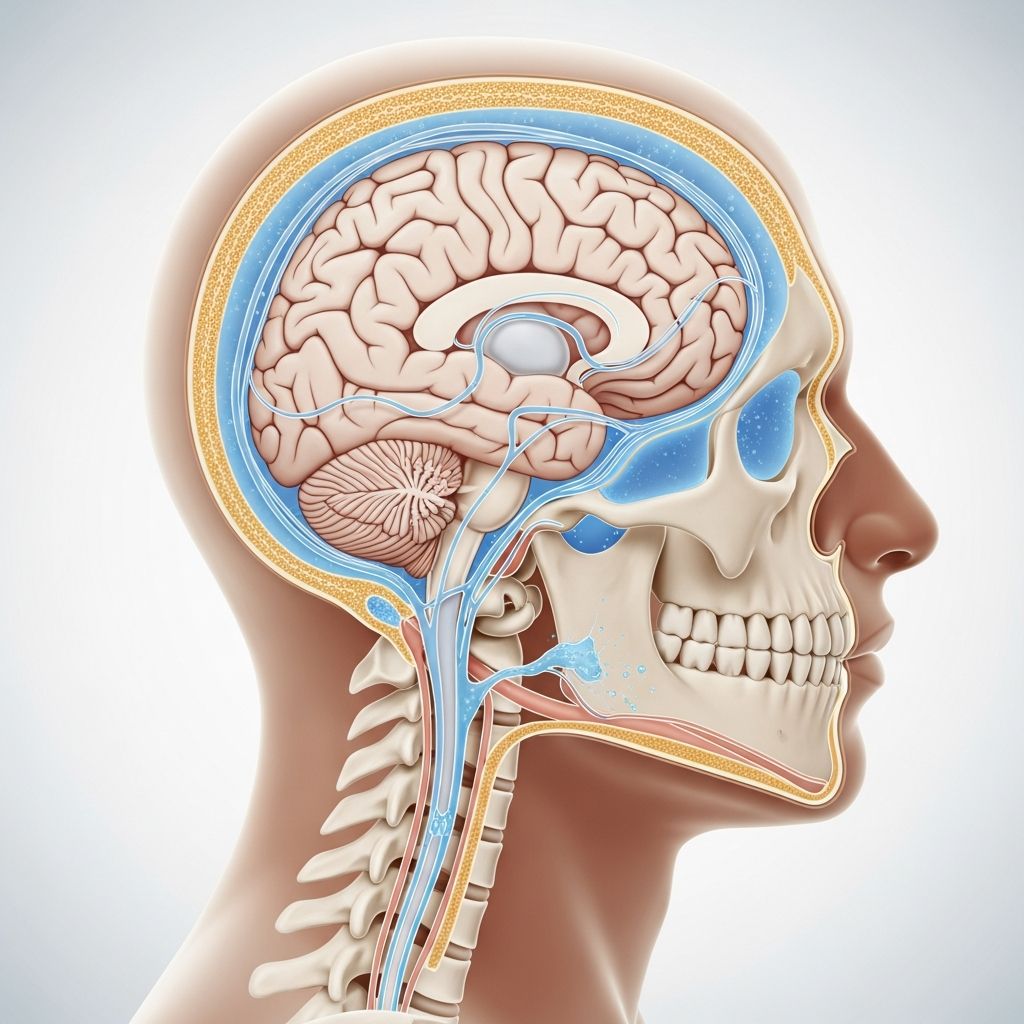
Low cerebrospinal fluid (CSF) headache, medically known as intracranial hypotension, is a condition that occurs when there is insufficient cerebrospinal fluid cushioning and supporting your brain and spinal cord. This fluid, which normally maintains adequate pressure around the brain, becomes depleted due to leakage or reduced production, leading to characteristic headaches and other neurological symptoms. Once considered a rare condition, low CSF headache is now increasingly recognized and diagnosed as an important cause of disabling headaches in clinical practice.
The cerebrospinal fluid serves critical functions in protecting your central nervous system. When CSF volume decreases, the brain may sag downward within the skull, stretching sensitive nerves and blood vessels. This mechanical stress results in pain and a constellation of neurological symptoms that can significantly impact quality of life. Understanding this condition is essential for patients and healthcare providers alike, as early recognition and appropriate treatment can prevent serious complications.
What is Intracranial Hypotension?
Intracranial hypotension is formally defined as a cerebrospinal fluid pressure less than 60 mm H2O. However, emerging evidence suggests that CSF volume may be more clinically significant than pressure alone. Recent research indicates that patients can have normal CSF opening pressure while still experiencing the full spectrum of low CSF volume syndrome. The core pathogenic factor appears to be decreased CSF volume rather than decreased opening pressure alone, meaning that MRI findings and clinical features depend on the actual volume of available fluid rather than pressure measurements in isolation.
When CSF volume becomes depleted, the brain loses its floating support system. The normally suspended brain begins to sag, creating tension on pain-sensitive structures including the meninges, cranial nerves, and intracranial blood vessels. This downward sagging, called brain sag or brain descent, can be visualized on magnetic resonance imaging and represents the structural consequence of low CSF volume.
Causes of Low CSF Headache
Low CSF headaches can develop through various mechanisms, and understanding the underlying cause is important for determining appropriate treatment strategies.
Lumbar Puncture-Related Causes
One of the most common iatrogenic causes of low CSF headache is lumbar puncture (spinal tap) procedure. During a lumbar puncture, a needle is inserted into the spinal canal in the lower back to obtain cerebrospinal fluid samples or deliver anesthesia. The procedure creates a small hole in the dura, the protective membrane surrounding the spinal cord. When cerebrospinal fluid leaks from this puncture site faster than the body can replace it, the fluid volume around the brain decreases. Removal of approximately 10 percent of total CSF volume can induce orthostatic headache in the average adult. This specific type of low CSF headache is clinically referred to as post-lumbar puncture headache.
Spontaneous CSF Leaks
Spontaneous intracranial hypotension (SIH) occurs when cerebrospinal fluid leaks from the spinal canal without any apparent traumatic trigger or medical procedure. These spontaneous leaks can result from meningeal diverticula, which are small herniations in the dura, or from zones of dural weakness that rupture without known cause. Spontaneous CSF leaks can occur at the spinal level, typically in the thoracic spine, allowing fluid to escape into the epidural space.
Research suggests that a significant minority of patients with spontaneous CSF leaks display clinical features associated with connective tissue disorders. Although the etiology of spontaneous leaks remains unknown in many patients, underlying connective tissue weakness may predispose individuals to the formation of meningeal diverticula and dural vulnerabilities.
Related Stories



Other Causes
Low CSF headaches can also develop from ruptured arachnoid cysts located in or near the meninges at nerve root exits from the spinal cord. These cysts can rupture when people cough or sneeze, as coughing and sneezing cause sudden pressure increases in the cerebrospinal fluid. Additionally, tumors, spinal cord abnormalities, or other structural lesions affecting the spinal column may result in CSF leakage and subsequent intracranial hypotension.
Symptoms and Clinical Presentation
The hallmark symptom of low CSF headache is an orthostatic or postural headache—a headache that worsens when sitting or standing upright and improves when lying flat in a recumbent position. This distinctive postural quality is so characteristic that it serves as a primary diagnostic clue.
Primary Symptoms
Patients with low CSF headache typically experience the following primary symptoms:
- Positional headache worsening in upright posture and improving when lying down
- Sensitivity to light (photophobia) or sound (phonophobia)
- Nausea with or without vomiting
- Neck pain, stiffness, or interscapular pain
- Hearing changes including muffled hearing or tinnitus (ringing in the ears)
- Dizziness and vertigo
- Imbalance and gait unsteadiness
- Difficulty with concentration and memory impairment
- Double vision (diplopia)
Associated Neurological Complications
In more severe cases, patients may develop additional neurological manifestations. Movement disorders such as chorea or parkinsonism have been documented in association with spontaneous CSF leaks. The brain sag can become so severe that syrinxes develop within the spinal cord—cavities filled with cerebrospinal fluid that can lead to progressive neurological deterioration if not treated. Some patients report that their headache becomes so disabling that they cannot remain upright or perform work activities, necessitating bed rest.
Pathophysiology: How Low CSF Causes Headache
Several mechanisms explain how decreased cerebrospinal fluid volume generates headache pain:
- Traction of pain-sensitive meningeal and intracranial structures as the brain sags downward
- Stretching of cranial nerves and blood vessels supporting the brain
- Vasodilation of cerebral blood vessels attempting to compensate for decreased CSF volume
- Venous sinus distension and increased venous blood flow as compensatory mechanisms
The combination of mechanical traction and vascular compensatory responses creates the characteristic pain pattern. When a patient stands upright, gravity increases the downward sagging of brain structures, intensifying traction on pain-sensitive tissues. When lying flat, the brain returns toward its normal position, reducing tension and providing symptom relief.
Diagnosis of Low CSF Headache
Clinical Assessment
Diagnosis begins with careful history-taking focused on the postural nature of the headache. Healthcare providers will inquire about the timing of symptom onset in relation to any lumbar puncture procedures, the specific positional characteristics of pain, and associated neurological symptoms. The distinctive orthostatic headache pattern is highly suggestive of the diagnosis.
Cerebrospinal Fluid Pressure Measurement
Lumbar puncture with opening pressure measurement is traditionally used to measure CSF pressure. A CSF pressure less than 60 mm H2O is considered consistent with intracranial hypotension. However, it is important to recognize that normal CSF pressure does not exclude the diagnosis of low CSF volume syndrome, as the volume of available fluid may be reduced despite normal pressure readings.
Magnetic Resonance Imaging Findings
Magnetic resonance imaging is the primary imaging modality for diagnosing low CSF headache and reveals characteristic findings:
- Diffuse pachymeningeal (dura) enhancement after gadolinium contrast administration
- Thickening of the dura with contrast enhancement
- Dilation of dural venous sinuses
- Brain sagging with descent of cerebellar tonsils
- Flattening of the anterior pons
- Obliteration of the prepontine cistern and crowded posterior fossa
- Subdural fluid collections
- Enlargement of the pituitary gland
The diffuse pachymeningeal enhancement is particularly important, as it reflects the compensatory venous engorgement and inflammation associated with decreased CSF volume. However, this finding is nonspecific and can also be seen in cases of meningitis, inflammation, infection, and malignancy.
Imaging Studies for CSF Leak Location
When a spinal CSF leak is suspected, specialized imaging may be employed to localize the site of leakage. Magnetic resonance myelography can visualize the spinal canal and identify areas of abnormal fluid collection. Radionuclide cisternography and dynamic myelography may help confirm and localize the leak before intervention.
Treatment Options for Low CSF Headache
Conservative Management
Initial treatment of low CSF headache typically involves conservative measures, particularly for post-lumbar puncture headaches that often resolve spontaneously. Conservative approaches include:
- Bed rest in recumbent position to relieve mechanical traction
- Hydration to support natural CSF production
- Analgesic medications for pain management
- NSAIDs to reduce inflammation
- Caffeine administration, which may increase alertness and promote CSF production
Many post-lumbar puncture headaches resolve within several days to two weeks with conservative care alone. However, some patients require more active interventions.
Epidural Blood Patch
When conservative management fails to provide relief, epidural blood patch (EBP) is an effective interventional treatment. During this procedure, autologous blood obtained from the patient’s arm is injected into the epidural space near the suspected site of dural disruption. The blood clots and seals the dural tear, preventing further CSF leakage. Epidural blood patch is particularly effective for post-lumbar puncture headaches and has success rates exceeding 70 percent for initial treatment, with additional relief in patients who do not respond initially.
Spinal CSF Leak Repair
For spontaneous spinal CSF leaks, definitive surgical repair may be necessary when conservative management and epidural blood patch prove ineffective. Surgical repair involves identification of the leak site through imaging studies and direct closure of the dural defect. This may involve patching techniques or fibrin glue application to seal the leak permanently.
Pharmacological Management
Various medications may support symptom management and recovery. Acetazolamide, a carbonic anhydrase inhibitor that increases cerebrospinal fluid production, may be particularly helpful in certain clinical scenarios. Additionally, patients may require medications to manage specific symptoms such as antiemetics for nausea or vestibular suppressants for dizziness.
Rebound Intracranial Hypertension
An important consideration in treatment planning is the possibility of rebound intracranial hypertension following successful resolution of the low CSF state. Some patients who recover from intracranial hypotension may develop elevated intracranial pressure, presenting with a different type of headache that is not necessarily orthostatic. Papilledema may develop in these cases. Fortunately, rebound hypertension typically resolves spontaneously within several months, though acetazolamide may help manage acute symptoms.
When to Seek Medical Attention
Patients should contact a healthcare provider if they experience:
- Severe positional headaches, especially following lumbar puncture or spinal procedures
- Headache accompanied by neck stiffness, fever, or altered mental status (possible meningitis)
- Progressive neurological symptoms such as weakness, numbness, or coordination problems
- Visual changes or hearing loss
- Symptoms that interfere with daily functioning or quality of life
- Headache that does not improve with conservative measures within two weeks
Frequently Asked Questions
Q: How long does a low CSF headache typically last?
A: Post-lumbar puncture headaches often resolve spontaneously within one to two weeks. However, spontaneous intracranial hypotension may persist for weeks to months without treatment. With appropriate intervention such as epidural blood patch, symptom relief often occurs within days.
Q: Can low CSF headache cause permanent brain damage?
A: While most cases resolve without permanent damage, severe or prolonged low CSF volume can lead to serious complications including syrinx formation in the spinal cord and progressive neurological deterioration. Prompt diagnosis and treatment help prevent these complications.
Q: Is low CSF headache the same as meningitis?
A: No, these are different conditions. While both may present with headache and neck stiffness, meningitis involves infection or inflammation of the meninges, whereas low CSF headache results from decreased cerebrospinal fluid volume. Fever and altered mental status suggest meningitis rather than intracranial hypotension.
Q: What should I do if I develop a headache after a spinal tap?
A: Contact your healthcare provider, particularly if the headache is severe or worsens when sitting upright. Most post-lumbar puncture headaches resolve with conservative care including bed rest and hydration. Your provider may recommend additional treatments if symptoms persist.
Q: Can low CSF headache recur?
A: Post-lumbar puncture headaches rarely recur. However, patients with spontaneous CSF leaks may experience recurrence if the underlying dural weakness persists. Successful surgical repair typically prevents recurrence.
References
- Intracranial Hypotension — National Center for Biotechnology Information (NCBI), StatPearls. 2024. https://www.ncbi.nlm.nih.gov/books/NBK560764/
- Complexities of Low CSF Volume Headache — Mayo Clinic Department of Neurology and Neurosurgery. 2015-06-19. https://www.mayoclinic.org/medical-professionals/neurology-neurosurgery/news/complexities-of-low-csf-volume-headache/mac-20429665
- Low-Pressure Headache: Brain, Spinal Cord, and Nerve Disorders — Merck Manuals, edited by Stephen D. Silberstein, MD. 2024. https://www.merckmanuals.com/home/brain-spinal-cord-and-nerve-disorders/headaches/low-pressure-headache
- Spinal Headache: What It Is, Causes, Symptoms & Treatment — Cleveland Clinic. 2024. https://my.clevelandclinic.org/health/diseases/17927-spinal-headaches
- Low-Pressure Headache — American Headache Society. 2024. https://headaches.org/resources/low-pressure-headache/
Similar Articles








Read full bio of medha deb