Low-Dose Aspirin: 2025 Evidence-Based Guide
Explore the benefits, risks, and latest guidelines for low-dose aspirin in preventing heart disease and stroke.
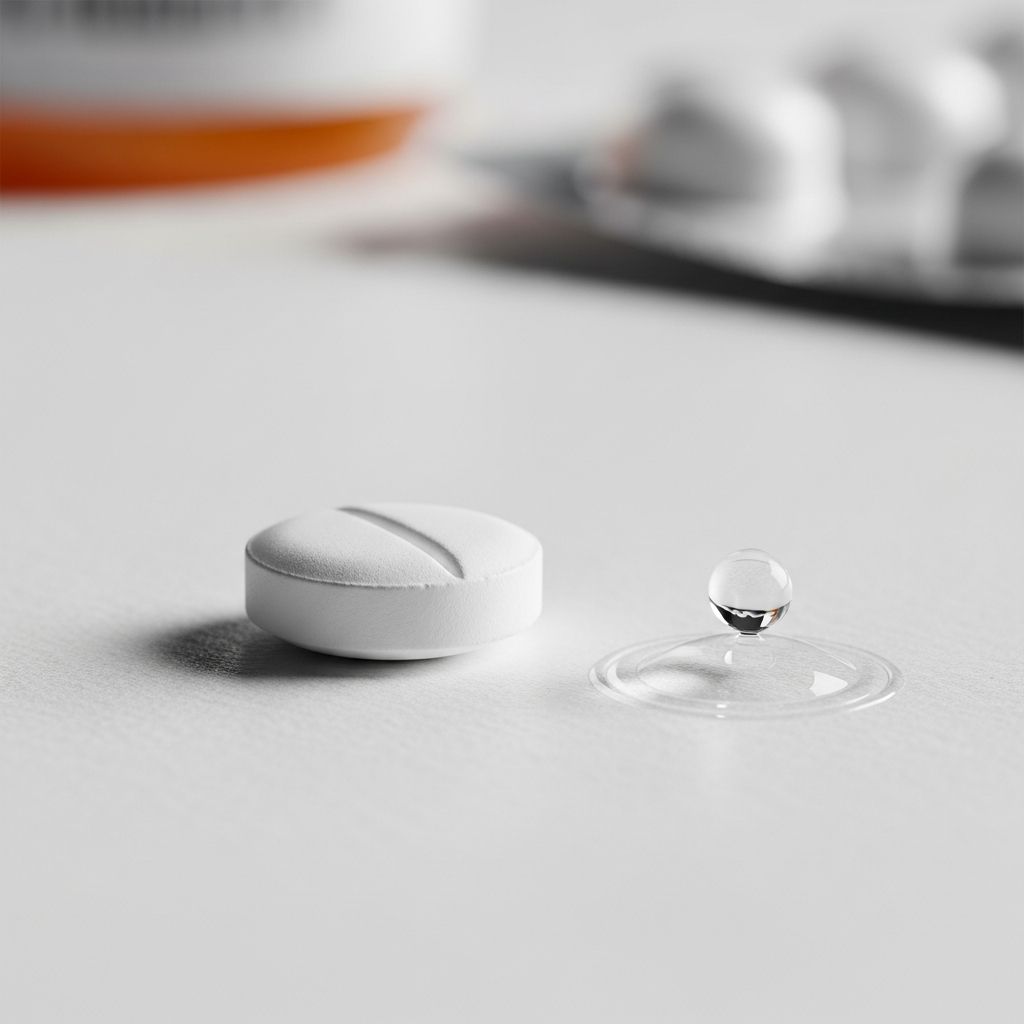
Low-dose aspirin, often referred to as baby aspirin, serves as a key medication for managing cardiovascular risks by thinning the blood and preventing clot formation. Typically dosed at 75-100 mg daily, it targets conditions like atherosclerosis where plaque buildup in arteries heightens the chance of heart attacks and strokes. While effective for certain high-risk groups, recent studies highlight significant bleeding risks, prompting shifts in clinical guidelines.
Understanding How Low-Dose Aspirin Works
Aspirin inhibits platelet aggregation, making blood less likely to form dangerous clots. In atherosclerosis, plaque narrows arteries, and rupture can trigger clotting cascades leading to blockages. Low doses suffice for this anti-clotting effect without the higher amounts needed for pain relief.
This mechanism proves particularly valuable for secondary prevention—those with prior heart events—but primary prevention in healthy individuals requires careful evaluation due to side effects.
Primary Benefits for Heart Health
- Reduces clot-related events: Lowers incidence of heart attacks and ischemic strokes by stabilizing plaques.
- Aids high-risk patients: Beneficial for adults with type 2 diabetes and moderate-to-high cardiovascular risk, showing up to 42% lower heart attack rates.
- Supports secondary prevention: Recommended for those with established atherosclerosis to prevent recurrence.
For people with type 2 diabetes, consistent use correlates with reduced cardiovascular mortality over 10 years, especially when blood sugar is well-controlled.
Key Risks and Side Effects
Despite benefits, low-dose aspirin increases bleeding risks. Gastrointestinal issues like ulcers and hemorrhage occur due to its effect on stomach lining protection. More critically, it elevates brain bleed risks post-trauma, with studies showing 38% higher incidence in aspirin users.
| Risk Type | Increased Odds (Aspirin vs Placebo) | Source |
|---|---|---|
| Major Bleeding | 42% higher (RR 1.42) | |
| Intracranial Hemorrhage | 33% higher (RR 1.33) | |
| GI Bleeding | 91% higher (RR 1.91) | |
| Brain Bleeds from Falls | 38% higher |
These risks accumulate over time, particularly in older adults where falls are common, and benefits may not outweigh harms for primary prevention.
Current Medical Guidelines
Guidelines have evolved based on large trials like ASPREE. The U.S. Preventive Services Task Force (USPSTF) advises against starting low-dose aspirin for primary prevention in adults 60+ without cardiovascular disease, citing bleeding outweighing benefits.
- Ages 40-59: Consider if 10-year CVD risk exceeds 10%, but individualize based on bleeding risk.
- 60+: Generally not recommended for new starts in healthy individuals.
- Exceptions: Continue if already on for secondary prevention; useful in diabetes with high CVD risk.
UK’s NHS echoes this: prescribe only for high-risk cases, taken with food to minimize stomach upset.
Who Should Consider Low-Dose Aspirin?
Yes, potentially:
- History of heart attack, stroke, or stents.
- Type 2 diabetes with additional CVD risks like high cholesterol or hypertension.
- High 10-year CVD risk score (>10%).
No, or caution:
- Healthy adults over 60 for primary prevention.
- History of ulcers, bleeding disorders, or frequent falls.
- Pregnant or breastfeeding without medical advice.
Related Stories



Dosing and Administration Tips
Standard dose: 75 mg once daily, sometimes 100 mg. Enteric-coated versions may reduce stomach irritation. Always take with food or milk.
Practical advice:
- Do not stop abruptly without consulting a doctor—rebound clotting risk.
- Monitor for signs of bleeding: black stools, easy bruising, persistent headaches.
- Combine with lifestyle: diet, exercise, statins for optimal protection.
Special Considerations for At-Risk Groups
Older Adults
In those 65+, ASPREE trial data showed no stroke prevention but heightened brain bleed risks from falls. Anemia risk also rises.
Type 2 Diabetes Patients
Recent 2025 data indicates strong benefits: 19% lower stroke risk, 33% lower mortality in consistent users, independent of HbA1c but amplified in well-controlled cases.
Pregnancy and Other Groups
Limited use; only under midwife/doctor guidance for preeclampsia prevention in high-risk pregnancies.
Comparing Aspirin to Alternatives
| Option | Pros | Cons | Best For |
|---|---|---|---|
| Low-Dose Aspirin | OTC access, clot prevention | Bleeding risks | Secondary prevention, diabetes+CVD risk |
| Statins | Plaque stabilization, no bleeding | Muscle pain, liver monitoring | High cholesterol |
| Clopidogrel | Stronger anti-platelet | Cost, interactions | Aspirin intolerance |
Frequently Asked Questions (FAQs)
Can I take low-dose aspirin if I’m healthy?
Not routinely; guidelines advise against for primary prevention over 60 due to bleeding risks.
Does it prevent strokes?
Reduces ischemic strokes in high-risk groups but not overall in healthy elderly; increases hemorrhagic stroke risk.
Is 81 mg the best dose?
Common U.S. dose; 75 mg standard elsewhere. Effectiveness similar.
What if I have stomach issues?
Take with food; consider PPI protectors if ulcers history. Discuss alternatives.
Should diabetics take it daily?
Potentially yes if moderate-high CVD risk; benefits seen in recent studies.
Lifestyle Integration for Maximum Protection
Aspirin works best alongside heart-healthy habits: Mediterranean diet, 150 min weekly exercise, smoking cessation, blood pressure control. Regular check-ups assess ongoing need.
Many overestimate benefits—nearly half of U.S. adults wrongly believe daily aspirin suits all healthy people. Consult professionals for personalized advice.
References
- The Latest Daily Low-Dose Aspirin Guidelines — Houston Methodist. 2021-10-01. https://www.houstonmethodist.org/blog/articles/2021/oct/daily-low-dose-aspirin-for-heart-attack-prevention-who-should-take-it-what-the-new-guidelines-mean/
- Daily low-dose aspirin has little impact on stroke risk and spikes risk of brain bleeding from falls — National Institute on Aging (NIA). 2023-01-01. https://www.nia.nih.gov/news/daily-low-dose-aspirin-has-little-impact-stroke-risk-and-spikes-risk-brain-bleeding-falls
- Low-dose aspirin linked to lower cardiovascular event risk for adults with type 2 diabetes — American Heart Association. 2025-11-03. https://newsroom.heart.org/news/low-dose-aspirin-linked-to-lower-cardiovascular-event-risk-for-adults-with-type-2-diabetes
- About low-dose aspirin — NHS. 2023-01-01. https://www.nhs.uk/medicines/low-dose-aspirin/about-low-dose-aspirin/
- Benefits and Risks Associated with Low-Dose Aspirin Use — PubMed (JAMA Network Open). 2022-05-01. https://pubmed.ncbi.nlm.nih.gov/35570250/
- Daily aspirin therapy: Understand the benefits and risks — Mayo Clinic. 2023-01-01. https://www.mayoclinic.org/diseases-conditions/heart-disease/in-depth/daily-aspirin-therapy/art-20046797
Similar Articles








Read full bio of Sneha Tete