Low Estrogen: Causes, Symptoms, Diagnosis & Treatment
Understanding low estrogen: causes, symptoms, diagnosis methods, and effective treatment options.
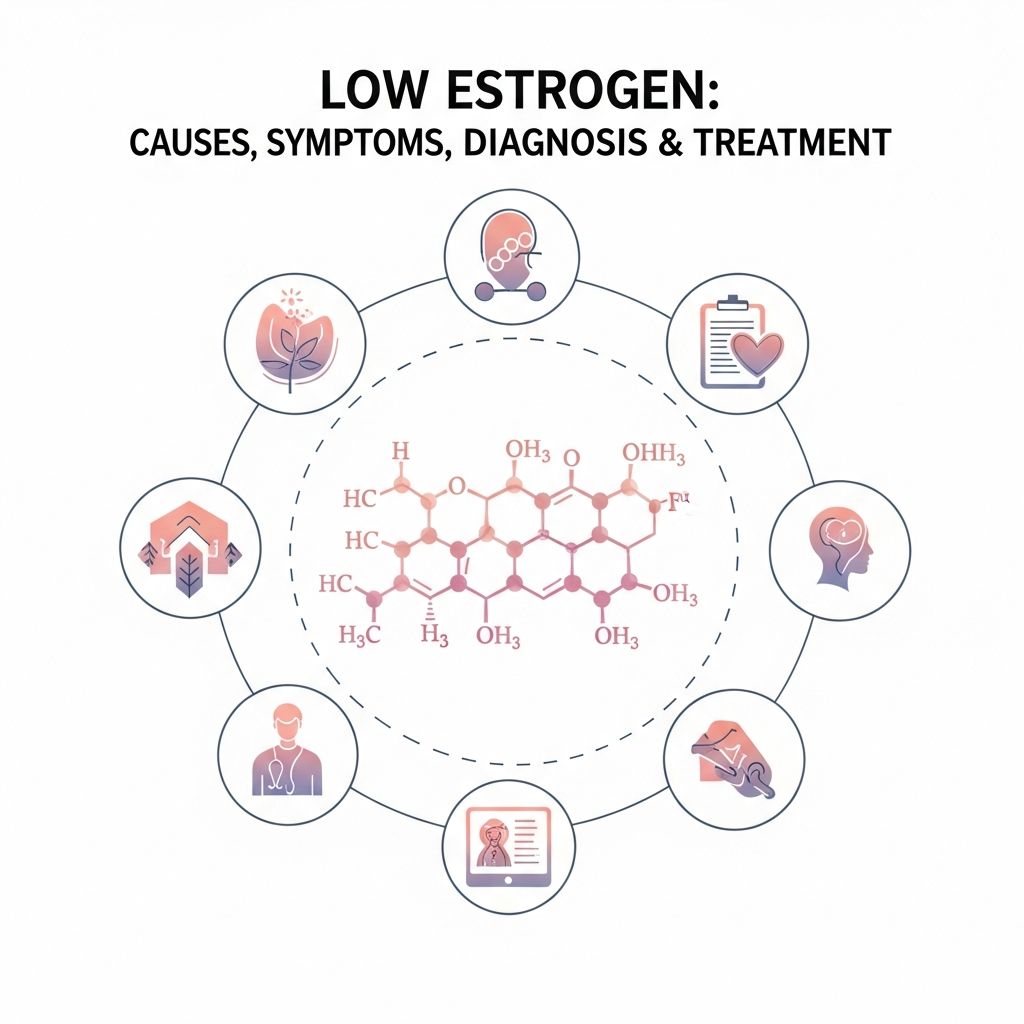
Understanding Low Estrogen
Estrogen is a crucial hormone that plays essential roles in your reproductive health, bone density, cardiovascular function, and overall well-being. When estrogen levels drop below normal ranges, it can trigger a cascade of uncomfortable symptoms and health concerns. Low estrogen levels are particularly common during menopause and postmenopause, but they can occur at any age for various reasons. Understanding the causes, recognizing the symptoms, and exploring treatment options can help you manage this condition effectively and maintain your quality of life.
The symptoms associated with low estrogen in your reproductive years often overlap with common symptoms associated with menopause and postmenopause. However, your specific symptoms will depend on what’s causing your low estrogen levels and the severity of the deficiency. Low estrogen is frequently a telltale sign that you’re approaching menopause, but it may also signify a fertility problem, a nutritional deficiency, or a medical condition like Turner syndrome.
Signs and Symptoms of Low Estrogen
Recognizing the signs of low estrogen is the first step toward addressing the issue. The symptoms can vary significantly from person to person, depending on age, overall health, and the underlying cause of the hormonal deficiency.
Common Symptoms Include:
- Hot flashes and night sweats
- Vaginal dryness and decreased vaginal lubrication
- Painful intercourse (dyspareunia)
- Mood changes, including depression and anxiety
- Sleep disturbances and insomnia
- Brain fog and difficulty concentrating
- Joint and muscle aches
- Dry skin and thinning hair
- Weight gain and slower metabolism
- Decreased libido
- Irregular or absent menstrual periods
- Thinning of vaginal tissue and urinary symptoms
When estrogen levels drop significantly, the vaginal walls become thin and produce less lubrication. This reduction in elasticity and moisture can lead to discomfort during sexual activity and increased susceptibility to urinary tract infections. Many women find that these symptoms substantially impact their daily activities and quality of life, making timely intervention important.
Causes of Low Estrogen
Low estrogen levels can result from various physiological, medical, and lifestyle factors. Understanding the underlying cause helps guide appropriate treatment decisions.
Primary Causes Include:
- Menopause and Perimenopause: The natural decline in estrogen production as women age, typically occurring in the 40s to 50s
- Premature Ovarian Insufficiency (POI): Early depletion of ovarian eggs before age 40, leading to reduced estrogen production
- Ovarian Surgery: Removal of or damage to the ovaries through surgical procedures
- Hysterectomy: Surgical removal of the uterus, which can affect hormone production
- Certain Medical Conditions: Turner syndrome, thyroid disorders, and pituitary dysfunction
- Excessive Exercise: Intense physical activity without adequate nutrition can suppress estrogen levels
- Low Body Fat: Since adipose tissue produces estrogen, insufficient body fat can reduce hormone levels
- Nutritional Deficiencies: Inadequate consumption of essential nutrients can impair hormone production
- Hormonal Contraceptives: Some birth control methods can affect estrogen levels
- Radiation and Chemotherapy: Cancer treatments can damage the ovaries and reduce estrogen production
Diagnosis of Low Estrogen
Diagnosing low estrogen involves clinical assessment and laboratory testing. Your healthcare provider will consider your symptoms, medical history, and physical examination findings before recommending diagnostic tests.
Diagnostic Methods:
Blood tests can confirm if your estrogen levels are low, but the interpretation requires clinical context. Estrogen levels naturally fluctuate throughout your menstrual cycle, so a single test may not provide a complete picture. Your provider may order multiple tests or use additional diagnostic criteria to establish a diagnosis. For instance, you aren’t considered in menopause until you haven’t had a menstrual cycle for one whole year, even if your estrogen levels are low. Estrogen can be assessed when your provider is unsure about the status of your hormones, such as when checking the hormones of a person who is menopausal or who’s had a hysterectomy.
Related Stories



Your healthcare provider will evaluate your symptoms, family medical history, personal medical history, and the severity of your symptoms to determine whether testing is necessary and what additional evaluation might be helpful. This comprehensive approach ensures accurate diagnosis and guides appropriate treatment decisions.
Treatment Options for Low Estrogen
Treatment for low estrogen depends on what’s causing your condition, the severity of your symptoms, and your individual health profile. Your healthcare provider will help develop a personalized treatment plan that balances symptom relief with overall health considerations.
Hormone Replacement Therapy (HRT)
Hormone replacement therapy is the most common and effective treatment for low estrogen, especially during menopause and postmenopause. With HRT, you take synthetic forms of estrogen and/or the hormone progesterone to boost your levels. This therapy can significantly alleviate uncomfortable symptoms and improve your quality of life, allowing you to return to activities you enjoy.
There are two main types of HRT:
1. Estrogen Therapy (ET)
You’ll take estrogen supplements only, with no progesterone. Your provider will only prescribe this therapy if you no longer have a uterus, such as after a hysterectomy. Estrogen-only therapy typically has fewer long-term risks compared to combination therapy. The therapy is usually daily, and how you apply or take it depends on which type of product you and your provider choose. Forms of estrogen include pills, patches, creams, gels, sprays, and vaginal rings.
2. Estrogen-Progesterone/Progestin Hormone Therapy (EPT)
If you still have a uterus, you’ll take a combination of estrogen and progesterone. Taking both hormones is important because progesterone balances the action of estrogen in the uterus. Estrogen thickens your uterine lining, and excessive thickening can cause overgrowth that may lead to uterine cancer. Progesterone prevents this dangerous overgrowth. Combined therapy can be administered as either continuous-combined therapy (taking both hormones daily) or cyclic therapy (varying the hormone doses throughout the month).
FDA-Approved Uses
The only FDA-approved reasons for body-wide hormone replacement therapy are low bone mineral density and hot flash treatment. These are typically administered in the form of pills or patches. Vaginal estrogen—in the form of rings, creams, and vaginal inserts—is formulated specifically to treat vaginal dryness and painful intercourse. Notably, vaginal estrogen is not approved for the treatment of hot flashes, though body-wide estrogen can sometimes affect vaginal tissue. It’s not unusual to need vaginal estrogen in addition to body-wide estrogen if you’re experiencing both hot flashes and painful intercourse.
Dosing Considerations
Providers prescribe the lowest doses possible to treat your symptoms while preventing side effects. People who lose estrogen too early (before age 40) are usually given higher doses to replace what their ovaries would typically produce for their age. Your healthcare provider will work with you to find the most effective dose that manages your symptoms with minimal adverse effects. There isn’t a one-size-fits-all approach to HRT; rather, your healthcare provider will create a treatment plan unique to you, your symptoms, and your health history.
Non-Hormonal and Alternative Treatments
While hormone replacement therapy is highly effective, other treatment options are available for those who cannot or prefer not to use HRT.
Lifestyle Modifications
You can often address low estrogen levels related to certain behaviors by making lifestyle adjustments. These modifications can be powerful tools in managing symptoms and improving overall health. Depending on what’s causing your low levels and the severity of your symptoms, you may need medicine to help, but lifestyle changes often play a crucial supporting role.
Dietary Approaches and Phytoestrogens
Foods and supplements that contain ingredients similar to estrogen may help boost your levels. Phytoestrogens are plant-based estrogens found in certain foods. Some studies suggest that eating foods containing phytoestrogens helps with menopause symptoms like hot flashes. Some phytoestrogens may help promote heart health, bone health, and skin elasticity, though more research is needed to confirm these benefits conclusively. Always speak with your provider before starting any regimen to increase your estrogen, as some supplements may interact with medications or conditions.
Emerging Therapies
Recent advances in treatment options include emerging therapies such as neurokinin-receptor antagonists, which have shown promise in reducing vasomotor symptoms with few adverse effects. Stellate ganglion blockade, a procedure involving injection of an anesthetic agent in the lower cervical or upper thoracic region, has demonstrated potential for alleviating hot flashes and night sweats in menopausal women. Mind-body therapies, lifestyle interventions, and other pharmacologic agents provide additional options when hormone-based treatments are not suitable or preferred.
Feminizing Hormone Therapy
If low estrogen levels prevent you from having the physical appearance you’d like, feminizing hormone therapy may be an option worth discussing with your healthcare provider. This specialized treatment addresses both the physiological and psychological aspects of hormone deficiency for transgender and gender-diverse individuals.
Managing Low Estrogen: A Personalized Approach
Your healthcare provider can help guide you to the right treatment answer for your specific situation. While treatments are readily available to help manage low estrogen symptoms, most often through hormone replacement therapy, medication, or lifestyle modifications, the key is finding what works best for your individual needs. You should discuss the risks and benefits of hormone therapy with your provider to determine if it’s right for you.
Your age, family medical history, personal medical history, and severity of symptoms are factors that may significantly affect your decision to pursue hormone therapy. Some people experience dramatic relief from symptoms with HRT, while others benefit from a combination of approaches. Being open with your healthcare provider about your symptoms, concerns, and preferences ensures that your treatment plan truly serves your health goals.
Frequently Asked Questions
Q: What is low estrogen?
A: Low estrogen refers to abnormally low levels of the hormone estrogen in your body. This can occur naturally during menopause, after surgical removal of the ovaries, or due to various medical conditions. Low estrogen often causes uncomfortable symptoms like hot flashes, vaginal dryness, mood changes, and sleep disturbances.
Q: At what age does low estrogen typically occur?
A: While low estrogen most commonly occurs during menopause (typically in the 40s to 50s), it can happen at any age. Premature ovarian insufficiency, certain medical conditions, surgical procedures, and lifestyle factors can all cause low estrogen in younger women. Your healthcare provider can determine if low estrogen is age-appropriate or warrants further investigation.
Q: How is low estrogen diagnosed?
A: Low estrogen is typically diagnosed through blood tests that measure estrogen levels, along with a thorough clinical evaluation of your symptoms and medical history. Since estrogen levels naturally fluctuate throughout the menstrual cycle, your provider may order multiple tests or consider additional diagnostic criteria. For menopause diagnosis specifically, you’re typically considered menopausal only after one full year without a menstrual period.
Q: What are the treatment options for low estrogen?
A: Treatment options include hormone replacement therapy (both estrogen-only and combination estrogen-progesterone), lifestyle modifications, dietary changes, vaginal estrogen for localized symptoms, and emerging therapies like neurokinin-receptor antagonists. Your healthcare provider will recommend the best approach based on your symptoms, medical history, and personal preferences.
Q: Is hormone replacement therapy safe?
A: Hormone replacement therapy can be safe and effective when prescribed appropriately and monitored by your healthcare provider. Like all medical treatments, HRT has both benefits and risks that vary based on individual factors such as age, medical history, and family history. Your provider can help determine if the benefits of HRT outweigh the risks for your specific situation.
Q: Can I prevent low estrogen?
A: While you can’t always prevent natural conditions associated with hormone imbalances, you can put good practices into place to help maintain your overall health. These include maintaining adequate nutrition, regular exercise, stress management, and healthy sleep habits. However, some causes of low estrogen, like natural menopause, are unavoidable.
Q: Do I need to take progesterone with estrogen therapy?
A: If you still have a uterus, yes—your healthcare provider will typically recommend taking progesterone along with estrogen. Progesterone is crucial because it prevents excessive thickening of the uterine lining that can be caused by estrogen alone, reducing the risk of uterine cancer. If you’ve had a hysterectomy, estrogen-only therapy is usually sufficient.
Q: What foods can help increase estrogen naturally?
A: Foods containing phytoestrogens (plant-based estrogens) may help support hormone balance. These include soy products, flaxseeds, legumes, and certain vegetables. However, always consult with your healthcare provider before making significant dietary changes or starting supplements, as they can interact with medications or existing health conditions.
Q: How long does it take for hormone replacement therapy to work?
A: Many people experience symptom relief within weeks of starting hormone replacement therapy, though it may take several months to find the right dose and formulation. Your healthcare provider may need to adjust your treatment plan over time to optimize symptom management while minimizing side effects. Regular follow-up appointments help ensure your treatment remains effective.
References
- Low Estrogen: Causes, Symptoms, Diagnosis & Treatment — Cleveland Clinic. 2024. https://my.clevelandclinic.org/health/diseases/22354-low-estrogen
- Estrogen: Hormone, Function, Levels & Imbalances — Cleveland Clinic. 2024. https://my.clevelandclinic.org/health/body/22353-estrogen
- Hormone Therapy for Menopause Symptoms — Cleveland Clinic. 2024. https://my.clevelandclinic.org/health/treatments/15245-hormone-therapy-for-menopause-symptoms
- Nonhormone Therapies for Vasomotor Symptom Management — Cleveland Clinic Journal of Medicine. 2024. https://www.ccjm.org/content/91/4/237
Similar Articles








Read full bio of medha deb