Low Estrogen Symptoms: 21 Signs, Causes, And Management
Recognize the signs of low estrogen, from hot flashes and mood swings to bone health risks, and explore effective management strategies.

Low estrogen levels are a common hormonal imbalance affecting women at various life stages, leading to a wide array of physical, cognitive, emotional, and sexual symptoms that can significantly impact daily life and long-term health. Estrogen, a key sex hormone, regulates numerous bodily functions, and its decline—often during perimenopause, menopause, postpartum periods, or due to other factors—triggers noticeable changes.
Understanding these symptoms is crucial for early intervention, as timely management can prevent complications like osteoporosis and heart disease. This article covers the full spectrum of low estrogen symptoms, underlying causes, diagnostic approaches, treatment options, and prevention strategies, drawing from expert insights to empower informed health decisions.
What Is Estrogen and Why Does It Matter?
Estrogen is primarily produced by the ovaries and plays vital roles in reproductive health, bone density maintenance, cardiovascular function, skin elasticity, and brain activity. It fluctuates naturally throughout a woman’s life but becomes problematic when levels drop significantly below normal ranges.
In reproductive years, estrogen supports regular menstrual cycles and fertility. During perimenopause (typically starting in the 40s), levels begin to decline erratically, leading to irregular periods. Postmenopause marks a sustained low-estrogen state, while temporary dips occur postpartum or with extreme dieting. Low estrogen disrupts these systems, manifesting in diverse symptoms that vary by individual factors like age, genetics, and lifestyle.
Physical Symptoms of Low Estrogen
The most recognizable physical signs stem from estrogen’s influence on thermoregulation, bone health, skin, and metabolism. These symptoms often appear gradually but can intensify over time.
- Hot flashes and night sweats: Sudden waves of heat, often with flushing and sweating, affect up to 80% of women in perimenopause. Night sweats disrupt sleep, exacerbating fatigue.
- Irregular or missed periods: Cycles shorten, lengthen, or stop entirely as ovarian function wanes.
- Breast tenderness: Hormonal shifts cause soreness or sensitivity.
- Bone density loss: Estrogen protects bones; low levels increase risks of osteopenia and osteoporosis, potentially leading to fractures.
- Joint and low back pain: Reduced lubrication and inflammation contribute to aches.
- Headaches and migraines: Vascular changes trigger more frequent episodes.
- Fatigue and low energy: Metabolic slowdown and poor sleep amplify exhaustion.
- Skin and hair changes: Dryness, thinning, wrinkles, and hair loss occur due to collagen loss.
- Unintended weight gain: Slower metabolism favors abdominal fat accumulation.
- Urinary incontinence: Weakened pelvic tissues lead to leakage.
- Increased heart disease risk: Estrogen’s protective effects on arteries diminish.
These symptoms overlap with other conditions, so professional evaluation is essential.
Cognitive and Emotional Symptoms of Low Estrogen
Estrogen influences neurotransmitter production and brain regions for memory and mood, so declines often cause mental fog and emotional instability.
- Brain fog: Difficulty concentrating, recalling words, or processing information, dubbed ‘menopause brain’.
- Memory problems: Short-term recall suffers due to reduced hippocampal activity.
- Mood swings: Rapid shifts from calm to tearful, linked to serotonin fluctuations.
- Irritability and anger: Heightened frustration from sleep disruption and hormonal imbalance.
- Anxiety: Increased worry and restlessness.
- Depression: Persistent sadness, with higher risk during menopausal transition.
Sleep disturbances from night sweats compound these issues, creating a cycle of cognitive decline. Studies show estrogen therapy can improve these symptoms in many cases.
Related Stories



Sexual Health Symptoms of Low Estrogen
Estrogen maintains vaginal and vulvar tissue health, lubrication, and libido. Declines lead to genitourinary syndrome of menopause (GSM).
- Decreased libido: Reduced sexual desire due to fatigue, mood changes, and direct hormonal effects.
- Vaginal dryness and atrophy: Thinning, inflamed tissues cause itching and irritation.
- Painful intercourse (dyspareunia): Lack of lubrication leads to discomfort or pain.
- Urinary issues: Frequent infections and urgency from urethral thinning.
These changes affect relationships and quality of life, but treatments like localized estrogen can restore comfort.
Causes of Low Estrogen
Low estrogen arises from natural transitions or pathological states.
| Cause | Description | Common Life Stage |
|---|---|---|
| Menopause/Perimenopause | Ovarian production ceases | 40s-50s |
| Postpartum/Breastfeeding | Suppressed to support lactation | After childbirth |
| Excessive exercise/dieting | Energy deficit halts production | Athletes, eating disorders |
| Premature ovarian insufficiency | Early ovary failure | Under 40 |
| Medical treatments | Chemotherapy, radiation, hysterectomy | Varies |
| Hypothalamic amenorrhea | Stress disrupts signals | Young women |
Primary causes include aging and lifestyle factors; genetic predispositions play a role.
How Low Estrogen Is Diagnosed
Diagnosis combines history, symptoms, and tests. Blood tests measure estradiol, FSH, and LH levels; FSH elevation confirms ovarian decline. Bone density scans (DEXA) assess osteoporosis risk. Pelvic exams evaluate vaginal health. Symptom trackers and menopause rating scales aid assessment. Consult a gynecologist or endocrinologist for personalized evaluation.
Treatments for Low Estrogen Symptoms
Tailored therapies alleviate symptoms and mitigate risks.
- Hormone Replacement Therapy (HRT): Systemic (pills, patches) for widespread symptoms; vaginal creams for GSM. Benefits outweigh risks for many under 60.
- Non-hormonal options: SSRIs for hot flashes/mood, gabapentin for night sweats, ospemifene for dyspareunia.
- Lifestyle changes: Balanced diet, weight management, exercise (150 min/week), stress reduction via yoga/meditation.
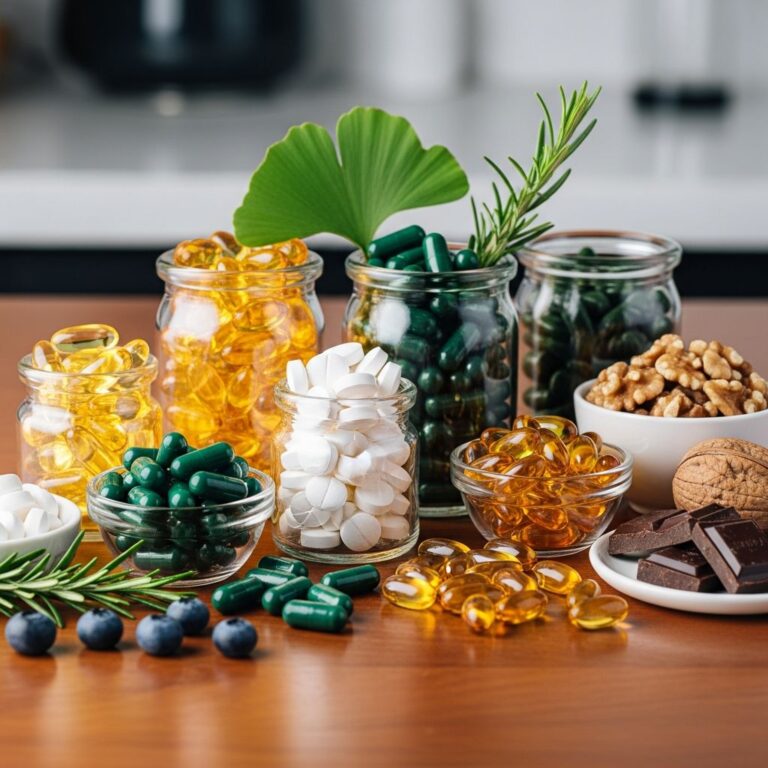
- Supplements: Phytoestrogens (soy), calcium/vitamin D for bones; evidence varies.
- Bone protection: Bisphosphonates if needed.
Work with providers to customize plans, monitoring for breast cancer or clot risks with HRT.
Prevention and Lifestyle Tips
Maintain estrogen balance through:
- Regular exercise to support weight and bone health.
- Calcium-rich diet (1,200 mg/day) and vitamin D.
- Limit alcohol/caffeine to reduce hot flashes.
- Quit smoking to preserve bone density.
- Practice sleep hygiene for cognitive health.
- Strength training for muscle and bone strength.
Early screening in perimenopause prevents severe declines.
Frequently Asked Questions (FAQs)
What are the first signs of low estrogen?
Common early signs include irregular periods, hot flashes, mood swings, and fatigue.
Can low estrogen cause weight gain?
Yes, it slows metabolism and promotes fat storage, especially abdominally.
Does low estrogen affect sleep?
Absolutely; night sweats and anxiety disrupt sleep cycles.
Is HRT safe for everyone?
No; it’s contraindicated in some with cancer history. Discuss risks with a doctor.
How long do symptoms last?
Varies; perimenopause symptoms may last 4-10 years, postpartum resolves post-weaning.
Can diet help low estrogen?
Nutrient-dense foods with phytoestrogens (flaxseeds, soy) and healthy fats support hormone production.
References
- Low Estrogen Symptoms: Top Causes and Treatments — Midi Health. 2023. https://www.joinmidi.com/post/low-estrogen-symptoms
- Symptoms of Low Estrogen in Women: Causes and Treatments — WeightWatchers. 2024. https://www.weightwatchers.com/us/blog/health/low-estrogen-symptoms
- Menopause: Effects of Low Estrogen Levels — OU Health. 2023. https://library.oumedicine.com/Search/3,84991
- Low Estrogen Symptoms in Women — Mito Health. 2024. https://mitohealth.com/blog/low-estrogen-symptoms-in-women
- Low Estrogen: Causes, Symptoms, Diagnosis & Treatment — Cleveland Clinic. 2024-01-24. https://my.clevelandclinic.org/health/diseases/22354-low-estrogen
Similar Articles








Read full bio of Sneha Tete