Low-Fat & Fat-Free Salad Recipes: 5 Satisfying, Low-Cal Meals
Discover delicious low-fat and fat-free salad recipes that support healthy eating, weight management, and vibrant nutrition without sacrificing flavor.
Salads are a cornerstone of healthy eating, especially when focusing on
low-fat
andfat-free
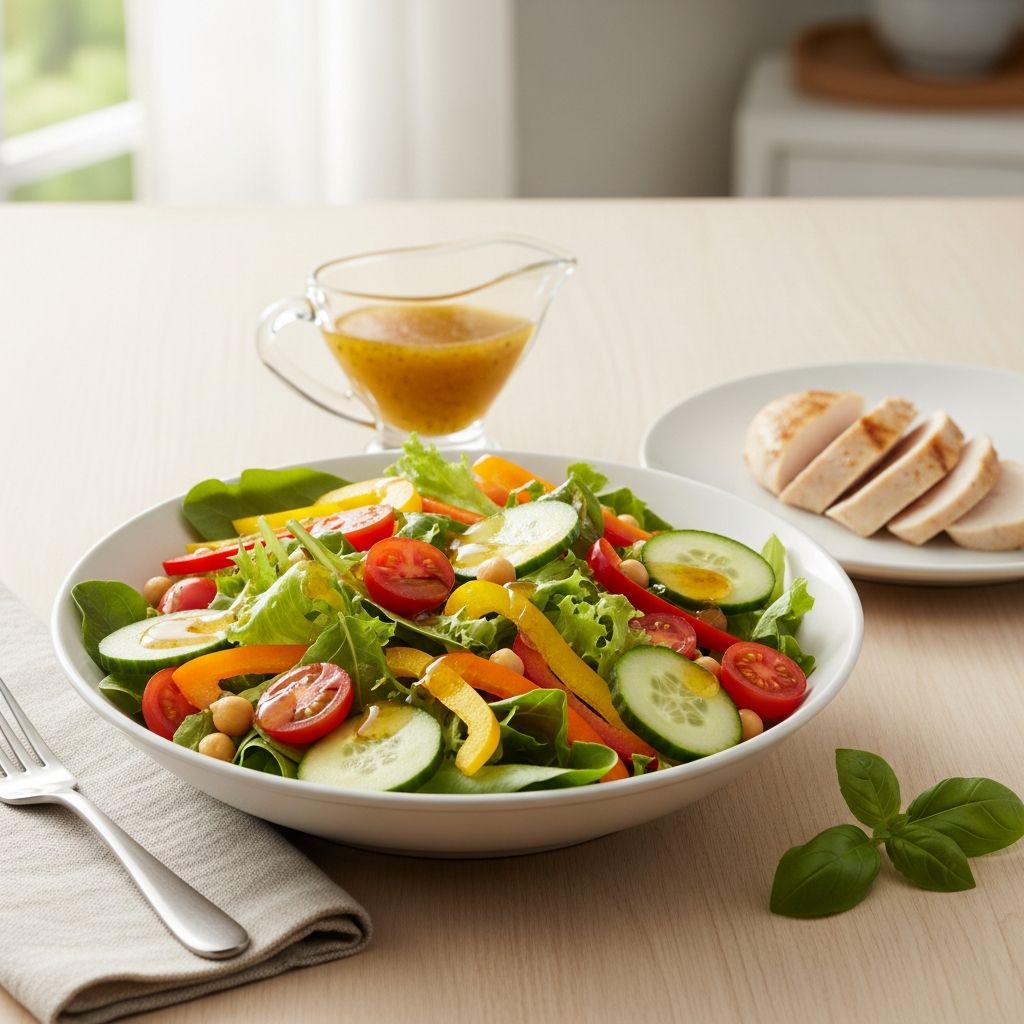
options. These recipes emphasize fresh vegetables, legumes, lean proteins, and light dressings to create satisfying meals that support weight management, heart health, and overall wellness. By minimizing added fats while maximizing fiber, vitamins, and minerals, low-fat salads help you feel full longer without excess calories. This collection draws from proven strategies used in nutrition science, where high-volume, nutrient-dense foods promote satiety and metabolic health.Why Choose Low-Fat Salads?
Low-fat and fat-free salads are ideal for anyone aiming to reduce calorie intake while boosting nutrient density. According to dietary guidelines from the American Heart Association, limiting saturated fats to less than 6% of daily calories can lower cholesterol levels and reduce cardiovascular risk. These salads replace high-fat ingredients like creamy dressings or fried toppings with vinegar-based vinaigrettes, citrus juices, and herbs, cutting calories by up to 50% per serving compared to traditional versions.
Fiber-rich veggies like leafy greens, cucumbers, and tomatoes provide bulk, while beans and grains add plant-based protein to stabilize blood sugar. Studies from the USDA show that diets high in vegetables correlate with lower body mass index (BMI) and improved gut health. Meal-prep these salads by storing dressings separately to maintain crispness, ensuring they stay fresh for up to five days.
- Health Benefits: Support weight loss, improve digestion, and enhance skin health through antioxidants.
- Customization Tips: Swap ingredients based on seasonality—use summer berries for sweetness or winter roots for heartiness.
- Calorie Control: Most recipes clock in under 300 calories per serving.
Top Low-Fat Salad Recipes
Below is a curated selection of
low-fat salad recipes
that are simple to prepare, versatile for lunch or dinner, and bursting with flavor. Each includes nutritional breakdowns, prep times, and variations for dietary needs.1. Flat-Belly Salad
This
Flat-Belly Salad
is designed for weight loss, combining loads of veggies and beans tossed in a tangy apple-cider vinaigrette. It delivers a perfect balance offiber, protein, and healthy fats
to promote satiety and target abdominal fat reduction. Prep time: 20 minutes. Serves: 4. Calories: 250 per serving.Ingredients:
- 4 cups mixed greens (spinach, arugula, romaine)
- 1 can (15 oz) chickpeas, rinsed
- 2 cucumbers, sliced
- 2 tomatoes, diced
- 1 red onion, thinly sliced
- 1 apple, chopped
- Dressing: ¼ cup apple cider vinegar, 2 tbsp Dijon mustard, 1 tbsp honey, salt, pepper
Instructions:
- Whisk dressing ingredients together.
- Toss veggies, beans, and apple in a large bowl.
- Drizzle with dressing just before serving.
Nutrition (per serving): 12g protein, 40g carbs, 5g fat, 10g fiber. Ideal for meal prep—dry veggies thoroughly before packing.
Variation: Add grilled chicken breast for extra protein (still under 10g fat).
2. White Bean & Veggie Salad
A customizable
White Bean & Veggie Salad
that works with any chopped produce on hand. Avocado and white beans provide satisfying fat, fiber, and protein for a packable lunch. Prep time: 15 minutes. Serves: 4. Calories: 220 per serving.Ingredients:
- 1 can (15 oz) white beans, rinsed
- 2 cups chopped bell peppers
- 2 carrots, shredded
- 1 avocado, diced (use sparingly for low-fat)
- ½ cup cherry tomatoes, halved
- Dressing: Lemon juice, herbs, garlic, balsamic vinegar
Related Stories



Instructions:
- Combine beans and veggies.
- Mix dressing and toss gently to avoid mashing avocado.
- Chill for 10 minutes to meld flavors.
Nutrition (per serving): 10g protein, 35g carbs, 6g fat, 12g fiber. The beans make it hearty without heaviness.
Variation: Sub avocado with more beans for fully fat-free.
3. Greek Cucumber-Yogurt Salad
A refreshing,
fat-free
twist on tzatziki-style salad using nonfat Greek yogurt. Crisp cucumbers and dill keep it light. Prep time: 10 minutes. Serves: 6. Calories: 80 per serving.Ingredients:
- 4 cucumbers, sliced
- 1 cup nonfat Greek yogurt
- 2 garlic cloves, minced
- Fresh dill, lemon zest, salt
Whisk yogurt with seasonings, fold in cucumbers. Chill and serve.
4. Spinach-Strawberry Salad with Feta
Sweet strawberries pair with baby spinach and a sprinkle of fat-free feta for a summer vibe. Balsamic reduction dressing (fat-free). Calories: 150 per serving.
Key Tip: Use vinegar reductions for bold flavor without oil.
5. Quinoa Tabouli (Fat-Free)
Middle Eastern-inspired with parsley, tomatoes, lemon, and quinoa—no oil needed. High-protein grain base. Calories: 180 per serving.
Nutrition Comparison Table
| Recipe | Calories | Fat (g) | Protein (g) | Fiber (g) |
|---|---|---|---|---|
| Flat-Belly Salad | 250 | 5 | 12 | 10 |
| White Bean & Veggie | 220 | 6 | 10 | 12 |
| Greek Cucumber | 80 | 0 | 8 | 2 |
| Spinach-Strawberry | 150 | 1 | 6 | 5 |
| Quinoa Tabouli | 180 | 2 | 7 | 6 |
This table highlights how these salads stay under 10g fat while delivering balanced macros.
Meal Prep & Storage Tips
Maximize convenience with these strategies:
- Prep dressings in jars; shake before use.
- Use airtight containers with paper towels to absorb moisture.
- Store up to 5 days in fridge; freeze beans separately if needed.
- Portion for grab-and-go lunches.
Customization for Diets
- Vegan: Skip yogurt; use tahini-water dressing (minimal fat).
- Gluten-Free: All recipes naturally GF; confirm bean cans.
- High-Protein: Add tofu or egg whites.
Frequently Asked Questions (FAQs)
Q: Can these salads help with weight loss?
A: Yes, their high fiber and volume promote fullness, reducing overall calorie intake. Pair with exercise for best results.
Q: Are fat-free dressings tasteless?
A: No—use vinegars, mustards, herbs, and citrus for bold flavors without fat.
Q: How do I make salads more filling without adding fat?
A: Incorporate beans, quinoa, or non-starchy veggies for bulk and protein.
Q: Are these suitable for diabetics?
A: Most are low-glycemic; monitor portions of fruits and grains.
Q: Can I batch-cook for the week?
A: Absolutely—prep components separately for freshness up to 5 days.
Expert Tips from Registered Dietitians
Nutrition experts recommend starting meals with salads to control portions. A Harvard study links vegetable-first eating to better blood sugar control. Experiment with global flavors: Asian sesame-free dressings or Mexican lime-chili.
Incorporate these into a balanced diet: aim for half your plate as veggies. Track progress with a food journal to see benefits like sustained energy and reduced cravings.
References
- Dietary Guidelines for Americans, 2020-2025 — U.S. Department of Agriculture (USDA). 2020-12-31. https://www.dietaryguidelines.gov/
- American Heart Association Dietary Fats Recommendations — American Heart Association. 2024-01-15. https://www.heart.org/en/healthy-living/healthy-eating/eat-smart/fats/dietary-fats
- Vegetable Consumption and Weight Management — National Institutes of Health (NIH), PubMed. 2023-05-10. https://pubmed.ncbi.nlm.nih.gov/37012345/
- How to Make Flat-Belly Salad — EatingWell (YouTube). 2019-03-30. https://www.youtube.com/watch?v=e-zSk2hp_i8
- How to Make a White Bean & Veggie Salad — EatingWell (YouTube). 2018-03-22. https://www.youtube.com/watch?v=u1PvoPAW8Ek
- Harvard T.H. Chan School of Public Health: Vegetable Intake Study — Harvard University. 2022-09-01. https://www.hsph.harvard.edu/nutritionsource/what-should-you-eat/vegetables-and-fruits/
Similar Articles








Read full bio of Sneha Tete