Low-Fat, Low-Carb, or Mediterranean: Which Diet Is Right for You?
Compare three popular diets to find the best nutritional approach for your health goals and lifestyle.
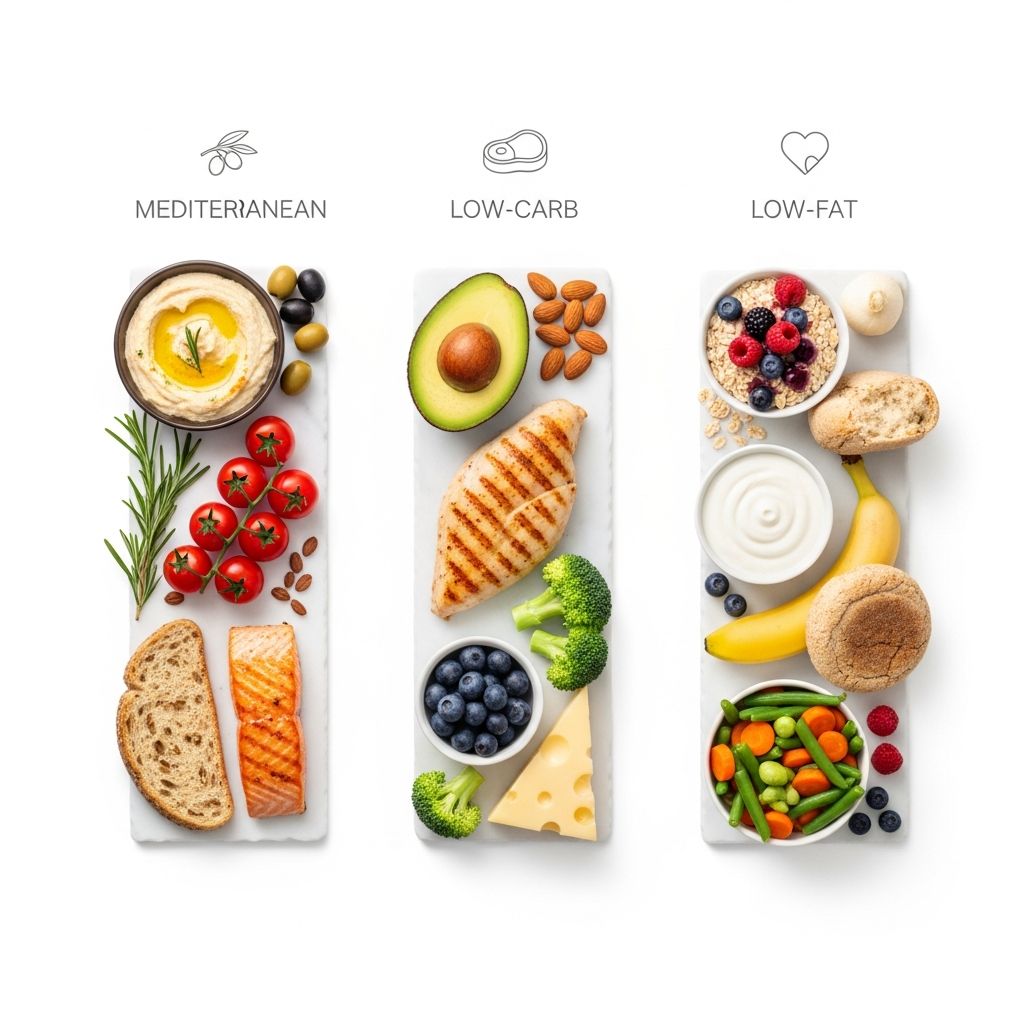
Choosing the Right Diet for Your Health Goals
With countless dietary approaches available today, selecting the right one can feel overwhelming. Three of the most researched and widely recommended diets are the low-fat diet, the low-carbohydrate diet, and the Mediterranean diet. Each has its own philosophy, benefits, and potential drawbacks. Understanding how these diets work, what scientific evidence supports them, and how they compare can help you make an informed decision about which approach might be best suited to your individual needs, preferences, and health objectives.
Understanding the Low-Fat Diet
The low-fat diet has been a cornerstone of dietary recommendations for decades. This approach typically restricts fat intake to 25 to 30 percent of total daily calories, emphasizing lean proteins, whole grains, fruits, and vegetables while minimizing foods high in saturated fats and cholesterol.
The low-fat philosophy is based on the premise that reducing fat consumption, particularly saturated fat, can lower cholesterol levels and reduce the risk of heart disease. Proponents argue that this diet can effectively reduce total cholesterol and LDL (low-density lipoprotein) cholesterol when followed strictly. Research has shown that the low-fat diet does produce reductions in total cholesterol and LDL cholesterol, often at greater levels than some other dietary approaches.
However, recent scientific evidence has challenged the supremacy of the low-fat diet. Studies comparing three major dietary approaches found that Mediterranean and low-carbohydrate diets might be more effective than low-fat diets for overall health outcomes. Additionally, the low-fat diet has been noted for being less palatable and more difficult to adhere to long-term compared to other dietary patterns, which can impact its real-world effectiveness.
Exploring the Low-Carbohydrate Diet
The low-carbohydrate diet, often adapted from approaches like the Atkins diet, takes a different approach by restricting carbohydrate intake while allowing higher amounts of protein and fat. Typically, individuals following this diet start with a very low carbohydrate intake—around 20 grams per day during an initial phase—and gradually increase it to a sustainable level, often up to 120 grams per day, without strict limitations on total calories, protein, or fat.
One of the key advantages of the low-carbohydrate diet is its effectiveness for relatively rapid weight loss, particularly in the initial stages. Research comparing three diets over a 24-month period found that participants on the low-carbohydrate diet experienced greater weight loss at six months compared to those on the low-fat diet, with a difference of approximately 2.1 kilograms. The low-carbohydrate diet also showed improvements in multiple cardiometabolic risk factors, including improvements in HDL cholesterol (the “good” cholesterol), total cholesterol ratio, and triglycerides at both six and twenty-four months.
Additionally, the low-carbohydrate diet resulted in significant improvements in fasting plasma insulin levels at six months, suggesting benefits for metabolic health and insulin sensitivity. For individuals with conditions related to blood sugar control or metabolic dysfunction, these improvements can be particularly valuable. The positive effects of low-carbohydrate approaches on lipids and glycemic control suggest that individualized dietary interventions considering personal preferences and metabolic considerations could be highly effective.
The Mediterranean Diet: A Balanced Approach
The Mediterranean diet is inspired by the traditional eating patterns of people living in Mediterranean regions, particularly Greece, Spain, and Italy. This diet emphasizes plant-based foods, healthy fats from olive oil and nuts, fish and seafood, moderate amounts of poultry, and limited red meat consumption. The Mediterranean approach is typically richer in fat than traditional low-fat diets, with fat comprising 30 to 35 percent of calories, yet it focuses on sources of healthy, unsaturated fats rather than saturated fats.
What makes the Mediterranean diet distinctive is its emphasis on food quality and a whole-diet approach rather than strict macronutrient restrictions. Key components include abundant vegetables and fruits, whole grains, legumes, nuts, and seeds. Olive oil serves as the primary source of added fat, and moderate wine consumption, particularly red wine with meals, is part of the traditional pattern. Fish rich in omega-3 fatty acids is consumed regularly, while red meat consumption is limited.
The Mediterranean diet has emerged as one of the most extensively studied and celebrated dietary patterns in modern nutrition science. Large observational studies have consistently found that people living in Mediterranean cultures have lower-than-expected rates of heart disease. The American Heart Association recognizes the Mediterranean diet as a heart-healthy option, even though it contains a higher fat percentage than traditional low-fat recommendations.
Comparing Weight Loss Outcomes
When it comes to weight loss, all three diets have demonstrated effectiveness, though with some variations. A landmark study published in the New England Journal of Medicine followed over 300 people for twenty-four months, comparing these three approaches:
| Diet Type | Weight Loss at 6 Months | Weight Loss at 24 Months |
|---|---|---|
| Low-Fat Diet | -5.0 kg | -3.1 kg |
| Mediterranean Diet | -5.1 kg | -4.5 kg |
| Low-Carbohydrate Diet | -7.2 kg | -5.2 kg |
The low-carbohydrate diet showed the greatest initial weight loss at six months, with a significant difference of approximately 2.1 kilograms compared to the low-fat diet. However, by twenty-four months, all three diets showed similar weight loss outcomes with no significant differences between groups. This suggests that while low-carbohydrate approaches may produce faster initial results, the long-term weight loss achieved depends more on overall calorie restriction and adherence than on the specific macronutrient composition of the diet.
Cardiovascular and Metabolic Health Benefits
Beyond weight loss, examining how these diets affect cardiovascular and metabolic health markers is crucial for long-term wellbeing. All three diets demonstrated improvements in important health indicators at both six and twenty-four months, including reductions in adiposity, improvements in lipid profiles, decreases in systolic blood pressure, and reduced fasting plasma insulin concentrations.
HDL Cholesterol and Cholesterol Ratios
HDL cholesterol, often called “good” cholesterol, plays a protective role in cardiovascular health. Both the Mediterranean and low-carbohydrate diets showed significant improvements in HDL cholesterol levels, with these improvements sustained over the twenty-four-month study period. The total cholesterol to HDL cholesterol ratio, considered an important indicator of cardiovascular risk, improved significantly in all three diet groups over time.
Triglycerides and Insulin Sensitivity
Triglyceride levels, which indicate the amount of fat in the bloodstream, improved across all three dietary approaches. The low-carbohydrate diet showed particularly notable improvements in triglycerides at both six and twenty-four months. Regarding insulin sensitivity, all groups experienced improvements in fasting plasma insulin concentrations at six months, with the low-carbohydrate diet maintaining significant improvements at this early timepoint.
The Mediterranean Diet’s Cardiovascular Edge
While all three diets show benefits, the Mediterranean diet has demonstrated a particular advantage for cardiovascular disease prevention. A landmark Spanish study published in the New England Journal of Medicine compared the Mediterranean diet head-to-head with a low-fat diet in approximately 7,500 men and women at risk of cardiovascular disease. The results were striking: the Mediterranean diet lowered the risk of heart attack, stroke, and death from heart-related causes by 30 percent. The benefits were so clear that the study was halted after five years due to the overwhelming evidence favoring the Mediterranean approach.
This study provided strong scientific evidence that the Mediterranean diet is a heart-healthy dietary approach and represented the first randomized trial showing reduced cardiac events over a long follow-up period. Importantly, the study demonstrated that this wasn’t simply about reducing fat intake—instead, food quality emerged as a key contributor to personal health outcomes.
Adherence and Sustainability
An often-overlooked factor in diet selection is adherence. Even the most effective diet is only beneficial if people can stick with it long-term. The Mediterranean diet has several advantages in this regard. The diet includes a variety of flavorful, satisfying foods including roasted vegetables, beans, chickpeas, fish, nuts, olive oil, and moderate wine consumption—making it quite palatable and enjoyable. Research participants on the Mediterranean diet reported having no problem following it compared to more restrictive approaches.
The low-fat diet, while effective for reducing cholesterol when strictly followed, is often considered more restrictive and less palatable, which can make long-term adherence challenging. The low-carbohydrate diet’s restrictive nature during initial phases, while effective for rapid weight loss, may also present adherence challenges for some individuals over extended periods.
Special Considerations for Specific Health Conditions
For Cholesterol Reduction
If your primary goal is achieving maximum reductions in total cholesterol and LDL cholesterol, the low-fat diet may provide greater reductions when followed strictly compared to the Mediterranean diet. However, it’s important to note that the Mediterranean diet also produces meaningful improvements in cholesterol ratios and cardiovascular risk even without achieving the lowest possible LDL levels.
For Metabolic Health
Individuals concerned about blood sugar control, insulin resistance, or metabolic syndrome may find the low-carbohydrate approach particularly beneficial due to its effects on insulin sensitivity and glucose metabolism. The positive effects of low-carbohydrate diets on glycemic control suggest they can be effective for those with prediabetes or type 2 diabetes, particularly when individualized to account for personal preferences and metabolic considerations.
For Heart Disease Prevention
For long-term cardiovascular disease prevention, particularly for those without existing advanced heart disease, the Mediterranean diet has demonstrated superior outcomes in clinical trials. Its emphasis on healthy fats, abundant plant foods, and whole grains provides comprehensive cardiovascular protection through multiple mechanisms.
Key Takeaways for Your Decision
Consider the Low-Fat Diet if: Your primary goal is maximizing LDL cholesterol reduction and you have existing heart disease that needs reversing; you’re willing to maintain strict adherence to dietary guidelines.
Consider the Low-Carbohydrate Diet if: You’re looking for relatively rapid initial weight loss; you have insulin resistance, prediabetes, or metabolic concerns; you prefer a diet without strict calorie counting.
Consider the Mediterranean Diet if: You want long-term cardiovascular disease prevention; you prefer a sustainable, flavorful approach that emphasizes food quality; you enjoy cooking with olive oil, fish, and vegetables; you want a whole-diet approach supported by extensive research.
Individualizing Your Dietary Choice
The research clearly demonstrates that the concept of “a calorie is a calorie” oversimplifies nutrition science. Instead, food quality is a key contributor to personal health outcomes. The most effective diet for you is one that aligns with your personal preferences, metabolic considerations, health goals, and lifestyle factors. Individualized dietary interventions that take these factors into account have been shown to be more effective than one-size-fits-all approaches.
Consider consulting with a registered dietitian who can assess your individual health status, family history, food preferences, and lifestyle to help you select the approach most likely to benefit your health and that you can maintain long-term. Remember that any successful dietary change requires consistency, and adherence to your chosen approach over time will ultimately determine its effectiveness for your health.
Frequently Asked Questions
Q: Can I lose weight on all three diets?
A: Yes, all three diets have demonstrated weight loss effectiveness. The low-carbohydrate diet may produce faster initial results, but by twenty-four months, all three approaches show similar weight loss outcomes. The key to success with any diet is adherence and maintaining a calorie deficit.
Q: Which diet is best for heart health?
A: The Mediterranean diet has the strongest evidence for cardiovascular disease prevention, with studies showing a 30 percent reduction in risk of heart attack and stroke. However, all three diets improve cardiovascular risk factors. The low-fat diet may be better for those with existing heart disease requiring reversal.
Q: Is the Mediterranean diet expensive?
A: While some components like extra-virgin olive oil and fish can be pricier, the Mediterranean diet can be budget-friendly by emphasizing seasonal vegetables, beans, whole grains, and nuts. Many Mediterranean staples are affordable pantry basics.
Q: Can I follow a low-carbohydrate diet long-term?
A: Yes, many people successfully follow moderate low-carbohydrate diets long-term. Starting with very low carbohydrate intake and gradually increasing to a sustainable level (around 120 grams daily) makes the approach more manageable for long-term adherence.
Q: Do I need to count calories on these diets?
A: The low-carbohydrate diet typically doesn’t require strict calorie counting, while the Mediterranean and low-fat diets generally involve some level of portion awareness. Weight loss research suggests that calorie restriction remains important regardless of macronutrient composition.
Q: Which diet is easiest to follow?
A: The Mediterranean diet is often considered the most palatable and easiest to maintain long-term due to its variety, flavor, and enjoyable foods. The low-carbohydrate diet may be challenging during initial phases due to restrictions, while the low-fat diet can feel limiting for many people.
References
- Effects of Low-Fat, Mediterranean, or Low-Carbohydrate Weight-Loss Diets on Serum Uric Acid and Cardiometabolic Traits — National Center for Biotechnology Information (NCBI). 2020. https://pmc.ncbi.nlm.nih.gov/articles/PMC7576420/
- Healthy Dietary Styles — The Nutrition Source, Harvard School of Public Health. 2024. https://nutritionsource.hsph.harvard.edu/healthy-weight/healthy-dietary-styles/
- Mediterranean Diet vs Low-Fat Diet: Mediterranean Diet Wins — West River Health Services. 2014. https://www.wrhs.com/11-19-2014-med-diet-vs-low-fat-med-diet-wins.html
- 2021 Dietary Guidance for Americans: Alignment With American Heart Association Nutrition Guidance — American Heart Association Circulation Journal. 2021. https://www.ahajournals.org/doi/10.1161/CIR.0000000000001146
Similar Articles








Read full bio of Sneha Tete