Low-Fat vs. Full-Fat Dairy: Which Is Better for You?
Discover the science behind dairy fat content and make informed choices for your health.
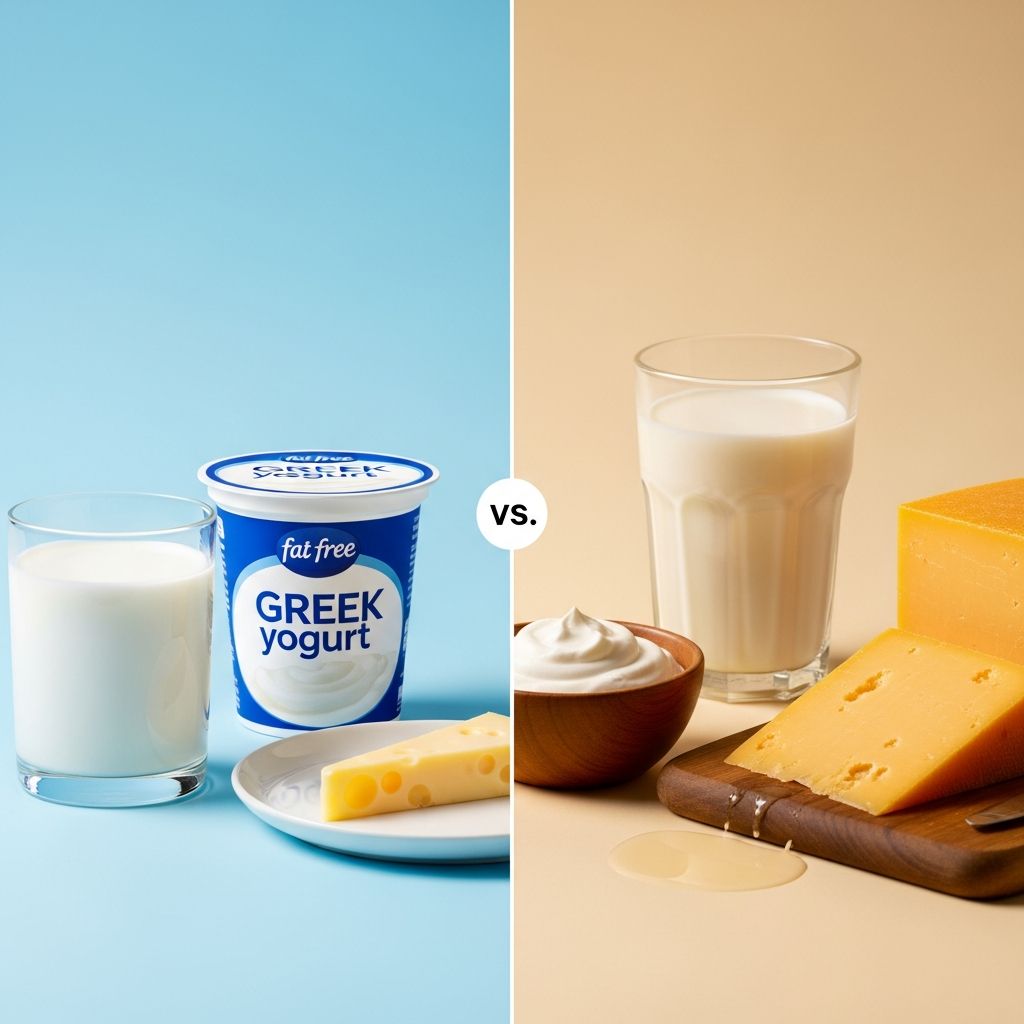
For decades, nutritionists and health organizations have recommended low-fat and fat-free dairy products as the heart-healthier choice. However, recent scientific research has challenged this long-held assumption, suggesting that the relationship between dairy fat and overall health may be more complex than previously believed. Whether you’re shopping for milk, yogurt, cheese, or other dairy products, understanding the current evidence can help you make informed dietary decisions that align with your personal health goals.
The Traditional Recommendation: Low-Fat Dairy
The push toward low-fat dairy products began decades ago, rooted in the belief that saturated fat increases cholesterol levels and raises the risk of heart disease. The 2015-2020 Dietary Guidelines for Americans and recommendations from the American Heart Association both advocated for consuming low-fat or non-fat dairy products to reduce calorie and saturated fat intake. This guidance was based on earlier research, including the landmark Nurses’ Health Study, which suggested that low-fat dairy consumption maintained healthy metabolic parameters.
The rationale seemed straightforward: whole milk contains approximately 5 grams of saturated fat per glass, representing about 20 percent of the daily recommended amount. Since saturated fatty acids were traditionally thought to raise the ratio of LDL (bad) cholesterol to HDL (good) cholesterol, limiting saturated fat through low-fat dairy appeared to be a sensible dietary strategy.
The Dairy Fat Paradox: New Evidence Emerges
In recent years, a growing body of scientific evidence has called into question whether low-fat dairy products truly offer superior health benefits compared to their full-fat counterparts. This phenomenon has become known as the “dairy fat paradox”—the unexpected finding that high-fat dairy products do not cause obesity, contribute to diabetes, or increase cardiovascular disease risk as previously assumed. In fact, emerging research suggests that dairy fat may behave differently than other saturated fats in the body.
A comprehensive review of multiple studies found that dairy consumption is “neutral” regarding cardiovascular disease risk, regardless of fat content. This means that consuming whole milk does not raise the risk of heart attack or stroke more significantly than other foods typically compared in dietary studies. The key insight here is understanding what dairy is being compared against in research.
Understanding the Comparison Factor
According to Walter Willett, professor of epidemiology and nutrition at Harvard T.H. Chan School of Public Health, the perceived neutrality of dairy consumption depends heavily on what foods it replaces in your diet. Large studies typically compare dairy products with refined grains, red and processed meats, and sugary beverages. When viewed through this lens, a “neutral” classification means that dairy foods are approximately as unhealthy as the mix of other foods in the study population.
However, when dairy products are compared against plant-based protein sources such as nuts or soy, the picture changes dramatically. Research has demonstrated that swapping dairy for plant proteins is associated with lower cardiovascular disease risk and reduced premature mortality. This finding suggests that the real question isn’t necessarily about fat content within dairy but rather about what dietary choices replace dairy products in your overall eating pattern.
Saturated Fat: The Nuanced Story
Whole milk does contain more saturated fat than low-fat milk—approximately 5 grams per glass compared to minimal amounts in skim milk. However, research indicates that dairy fat may function differently in the body than saturated fats from other sources. The specific types of fatty acids present in dairy, including short- and medium-chain saturated fatty acids, appear to have different metabolic effects than other saturated fats.
Related Stories



Dr. Dariush Mozaffarian, a cardiologist and director of the Food is Medicine Institute at Tufts University, has noted that saturated fat occupies a middle ground in dietary health—it’s “not the best thing in the diet, it’s not the worst thing in the diet.” Recent research from France found that full-fat dairy consumption was not associated with heart disease or stroke risk, and fermented full-fat products like cheese and yogurt actually showed reduced stroke risk.
The Hidden Problem with Low-Fat Dairy
While low-fat dairy reduces saturated fat intake, it often introduces different concerns. Many individuals who consume low-fat milk unconsciously replace the missing calories with foods from other sources, often ultraprocessed options high in sugar or unhealthy fats. Additionally, manufacturers frequently add sugars and artificial flavors to low-fat dairy products to improve taste and appeal to consumers, particularly children.
This substitution effect means that choosing low-fat milk might not provide the health benefit you expect if those saved calories are replaced with sugary snacks, refined carbohydrates, or processed foods. In some cases, the added sugars in flavored low-fat products may pose greater health risks than the saturated fat in whole milk.
What Recent Research Reveals About Dairy and Disease Risk
Cardiovascular Disease
The most recent Dietary Guidelines Advisory Committee found scant evidence that low-fat dairy was healthier than whole-fat dairy for cardiovascular health. The committee’s December 2024 report concluded that “substituting higher-fat dairy with lower-fat dairy by adults and older adults is not associated with a difference in risk of cardiovascular disease morbidity,” though they based this conclusion on “limited” evidence.
Type 2 Diabetes
A meta-analysis of 22 cohort studies found an inverse association between both whole and low-fat dairy consumption and type 2 diabetes incidence. Interestingly, no significant associations were found for high-fat dairy specifically, suggesting that moderate consumption of full-fat dairy products may not increase diabetes risk as traditionally believed.
Obesity and Metabolic Syndrome
Contrary to conventional wisdom, recent scientific evidence challenges the belief that high-fat dairy products contribute to obesity. Large-scale studies have not demonstrated that consuming whole milk increases body weight or metabolic problems compared to low-fat alternatives.
Practical Guidance for Dairy Consumption
Key Recommendations from Harvard Experts
If you only consume one serving of dairy per day, the fat content makes minimal difference for cardiovascular health. With low-fat dairy products, carefully monitor whether fat calories are being replaced with sugar and refined starches, as these substitutions may be equally or more harmful. Rather than consuming higher amounts of dairy specifically for protein, emphasize plant sources of protein such as nuts or minimally sweetened soy milk.
The Importance of Overall Dietary Context
The choice between low-fat and full-fat dairy should not overshadow the importance of overall dietary patterns. Focus on consuming adequate vegetables, fruits, whole grains, and plant-based proteins. The overall quality of your diet matters far more than optimizing a single food category. If you currently consume whole milk and enjoy it, switching to low-fat milk to reduce saturated fat while simultaneously increasing consumption of sugary beverages or processed snacks would likely be counterproductive.
Plant-Based Alternatives: Worth Considering
Plant-based milk alternatives offer compelling benefits worth exploring. Soy milk, for example, generally contains comparable amounts of calcium, protein, and vitamins A and D as dairy milk, with evidence suggesting it reduces cholesterol and may lower breast cancer risk. Other plant-based options like almond milk and oat milk provide additional variety, though their nutritional profiles vary by product.
Replacing some dairy with plant-based options has been associated with lower cardiovascular risk in research studies. Beyond health considerations, plant-based milks offer environmental benefits and are better tolerated by those with lactose intolerance.
Comparison: Low-Fat vs. Full-Fat Dairy at a Glance
| Factor | Low-Fat/Skim Dairy | Full-Fat Dairy |
|---|---|---|
| Saturated Fat Content | Minimal (less than 1g per serving) | Moderate (4-5g per serving) |
| Calories | Lower (typically 80-100 calories per cup) | Higher (typically 150 calories per cup) |
| Protein Content | Similar to full-fat | Similar to low-fat |
| Calcium Content | Similar to full-fat | Similar to low-fat |
| Added Sugars | Often contains added sugars and flavorings | Naturally contains only milk sugars (lactose) |
| Cardiovascular Risk | No proven superior benefit | No increased risk demonstrated in recent research |
| Satiety Factor | May be less filling due to lower fat | Higher fat content increases satiety |
| Cost | Typically similar or slightly lower | Typically similar or slightly higher |
Special Considerations for Different Populations
Children
For children, full-fat milk provides important nutrients supporting growth and brain development. The fat-soluble vitamins in whole milk, including vitamins A, D, and K, are crucial during childhood. Unless specifically directed by a pediatrician due to obesity concerns, whole milk is generally recommended for children under two years old.
Older Adults
Older adults benefit from the protein and calcium in dairy, regardless of fat content. The satiety provided by full-fat dairy might help with appetite regulation in seniors prone to undereating. However, calorie intake should be monitored, and individual health conditions should guide choices.
Those with Weight Management Goals
For individuals specifically aiming to reduce calorie intake, low-fat dairy offers a slightly lower-calorie option. However, the potential replacement of fat calories with sugary alternatives must be carefully considered and avoided.
Frequently Asked Questions
Q: Is whole milk bad for your heart?
A: Recent research suggests that whole milk is not inherently bad for heart health. The “neutral” cardiovascular impact of dairy consumption, regardless of fat content, means that moderate whole milk consumption does not significantly increase heart disease or stroke risk when compared with typical dietary alternatives. However, overall dietary context matters more than any single food.
Q: Will switching from whole milk to low-fat milk help me lose weight?
A: Switching may result in modest calorie reduction, but only if the saved calories aren’t replaced with other foods. Many people unconsciously compensate by eating additional snacks or choosing higher-sugar alternatives. Weight loss depends more on total calorie balance and overall dietary quality than on this single substitution.
Q: Are dairy alternatives like soy or almond milk healthier than cow’s milk?
A: Plant-based alternatives offer distinct benefits, particularly for those with lactose intolerance or environmental concerns. Soy milk provides comparable protein and nutrients to dairy milk with potential cardiovascular benefits. Other alternatives vary in nutritional content and should be chosen based on your individual health goals and dietary needs.
Q: If I only drink milk occasionally, does fat content matter?
A: If you consume only one serving of dairy daily, the fat content makes minimal practical difference for cardiovascular health. Your choice can be based on personal preference, taste, and how it fits within your overall diet rather than health concerns about fat content specifically.
Q: Should I be concerned about saturated fat in cheese and yogurt?
A: Research on fermented dairy products like cheese and yogurt shows they may actually reduce stroke risk, despite their saturated fat content. This suggests that dairy fat behaves differently than saturated fat from other sources, and these foods may offer specific health benefits independent of fat content.
Q: What’s the best approach if I’m unsure which dairy to choose?
A: Focus on your overall diet rather than optimizing single foods. Choose dairy products you enjoy and will consume consistently. Ensure you’re not replacing dairy fat with added sugars or processed foods. Incorporate diverse plant proteins like nuts, legumes, and whole grains. If dairy doesn’t suit your preferences or dietary needs, plant-based alternatives are valid options.
The Bottom Line
The debate over low-fat versus full-fat dairy reflects evolving scientific understanding. Rather than viewing this as a simple choice between “good” and “bad” options, current evidence suggests a more nuanced reality. Both low-fat and full-fat dairy can be part of a healthy diet when consumed in appropriate amounts and as part of an overall balanced eating pattern.
The most important factors are avoiding the replacement of dairy fat with added sugars and refined carbohydrates, maintaining overall dietary quality, emphasizing plant-based proteins, and choosing options that align with your personal health goals and preferences. Whether you select whole, low-fat, or plant-based milk, the overall dietary context and consistent healthy habits matter far more than optimizing fat content in a single food category.
References
- Is low-fat milk better than whole milk for heart health? — Harvard T.H. Chan School of Public Health. 2024-09-08. https://hsph.harvard.edu/news/is-low-fat-milk-better-than-whole-milk-for-heart-health/
- Low-fat milk vs. whole milk: Harvard on which is better for your heart health? — Economic Times. 2024-12-01. https://economictimes.com/news/india/low-fat-milk-vs-whole-milk-harvard-on-which-is-better-for-your-heart-health/
- The dairy fat paradox: Whole dairy products may be healthier than previously thought — National Center for Biotechnology Information (NCBI/PMC). 2019. https://pmc.ncbi.nlm.nih.gov/articles/PMC6014779/
- A Battle Is Brewing Over Whole Milk — TIME Magazine. 2024-12-20. https://time.com/7316536/is-whole-milk-healthy-maha/
Similar Articles








Read full bio of medha deb