Low-FODMAP Diet: Managing IBS Symptoms Effectively
Discover how the low-FODMAP diet can help manage IBS symptoms and improve your digestive health.
Understanding Irritable Bowel Syndrome and Dietary Management
Irritable bowel syndrome (IBS) affects millions of people worldwide, significantly impacting quality of life with symptoms including abdominal pain, bloating, diarrhea, and constipation. Unlike inflammatory bowel diseases, IBS is a functional disorder without visible inflammation or tissue damage. For many patients, traditional medical therapies offer limited relief, making dietary interventions an increasingly important treatment approach. The low-FODMAP diet has emerged as one of the most evidence-based dietary strategies for managing IBS symptoms effectively.
What Are FODMAPs?
FODMAP is an acronym that stands for Fermentable Oligosaccharides, Disaccharides, Monosaccharides, and Polyols. These are short-chain carbohydrates that are poorly absorbed in the small intestine and pass into the large intestine, where they undergo fermentation by gut bacteria. This fermentation process produces gas and increases water retention in the colon, leading to the characteristic IBS symptoms of bloating, distention, gas, and altered bowel movements.
In people with IBS, the digestive system appears to be particularly sensitive to these fermentable carbohydrates. By reducing FODMAP intake, patients can decrease the amount of readily fermentable substrates reaching the distal small intestine and colon, thereby reducing gas production and luminal distention. This mechanism explains why many IBS patients experience significant symptom improvement on a low-FODMAP diet.
Types of FODMAPs to Understand
To successfully follow a low-FODMAP diet, it’s important to recognize the different categories of FODMAPs:
Oligosaccharides
Oligosaccharides include fructans and galacto-oligosaccharides (GOS). Fructans are found in wheat, onions, garlic, and certain fruits and vegetables. These compounds are particularly problematic for many IBS sufferers and trigger significant symptoms when consumed.
Disaccharides
Lactose is the primary disaccharide of concern. Found in milk and many dairy products, lactose requires the enzyme lactase for proper digestion. Many people with IBS experience lactose malabsorption, leading to gas, bloating, and diarrhea.
Monosaccharides
Fructose is the main monosaccharide that causes problems. While fructose occurs naturally in many fruits, some fruits contain fructose in excess of glucose, making them particularly high in FODMAPs. Honey and high-fructose corn syrup are other significant sources.
Polyols
Polyols include sorbitol, mannitol, xylitol, and maltitol. These sugar alcohols are found in some fruits, vegetables, and artificial sweeteners. They are poorly absorbed and contribute to osmotic diarrhea and fermentation-related symptoms.
How the Low-FODMAP Diet Works
The low-FODMAP diet typically involves three phases designed to identify trigger foods and achieve long-term symptom management.
Phase One: Elimination (4-8 weeks)
The first phase involves strictly eliminating high-FODMAP foods for four to eight weeks. This period allows the gut to settle and symptoms to resolve, establishing a baseline of digestive comfort. During this phase, patients follow a carefully planned diet that excludes most common FODMAP triggers while ensuring adequate nutrition.
Related Stories



Phase Two: Reintroduction (8-12 weeks)
Once symptoms improve, patients gradually reintroduce high-FODMAP foods one at a time in small quantities. Each food is tested for about three days before moving to the next. This systematic approach helps identify which specific FODMAPs trigger symptoms in each individual, as IBS patients have varying sensitivities.
Phase Three: Personalization (Long-term)
Based on reintroduction findings, patients develop a personalized long-term diet that includes tolerated foods while continuing to avoid their identified triggers. This approach provides maximum dietary flexibility while minimizing symptoms.
Foods to Avoid on a Low-FODMAP Diet
Understanding which foods are high in FODMAPs is crucial for successful implementation. Common foods to eliminate during the initial phase include:
Vegetables and Legumes
Onions, garlic, mushrooms, asparagus, Brussels sprouts, and legumes like chickpeas and lentils are high in FODMAPs. These vegetables contain fructans or GOS that trigger fermentation and symptoms in sensitive individuals.
Fruits
Apples, pears, mangoes, stone fruits, and watermelon contain excess fructose. While fruits are typically healthy, many IBS patients find these varieties problematic due to their high FODMAP content.
Dairy Products
Regular milk, yogurt, and soft cheeses contain lactose. Patients should substitute these with lactose-free alternatives or lactose-free dairy products during the elimination phase.
Grains and Bread
Wheat-based products contain fructans. This includes most conventional bread, pasta, and cereals. Low-FODMAP alternatives like rice, corn, and gluten-free oats are better tolerated.
Sweeteners
Honey, high-fructose corn syrup, and sugar alcohols (sorbitol, xylitol, mannitol) should be avoided. Regular sugar and glucose are acceptable sweetening options.
Caffeine and Alcohol
While not technically FODMAPs, caffeine and alcohol can aggravate IBS symptoms. Caffeine stimulates the colon and can trigger loose bowel movements or cramping, while alcohol can increase gut sensitivity.
Recommended Foods on a Low-FODMAP Diet
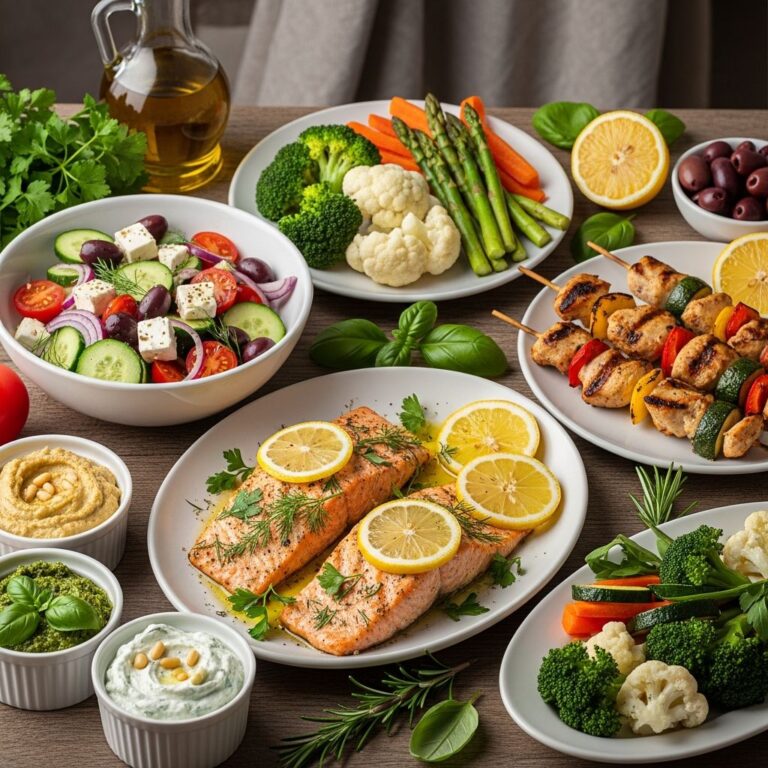
Many nutritious foods are low in FODMAPs and can be enjoyed freely during the elimination phase:
Vegetables
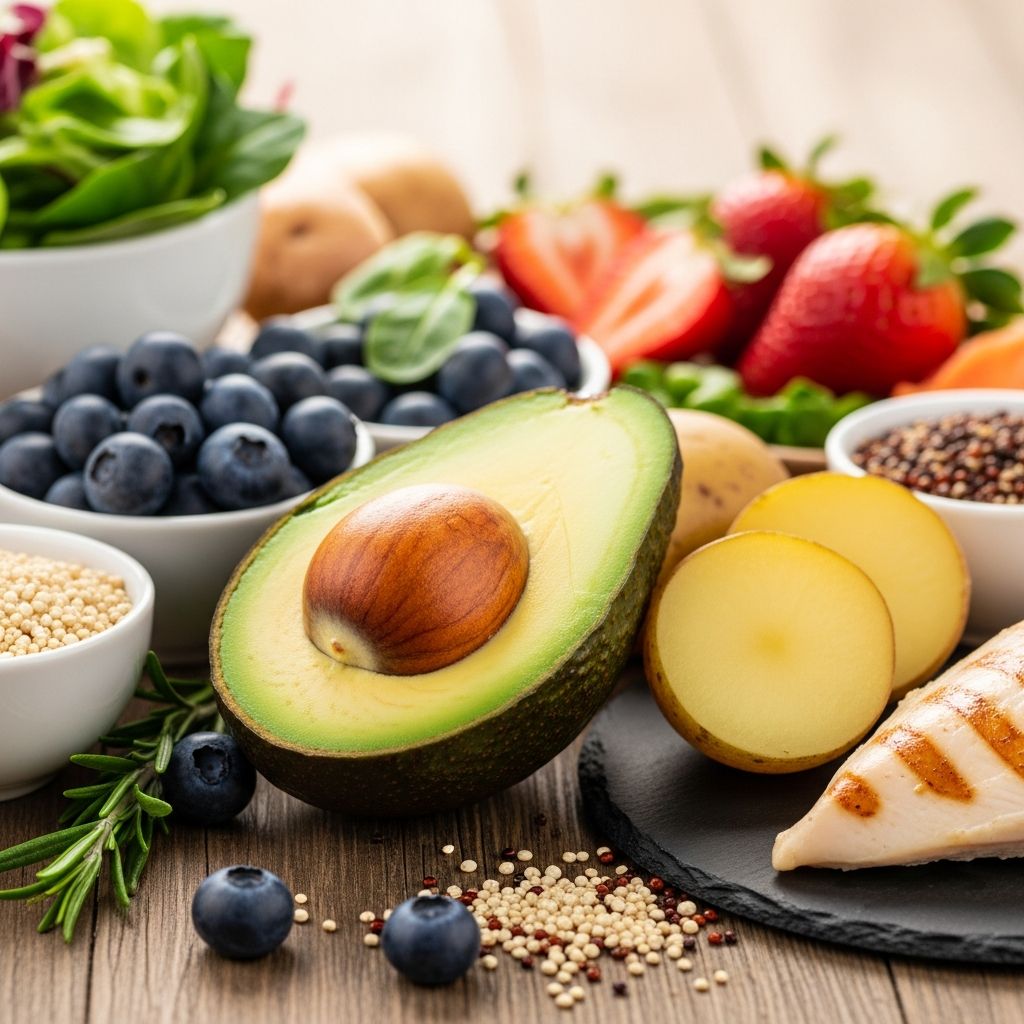
Carrots, green beans, zucchini, bell peppers, cucumbers, spinach, and lettuce are all low in FODMAPs and provide essential nutrients and fiber.
Fruits
Bananas, blueberries, strawberries, oranges, and grapes are well-tolerated. These fruits provide natural sweetness and important vitamins without excessive FODMAP content.
Proteins
Chicken, turkey, beef, fish, eggs, and tofu are all excellent protein sources with no FODMAP content. These should form the foundation of meals.
Grains
Rice, quinoa, corn, oats (certified gluten-free), and gluten-free bread products are safe choices during the elimination phase.
Dairy Alternatives
Lactose-free milk, almond milk, rice milk, and hard cheeses (which have minimal lactose) are good alternatives to regular dairy.
Evidence Supporting Low-FODMAP Diet Effectiveness
Numerous clinical trials have demonstrated the effectiveness of the low-FODMAP diet for IBS management. Research shows that patients on a low-FODMAP diet experience significant improvements in bloating, abdominal pain, and flatulence compared to those on standard diets. Studies measuring hydrogen gas production—a marker of fermentation—have shown that IBS patients produce significantly more hydrogen gas on high-FODMAP diets, and this production decreases substantially when they switch to low-FODMAP eating.
One study found that 70-79% of IBS patients experienced inadequate symptom control when challenged with fructose and fructans, compared to only 14% receiving glucose as a placebo. This provides strong evidence that FODMAPs specifically trigger symptoms in IBS patients. Additionally, researchers have observed dose-dependent responses, where worsening of symptoms correlates with increasing FODMAP intake, further supporting the diet’s mechanism of action.
Fiber Considerations in IBS Management
While fiber is typically recommended for digestive health, IBS patients require special consideration. High-fiber foods like cereals and bran can trigger gas, bloating, and abdominal cramping in sensitive individuals. Instead of eliminating fiber entirely, physicians often recommend slowly increasing soluble fiber intake, which is better tolerated than insoluble fiber. Fiber supplements may be preferable to high-fiber foods for some patients, allowing gradual adjustment without symptom flares.
Working with Healthcare Professionals
Successfully implementing a low-FODMAP diet typically requires professional guidance. Gastroenterologists work closely with registered dietitians to help patients identify trigger foods and maintain balanced nutrition while eliminating FODMAPs. Keeping a detailed food diary is essential, recording both foods consumed and symptom patterns. This documentation helps healthcare providers identify correlations and refine dietary recommendations over time.
Regular follow-up appointments allow physicians to assess symptom improvement and adjust the dietary plan as needed. This collaborative approach ensures that patients receive personalized treatment rather than following a one-size-fits-all approach.
Common Dietary Triggers Beyond FODMAPs
While FODMAPs are primary triggers for many IBS patients, other dietary components can exacerbate symptoms. Caffeine and nicotine stimulate colon contractions and should be limited or avoided. High-fat meals can worsen diarrhea and cramping in some individuals. Additionally, large meals may trigger symptoms more readily than smaller, frequent meals. Identifying and managing these individual triggers complements the low-FODMAP approach.
Timeline for Symptom Improvement
Most IBS patients experience noticeable symptom improvement within 2-4 weeks of beginning a low-FODMAP diet, though some may require the full 4-8 weeks of the elimination phase to achieve maximum benefit. The reintroduction phase typically takes 8-12 weeks, as each food group is tested systematically. Total timeline from initiation to reaching a personalized long-term diet usually spans 3-5 months.
Nutritional Adequacy and Considerations
The elimination phase of a low-FODMAP diet can restrict numerous foods, raising concerns about nutritional adequacy. Working with a registered dietitian helps ensure sufficient intake of calcium, iron, B vitamins, and other essential nutrients. Nutrient-dense low-FODMAP foods and strategic supplementation may be necessary to maintain health during the elimination phase. Once the reintroduction phase begins, most patients can reincorporate tolerated foods, significantly improving dietary diversity and nutritional intake.
Long-Term Adherence and Lifestyle
The personalized phase of the low-FODMAP diet is designed for long-term sustainability. By identifying which specific FODMAPs trigger symptoms, patients can maintain a relatively normal diet with strategic limitations. Many individuals find this more manageable and psychologically sustainable than indefinite strict elimination. Social eating, dining out, and family meals become increasingly feasible as patients learn their personal tolerance levels and how to navigate various food environments.
Frequently Asked Questions
Q: How long do I need to follow the low-FODMAP diet?
A: The timeline varies by individual. The elimination phase typically lasts 4-8 weeks, followed by 8-12 weeks of systematic reintroduction. Many patients then follow a personalized maintenance diet long-term, continuing to avoid their identified triggers while enjoying tolerated foods.
Q: Can the low-FODMAP diet cure IBS?
A: The low-FODMAP diet is a symptom management strategy rather than a cure. However, when properly implemented with professional guidance, it can dramatically reduce or eliminate IBS symptoms for many patients, significantly improving quality of life.
Q: Will I need to avoid FODMAPs forever?
A: Not necessarily. The reintroduction phase helps identify which FODMAPs you personally tolerate. Many patients find they can include some high-FODMAP foods in moderation or small quantities without symptom flares, allowing for greater dietary variety long-term.
Q: Is the low-FODMAP diet safe for everyone?
A: While generally safe, the low-FODMAP diet should be implemented under professional guidance to ensure adequate nutrition. People with certain medical conditions, eating disorders, or specific nutritional needs should consult healthcare providers before starting this diet.
Q: How effective is the low-FODMAP diet for IBS?
A: Research shows that 50-80% of IBS patients experience significant symptom improvement on a low-FODMAP diet. Individual responses vary, which is why the reintroduction phase is crucial for personalizing the approach to your specific triggers.
Q: Can I follow a low-FODMAP diet while managing other health conditions?
A: Yes, but dietary modifications should be coordinated with your healthcare team. A registered dietitian can help ensure the low-FODMAP diet aligns with any other dietary restrictions or medical requirements you have.
References
- Low-FODMAP Diet for Treatment of Irritable Bowel Syndrome — National Institutes of Health, National Center for Biotechnology Information. 2014-05-28. https://pmc.ncbi.nlm.nih.gov/articles/PMC3966170/
- Nutrition and Irritable Bowel Syndrome: Dietary Changes for IBS — Illinois Department of Financial and Professional Regulation. 2024-04-01. https://cms.illinois.gov/benefits/stateemployee/bewell/foodforthought/april2024-nutrition-irritable-bowel-syndrome.html
Similar Articles








Read full bio of Sneha Tete