Low-Glycemic vs. Low-Carb Diet: Which Is Healthier?
Comparing low-glycemic and low-carb diets: benefits, risks, and which may be better for blood sugar control and weight loss.
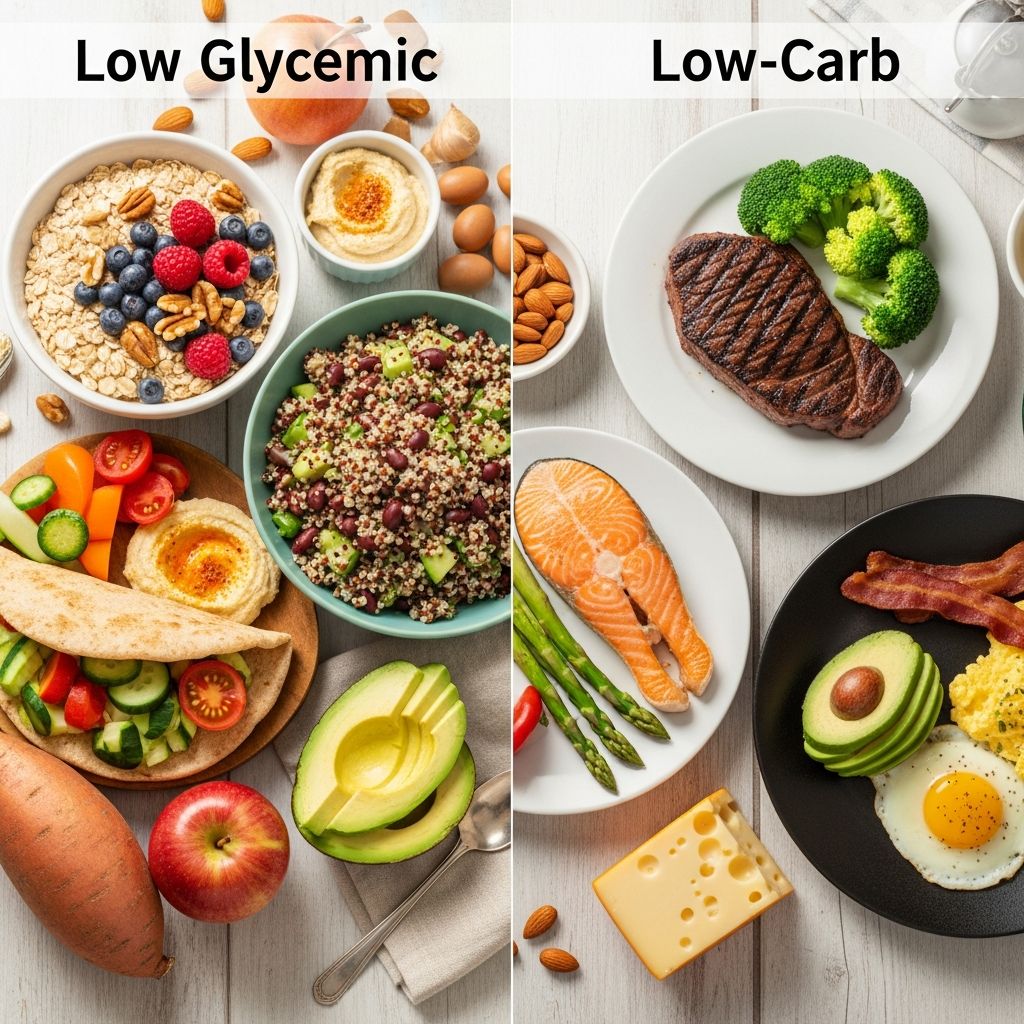
Both low-glycemic index (low-GI) and low-carbohydrate (low-carb) diets aim to manage blood sugar levels and support weight loss, but they differ in approach, food choices, and long-term effects. A low-GI diet focuses on foods that cause gradual blood sugar rises, while low-carb restricts total carbohydrate intake regardless of GI. Research shows low-carb diets may offer superior short-term glycemic control, but low-GI diets could be more sustainable.
What Is a Low-Glycemic Diet?
A
low-glycemic diet
emphasizes foods with a low glycemic index (GI), a measure of how quickly carbohydrates raise blood glucose levels. Foods are ranked from 0 to 100; low-GI foods score below 55, causing slower digestion and steadier energy release.This approach allows moderate carbohydrate intake from quality sources like whole grains, legumes, and non-starchy vegetables. Unlike strict carb counting, it prioritizes food quality over quantity. Benefits include improved insulin sensitivity, reduced hunger, and better heart health markers.
- Key principles: Choose intact grains (oats, barley), legumes (lentils, chickpeas), most fruits, dairy, and nuts.
- Avoid: White bread, sugary cereals, potatoes, and refined sweets.
Studies indicate low-GI diets lower hemoglobin A1c (HbA1c) by about 0.5% without severe calorie restriction, making them suitable for diabetes management.
What Is a Low-Carb Diet?
A
low-carb diet
limits total carbohydrates to 20-150 grams per day, often emphasizing high protein and fats. Very low-carb versions, like ketogenic (<50g/day), induce ketosis where the body burns fat for fuel.This diet promotes rapid weight loss and glycemic improvements by minimizing glucose spikes. A 24-week study found a low-carb ketogenic diet (LCKD, <20g carbs/day) reduced HbA1c by 1.5% versus 0.5% for low-GI, with greater weight loss (11.1kg vs. 6.9kg).
- Allowed foods: Meat, fish, eggs, cheese, avocados, leafy greens, nuts.
- Restricted: Grains, fruits, starchy vegetables, sugars.
Low-carb excels in short-term diabetes reversal, with 95% of participants reducing medications compared to 62% on low-GI.
How Do Low-GI and Low-Carb Diets Compare?
Both diets improve blood sugar and weight, but low-carb often shows faster, greater initial results. A 1-year trial found similar 3.4% weight loss for low-carb and low-fat diets, with low-carb boosting HDL cholesterol more. Low-GI provides steady benefits without extreme restriction.
| Aspect | Low-GI Diet | Low-Carb Diet |
|---|---|---|
| Carb Intake | 45-60% of calories, quality-focused | 5-30% of calories, quantity-limited |
| Weight Loss | Moderate, sustainable (6.9kg/24wks) | Rapid initial (11.1kg/24wks) |
| HbA1c Reduction | 0.5% | 1.5% |
| Sustainability | High, varied foods | Lower, restrictive |
Low-GI suits balanced eating; low-carb targets aggressive control.
Health Benefits of Each Diet
Benefits of Low-GI Diet
- Stable energy and reduced cravings due to slow glucose release.
- Heart health: Lowers LDL cholesterol and triglycerides.
- Diabetes-friendly: Improves postprandial glucose without eliminating carbs.
- Nutrient-dense: Encourages fruits, veggies, whole grains.
Benefits of Low-Carb Diet
- Superior glycemic control and medication reduction.
- Increased HDL and satiety from proteins/fats.
- Weight loss via calorie deficit and ketosis.
- Potential reversal of type 2 diabetes in motivated individuals.
Related Stories



Potential Downsides and Risks
**Low-GI risks:** May not suffice for severe insulin resistance; higher carb load could limit rapid improvements.
**Low-carb risks:** Nutrient deficiencies (fiber, vitamins from fruits/grains), constipation, keto flu, elevated LDL in some, hard to maintain long-term. Initial side effects include fatigue and headaches.
Which Diet Is Better for Weight Loss?
Low-carb induces faster weight loss initially due to water/glycogen depletion and appetite suppression. However, long-term (1 year), results equalize with adherence. Low-GI supports gradual, maintainable loss via whole foods.
Which Is Better for Blood Sugar Control?
Low-carb outperforms short-term: Greater HbA1c drop and medication reductions. Low-GI offers reliable control via quality carbs, ideal for non-ketogenic preferences.
Which Is Better for Heart Health?
Low-GI generally improves lipid profiles without raising LDL. Low-carb boosts HDL but may increase LDL in “hyper-responders”; monitor lipids.
Sample Meal Plans
Low-GI Day (≈2000 calories)
- Breakfast: Oatmeal with berries, almonds, Greek yogurt.
- Lunch: Chickpea salad with veggies, olive oil dressing.
- Dinner: Grilled salmon, quinoa, broccoli.
- Snack: Apple with peanut butter.
Low-Carb Day (≈2000 calories, <50g carbs)
- Breakfast: Eggs, avocado, spinach omelet.
- Lunch: Grilled chicken salad with cheese, nuts.
- Dinner: Steak, cauliflower mash, asparagus.
- Snack: Celery with cream cheese.
Sustainability and Who Should Choose Each
Low-GI is more flexible for social eating and lifelong adherence. Low-carb suits short-term intensive goals like diabetes remission. Consult a doctor/dietitian, especially with conditions.
Frequently Asked Questions
What is the glycemic index?
The GI ranks carbs on how fast they raise blood sugar; low-GI (<55) is preferable.
Can I combine low-GI and low-carb?
Yes, choose low-GI carbs within carb limits for hybrid benefits.
Are low-carb diets safe long-term?
Short-term yes, but monitor nutrients and lipids; not for everyone.
Which is better for diabetics?
Low-carb for rapid control; low-GI for sustainable management.
Do these diets work for non-diabetics?
Both aid weight loss and energy stability.
References
- The effect of a low-carbohydrate, ketogenic diet versus a low-glycemic index diet on glycemic control — Westman EC et al. Diabetes Care. 2008-07-31. https://pmc.ncbi.nlm.nih.gov/articles/PMC2633336/
- Comparative Study of the Effects of a 1-Year Dietary Intervention of a Low-Carbohydrate Diet Versus a Low-Fat Diet — Iqbal N et al. Diabetes Care. 2009-07-01. https://diabetesjournals.org/care/article/32/7/1147/27081/Comparative-Study-of-the-Effects-of-a-1-Year
- Carbohydrates and the glycaemic index — Better Health Channel, Victoria Government. 2023. https://www.betterhealth.vic.gov.au/health/healthyliving/carbohydrates-and-the-glycaemic-index
- Are low GI and low carb the same? — Diabetes Australia. 2023. https://www.diabetesaustralia.com.au/blog/are-low-gi-and-low-carb-the-same/
- Low-glycemic index diet — Mayo Clinic. 2023-08-12. https://www.mayoclinic.org/healthy-lifestyle/nutrition-and-healthy-eating/in-depth/low-glycemic-index-diet/art-20048478
Similar Articles








Read full bio of Sneha Tete