Low-Glycemic Index Foods: Essential List And 1-Day Meal Plan
Discover low-GI foods that stabilize blood sugar, support weight management, and benefit diabetes control for better health.
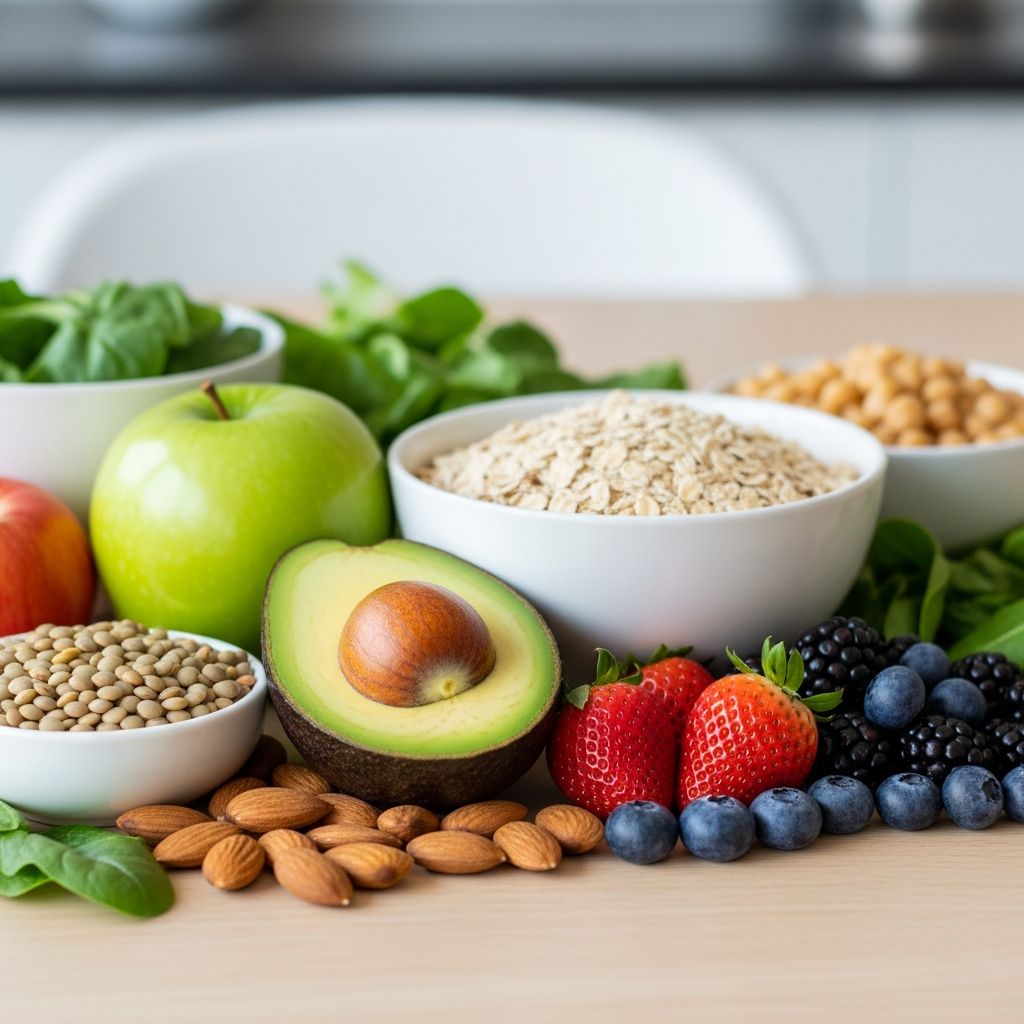
Low-glycemic index (GI) foods are those that cause a slower, more gradual rise in blood sugar levels compared to high-GI options. These foods, rich in fiber, healthy fats, and proteins, help maintain stable energy, support weight loss, and improve diabetes management by minimizing blood glucose spikes.
What Is the Glycemic Index?
The
glycemic index (GI)
measures how quickly a carbohydrate-containing food raises blood glucose levels on a scale from 0 to 100, with pure glucose at 100. Foods are categorized as low GI (55 or less), medium GI (56-69), or high GI (70 or more). Low-GI foods digest slowly, providing steady energy and reducing hunger.This system, developed through human testing, compares a food’s effect to pure sugar. For example, researchers test blood sugar responses in 10 people after consuming 50 grams of carbs from a food like cantaloupe, versus 50 grams of sugar, over two hours. Low-GI choices like non-starchy vegetables and legumes promote better metabolic health.
What Is the Glycemic Load?
**Glycemic load (GL)** refines GI by factoring in serving size, offering a more practical measure. GL = (GI × grams of carbs per serving) / 100. Low GL is 10 or less, medium 11-19, high 20+. It helps prioritize foods like apples (low GL despite medium GI) over larger portions of higher-GI items.
Combining low-GI and low-GL strategies stabilizes glucose for time in range (TIR), crucial for diabetes management.
Low-GI Diet Food List
Incorporate these low-GI foods (GI ≤55) into meals for optimal blood sugar control:
- Vegetables: Broccoli, spinach, kale, cauliflower, zucchini, peppers (GI ~15-30)
- Fruits: Apples, pears, berries, oranges, cherries, grapefruit (GI 20-50)
- Legumes: Lentils, chickpeas, kidney beans, black beans (GI 20-40)
- Grains: Quinoa, barley, bulgur, oats, pearl barley (GI 40-55)
- Dairy: Greek yogurt, milk, cheese (GI 0-40)
- Nuts & Seeds: Almonds, walnuts, chia seeds, flaxseeds (GI ~0)
- Proteins: Eggs, fish, chicken, tofu (GI 0)
Medium-GI options like sweet potatoes or bananas can fit in moderation. Avoid high-GI foods like white bread (GI 70+), potatoes, and sugary cereals.
Health Benefits of Low-GI Foods
Low-GI diets offer multiple evidence-based benefits:
- Blood Sugar Control: Minimize fluctuations; low-GI breakfasts reduce daily glycemic variability and subsequent meal intake.
- Diabetes Management: Reduce HbA1c by 0.43% and glycated proteins by 7.4% compared to high-GI diets.
- Weight Loss: Promote satiety, lowering total energy intake via steady glucose and prevented hypoglycemia.
- Heart Health: Improve lipid profiles and reduce cardiovascular risk in prediabetics.
- Sustained Energy: Gradual carb release avoids crashes, enhancing focus and performance.
Studies on Asian populations show low-GI snacks like multigrain bread improve 48-hour glucose profiles over white bread.
Low-GI Foods for Diabetes
For diabetes, prioritize low-GI/GL foods: non-starchy veggies, berries, legumes, quinoa. Low-GI diets with beans, lentils, pasta, and barley outperform standard high-GI diabetic diets in glycemic control.
Pair higher-GI items (e.g., rice) with proteins/fats to lower impact. Recipes like pearl barley upma (GI 50) or wheat roti with chickpeas show moderate responses in healthy volunteers, suitable for diabetics.
Low- and High-GI Foods Chart
| Category | Low GI Examples (≤55) | Medium GI (56-69) | High GI (≥70) |
|---|---|---|---|
| Grains/Breads | Barley (25), Quinoa (53), Oats (55) | Multigrain bread (60), Sweet corn (60) | White bread (75), White rice (89) |
| Vegetables | Broccoli (15), Carrots raw (35) | Sweet potato (61) | Potato baked (85) |
| Fruits | Apple (36), Pear (38), Berries (25-40) | Banana (51), Pineapple raw (59) | Watermelon (72) |
| Legumes | Lentils (29), Chickpeas (28) | – | – |
| Other | Greek yogurt (11), Almonds (0) | Raisins (64) | Glucose (100) |
Related Stories



GI values from standardized testing; actual response varies by preparation and portion.
Low-GI Meal Plan
A sample 1-day low-GI plan (~1,800 calories):
- Breakfast: Greek yogurt with berries, chia seeds, almonds (GI ~30)
- Snack: Apple with peanut butter
- Lunch: Quinoa salad with chickpeas, spinach, feta, olive oil
- Snack: Carrot sticks with hummus
- Dinner: Grilled salmon, barley pilaf, broccoli
- Dessert: Pear slices
Adjust for needs; focus on whole foods.
Low-GI Snacks
- Handful of nuts
- Hard-boiled eggs
- Edamame
- Cottage cheese with cherry tomatoes
- Raw veggies with guacamole
These promote satiety without spikes.
Low-GI Breakfast Ideas
- Oatmeal with nuts and cinnamon
- Chia pudding with almond milk and strawberries
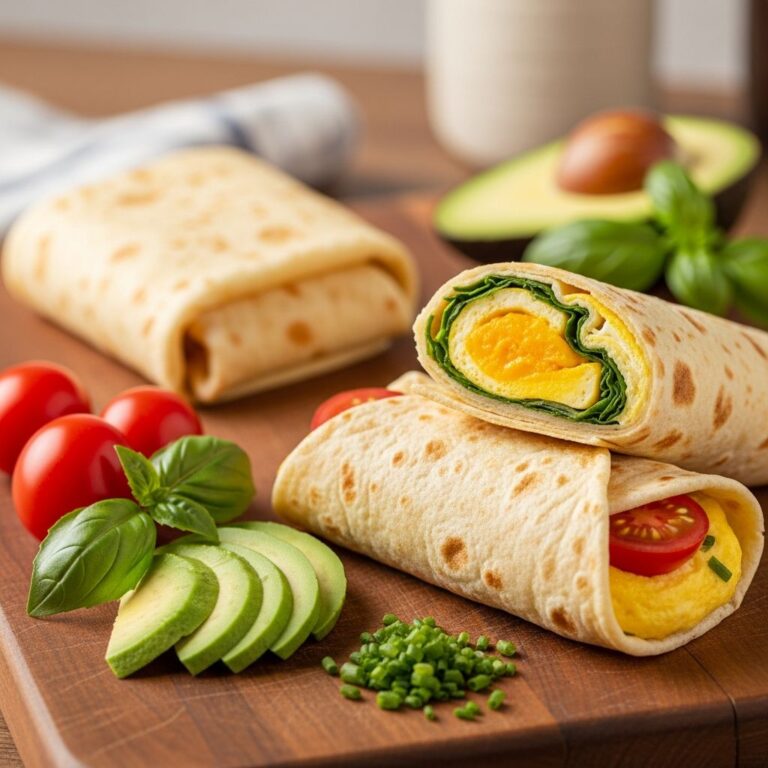
- Vegetable omelet with whole-grain toast
- Barley upma with veggies
Low-GI breakfasts like parboiled basmati rice reduce post-meal glycemia twofold vs. glutinous rice.
Foods to Avoid on a Low-GI Diet
- White bread, bagels
- Potatoes, cornflakes
- Sugary drinks, candy
- White rice, instant oats
- Baked goods, pastries
Limit medium-GI if sensitive.
Frequently Asked Questions (FAQs)
What are low-glycemic index foods?
Foods with GI ≤55 that raise blood sugar slowly, like vegetables, legumes, and whole grains.
Are all fruits low GI?
Most are low to medium, like apples (36); avoid large portions of higher ones like watermelon.
Can low-GI diets help with weight loss?
Yes, by enhancing satiety and reducing calorie intake.
Is oatmeal low GI?
Yes, rolled oats GI ~55; steel-cut lower.
How does cooking affect GI?
Overcooking raises GI; opt for al dente pasta, cooled potatoes.
Summary
Embracing low-GI foods stabilizes blood sugar, aids diabetes control, and boosts overall health. Start with small swaps for lasting benefits.
References
- The impact of a low glycemic index (GI) breakfast and snack on daily blood glucose profiles and food intake in Asian mixed meals — Cheong et al. 2017-10-01. https://pmc.ncbi.nlm.nih.gov/articles/PMC5684963/
- Low-glycemic index diet: What’s behind the claims? — Mayo Clinic. 2023-08-15. https://www.mayoclinic.org/healthy-lifestyle/nutrition-and-healthy-eating/in-depth/low-glycemic-index-diet/art-20048478
- Development of Low Glycemic Index Foods and Their Glucose… — Anuradha et al. 2018-10-01. https://pmc.ncbi.nlm.nih.gov/articles/PMC6195895/
- Glycemic Index and Glycemic Load for Diabetes Management — Dexcom. 2024-01-10. https://www.dexcom.com/en-us/all-access/clinical-corner/glycemic-index-load-and-diabetes
- Low–Glycemic Index Diets in the Management of Diabetes — Brand-Miller et al. 2003-08-01. https://diabetesjournals.org/care/article/26/8/2261/22776/Low-Glycemic-Index-Diets-in-the-Management-of
Similar Articles








Read full bio of medha deb