Low HDL Cholesterol: Health Risks Beyond Heart Disease
Understanding how low HDL cholesterol affects your health beyond cardiovascular concerns.
Low HDL Cholesterol: Understanding the Broader Health Implications
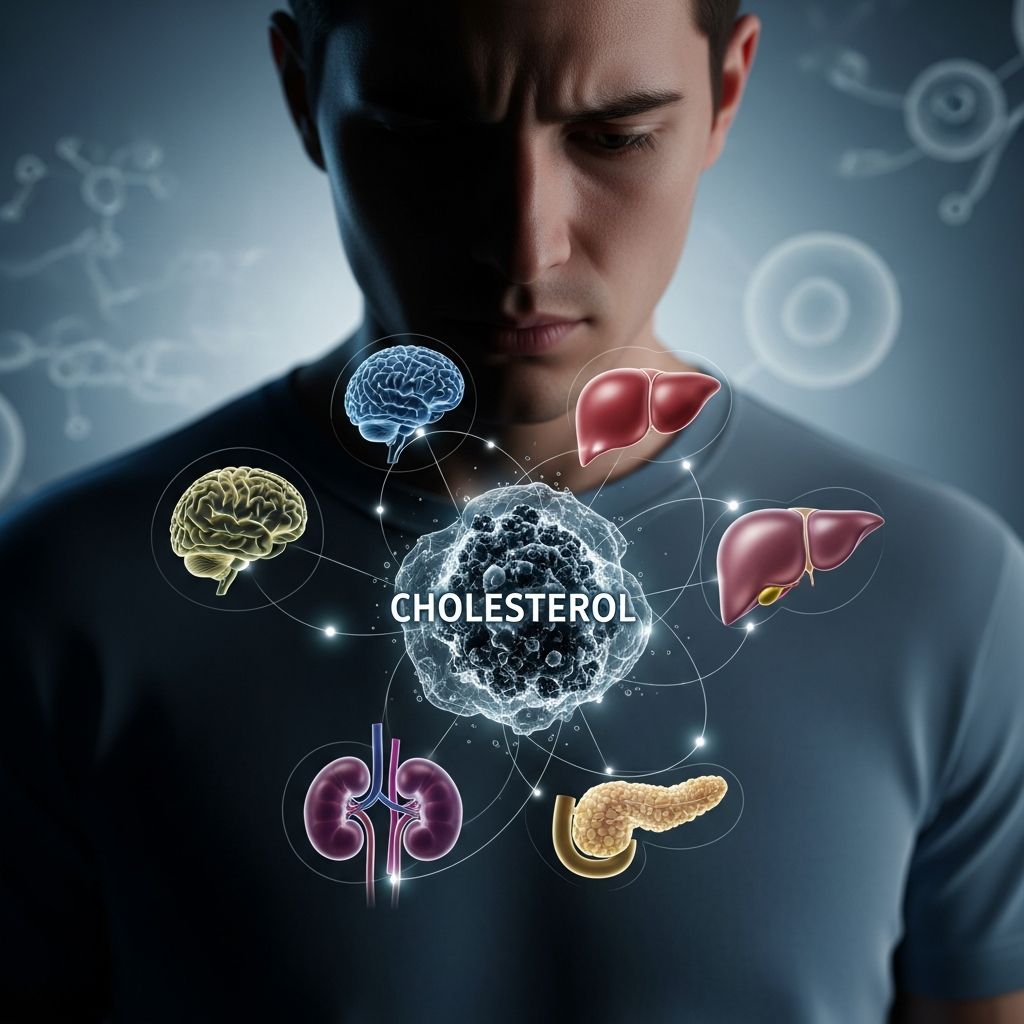
For decades, healthcare professionals have emphasized the importance of maintaining healthy cholesterol levels, with particular attention to the distinction between “bad” LDL cholesterol and “good” HDL cholesterol. However, emerging research reveals that low HDL cholesterol represents a more complex health concern than initially understood. While high LDL cholesterol directly contributes to plaque buildup in arteries, low HDL cholesterol appears connected to a broader spectrum of health risks that extend far beyond cardiovascular disease. Understanding these connections is crucial for anyone seeking to optimize their long-term health and prevent chronic diseases.
What Is HDL Cholesterol and Why Does It Matter?
HDL, or high-density lipoprotein, has earned the nickname “good cholesterol” because it functions differently than its harmful counterpart. Unlike LDL cholesterol, which deposits cholesterol into artery walls and contributes to atherosclerosis, HDL cholesterol works to remove excess cholesterol from the bloodstream and arterial walls, transporting it to the liver for disposal. In theory, this protective mechanism should make HDL a straightforward health indicator. However, recent medical evidence suggests the relationship between HDL levels and health outcomes is considerably more nuanced than this simplified explanation suggests.
Traditional guidelines recommend maintaining HDL cholesterol levels above 40 mg/dL for men and above 50 mg/dL for women. Despite these recommendations, research indicates that many individuals hospitalized for heart attacks had HDL levels that fell below these thresholds, highlighting a significant gap in our understanding of how HDL cholesterol functions in disease prevention.
The Complex Relationship Between HDL and Cardiovascular Risk
The relationship between HDL cholesterol and heart disease is more complicated than doctors once believed. While people with naturally high HDL levels tend to experience fewer heart attacks compared to those with lower levels, pharmaceutical efforts to artificially raise HDL through medication have not consistently produced the expected cardiovascular benefits. This paradox suggests that HDL may function more as a marker of underlying health conditions rather than as a direct protective factor.
Research demonstrates that raising HDL cholesterol through pharmaceutical intervention has not reliably led to improved cardiovascular outcomes. Instead of acting as an independent protector against heart disease, HDL appears to be closely associated with other factors that influence cardiovascular risk. When individuals have low HDL, they typically present with multiple other health conditions simultaneously, making it difficult to isolate HDL’s specific contribution to disease risk.
Several studies have found that nearly 75 percent of patients hospitalized for heart attacks had cholesterol levels that would not have flagged them as high-risk based on current national guidelines. More than half of these heart attack patients had HDL cholesterol levels classified as poor by national standards, suggesting that the current understanding of cholesterol’s role in cardiovascular disease requires substantial revision.
Low HDL and Metabolic Health Issues
Beyond its potential role in heart disease, low HDL cholesterol appears strongly connected to broader metabolic health problems. People with low HDL levels frequently exhibit several interconnected conditions that collectively increase their overall disease risk. Understanding these associations is essential for developing comprehensive health strategies that address root causes rather than isolated symptoms.
Obesity and Abdominal Fat Accumulation
One of the most significant correlations with low HDL cholesterol is excess body weight, particularly fat accumulation around the abdominal organs. Individuals with low HDL tend to carry weight in their midsection, a pattern strongly associated with metabolic dysfunction. This central obesity differs from fat stored in other body areas and is particularly problematic because visceral fat—the fat surrounding internal organs—actively secretes inflammatory compounds and hormones that disrupt metabolic processes. The relationship between low HDL and central obesity suggests that lifestyle modifications addressing weight management may be particularly valuable for individuals with low HDL levels.
Related Stories



High Blood Pressure
Low HDL cholesterol frequently occurs alongside hypertension, or high blood pressure. This combination significantly amplifies cardiovascular risk beyond what either condition alone would produce. The mechanisms linking low HDL to high blood pressure involve endothelial dysfunction, inflammation, and impaired vasodilation. Individuals with both low HDL and hypertension require particularly aggressive management strategies to reduce their overall disease risk.
Prediabetes and Type 2 Diabetes
Among the most concerning associations with low HDL cholesterol is the connection to glucose metabolism disorders. People with low HDL often develop prediabetes or progress to type 2 diabetes. This relationship reflects underlying insulin resistance, a condition in which cells become less responsive to insulin signaling. Insulin resistance drives multiple downstream metabolic complications, including increased triglycerides, elevated blood pressure, and inflammatory changes that damage blood vessels. The strong association between low HDL and diabetes suggests that HDL may serve as an important marker for identifying individuals at risk for metabolic disease.
HDL as a Marker Rather Than a Cause
Emerging evidence suggests that low HDL may function more as a marker of other underlying health problems rather than as an independent risk factor. When researchers examine individuals with low HDL, they consistently find multiple other health conditions present simultaneously. These confounding factors—obesity, hypertension, diabetes, insulin resistance, and inflammation—may actually drive the increased health risks associated with low HDL rather than low HDL itself causing these problems.
This distinction has important implications for treatment strategies. If low HDL represents a marker of metabolic dysfunction rather than a primary cause of disease, then efforts to raise HDL through pharmaceutical means without addressing the underlying metabolic problems may prove ineffective. Conversely, interventions targeting the root causes of metabolic dysfunction—such as weight loss, improved dietary patterns, and increased physical activity—may naturally lead to HDL improvements alongside broader health benefits.
The Limitations of Current Cholesterol Guidelines
Current national cholesterol guidelines may not adequately identify individuals at true risk for cardiovascular events. Research has revealed significant limitations in how these guidelines function in real-world practice. Many individuals experiencing heart attacks had cholesterol profiles that appeared acceptable by current standards, suggesting that the guidelines either set thresholds too high or fail to capture important risk factors.
For individuals without prior cardiovascular disease or diabetes, current guidelines consider LDL levels below 130 mg/dL acceptable. However, studies show that more than 72 percent of people experiencing their first heart attack had admission LDL levels below 130 mg/dL, indicating that these guideline targets may not be sufficiently protective. Similarly, HDL measurements may need greater emphasis in risk assessment, as more than half of hospitalized heart attack patients had HDL levels below 40 mg/dL.
Practical Implications for Health Management
Understanding the complex relationship between low HDL and broader health risks has several practical implications for individuals seeking to optimize their health:
Comprehensive Health Assessment
Rather than focusing solely on HDL numbers, individuals should pursue comprehensive metabolic assessments that evaluate fasting glucose, insulin levels, triglycerides, blood pressure, and body composition. This holistic approach reveals the interconnected nature of metabolic health and identifies multiple intervention targets.
Lifestyle Modifications as Primary Treatment
For most individuals with low HDL, lifestyle modifications represent the first-line treatment approach. Regular physical activity, dietary improvements emphasizing whole grains and reducing refined carbohydrates, weight loss, and stress management naturally improve HDL levels while simultaneously addressing other metabolic risk factors. These interventions treat the root causes of metabolic dysfunction rather than simply adjusting cholesterol numbers.
LDL Remains a Primary Target
While understanding low HDL’s broader implications is important, this knowledge should not diminish attention to LDL cholesterol management. Individuals with high LDL should continue pursuing aggressive LDL reduction through diet, exercise, and medications when necessary, as the harmful effects of elevated LDL have been conclusively demonstrated. High HDL should never be assumed to cancel out the risks associated with high LDL cholesterol.
Emerging Research Directions
Recent studies suggest that not all HDL particles function identically. Different HDL subtypes may vary in their protective capacity, and the functional quality of HDL may matter more than the total quantity. Future research may reveal that measuring HDL particle size and number, rather than simply total HDL cholesterol concentration, provides better disease prediction. Additionally, understanding how specific lifestyle modifications preferentially improve HDL functionality could lead to more targeted interventions.
Frequently Asked Questions
Q: Is HDL cholesterol truly “good” cholesterol?
A: While HDL does help remove cholesterol from the bloodstream, recent research suggests it functions more as a marker of metabolic health than as an independent protective factor. People with high HDL tend to have fewer heart attacks, but raising HDL through medication hasn’t consistently improved health outcomes. HDL appears to be associated with other factors that determine cardiovascular risk rather than being the primary protective mechanism.
Q: What HDL level should I aim for?
A: Current guidelines recommend HDL levels above 40 mg/dL for men and above 50 mg/dL for women. However, higher levels are generally better, with levels above 60 mg/dL considered protective against heart disease. More importantly, HDL should be evaluated as part of your complete metabolic profile rather than in isolation.
Q: Can I raise my HDL without medication?
A: Yes, lifestyle modifications effectively raise HDL cholesterol. Regular aerobic exercise, weight loss, smoking cessation, limiting refined carbohydrates, and increasing soluble fiber intake all improve HDL levels. These interventions also address other metabolic risk factors like blood pressure, glucose control, and weight management.
Q: Does high HDL mean I don’t need to worry about LDL?
A: No. HDL and LDL function independently in cardiovascular risk. Even if you have high HDL, maintaining healthy LDL levels remains essential. High HDL does not cancel out the harmful effects of elevated LDL cholesterol.
Q: How does low HDL relate to diabetes?
A: Low HDL frequently accompanies insulin resistance, a key feature of type 2 diabetes development. People with low HDL often develop prediabetes or progress to diabetes. Addressing metabolic dysfunction through weight loss and lifestyle changes can improve both HDL levels and glucose control.
Q: Should I take medication to raise my HDL?
A: Currently available medications designed specifically to raise HDL have not consistently improved health outcomes in clinical trials. Most doctors recommend focusing on lifestyle modifications first. If additional intervention is needed, treatment typically targets LDL reduction rather than HDL elevation.
Taking Action: A Summary of Key Points
Low HDL cholesterol represents more than a simple cardiovascular risk factor—it serves as a marker of broader metabolic dysfunction. Individuals with low HDL frequently exhibit multiple interconnected health problems including obesity, hypertension, and glucose metabolism disorders. Rather than viewing HDL in isolation, a comprehensive approach addressing all metabolic risk factors proves most effective.
Current cholesterol guidelines may require revision to better identify true cardiovascular risk. Many individuals experiencing heart attacks had cholesterol profiles that appeared acceptable by existing standards. Future risk assessment will likely incorporate HDL quality measurements alongside quantity and address HDL as one component of overall metabolic health rather than as an independent health indicator.
For individuals with low HDL, the most effective health strategy involves comprehensive lifestyle modifications addressing weight management, physical activity, dietary patterns, and stress reduction. These interventions naturally improve HDL while simultaneously addressing the underlying metabolic problems that low HDL represents, offering benefits that extend far beyond cholesterol numbers.
References
- Should HDL Still Be Called the Good Cholesterol? — Harvard Health/Chicago Health Online. 2016. https://chicagohealthonline.com/ask-the-harvard-experts-should-hdl-still-be-called-the-good-cholesterol/
- HDL (Good), LDL (Bad) Cholesterol and Triglycerides — American Heart Association. 2024. https://www.heart.org/en/health-topics/cholesterol/hdl-good-ldl-bad-cholesterol-and-triglycerides
- Most heart attack patients’ cholesterol levels did not indicate cardiac risk — UCLA Health News. 2012. https://www.uclahealth.org/news/release/most-heart-attack-patients-cholesterol-levels-did-not-indicate-cardiac-risk
- Dietary Cholesterol and the Lack of Evidence in Cardiovascular Disease — NIH/PubMed Central. 2018. https://pmc.ncbi.nlm.nih.gov/articles/PMC6024687/
- Some HDL, or ‘good’ cholesterol, may not protect against heart disease — EurekAlert. 2009. https://www.eurekalert.org/news-releases/657079
Similar Articles








Read full bio of Sneha Tete