Low Hemoglobin: Causes, Symptoms & Treatment
Understanding low hemoglobin: causes, symptoms, diagnosis, and effective treatment options.
Understanding Low Hemoglobin
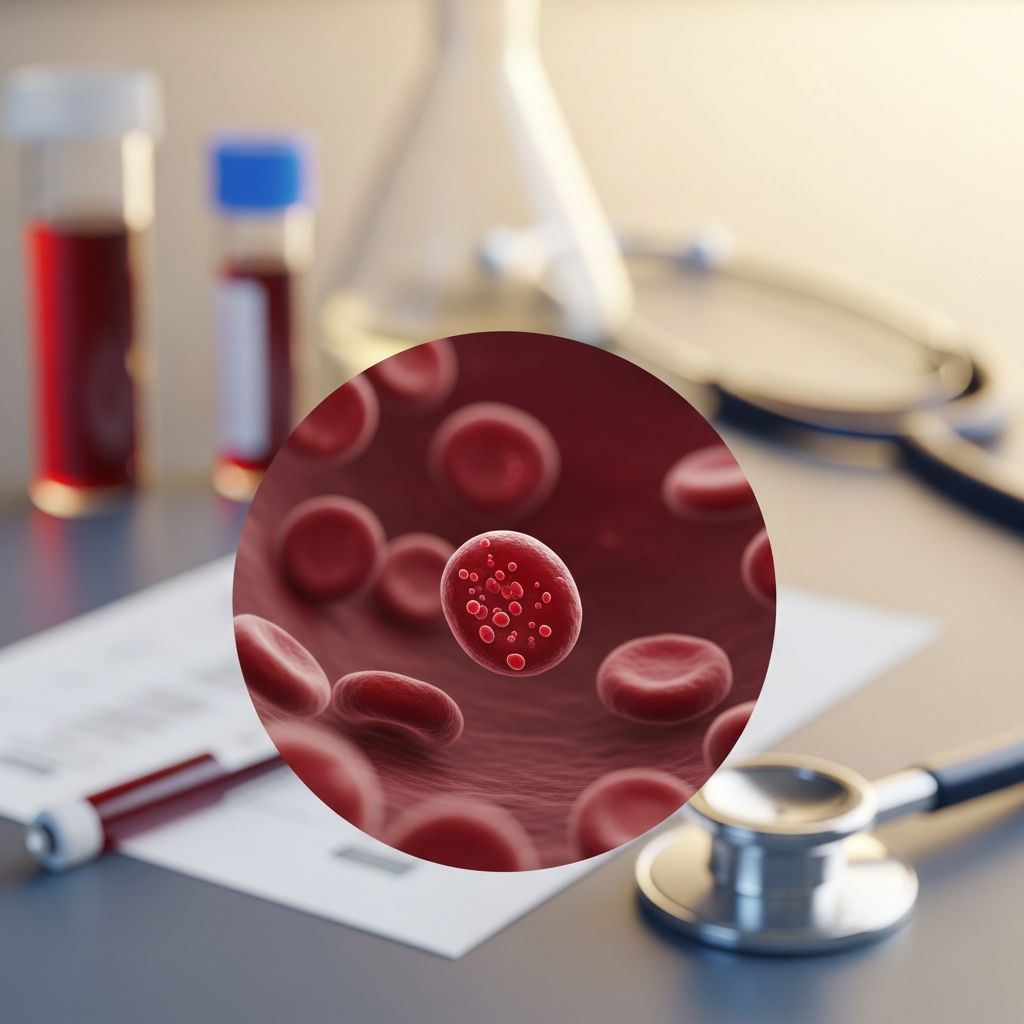
Hemoglobin is a protein found in your red blood cells that carries oxygen throughout your body. When your hemoglobin levels fall below normal, a condition known as low hemoglobin or anemia develops. This condition can range from mild to severe, and symptoms may develop gradually or appear suddenly depending on the underlying cause. Low hemoglobin affects your body’s ability to function properly because your organs and tissues don’t receive adequate oxygen. Understanding the causes, symptoms, and treatment options for low hemoglobin is essential for maintaining your health and preventing serious complications.
What Causes Low Hemoglobin?
Low hemoglobin can result from various underlying health conditions and lifestyle factors. The causes are typically categorized into three main groups: decreased red blood cell production, increased red blood cell destruction, and blood loss.
Decreased Red Blood Cell Production
Your bone marrow is responsible for producing red blood cells. When bone marrow function is compromised, it cannot produce enough red blood cells to maintain normal hemoglobin levels. Conditions that affect bone marrow production include:
- Aplastic anemia, where the bone marrow stops producing sufficient blood cells
- Iron deficiency, which prevents hemoglobin formation
- Vitamin B12 and folate deficiencies necessary for red blood cell development
- Chronic kidney disease, which reduces erythropoietin production
- Cancer treatments like chemotherapy that damage bone marrow
- Certain medications that interfere with bone marrow function
Increased Red Blood Cell Destruction
Hemolytic anemia occurs when red blood cells are destroyed faster than your body can replace them. Causes include:
- Autoimmune conditions where antibodies attack red blood cells
- Inherited blood disorders such as sickle cell disease
- Certain infections affecting red blood cell integrity
- Reactions to specific medications
- Mechanical heart valves that damage circulating red blood cells
Blood Loss
Significant blood loss from any source can rapidly lower hemoglobin levels. Common causes include heavy menstrual bleeding, gastrointestinal bleeding, traumatic injuries, and surgical procedures. Chronic blood loss from conditions like peptic ulcers or hemorrhoids gradually reduces hemoglobin over time.
Recognizing Symptoms of Low Hemoglobin
The symptoms of low hemoglobin vary depending on how quickly your levels decline and the severity of the condition. Mild cases may produce no noticeable symptoms, while moderate to severe low hemoglobin causes significant health effects.
Common Symptoms
- Fatigue and weakness: The most common symptom, resulting from insufficient oxygen delivery to muscles
- Shortness of breath: Particularly during physical activity or exertion
- Dizziness and lightheadedness: Caused by reduced oxygen to the brain
- Pale or yellowish skin: Due to reduced red blood cell concentration
- Chest pain or heart palpitations: Your heart works harder to pump oxygen-depleted blood
- Cold hands and feet: From reduced blood circulation to extremities
- Headaches: Often occurring with physical exertion
- Difficulty concentrating: Brain fog from insufficient oxygen supply
When to Seek Medical Attention
You should contact your healthcare provider if you experience persistent fatigue, unexplained shortness of breath, or other symptoms that concern you. Seek immediate medical attention if you experience severe chest pain, loss of consciousness, or severe shortness of breath. These could indicate a serious condition requiring urgent care.
Diagnostic Tests for Low Hemoglobin
Your healthcare provider uses several blood tests to diagnose low hemoglobin and determine its underlying cause.
Complete Blood Count (CBC)
A CBC is typically the first test ordered to evaluate hemoglobin levels. This test measures red blood cell count, hemoglobin concentration, and hematocrit percentage. It also provides information about white blood cells and platelets. Normal hemoglobin ranges are approximately 13.5-17.5 g/dL for men and 12-15.5 g/dL for women, though these values may vary slightly between laboratories.
Related Stories



Additional Diagnostic Tests
Depending on your symptoms and initial test results, your provider may order:
- Iron studies: Measuring serum iron, ferritin, and iron-binding capacity to assess iron stores
- Vitamin B12 and folate levels: To identify nutritional deficiencies
- Reticulocyte count: Measuring immature red blood cells to assess bone marrow production capacity
- Peripheral blood smear: Examining red blood cell appearance under a microscope
- Bone marrow biopsy: Sampling bone marrow to evaluate production capacity
- Genetic testing: To identify inherited blood disorders
- Tests for hemolysis: Including bilirubin levels and lactate dehydrogenase to assess red blood cell destruction
Treatment Options for Low Hemoglobin
Treatment depends on the underlying cause of low hemoglobin, its severity, and your overall health status. Your healthcare provider will develop a personalized treatment plan addressing both the symptoms and the root cause.
Addressing the Underlying Condition
The most important aspect of treatment is addressing what’s causing low hemoglobin. For example, if iron deficiency is responsible, iron supplementation will be prescribed. If chronic kidney disease is the cause, managing kidney function and potentially using erythropoietin-stimulating agents helps increase red blood cell production. If hemolytic anemia from antibodies is causing the problem, immunosuppressant medications may be necessary.
Nutritional Supplementation
Dietary supplements can help raise hemoglobin levels when deficiencies are present:
- Iron supplements: Available as oral tablets or intravenous infusions for those who cannot tolerate oral forms
- Vitamin B12: Given through injections or oral supplements for deficiency-related anemia
- Folate supplements: Helping your body produce healthy red blood cells
- Vitamin C: Enhancing iron absorption when taken with iron supplements
Medications
Depending on the cause, your provider may prescribe:
- Erythropoietin-stimulating agents: Synthetic hormones that stimulate red blood cell production, particularly for chronic kidney disease
- Immunosuppressants: For autoimmune hemolytic anemia to prevent antibodies from destroying red blood cells
- Corticosteroids: To suppress immune system activity in certain types of hemolytic anemia
Blood Transfusions
For severe or symptomatic low hemoglobin, blood transfusions may be necessary to quickly restore hemoglobin levels and prevent serious complications. Transfusions are particularly important when hemoglobin levels drop dangerously low or when symptoms severely affect quality of life.
Surgical Interventions
In some cases, particularly with autoimmune hemolytic anemia, spleen removal (splenectomy) may be recommended. The spleen is where antibodies often destroy red blood cells. Removing the spleen can help preserve red blood cells and improve hemoglobin levels when medications are ineffective.
Stem Cell Transplantation
For aplastic anemia, stem cell transplantation is the only cure, though it carries significant risks and is typically reserved for severe cases when other treatments have failed.
Dietary Approaches to Support Hemoglobin Levels
While dietary changes alone cannot treat low hemoglobin, consuming iron-rich foods supports medical treatment. Include lean red meat, poultry, fish, beans, lentils, fortified cereals, and leafy green vegetables in your diet. Pairing iron-rich foods with vitamin C sources like citrus fruits, tomatoes, or bell peppers enhances iron absorption. Avoid excessive tea and coffee consumption, as these can inhibit iron absorption.
Complications of Untreated Low Hemoglobin
Leaving low hemoglobin untreated can lead to serious complications. Your heart must work harder to pump oxygen-depleted blood, potentially causing heart problems or arrhythmias. Severe oxygen deprivation can damage organs including the brain, heart, and kidneys. Chronic low hemoglobin increases infection risk and can cause permanent organ damage if left unaddressed.
Living with Low Hemoglobin
Managing low hemoglobin requires consistent follow-up care with your healthcare provider. Attend all scheduled appointments and blood tests to monitor your hemoglobin levels and assess treatment effectiveness. Take medications and supplements exactly as prescribed. Report any new or worsening symptoms immediately. Make dietary adjustments to support your treatment. Get adequate rest and avoid strenuous activities until your hemoglobin improves. Join support groups or speak with mental health professionals if living with the condition becomes overwhelming.
Frequently Asked Questions
Q: What is the normal hemoglobin range?
A: Normal hemoglobin levels are approximately 13.5-17.5 g/dL for adult men and 12-15.5 g/dL for adult women. Ranges may vary slightly depending on your laboratory and age.
Q: Can low hemoglobin be reversed?
A: Many types of low hemoglobin can be improved or reversed by treating the underlying cause and using appropriate supplements or medications. Some conditions require long-term management.
Q: How quickly does hemoglobin increase with treatment?
A: The speed of improvement depends on the cause and treatment type. Iron supplementation typically shows improvements within 2-4 weeks, while other treatments may take longer.
Q: Is low hemoglobin hereditary?
A: Some causes of low hemoglobin, such as sickle cell disease and thalassemia, are inherited. Other causes are acquired through infections, medications, or underlying diseases.
Q: Can exercise help with low hemoglobin?
A: While appropriate exercise can support overall health, strenuous activity may worsen symptoms when hemoglobin is low. Consult your healthcare provider about safe activity levels during treatment.
Q: How often should hemoglobin levels be checked?
A: Your healthcare provider will recommend appropriate monitoring intervals based on your condition. Initial monitoring may be frequent, then spaced further apart as your condition stabilizes.
References
- Hemolytic Anemia: Symptoms, Treatment & Causes — Cleveland Clinic. 2022-03-03. https://my.clevelandclinic.org/health/diseases/22479-hemolytic-anemia
- Iron-Deficiency Anemia: Symptoms, Causes & Treatment — Cleveland Clinic. 2024-12-11. https://my.clevelandclinic.org/health/diseases/22824-iron-deficiency-anemia
- Aplastic Anemia: Symptoms, Causes & Treatment — Cleveland Clinic. 2023-06-22. https://my.clevelandclinic.org/health/diseases/16747-aplastic-anemia
- Microcytic Anemia: Symptoms, Causes & Treatment — Cleveland Clinic. 2024-12-06. https://my.clevelandclinic.org/health/diseases/23015-microcytic-anemia
- Anemia: Symptoms, Causes & Treatment — Cleveland Clinic. 2024-04-16. https://my.clevelandclinic.org/health/diseases/3929-anemia
- Autoimmune Hemolytic Anemia: Symptoms & Treatment — Cleveland Clinic. https://my.clevelandclinic.org/health/diseases/22349-autoimmune-hemolytic-anemia
- Anemia of Chronic Disease: Symptoms, Treatment & Causes — Cleveland Clinic. 2022-04-19. https://my.clevelandclinic.org/health/diseases/14477-anemia-of-chronic-disease
Similar Articles








Read full bio of Sneha Tete