Low-Histamine Diet Guide: Management & Food Strategies
Complete guide to managing histamine intolerance through dietary changes and lifestyle modifications.
Histamine intolerance and mast cell activation syndrome (MCAS) have become increasingly recognized conditions that significantly impact quality of life. For individuals managing these conditions, dietary modifications represent one of the most effective foundational strategies for symptom management. A low-histamine diet focuses on reducing the intake of foods that either contain high amounts of histamine or trigger its release in the body, potentially leading to fewer or less intense symptoms.
Understanding Histamine and Its Role in MCAS
Histamine is a naturally occurring compound produced by mast cells in the body and found in numerous foods. While histamine plays important physiological roles, individuals with MCAS experience difficulty regulating histamine levels due to compromised enzyme function. The body uses specific enzymes to break down histamines, and when enzyme function is reduced, histamine metabolism becomes impaired, exacerbating symptoms.
Dietary histamines and mast cell-derived histamines are the same compounds, but their interaction with the body differs significantly. When individuals with MCAS consume histamine-rich foods, they increase the overall histamine burden in their body. This accumulated histamine can trigger characteristic symptoms including headaches, digestive issues, flushing, and other inflammatory responses.
It’s important to note that completely eliminating histamines from your diet is impossible. Rather, the goal is to work with a healthcare provider and registered dietitian nutritionist (RDN) to identify your personal histamine tolerance threshold and develop a sustainable eating plan that minimizes symptom triggers while maintaining nutritional adequacy.
What Is a Low-Histamine Diet?
A low-histamine diet is a therapeutic dietary approach that emphasizes fresh, minimally processed foods while avoiding aged, fermented, cured, and preserved products. The strategy recognizes that food preparation methods, storage duration, and processing techniques all influence histamine content.
Fresh foods, particularly those consumed within a few days of purchase or harvest, contain minimal histamine levels. Conversely, foods that have undergone processing, fermentation, or aging develop significantly higher histamine concentrations due to bacterial growth and enzymatic breakdown of amino acids.
Keeping a detailed food journal that tracks both consumed foods and subsequent symptoms is essential for identifying which specific foods and food quantities trigger your individual symptoms. This personalized approach helps distinguish between true histamine intolerance and other potential MCAS triggers, as responses vary considerably among individuals.
Low-Histamine Foods to Include
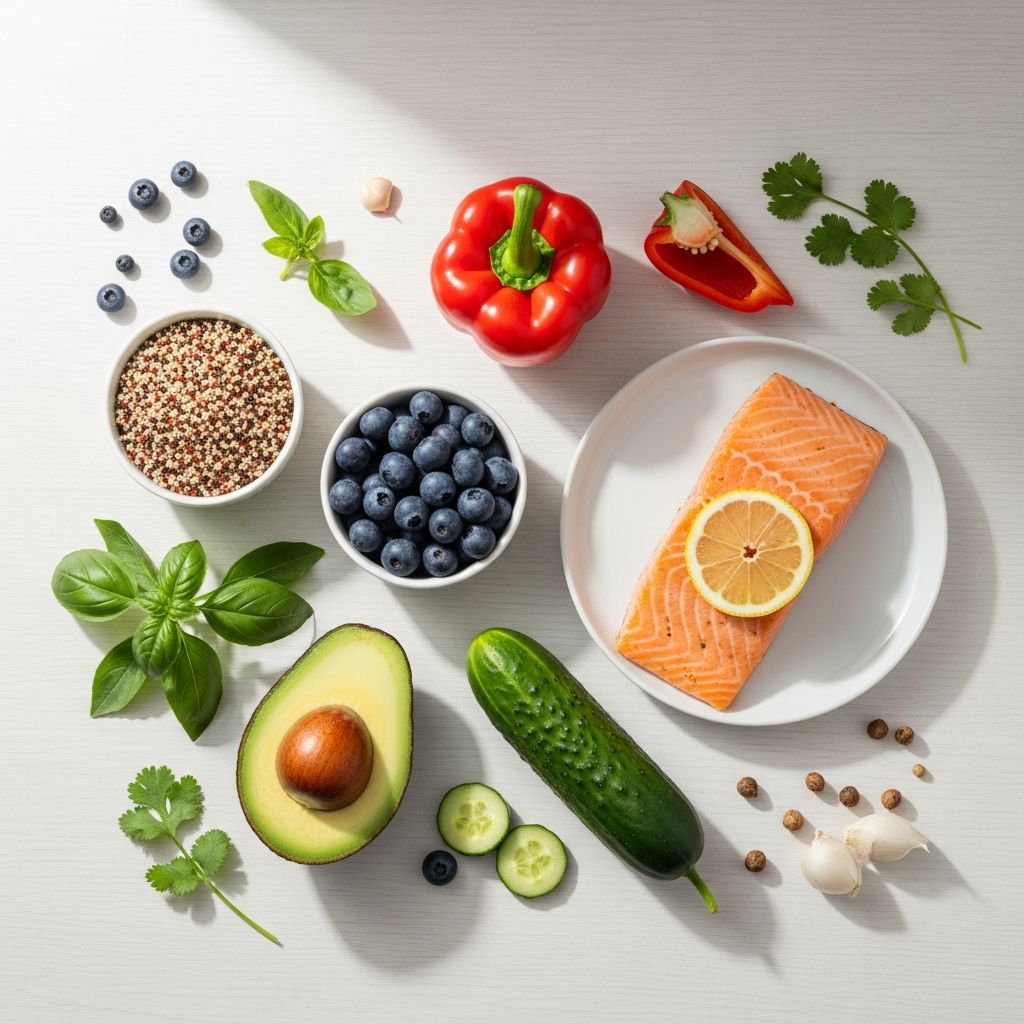
Successfully managing a low-histamine diet requires knowing which fresh, unprocessed foods are naturally low in histamine content. These foods form the foundation of your eating plan and should comprise the majority of your daily food intake.
Proteins and Meat Products
Fresh meat, poultry, and fish that have not been aged, cured, or smoked are excellent protein sources for a low-histamine diet. Purchase fresh proteins and prepare them within one to two days of purchase. Avoid deli meats, cured bacon, aged steaks, smoked salmon, and canned fish, as these processing methods dramatically increase histamine levels. Freshly caught or freshly butchered proteins provide optimal histamine content for MCAS management.
Related Stories



Fresh Produce
Fresh vegetables, consumed shortly after purchase, are ideal dietary staples. However, certain vegetables naturally contain higher histamine levels or possess compounds that trigger histamine release. Avoid tomatoes, spinach, eggplant, avocado, and squash, as these are known triggers for many individuals with histamine intolerance. Instead, focus on fresh broccoli, carrots, zucchini (without the skin), green beans, lettuce, cucumber, and bell peppers (non-red varieties).
Non-citrus fruits including apples, blueberries, mangoes, and peaches provide essential vitamins and antioxidants without triggering histamine responses. These fruits offer nutritional benefits and can be consumed fresh as snacks or incorporated into meals. Avoid citrus fruits, which may trigger symptoms in sensitive individuals.
Grains and Starches
Gluten-free grains such as rice, quinoa, amaranth, buckwheat, and millet are naturally low in histamine. These grains can be prepared fresh and consumed immediately for optimal histamine content. Potatoes, both white and sweet varieties, also qualify as low-histamine starches when prepared fresh. Oats are generally well-tolerated by individuals following a low-histamine diet.
Dairy and Dairy Alternatives
If you tolerate dairy, fresh milk and unfermented soft cheeses are acceptable options. These include butter, ghee, cream, cream cheese, ricotta, and mozzarella that have not been aged or fermented. Aged and fermented cheeses undergo processing that dramatically increases histamine content and should be avoided entirely.
Non-dairy milk alternatives such as coconut, almond, and oat milk are naturally low in histamine and provide suitable replacements for those unable to tolerate dairy products. These alternatives can be used in cooking, baking, or as standalone beverages.
Healthy Fats and Oils
Olive oil and coconut oil are low-histamine cooking oils that enhance flavor while maintaining nutritional value. These oils are ideal for sautéing vegetables, dressing salads, and general food preparation. Avoid aged or specialty oils, which may contain higher histamine levels.
Seeds and Nuts
Flax seeds, chia seeds, and almonds are low in histamine and rich in omega-3 fatty acids and fiber. These nutritious additions can be incorporated into meals to boost nutritional content without triggering histamine responses.
Beverages
Herbal teas including ginger, chamomile, and peppermint are excellent low-histamine beverage choices. Freshly brewed herbal teas provide comfort and additional health benefits without the histamine burden of aged or fermented beverages.
High-Histamine Foods to Avoid
Understanding which foods to eliminate is equally important as knowing which foods to include. High-histamine foods fall into specific categories based on their processing methods and storage characteristics.
Aged and Fermented Products
Any food processing method involving fermentation or curing dramatically increases histamine levels through bacterial proliferation and enzymatic reactions. This category includes aged cheeses, cured and processed meats, fermented vegetables like sauerkraut and kimchi, soy sauce, miso, tempeh, and pickled products. Alcohol, particularly aged varieties like red wine and beer, also contains elevated histamine concentrations and should be avoided.
Canned and Preserved Foods
Although the canning process slows bacterial growth, it does not eliminate bacteria entirely. Certain bacteria continue growing during storage, producing histamine over time. Canned foods, whether vegetables, fruits, or proteins, typically contain significantly higher histamine levels than their fresh counterparts. Preserved foods of all types should be avoided in favor of fresh alternatives.
Leftover Foods
Bacteria multiply rapidly in leftover foods during refrigeration, substantially increasing histamine content even within 24 hours. For optimal histamine control, prepare fresh meals and consume them immediately rather than relying on leftovers. When leftovers are necessary, consume them within a few hours of preparation rather than storing them for extended periods.
Slow-Cooked and Grilled Foods
Cooking methods significantly influence histamine development. Slow-cooking, which exposes food to prolonged heat and moisture, promotes bacterial growth and histamine formation. Grilling at high temperatures can also increase histamine levels. Instead, opt for steaming or boiling, which produce lower histamine concentrations and maintain better nutritional integrity.
Food Storage and Preparation Guidelines
Proper food handling directly impacts histamine content. Frozen foods tend to be lower in dietary histamine because they are frozen quickly after harvest, preventing bacterial growth. Purchase high-quality frozen vegetables and proteins as acceptable alternatives to fresh options when fresh produce is unavailable. The rapid freezing process preserves foods in their low-histamine state.
Fresh produce should be purchased and consumed within a few days to ensure you consume foods in their freshest form. While washing produce helps remove surface contaminants, it does not prevent the internal histamine formation that occurs as foods age. Shopping more frequently for smaller quantities of fresh produce maintains optimal histamine levels.
When preparing meals, cook only the portion you will consume immediately. This practice prevents the histamine accumulation that occurs in stored leftovers. Invest in quality food preparation equipment and dedicate time to meal preparation to ensure consistent access to fresh, low-histamine meals.
Testing for Histamine Intolerance
A registered dietitian nutritionist typically recommends following a strict low-histamine diet for 2 to 6 weeks before making dietary conclusions. During this elimination phase, carefully track symptoms in a food and symptom journal, noting any improvements or changes in symptom severity.
After the elimination period, gradually reintroduce high-histamine foods one at a time, spacing introductions several days apart. If symptoms significantly worsen when you reintroduce specific high-histamine foods, you likely have histamine intolerance. If symptoms remain unchanged after eliminating high-histamine foods, other MCAS triggers or conditions may be responsible for your symptoms.
This systematic approach, conducted under healthcare provider supervision, accurately identifies histamine intolerance versus other potential triggers. It’s essential to work with a qualified healthcare professional during elimination diets to ensure safety and prevent unnecessary nutritional deficiencies.
Supplementary Management Strategies
Beyond dietary modifications, several complementary strategies support histamine intolerance management. Prioritizing quality sleep, managing chronic stress, and maintaining digestive health all contribute to improved histamine tolerance. Supporting overall gut health through appropriate fiber intake, hydration, and stress reduction enhances enzyme function and histamine metabolism.
Over-the-counter antihistamines may provide temporary symptom relief, though they should be used as adjunctive tools rather than primary management strategies. Working with a healthcare provider to identify underlying causes of reduced enzyme function—such as mold exposure, chronic infections, or nervous system dysregulation—addresses root causes rather than merely treating symptoms.
Working with Healthcare Professionals
Managing a low-histamine diet successfully requires professional guidance from registered dietitian nutritionists and healthcare providers experienced with MCAS and histamine intolerance. These professionals assess your individual nutritional needs, identify personal triggers, ensure adequate nutrient intake despite dietary restrictions, and monitor your progress over time.
A registered dietitian can help curate a personalized plan that fits your specific preferences, health needs, cultural background, and food availability. They ensure you receive adequate calories, protein, vitamins, and minerals while maintaining a low-histamine diet. Regular follow-up appointments allow for plan adjustments as your tolerance improves and symptom patterns become clearer.
Frequently Asked Questions
Q: Can I ever return to eating high-histamine foods?
A: Many individuals find that after symptoms stabilize on a low-histamine diet, they can gradually reintroduce small quantities of higher-histamine foods without significant symptom recurrence. This process should occur gradually and under professional supervision, introducing one food at a time and monitoring responses carefully.
Q: How quickly will I notice symptom improvement?
A: Symptom improvement timelines vary significantly among individuals. Some experience noticeable benefits within one to two weeks, while others require four to six weeks of strict adherence before observing meaningful changes. Consistency during the elimination phase is critical for accurate symptom assessment.
Q: Are there any supplements that help reduce histamine levels?
A: Certain supplements, including vitamin B6, vitamin C, and quercetin, may support histamine metabolism and tolerance. However, supplement recommendations should come from qualified healthcare professionals familiar with your complete health picture, as some supplements may trigger individual reactions.
Q: Is a low-histamine diet safe long-term?
A: A well-planned low-histamine diet can be maintained long-term with professional guidance to ensure nutritional adequacy. Working with a registered dietitian ensures you receive appropriate amounts of all essential nutrients despite food restrictions.
Q: What if I don’t see improvement after eliminating high-histamine foods?
A: If symptoms persist despite strict low-histamine diet adherence, other MCAS triggers or concurrent conditions may be responsible. Work with your healthcare provider to investigate alternative causes and develop comprehensive management strategies addressing all contributing factors.
Conclusion
Managing mast cell activation syndrome and histamine intolerance through a low-histamine diet represents a powerful, evidence-based approach to reducing symptoms and improving quality of life. Success requires understanding which foods naturally contain high histamine levels, adopting appropriate food preparation and storage methods, and maintaining detailed tracking of your individual responses to dietary changes.
While the low-histamine diet requires commitment and lifestyle adjustment, many individuals report substantial symptom improvement and enhanced well-being after implementing this dietary approach. By working collaboratively with registered dietitian nutritionists and healthcare providers experienced in MCAS management, you can develop a personalized, sustainable eating plan that supports your health goals while maintaining adequate nutrition.
Remember that histamine intolerance exists on a spectrum, and individual tolerance thresholds vary considerably. What works optimally for one person may require adjustment for another. With proper professional guidance, consistent dietary adherence, and periodic reassessment of your tolerance levels, you can successfully manage histamine intolerance and work toward long-term symptom control and improved health outcomes.
References
- MCAS Diet: Understanding Histamine Intolerance — Sarah Lynn Nutrition. 2024. https://www.sarahlynnnutrition.com/mcas-diet/
- Best Foods & Drinks Low In Histamine — ToneOpFit. 2024. https://toneopfit.com/blogs/food-low-in-histamine
- Histamine Intolerance: What It Is & What to Do About It — Dr. Brighten. 2024. https://drbrighten.com/histamine-intolerance/
Similar Articles








Read full bio of medha deb