Low Potassium Levels in Your Blood: Hypokalemia
Understanding hypokalemia: causes, symptoms, diagnosis, and effective treatment options.
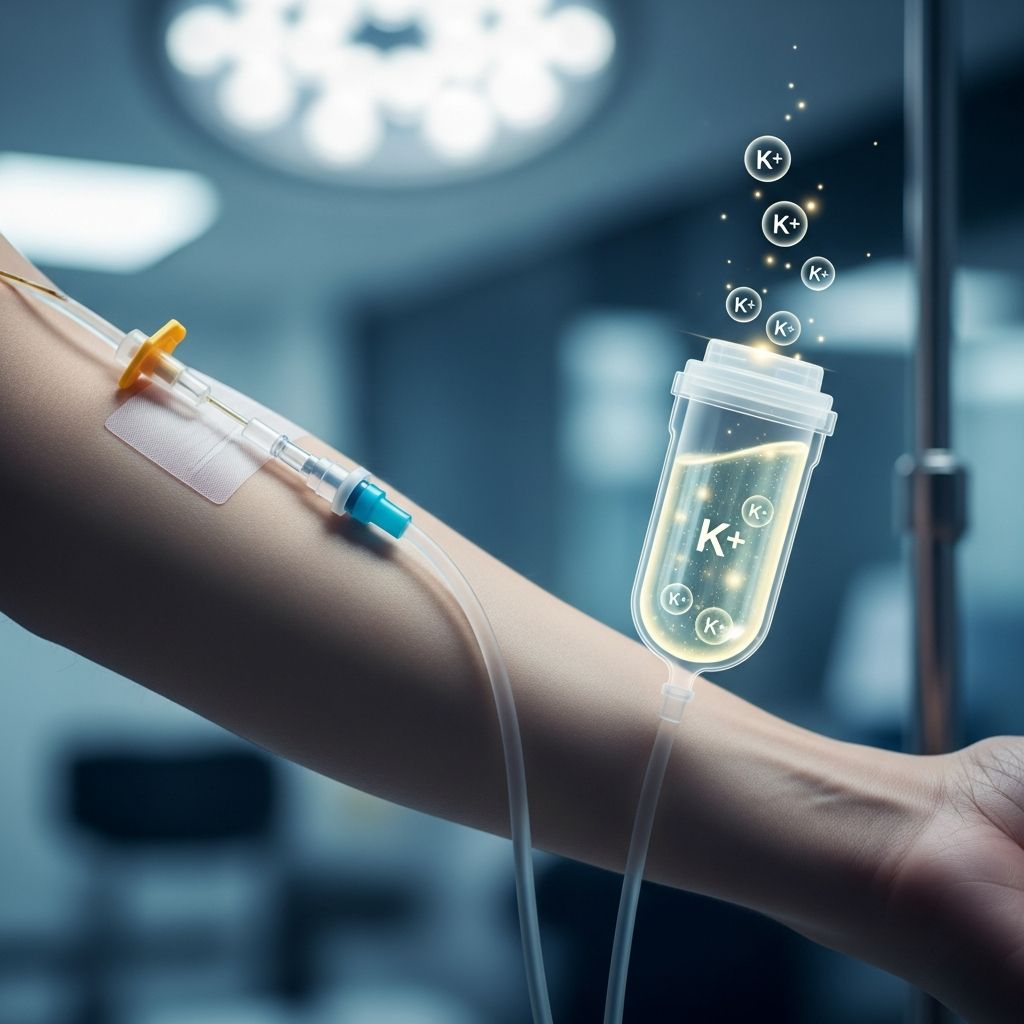
Understanding Hypokalemia: Low Potassium Levels in Your Blood
Hypokalemia, commonly referred to as low potassium, is a medical condition characterized by insufficient levels of potassium in the bloodstream. Potassium is an essential mineral and electrolyte that plays a critical role in maintaining proper body function. It regulates heart rhythm, supports muscle contraction, and maintains proper nerve signal transmission. When potassium levels drop below the normal range, it can lead to various health complications ranging from mild to severe. Understanding this condition is crucial for anyone concerned about their electrolyte balance and overall health.
What Is Potassium and Why Is It Important?
Potassium is one of the most important electrolytes in the human body. It works alongside sodium and other minerals to maintain fluid balance, support nerve function, and regulate muscle contractions, including the heartbeat. The normal potassium level in the blood typically ranges from 3.5 to 5.0 millimoles per liter (mmol/L). When potassium levels fall below 3.5 mmol/L, a person is considered to have hypokalemia. This condition can affect various bodily systems, particularly the cardiovascular and muscular systems. The kidneys play a primary role in regulating potassium levels by filtering excess potassium from the blood and excreting it through urine.
Common Causes of Hypokalemia
Hypokalemia develops through various mechanisms, with the most common causes involving excessive loss of potassium rather than insufficient dietary intake. Understanding these causes helps identify risk factors and prevent serious complications.
Gastrointestinal Losses
The digestive system is a primary source of potassium loss in hypokalemia cases. Vomiting and diarrhea are among the most common causes, as these conditions result in the rapid loss of potassium-containing fluids and electrolytes. Chronic diarrhea from conditions like inflammatory bowel disease or irritable bowel syndrome can lead to persistent potassium depletion. Laxative abuse, whether intentional or habitual, also causes significant potassium loss through the intestinal tract. Additionally, individuals with certain gastrointestinal disorders or those recovering from surgery may experience hypokalemia due to inadequate oral intake combined with increased losses.
Medication-Related Causes
Many medications can contribute to potassium depletion. Diuretics, particularly thiazide and loop diuretics prescribed for hypertension and heart failure, increase urinary potassium excretion. Corticosteroids used to treat inflammatory conditions can also promote potassium loss. Certain antibiotics, antifungal medications, and laxatives are additional pharmaceutical culprits. ACE inhibitors and angiotensin II receptor blockers, while generally beneficial for heart health, can affect potassium regulation. It is essential for patients on these medications to have their potassium levels monitored regularly.
Kidney and Renal Disorders
The kidneys are responsible for potassium balance, so renal conditions significantly impact potassium levels. Renal tubular acidosis, where the kidneys fail to properly regulate acid-base balance, can cause excessive potassium wasting. Certain genetic disorders affecting kidney function also contribute to hypokalemia. Chronic kidney disease at advanced stages may paradoxically cause hyperkalemia rather than hypokalemia, but during earlier stages and with specific conditions, hypokalemia can develop.
Hormonal and Metabolic Disorders
Endocrine conditions significantly influence potassium metabolism. Cushing syndrome, characterized by excessive cortisol production, promotes renal potassium wasting and can cause severe hypokalemia. Primary hyperaldosteronism increases sodium reabsorption while promoting potassium excretion in the kidneys. Thyroid disorders and other metabolic conditions can also affect potassium balance. Additionally, conditions causing metabolic alkalosis can shift potassium into cells, reducing serum potassium levels.
Other Contributing Factors
Excessive sweating from intense exercise, hot climates, or fever can lead to potassium loss. Poor dietary intake, though less common as a sole cause, contributes when combined with other factors. Alcohol abuse can impair potassium regulation and increase urinary losses. Certain herbal supplements and licorice consumption have been associated with hypokalemia due to their effects on kidney function.
Related Stories



Symptoms of Low Potassium
The symptoms of hypokalemia vary depending on the severity of the deficiency and how rapidly it develops. Mild cases may be asymptomatic and discovered only through laboratory testing. As potassium levels decrease, symptoms become more pronounced and potentially dangerous.
Muscular Symptoms
Muscle weakness is one of the earliest signs of hypokalemia. Patients often report generalized fatigue and a feeling of heaviness in their limbs. Muscle cramps and spasms, particularly in the legs, are common complaints. In more severe cases, muscle paralysis can occur, affecting large muscle groups and potentially impacting respiratory muscles. These muscular symptoms result from potassium’s crucial role in muscle contraction and nerve signal transmission.
Cardiovascular Symptoms
The heart is particularly sensitive to potassium imbalances. Patients may experience palpitations, an awareness of irregular or forceful heartbeats. Dizziness and lightheadedness can occur due to changes in heart rhythm and blood pressure regulation. Chest discomfort or pain has been reported in severe cases. Hypokalemia can cause dangerous cardiac arrhythmias, including ventricular fibrillation, which constitutes a medical emergency.
Other Symptoms
Constipation frequently accompanies hypokalemia due to reduced muscle function in the digestive tract. Increased thirst and frequent urination may develop as the kidneys attempt to maintain fluid balance. Some patients report mood changes, including irritability or depression. In severe cases, confusion or altered mental status can occur.
Diagnosis of Hypokalemia
Accurate diagnosis of hypokalemia requires laboratory testing and clinical evaluation. A simple blood test measuring serum potassium concentration is the primary diagnostic tool. Healthcare providers consider the patient’s symptoms, medical history, medications, and other laboratory values when making a diagnosis.
Laboratory Tests
A serum potassium level below 3.5 mmol/L confirms hypokalemia. Healthcare providers may classify the severity: mild (3.0-3.5 mmol/L), moderate (2.5-3.0 mmol/L), or severe (below 2.5 mmol/L). Additional tests provide information about the underlying cause. Urinary potassium measurements help determine whether potassium loss occurs through the kidneys or gastrointestinal tract. Fractional excretion of potassium and urine potassium-to-creatinine ratios provide more detailed information about renal potassium handling. Metabolic panel tests assess other electrolytes, glucose, kidney function, and acid-base status.
Clinical Evaluation
A thorough history regarding medications, dietary habits, gastrointestinal symptoms, and medical conditions helps identify the cause. Physical examination findings, such as signs of dehydration, muscle weakness, or cardiac irregularities, contribute to assessment. Blood pressure measurements and heart rhythm monitoring may reveal cardiovascular effects. Imaging studies or additional testing may be warranted depending on suspected underlying causes.
Treatment and Management
Treatment of hypokalemia focuses on replenishing potassium stores and addressing the underlying cause to prevent recurrence.
Potassium Supplementation
Mild hypokalemia can often be managed through dietary increases in potassium-rich foods such as bananas, oranges, potatoes, spinach, and tomatoes. For moderate to severe hypokalemia, potassium supplements are necessary. Oral potassium supplements are preferred when possible, as they are safer and better tolerated than intravenous administration. Common oral supplements include potassium chloride, potassium bicarbonate, and potassium citrate. Intravenous potassium repletion is reserved for severe symptomatic hypokalemia or when oral administration is not feasible. During potassium replacement, careful monitoring of serum levels is essential to avoid overcorrection and hyperkalemia.
Addressing Underlying Causes
Treating the root cause is essential for preventing recurrent hypokalemia. Medication adjustments may be necessary if pharmaceuticals contributed to potassium loss. Management of gastrointestinal conditions causing diarrhea or vomiting is important. Addressing hormonal disorders like Cushing syndrome or hyperaldosteronism helps normalize potassium levels. For patients on diuretics, healthcare providers may adjust dosages, switch to potassium-sparing alternatives, or recommend increased dietary potassium intake.
Monitoring and Follow-up
Regular monitoring of potassium levels is crucial during treatment and maintenance. Severe hypokalemia (serum potassium level below 3 mmol/L) or symptomatic hypokalemia warrants prompt repletion and closer monitoring of serum levels to determine response to therapy. Patients with heart disease require lower serum potassium thresholds for intervention due to increased risk for arrhythmias. Long-term management may require ongoing supplementation or dietary modifications combined with treatment of underlying conditions.
Prevention of Hypokalemia
Preventing hypokalemia involves maintaining adequate potassium intake and minimizing risk factors. A balanced diet rich in potassium-containing foods supports healthy levels. For patients on medications known to deplete potassium, regular monitoring and healthcare provider oversight are essential. Avoiding excessive use of laxatives and maintaining good gastrointestinal health help prevent losses through the digestive tract. Limiting alcohol consumption and managing stress through adequate sleep and exercise support overall electrolyte balance. Patients with risk factors or those taking relevant medications should discuss potassium management with their healthcare providers.
Complications of Untreated Hypokalemia
Failing to address hypokalemia can lead to serious complications. Severe cardiac arrhythmias can progress to life-threatening conditions like ventricular fibrillation or asystole. Rhabdomyolysis, a condition involving severe muscle breakdown, can develop from profound hypokalemia and lead to acute kidney injury. Respiratory muscle weakness can impair breathing, particularly in severe cases. Metabolic alkalosis often accompanies hypokalemia and can compound the medical complications. Sudden death has occurred in cases of severe untreated hypokalemia, particularly when combined with underlying cardiac disease.
Frequently Asked Questions About Hypokalemia
Q: What foods are highest in potassium?
A: Potassium-rich foods include bananas, avocados, spinach, sweet potatoes, beans, citrus fruits, tomatoes, and coconut water. Dried fruits like apricots and prunes also contain significant potassium amounts.
Q: Can hypokalemia cause permanent damage?
A: Mild to moderate hypokalemia typically resolves without permanent damage with appropriate treatment. However, severe or prolonged hypokalemia can cause permanent muscle damage, cardiac complications, or other organ damage if left untreated.
Q: How quickly does potassium supplementation work?
A: Oral potassium supplements may take several hours to days to significantly raise serum potassium levels, while intravenous administration works more rapidly within minutes to hours, depending on the infusion rate.
Q: Can I have hypokalemia without symptoms?
A: Yes, mild hypokalemia can be asymptomatic and discovered only through laboratory testing during routine medical checkups or when investigating other conditions.
Q: Is salt substitutes helpful for hypokalemia?
A: Many salt substitutes contain potassium chloride and can help maintain potassium levels, but individuals should consult with their healthcare provider before using them, particularly those with kidney disease or taking certain medications.
Q: How often should potassium levels be checked?
A: Frequency depends on individual risk factors and medications. Patients on diuretics or with chronic conditions may need monitoring every few months, while those receiving treatment for acute hypokalemia need more frequent checks until levels stabilize.
References
- Cleveland Clinic: Low Potassium Levels in Your Blood — Cleveland Clinic. 2024. https://my.clevelandclinic.org/health/diseases/17740-low-potassium-levels-in-your-blood-hypokalemia
- A hidden cause of hypokalemia — Cleveland Clinic Journal of Medicine. 2024. https://www.ccjm.org/content/91/6/345
- The devil is in the details: Approach to refractory hypokalemia — Cleveland Clinic Journal of Medicine. 2023. https://www.ccjm.org/content/89/4/182
- Electrolytes: Types, Purpose & Normal Levels — Cleveland Clinic. 2024. https://my.clevelandclinic.org/health/diagnostics/21790-electrolytes
- Serum potassium, end stage renal disease and mortality in chronic kidney disease — National Center for Biotechnology Information (NCBI). 2015. https://pmc.ncbi.nlm.nih.gov/articles/PMC4686260/
- Heart Failure Diet: Potassium — Cleveland Clinic. 2024. https://my.clevelandclinic.org/health/articles/17073-heart-failure-diet-potassium
Similar Articles








Read full bio of Sneha Tete