Low-Purine Diet Guide: Foods, Benefits, Sample Meal Plan
Discover how a low-purine diet can effectively manage gout, lower uric acid, and boost overall wellness through smart food choices.
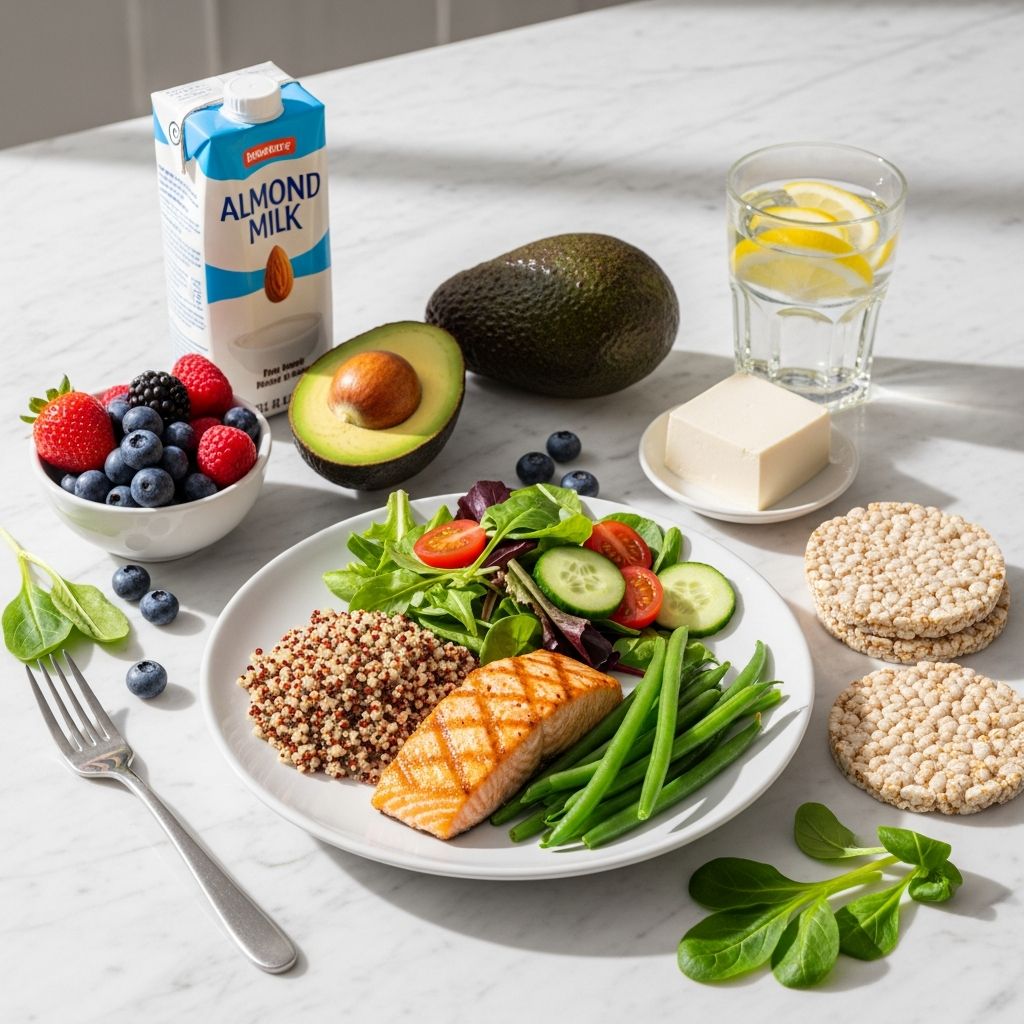
A low-purine diet strategically limits intake of purine-rich foods to minimize uric acid production in the body, offering significant relief for conditions like gout and kidney stones while promoting broader health improvements.
Understanding Purines and Their Impact on Health
Purines are naturally occurring compounds found in many foods and even produced by the body. When broken down, they form uric acid, which at high levels can crystallize in joints, leading to intense pain from gout, or form stones in the kidneys. High uric acid, or hyperuricemia, affects millions worldwide and correlates with risks like hypertension and metabolic syndrome.
By adopting a low-purine approach, individuals can lower serum uric acid (sUA) levels effectively. Clinical evidence shows that after just two weeks, sUA can drop significantly—from around 576 μmol/L to 514 μmol/L—alongside reductions in blood pressure, BMI, and kidney stress markers like BUN and creatinine. This diet doesn’t eliminate purines entirely but caps daily intake at about 100-150 mg, focusing on moderation.
Key Health Advantages of Reducing Purine Intake
Embracing this dietary pattern yields multifaceted benefits, supported by research and clinical observations.
- Gout Prevention: Limiting purines directly curbs uric acid buildup, slashing flare-up frequency and intensity. Studies confirm frequent high-purine consumption raises recurrent gout risk nearly fivefold.
- Kidney Protection: Excess uric acid strains kidneys and promotes stone formation. A low-purine regimen eases this burden, improving filtration rates and reducing stone incidence.
- Cardiovascular Support: Gout links to heart disease; this diet counters it by lowering cholesterol, triglycerides, and blood pressure (e.g., systolic BP from 137 to 133 mmHg in trials).
- Weight and Metabolic Gains: Emphasizing whole foods aids modest BMI reduction and stabilizes blood lipids, fostering sustainable weight management.
- Reduced Inflammation: Incorporated foods like cherries and omega-3 sources provide natural anti-inflammatory effects, easing joint swelling.
Foods to Prioritize in Your Daily Meals
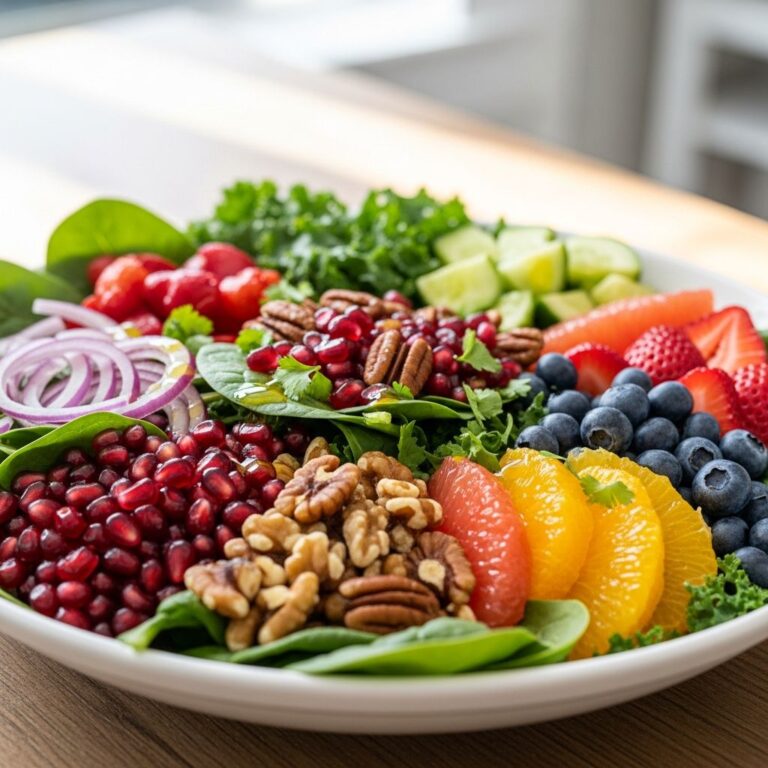
Center your plate on low-purine options that deliver vitamins, fiber, and antioxidants without spiking uric acid.
| Category | Recommended Foods | Purine Level (mg/100g) | Health Perks |
|---|---|---|---|
| Fruits | Cherries, berries, apples, citrus, bananas | <50 | Antioxidants fight inflammation; cherries specifically lower gout risk. |
| Vegetables | Leafy greens, broccoli, carrots, potatoes, cucumbers | <50 | High fiber aids digestion and uric acid excretion. |
| Dairy | Low-fat milk, yogurt, cheese | <10 | Protects against gout attacks per observational data. |
| Grains | Oats, brown rice, whole wheat bread, quinoa | <50 | Sustained energy without purine load. |
| Proteins | Eggs, tofu, legumes (in moderation), nuts | 10-100 | Plant-based options support muscle health safely. |
These choices ensure nutritional balance. For instance, low-fat dairy not only keeps purines minimal but may actively lower uric acid through bioactive compounds.
Foods to Limit or Eliminate
Avoiding high-purine culprits is crucial for success. Here’s a breakdown:
| Category | High-Purine Foods to Avoid | Purine Level (mg/100g) | Alternatives |
|---|---|---|---|
| Meats | Organ meats (liver, kidneys), red meat, bacon | 150-1000+ | Chicken or turkey (limited portions). |
| Seafood | Anchovies, sardines, mussels, scallops, tuna | 200-400 | Salmon or freshwater fish occasionally. |
| Other | Beer/yeast extracts, gravy, certain mushrooms | 100-200 | Herbal teas, water. |
Alcohol, especially beer, exacerbates uric acid by impairing kidney excretion. Limit to occasional low-purine wines if at all.
Practical Strategies for Implementing the Diet
Related Stories



Transition smoothly with these actionable steps:
- Hydrate Aggressively: Aim for 8-12 glasses of water daily to flush uric acid via urine.
- Portion Control: Even moderate-purine foods like lentils should be limited to ½ cup per serving.
- Meal Prep: Batch-cook veggie stir-fries, fruit smoothies, and grain salads for convenience.
- Track Intake: Use apps to log purines initially for awareness.
- Combine with Lifestyle: Pair with 30 minutes of daily exercise to enhance uric acid clearance.
A sample daily menu might include oatmeal with berries for breakfast, a green salad with tofu for lunch, and grilled chicken with quinoa and veggies for dinner—all under 120 mg purines.
Scientific Evidence Backing the Approach
Rigorous studies validate efficacy. A 2024 meta-analysis of 626 gout patients showed a 2-week intervention reduced sUA by over 60 μmol/L, with parallel drops in BMI (0.18 kg/m²), systolic BP (3.76 mmHg), and lipids. Another review links purine restriction to fewer gout recurrences, emphasizing overproduction-type gout benefits. Long-term adherence sustains these gains, protecting against comorbidities.
Potential Challenges and Solutions
Common hurdles include social dining or cravings. Counter them by:
- Choosing veggie-heavy restaurant sides.
- Stocking low-purine snacks like popcorn or apple slices.
- Consulting a dietitian for personalized plans, especially with medications.
Monitor via blood tests; aim for sUA below 6 mg/dL (360 μmol/L) to prevent attacks.
Frequently Asked Questions
Can I eat eggs on a low-purine diet?
Yes, eggs are virtually purine-free and an excellent protein source.
How quickly does the diet lower uric acid?
Noticeable drops occur in 1-2 weeks, with optimal results in 4-6 weeks.
Is coffee allowed?
Moderate coffee (2-3 cups) is fine and may even aid uric acid excretion.
Does this diet work for kidney stone prevention?
Absolutely, by acidifying urine less and boosting hydration.
Should vegetarians adjust anything?
Focus on diverse plants; limit moderate-purine beans to avoid excess.
Long-Term Success Tips
Sustainability is key. View this as a flexible lifestyle: 80/20 rule allows occasional indulgences. Regular check-ups ensure progress. Integrating anti-inflammatory staples like cherries can amplify benefits. This diet not only tames gout but elevates vitality, proving small changes yield profound health dividends.
References
- Low-Purine Diet For Gout — Sparsh Diagnostic Center. 2023. https://www.sparshdiagnostica.com/low-purine-diet-for-gout/
- Effect of low-purine diet on the serum uric acid of gout patients — PMC/NCBI. 2024-09-12. https://pmc.ncbi.nlm.nih.gov/articles/PMC11370010/
- Low Purine Diet (for Gout): Foods to Eat vs. Avoid — DrAxe.com. 2023. https://draxe.com/nutrition/low-purine-diet/
- Foods to eat and avoid on a low purine diet — Medical News Today. 2023-06-15. https://www.medicalnewstoday.com/articles/322590
- Low-purine Diet — FamilyDoctor.org. 2024. https://familydoctor.org/low-purine-diet/
Similar Articles








Read full bio of medha deb