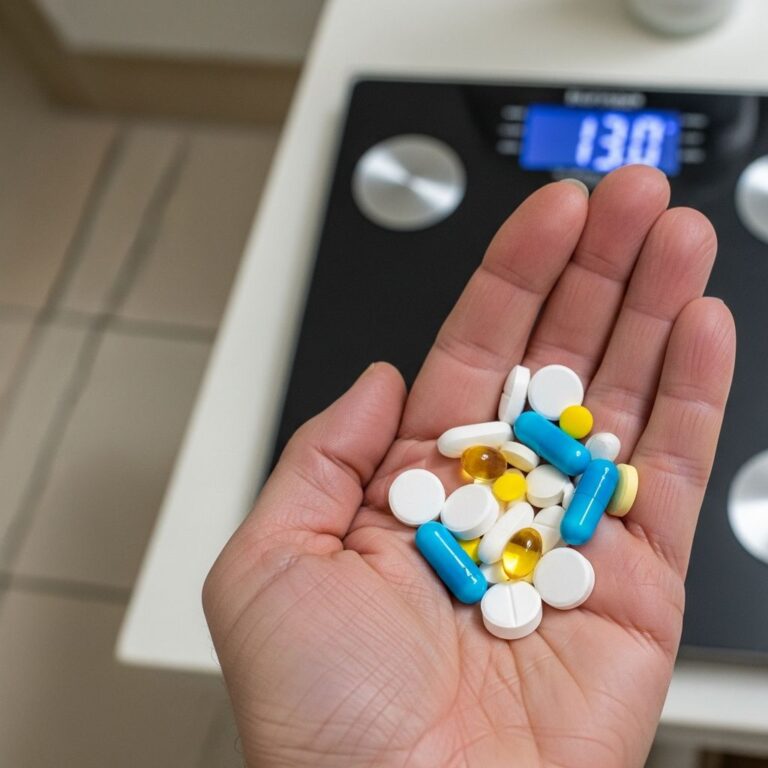
Low-Sodium Diet and Lifestyle Changes for High Blood Pressure
Manage hypertension naturally: Discover how dietary changes and lifestyle modifications can lower blood pressure effectively.
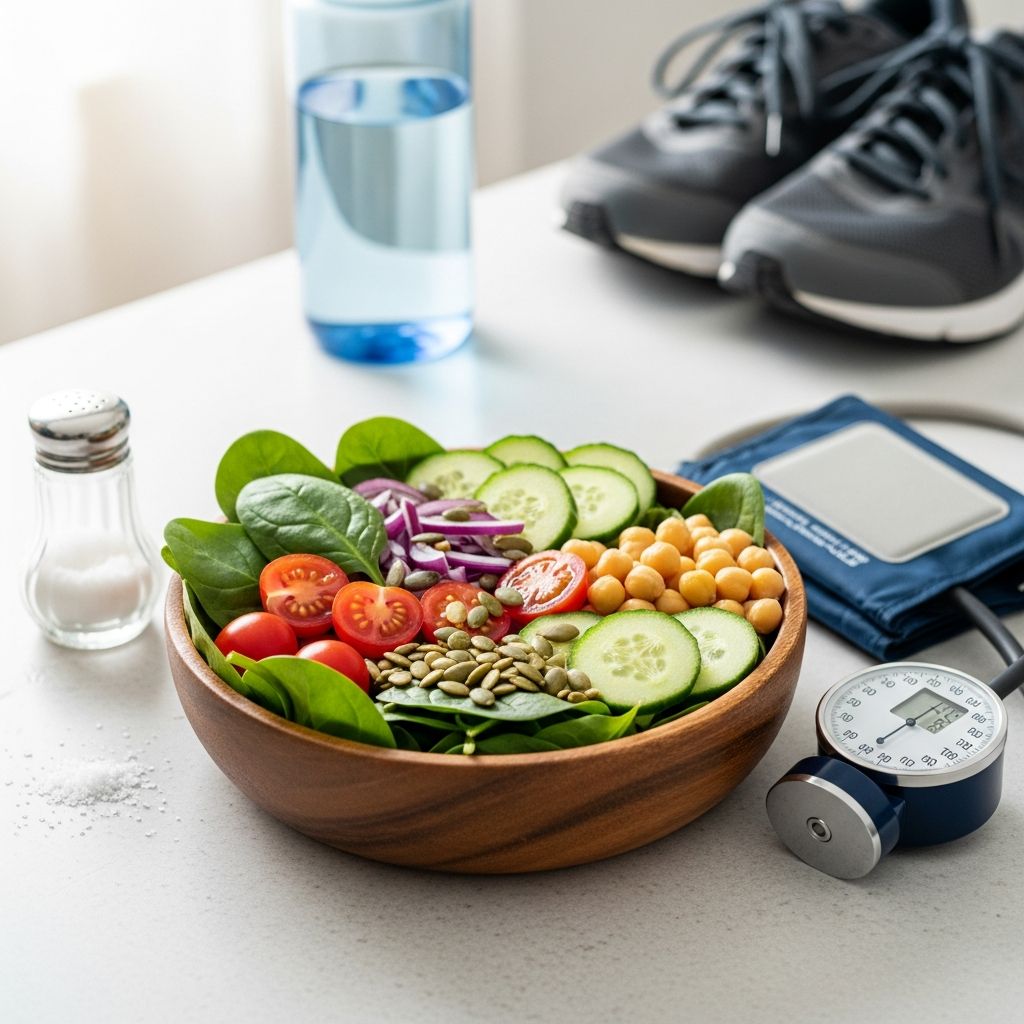
High blood pressure, or hypertension, affects millions of people worldwide and is a significant risk factor for heart disease, stroke, and kidney disease. While medications can help manage this condition, lifestyle changes and dietary modifications offer powerful, natural ways to lower blood pressure and reduce your risk of serious health complications. Among the most effective approaches are reducing sodium intake and adopting heart-healthy eating patterns combined with regular physical activity and stress management.
Understanding High Blood Pressure
Blood pressure is the force of blood pushing against your artery walls as your heart pumps. It is measured in two numbers: systolic pressure (the top number) and diastolic pressure (the bottom number). A normal blood pressure reading is less than 120/80 mm Hg. When your blood pressure consistently exceeds 130/80 mm Hg, you have elevated or high blood pressure, which requires intervention to prevent serious complications.
High blood pressure often develops silently without noticeable symptoms, earning it the nickname “the silent killer.” This is why regular monitoring and proactive management through diet and lifestyle changes are crucial, especially in the early stages of the condition.
The Sodium-Blood Pressure Connection
Sodium plays a significant role in blood pressure regulation. Excess sodium causes your body to retain more water, which increases blood volume and puts additional strain on your blood vessels. Over time, this increased pressure can damage artery walls, leading to stiffness and narrowing—a process called atherosclerosis. Reducing your sodium intake helps your body maintain better fluid balance and reduces the workload on your cardiovascular system.
Research demonstrates that progressively greater blood pressure reductions occur with lower sodium intake, particularly in individuals with elevated baseline blood pressure levels. In fact, a significant reduction in sodium consumption from high to low levels can produce blood pressure decreases of several millimeters of mercury, with effects that strengthen as baseline blood pressure increases.
Most Americans consume far more sodium than the recommended daily limit of 2,300 milligrams per day. Common sources include processed foods, canned goods, restaurant meals, and packaged snacks. By becoming aware of hidden sodium in your diet and making intentional choices, you can significantly impact your blood pressure readings.
The DASH Diet for Blood Pressure Management
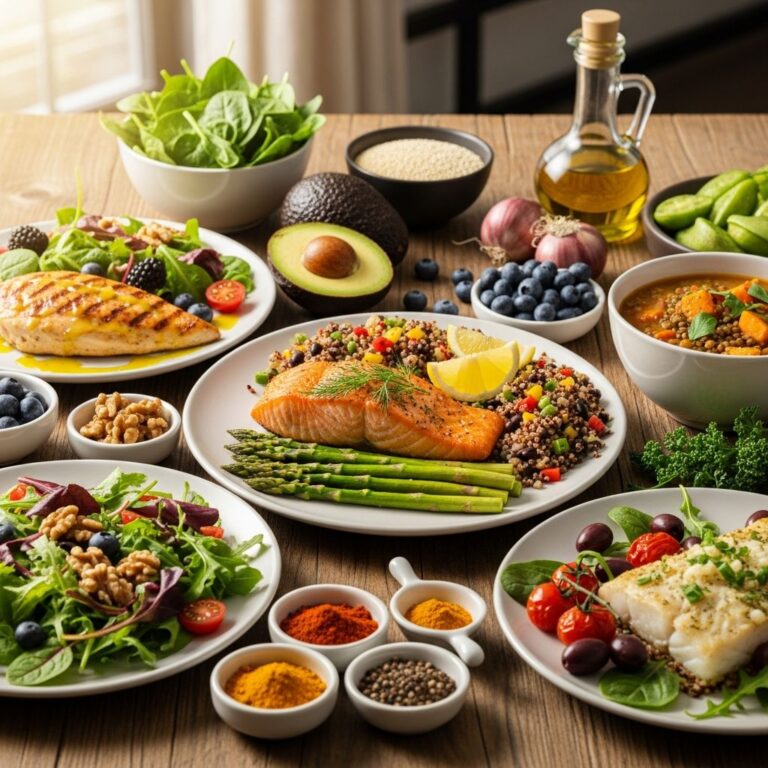
The DASH (Dietary Approaches to Stop Hypertension) diet is a scientifically-proven eating pattern specifically designed to lower blood pressure. This diet emphasizes foods rich in fruits, vegetables, whole grains, lean proteins, and low-fat dairy products while limiting saturated fats, cholesterol, and added sugars.
Core Components of the DASH Diet
The DASH diet focuses on consuming:
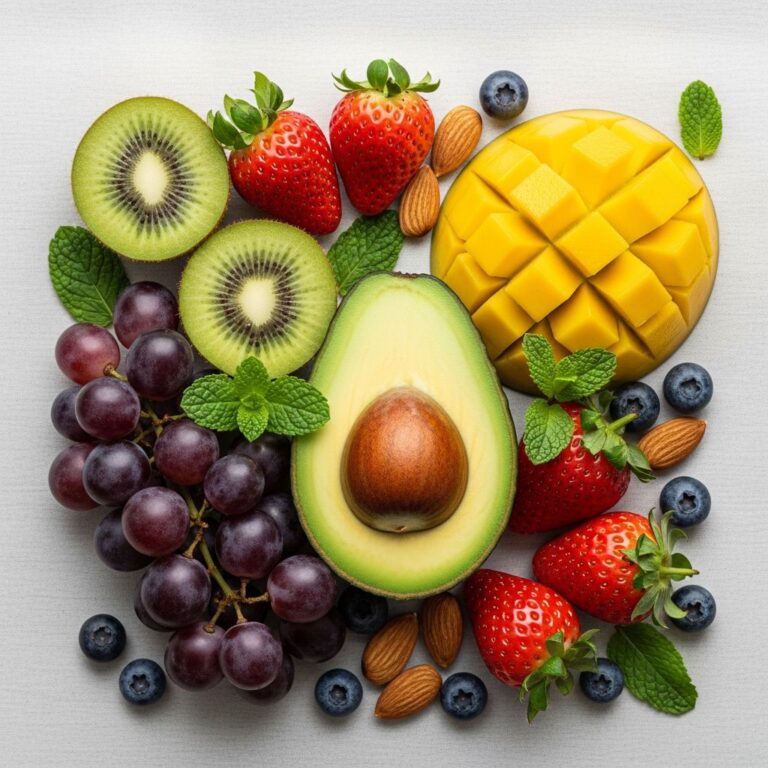
- Fruits and vegetables rich in potassium, magnesium, and fiber
- Whole grains instead of refined grains
- Lean proteins including fish, poultry, and legumes
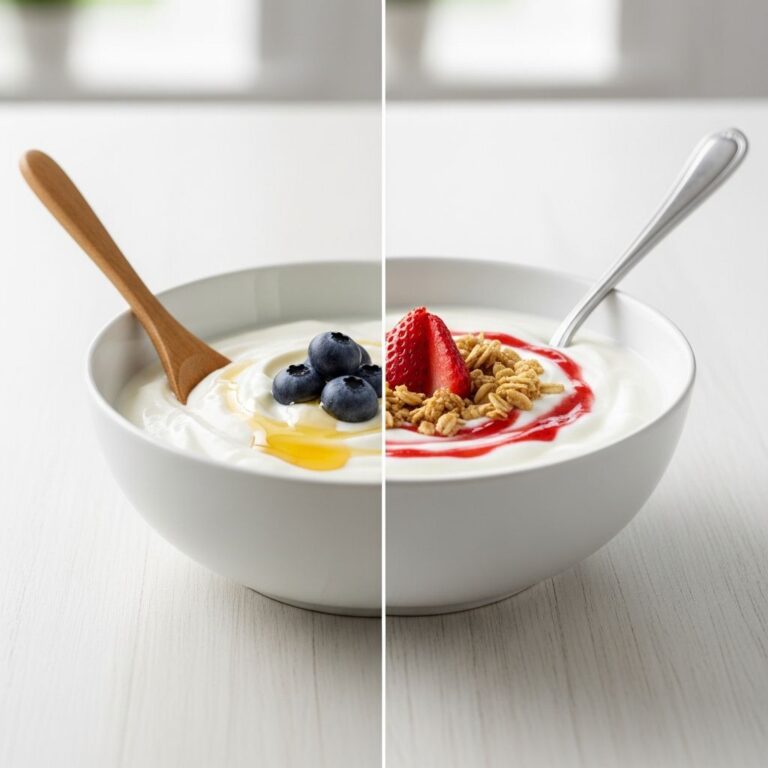
- Low-fat or fat-free dairy products
- Healthy fats from nuts, seeds, and olive oil
- Limited amounts of red meat, processed foods, and added sugars
Related Stories



The minerals found in DASH-friendly foods—particularly potassium, calcium, and magnesium—help relax blood vessel walls and improve blood flow. These nutrients work synergistically to produce meaningful reductions in both systolic and diastolic blood pressure readings.
Combined Effects of DASH and Sodium Reduction
When combined, the DASH diet and low sodium intake produce more substantial blood pressure reductions than either intervention alone. The combined effects show progressively greater reductions at higher levels of baseline blood pressure, with the most dramatic improvements seen in individuals with severe hypertension. Those with systolic blood pressure readings of 150 mm Hg or higher experienced particularly striking reductions when following a low-sodium DASH diet.
For adults with type 2 diabetes and hypertension, a modified DASH diet optimized for diabetes management (DASH4D) combined with sodium reduction achieved clinically relevant blood pressure reductions, with the effect of sodium reduction appearing stronger than the dietary pattern effect alone.
Practical Steps to Reduce Sodium Intake
Reducing sodium doesn’t mean sacrificing flavor or enjoyment of meals. Here are practical strategies to lower your sodium consumption:
Read and Compare Food Labels
Check nutrition labels on packaged foods and choose products with lower sodium content. Compare similar products to identify lower-sodium alternatives. Look for labels indicating “low-sodium” (140 mg or less per serving), “reduced-sodium,” or “no salt added.”
Cook More Meals at Home
Restaurant and processed foods account for the majority of sodium in most people’s diets. Preparing meals at home gives you complete control over sodium levels. Use fresh ingredients whenever possible and season foods with herbs, spices, citrus juice, and vinegar instead of salt.
Gradually Reduce Salt
Your taste buds adapt over time, so gradually reducing salt helps you adjust without feeling deprived. Over a period of weeks, you’ll find that you need less salt to enjoy your food, and natural food flavors become more apparent.
Limit Processed Foods
Processed foods like deli meats, canned soups, frozen meals, and snack foods are major sodium culprits. Even seemingly healthy options like whole grain bread and canned vegetables can contain surprising amounts of sodium. Choose fresh or frozen vegetables without added salt when possible.
Choose Lower-Sodium Alternatives
Substitute high-sodium items with lower-sodium options: use fresh herbs instead of seasoning salts, choose low-sodium broth, select unsalted nuts and seeds, and use olive oil-based dressings instead of high-sodium bottled versions.
Building a Heart-Healthy Diet
Beyond sodium reduction, adopting a comprehensive heart-healthy eating pattern supports blood pressure management:
Increase Potassium-Rich Foods
Potassium helps counteract sodium’s effects and supports healthy blood pressure. Excellent sources include bananas, sweet potatoes, spinach, beans, oranges, and avocados. Aim to include potassium-rich foods at multiple meals throughout the day.
Choose Whole Grains
Replace refined grains with whole grains like brown rice, quinoa, whole wheat bread, and oatmeal. Whole grains provide fiber, which helps reduce cholesterol and supports cardiovascular health.
Incorporate Lean Proteins
Include fish rich in omega-3 fatty acids (salmon, mackerel, sardines), skinless poultry, legumes, and nuts. These protein sources support heart health and help maintain healthy cholesterol levels.
Embrace Healthy Fats
Use olive oil for cooking and salad dressings, include nuts and seeds as snacks, and limit saturated fats from butter, fatty meats, and full-fat dairy products.
Essential Lifestyle Changes Beyond Diet
While dietary modifications are powerful, comprehensive lifestyle changes amplify blood pressure reduction effects:
Regular Physical Activity
Exercise strengthens your heart, improves blood flow, and helps maintain healthy weight. Aim for at least 150 minutes of moderate-intensity aerobic activity weekly, such as brisk walking, swimming, or cycling. Combine aerobic exercise with resistance training two to three times weekly for optimal cardiovascular benefits.
Maintain a Healthy Weight
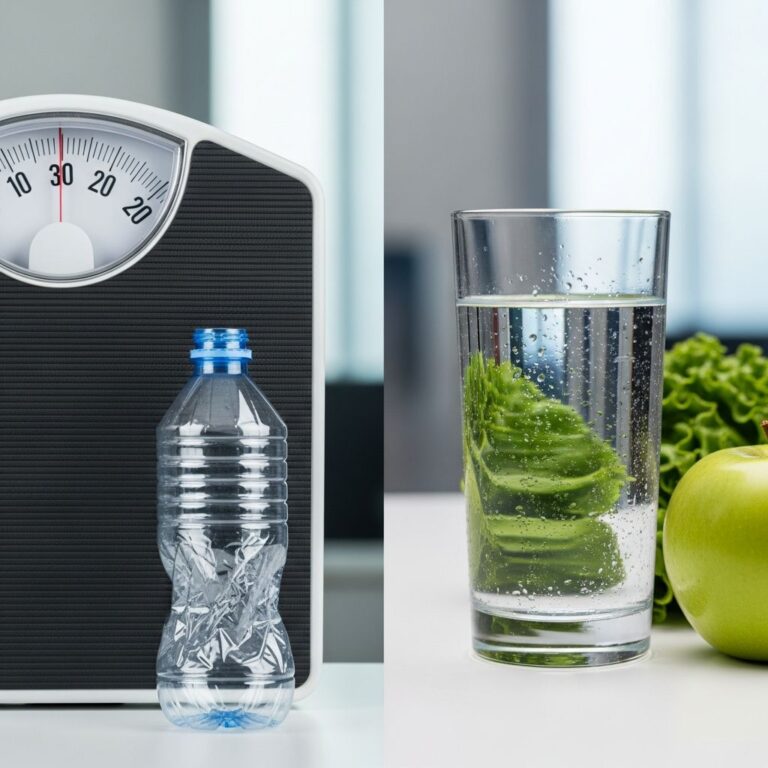
Even modest weight loss (5-10% of body weight) can produce meaningful blood pressure reductions. Excess weight requires your heart to work harder to pump blood, increasing pressure on artery walls.
Manage Stress Effectively
Chronic stress elevates blood pressure and contributes to hypertension. Implement stress-reduction techniques including meditation, deep breathing exercises, yoga, tai chi, or activities you find relaxing. Even 10-15 minutes of daily relaxation practice can benefit your cardiovascular health.
Limit Alcohol Consumption
Excessive alcohol increases blood pressure and contributes to weight gain. Limit consumption to moderate levels: no more than one drink daily for women and two drinks daily for men.
Improve Sleep Quality
Poor sleep and sleep disorders like sleep apnea contribute to high blood pressure. Aim for 7-9 hours of quality sleep nightly by maintaining a consistent sleep schedule, creating a dark sleep environment, and avoiding screens before bedtime.
Quit Smoking
Smoking damages blood vessel walls, increases blood pressure, and significantly raises cardiovascular disease risk. Quitting smoking provides immediate and long-term health benefits.
Creating Your Personalized Action Plan
Managing high blood pressure through diet and lifestyle changes is most effective when approached systematically. Consider these steps:
Assess Your Current Habits
Evaluate your current diet, activity level, stress management practices, and sleep patterns. Identify which areas offer the greatest opportunity for improvement.
Set Realistic Goals
Rather than overhauling everything at once, set achievable goals. For example, begin by replacing one sugary beverage daily with water, adding one vegetable serving to each meal, or taking a 20-minute walk three times weekly.
Track Your Progress
Monitor your blood pressure regularly and keep a food diary to track dietary changes. Many people find that visible progress motivates continued commitment to lifestyle modifications.
Seek Professional Support
Consult with your healthcare provider, a registered dietitian, or a health coach for personalized guidance. These professionals can tailor recommendations to your specific health conditions, medications, and preferences.
Monitoring and Measuring Success
Regular blood pressure monitoring helps you understand how your changes impact your health. Most people see measurable improvements within two to four weeks of implementing dietary and lifestyle changes, though continued adherence produces more significant long-term results. Remember that blood pressure naturally fluctuates throughout the day and can be affected by stress, caffeine, and physical activity timing, so take multiple readings under consistent conditions for accurate assessment.
Frequently Asked Questions
Q: How much sodium should I consume daily?
A: The recommended daily sodium limit is 2,300 milligrams. However, many health organizations suggest aiming for 1,500 milligrams daily for optimal blood pressure management, particularly if you have hypertension.
Q: How quickly will diet changes lower my blood pressure?
A: Most people notice measurable blood pressure reductions within two to four weeks of adopting dietary and lifestyle changes. Greater improvements typically develop over several weeks to months with continued adherence.
Q: Can I still enjoy flavorful food on a low-sodium diet?
A: Absolutely. Herbs, spices, garlic, lemon juice, vinegar, and other seasonings provide excellent flavor without sodium. Your taste preferences adapt within weeks, and you’ll find natural food flavors become more enjoyable.
Q: Do I still need blood pressure medication if I make lifestyle changes?
A: This depends on your individual situation. Some people achieve normal blood pressure through lifestyle changes alone, while others require medication combined with lifestyle modifications. Always consult your healthcare provider before making changes to your medication regimen.
Q: What if I have other health conditions like diabetes alongside high blood pressure?
A: Modified DASH diets optimized for specific conditions, like the DASH4D diet for type 2 diabetes, address multiple health concerns simultaneously. Work with your healthcare team to develop an appropriate dietary approach for your unique needs.
Q: How do I maintain these changes long-term?
A: Success comes from viewing these changes as lifestyle improvements rather than temporary measures. Start gradually, find enjoyable activities and foods, involve family members, and celebrate progress. Regular monitoring and ongoing support increase the likelihood of sustained success.
References
- Effects of Sodium Reduction and the DASH Diet in Relation to Baseline Blood Pressure — Juraschek SP, Miller 3rd ER, Weaver CM, Appel LJ. Journal of the American College of Cardiology. 2017-12-12. https://doi.org/10.1016/j.jacc.2017.10.011
- Dietary Patterns, Sodium Reduction, and Blood Pressure in Type 2 Diabetes: The DASH4D Randomized Clinical Trial — Pilla SJ, Yeh H, Mitchell CM, et al. JAMA Internal Medicine. 2025-08. https://doi.org/10.1001/jamainternmed.2025.1580
- Effects on Blood Pressure of Reduced Dietary Sodium and the Dietary Approaches to Stop Hypertension Diet — Johns Hopkins University. https://pure.johnshopkins.edu/en/publications/effects-on-blood-pressure-of-reduced-dietary-sodium-and-the-dieta-3/
- Electrolyte Monday: Cardiovascular Health and Nutrient Intake — Johns Hopkins Bloomberg School of Public Health. 2012-08-27. https://publichealth.jhu.edu/2012/healthy-monday-2012/08262012_sodium
Similar Articles








Read full bio of medha deb