Low-Sodium Foods List: Heart-Healthy Foods And Tips
Discover heart-healthy, low-sodium foods to reduce salt intake and support better health with practical shopping and meal ideas.
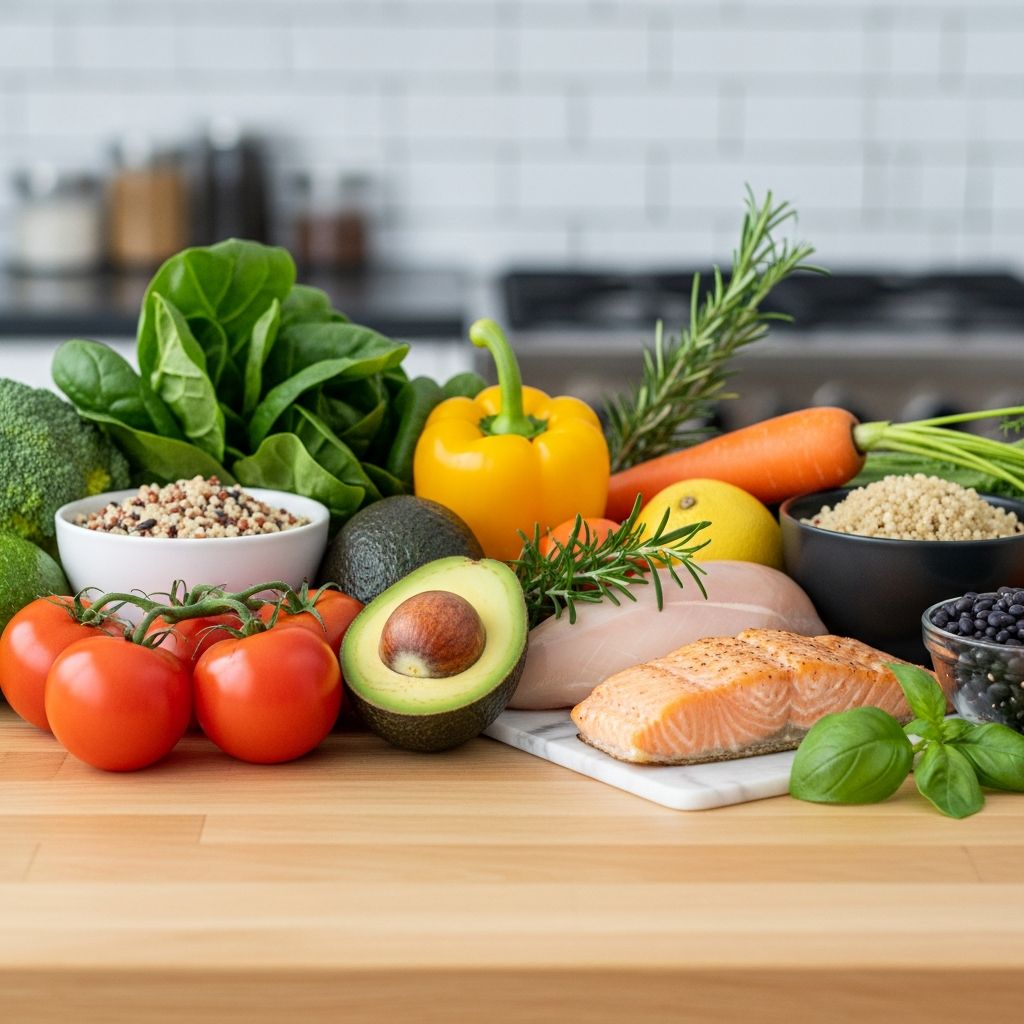
A low-sodium diet is essential for managing high blood pressure, heart disease, and overall cardiovascular health. Most health experts recommend limiting sodium to under 2,300 mg per day, with an ideal target of 1,500 mg for those at risk. This comprehensive list draws from reliable guidelines to help you stock your kitchen with naturally low-sodium options across all food groups.
Focus on fresh, whole foods while avoiding processed items loaded with hidden salt. Reading labels is key—aim for products with less than 140 mg sodium per serving. Below, explore categorized lists of low-sodium foods, high-sodium pitfalls to dodge, and practical tips for flavorful, salt-free eating.
Why Cut Sodium? The Health Impact
Excess sodium contributes to hypertension, affecting nearly half of adults. Reducing intake can lower blood pressure by 5-6 mm Hg, rivaling some medications. Benefits extend to reduced stroke risk, heart failure prevention, and kidney protection. Start by swapping canned goods for fresh alternatives and using herbs for flavor.
Fresh Vegetables: The Low-Sodium Powerhouses
Fresh and frozen vegetables are naturally low in sodium, providing fiber, vitamins, and minerals without added salt. Opt for plain varieties without sauces or seasonings.
- Leafy greens: lettuce (dark green), spinach, kale, collards
- Cruciferous: broccoli, cauliflower, cabbage, brussels sprouts
- Root veggies: carrots, celery, potatoes, sweet potatoes
- Others: tomatoes, cucumbers, bell peppers, mushrooms, zucchini, squash, corn, avocado
Low-Sodium Canned Options: No-salt-added tomatoes, tomato paste, sauce, low-sodium canned vegetables, and juices like low-salt V-8 or tomato juice.
Avoid regular canned veggies, which can pack 300-800 mg sodium per serving. Frozen plain medleys, spinach, kale, winter squash, and black-eyed peas are excellent staples.
Fresh Fruits: Naturally Sodium-Free
All fresh, frozen, and dried fruits are virtually sodium-free, making them ideal snacks and recipe boosters.
- Fresh: berries, apples, oranges, bananas, pineapple, watermelon
- Frozen: plain fruits without syrups
- Canned: fruit in juice (no added salt)
- Dried: raisins, apricots, prunes (unsweetened)
Incorporate into salads, yogurt, or kebabs for low-sodium sweetness.
Proteins: Lean Meats, Fish, Eggs, and Plant-Based Picks
Choose fresh or frozen unprocessed proteins to keep sodium minimal.
- Fresh or frozen: beef, lamb, pork, poultry, fish
- Eggs and egg substitutes
- Low-sodium canned fish: tuna in water, salmon, sardines (drained)
- Plant-based: dry peas, beans, lentils (not canned), unsalted nuts like walnuts, almonds
- Low-sodium peanut butter
High-Sodium to Avoid: Canned meats, sausage, bacon, ham, cold cuts, corned beef, beef jerky, anchovies, pickled herring, salted nuts. Opt for drained water- or oil-packed options.
Dairy Products: Choose Wisely
Not all dairy is high-sodium; select low-sodium versions for calcium without the salt.
Related Stories



| Low-Sodium Dairy | High-Sodium to Limit |
|---|---|
| Milk, fat-free yogurt, ice cream, ice milk | Buttermilk, regular/processed cheese, spreads, sauces |
| Low-sodium cheeses: cream cheese, ricotta, mozzarella, Swiss, nonfat ricotta | Cottage cheese, most aged cheeses |
Yogurt and milk are safe staples; pair with fruits for breakfast.
Grains, Breads, and Cereals: Unsalted Choices
Whole grains shine when prepared without salt.
- Rice, pasta (plain, no salt added during cooking)
- Low-sodium tortillas, noodles, crackers, breadsticks
- Breads: 100% whole wheat, low-sodium bagels/rolls without salted tops, pitas
- Cereals: shredded wheat, oatmeal (not instant), most ready-to-eat with <5% DV sodium
- Snacks: unsalted popcorn, pretzels, low-sodium chips
Avoid: Instant cereals, salted crackers, commercial mixes, refrigerated dough. Homemade pancakes/waffles (no salt) work well.
Soups, Stocks, and Broths: Homemade or Low-Sodium
Soups are sodium traps; make your own or choose labeled low-sodium.
- Low-sodium canned/dehydrated soups, broths, bouillon
- Homemade soups (use herbs, no salt)
- Low-sodium stocks: vegetable, chicken
High-Sodium Traps: Regular canned soups (800+ mg per cup), ramen, cup noodles.
Condiments, Fats, and Flavor Boosters
Flavor without salt using these.
- Herbs, spices, salt-free mixes, extracts (vanilla), cocoa
- Low-sodium condiments: unsalted ketchup, mustard, BBQ sauce
- Salt-free bouillon/broth, homemade gravy
- Fats: unsalted nuts/seeds, prune puree, peanut butter
Table wine for cooking adds depth without sodium.
Low-Sodium Meal Ideas and Recipes
Put it together with these ideas inspired by expert recipes.
Breakfast
- Oatmeal with berries and skim milk
- Whole-grain toast with low-sodium peanut butter and banana
- Yogurt parfait with fresh fruits and unsalted nuts
Lunch
- Spinach salad with grilled chicken, avocado, tomatoes, oil-vinegar dressing
- Low-sodium tuna salad on whole wheat pita
- Vegetable soup with whole-grain crackers
Dinner
- Baked salmon with roasted potatoes and broccoli
- Stir-fried tofu with bell peppers, zucchini over brown rice
- Grilled pork tenderloin with herb-seasoned sweet potatoes and green beans
Snacks
- Apple slices with low-sodium cheese
- Carrot sticks and hummus (homemade low-salt)
- Unsalted popcorn with herbs
Explore recipes like roasted potatoes with garlic, braised kale, minestrone soup, or whole-grain banana bread for variety.
Shopping Tips for Low-Sodium Success
Create a master list:
- Produce aisle: Stock up on weekly fresh veggies/fruits
- Canned: Always no-salt-added beans, tomatoes, fish
- Dairy: Skim milk, low-sodium cheeses
- Grains: Plain rice/pasta, low-sodium breads
- Check labels: <140 mg/serving = low; avoid >20% DV
Batch-cook homemade soups and grains to save time.
Frequently Asked Questions (FAQs)
What is considered a low-sodium food?
A food with 140 mg or less sodium per serving is low-sodium, per dietary guidelines.
How much sodium should I eat daily?
Aim for under 2,300 mg, ideally 1,500 mg if you have hypertension.
Are all fresh foods low-sodium?
Yes, fresh meats, produce, and unprocessed grains are naturally low; avoid added sauces.
Can I eat out on a low-sodium diet?
Yes—request no salt, grilled items, steamed veggies; check restaurant nutrition info.
What herbs replace salt?
Basil, garlic, lemon, pepper, oregano, rosemary for robust flavor without sodium.
References
- Guidelines for a Low Sodium Diet — UCSF Health. 2023. https://www.ucsfhealth.org/education/guidelines-for-a-low-sodium-diet
- Low Sodium Shopping List — Food and Health Communications. 2024. https://www.foodandhealth.com/blog-free/low-sodium-shopping-list-2
- Low sodium suggested list of foods — Allina Health. 2023. https://www.allinahealth.org/-/media/allina-health/files/health-conditions-and-treatments/health-library/patient-education/helping-your-heart/healthy-living/nutrition/lowsodiumcharts.pdf
- Low-sodium recipes — Mayo Clinic. 2025-01-15. https://www.mayoclinic.org/healthy-lifestyle/recipes/low-sodium-recipes/rcs-20077197
- Dietary Guidelines for Americans — U.S. Department of Health and Human Services. 2020-12-31. https://www.dietaryguidelines.gov/
Similar Articles








Read full bio of medha deb