Low-Sodium Meal Plans: 7-Day DASH Plan For 2,300 Mg
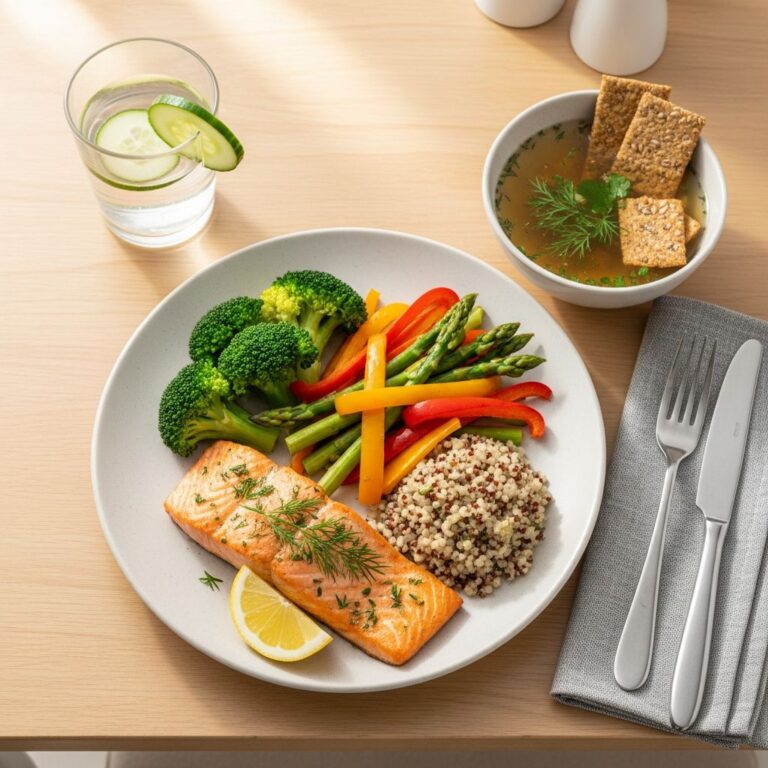
Delicious, heart-healthy meal plans designed to keep sodium under 2,300 mg daily while delivering balanced nutrition.
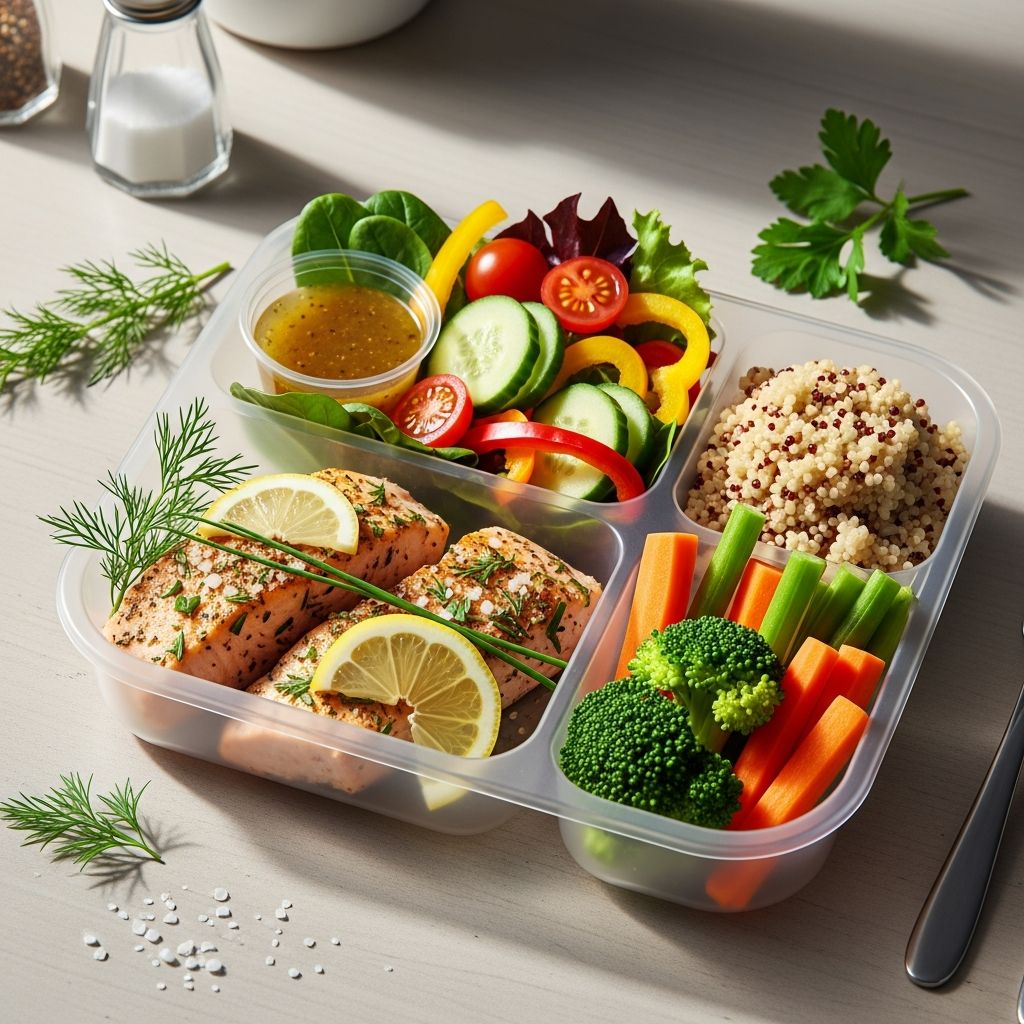
Low-sodium meal plans are essential for managing blood pressure, supporting heart health, and preventing chronic diseases. These plans emphasize whole foods, fruits, vegetables, lean proteins, and whole grains while limiting sodium to 1,500-2,300 mg per day, aligning with guidelines from the Dietary Approaches to Stop Hypertension (DASH) diet.
What Is a Low-Sodium Diet?
A low-sodium diet restricts daily sodium intake to reduce strain on the cardiovascular system. The American Heart Association recommends no more than 2,300 mg of sodium daily, with an ideal limit of 1,500 mg for most adults, particularly those with hypertension. High-sodium foods like processed meats, canned soups, and restaurant meals often exceed this in a single serving.
Benefits include lowered blood pressure, reduced risk of stroke and heart disease, and improved kidney function. The DASH eating plan, developed by the National Institutes of Health, serves as a blueprint: it prioritizes potassium-rich foods like bananas and spinach to counterbalance sodium’s effects.
- Key Principles: Focus on fresh produce (4-5 servings fruits, 4-5 vegetables daily), low-fat dairy (2-3 servings), lean meats/fish/poultry (6 oz or less), whole grains (6-8 servings), nuts/seeds/legumes (4-5 servings weekly), and minimal fats/sweets.
- Sodium Targets: 2,300 mg standard; reduce to 1,500 mg by swapping salted items for unsalted versions.
- Common Pitfalls: Hidden sodium in breads, cereals, and condiments—always check labels for <140 mg per serving.
Why Choose Low-Sodium Meal Plans?
Over 70% of sodium comes from packaged and restaurant foods, making home-cooked low-sodium plans crucial. These meals are flavorful using herbs, spices, lemon, and vinegar instead of salt. They’re versatile for weight management, diabetes control, and healthy aging, providing ample fiber, protein, and calcium.
For older adults, low-sodium plans address changing needs like increased calcium for bone health and fiber for digestion, as highlighted in healthy-aging nutrition strategies.
7-Day Low-Sodium Meal Plan (2,300 mg Sodium Base)
This 7-day plan follows DASH guidelines with ~2,000 calories, adjustable for needs. Each day includes breakfast, lunch, dinner, and snacks with sodium breakdowns. Tips in bold show how to cut to 1,500 mg.
Day 1
| Meal | Foods | Sodium (mg) |
|---|---|---|
| Breakfast | ¾ cup bran flakes (220 mg; try shredded wheat), 1 banana, 1 cup low-fat milk (107 mg), 1 slice whole-wheat bread (149 mg), 1 tsp margarine (26 mg), 1 cup orange juice (5 mg) | 507 |
| Lunch | ¾ cup chicken salad (179 mg; no salt), 2 slices whole-wheat bread (299 mg), 1 Tbsp Dijon mustard (373 mg; regular mustard), ½ cup cucumber (1 mg), ½ cup tomatoes (5 mg), 1 Tbsp sunflower seeds | 857 |
| Dinner | 3 oz beef tenderloin, 1 cup brown rice, 1 cup green beans, 1 small apple, 1 cup low-fat milk | ~450 |
| Snacks | 1 oz almonds, fat-free yogurt | ~200 |
Total: ~2,014 mg. Low-sodium swap savings: ~400 mg.
Day 2
| Meal | Foods | Sodium (mg) |
|---|---|---|
| Breakfast | ½ cup instant oatmeal (54 mg; regular with cinnamon, 5 mg), 1 mini whole-wheat bagel (3 mg), 1 cup low-fat milk, 1 cup orange juice | ~164 |
| Lunch | Turkey sandwich: 2 oz turkey breast, 2 slices whole-wheat bread, lettuce, tomato, mustard; side salad | ~500 |
| Dinner | 4 oz baked fish, 1 cup quinoa, steamed broccoli, 1 pear | ~400 |
| Snacks | Apple with peanut butter (unsalted), yogurt | ~250 |
Related Stories



Total: ~1,314 mg base; easily under 1,500 mg with swaps.
Day 3
Breakfast: 1 slice whole-wheat bread (149 mg) + margarine (26 mg; unsalted), 1 cup fruit yogurt (no added sugar), 1 cup low-fat milk (107 mg), 1 cup orange juice (6 mg).
Lunch: Beef BBQ sandwich (2 oz roast beef), whole-wheat roll, coleslaw, apple.
Dinner: Grilled chicken, sweet potato, spinach salad.
Total: ~2,100 mg.
Day 4
Breakfast: Whole-wheat bread + unsalted margarine, fat-free yogurt, low-fat milk, raisin bagel (272 mg) + unsalted peanut butter (67 mg), orange juice.
Lunch: Tuna salad plate (171 mg tuna), romaine, low-sodium crackers (96 mg swap), cucumber/tomato salad.
Dinner: Turkey meatloaf (205 mg; low-sodium ketchup, 131 mg), baked potato, sour cream, cheese.
Total: ~2,050 mg.
Day 5
Focus on vegetarian options: Veggie omelet with spinach, whole-grain toast, fruit smoothie with low-fat milk. Lunch: Lentil soup (homemade low-sodium), salad. Dinner: Baked salmon, couscous, asparagus.
Day 6
| Meal | Key Low-Sodium Tips |
|---|---|
| Breakfast | Oatmeal with fresh berries, unsalted nuts |
| Lunch | Grilled veggie wrap with hummus (low-sodium) |
| Dinner | Stir-fried tofu, brown rice, mixed veggies |
Day 7
Wrap up with eggs, whole-grain English muffin, smoothie; bean salad lunch; roast pork tenderloin dinner with potatoes and greens. Emphasize variety to prevent boredom.
Low-Sodium Recipes
Chicken Salad (Low-Sodium Version)
Ingredients (serves 4): 2 cups cooked chicken breast (no salt), ½ cup celery, ½ cup grapes, ¼ cup low-fat mayo (check label <100 mg/serving), lemon juice, pepper.
Instructions: Shred chicken, mix with chopped veggies and grapes. Stir in mayo seasoned with herbs. Serve on whole-wheat bread. Sodium: ~45 mg per ¾ cup.
Turkey Meatloaf
Ingredients: 1 lb ground turkey, oats, egg whites, onion, garlic, low-sodium ketchup, herbs.
Instructions: Mix, bake at 350°F for 45 min. Top with ketchup glaze. Sodium savings: 74 mg using low-sodium ketchup.
Shopping List for the Week
- Produce: Bananas (7), oranges (7), apples (5), tomatoes, cucumbers, lettuce, spinach, green beans, potatoes (4), broccoli.
- Dairy: Low-fat milk (7 cups), fat-free yogurt (4), fat-free sour cream, natural cheddar (low-sodium).
- Grains: Whole-wheat bread (2 loaves), bran flakes/shredded wheat, oatmeal, brown rice, bagels.
- Proteins: Chicken breast, turkey, tuna (low-sodium), beef (lean), eggs, peanut butter (unsalted).
- Other: Unsalted margarine, sunflower seeds, almonds, herbs/spices, vinegars, mustards (regular/low-sodium).
Tips for Success
- Read labels: Choose <5% daily sodium per serving.
- Flavor boosters: Garlic, onions, basil, cumin, citrus—no salt needed.
- Batch cook: Prepare big batches of soups/stews without salt; freeze portions.
- Rinse canned beans/veggies to cut sodium by 40%.
- Dine out smart: Request no salt, sauces on side.
- Track intake: Use apps to log sodium.
Low-Sodium for Healthy Aging
For seniors, a 1,200-calorie low-sodium plan boosts fiber (25g+), protein (70g+), and calcium (1,200 mg). Sample day: Breakfast oatmeal with berries; lunch veggie soup and salad; dinner baked chicken with quinoa and kale; snacks yogurt and fruit. This supports muscle maintenance and bone density.
Frequently Asked Questions (FAQs)
What is the DASH diet?
The DASH diet emphasizes nutrient-rich foods to lower blood pressure, with strict sodium limits and high potassium intake from fruits and veggies.
Can I eat out on a low-sodium plan?
Yes, opt for grilled items, salads without dressing, and ask for no added salt. Aim for home cooking most days.
How do I reduce sodium in recipes?
Use unsalted versions of broths, nuts, and margarine; fresh herbs over salt; lemon for tang.
Is 1,500 mg sodium too low?
For most, it’s ideal per NIH guidelines if hypertensive; consult a doctor for personalization.
Are low-sodium meals tasty?
Absolutely—experiment with spices like paprika, ginger, and vinegar to enhance flavors naturally.
Customization and Variations
Vegetarian: Swap meats for beans, tofu, eggs. Higher calorie: Add nuts, avocado. Weight loss: Portion control to 1,500 calories. Always prioritize whole foods.
These plans prove low-sodium eating is simple, affordable, and delicious. Start today for lasting health benefits.
References
- A Week With the DASH Eating Plan — National Heart, Lung, and Blood Institute (NHLBI), NIH. 2006 (authoritative DASH guide, remains standard). https://www.nhlbi.nih.gov/sites/default/files/publications/WeekOnDASH.pdf
- Dietary Guidelines for Americans, 2020-2025 — U.S. Department of Health and Human Services / USDA. 2020-12-01. https://www.dietaryguidelines.gov/sites/default/files/2020-12/Dietary_Guidelines_for_Americans_2020-2025.pdf
- Sodium Intake Recommendation — American Heart Association. 2024-06-10. https://www.heart.org/en/healthy-living/healthy-eating/eat-smart/sodium/how-much-sodium-should-i-eat-per-day
- DASH Eating Plan — NHLBI, NIH. 2023-05-15. https://www.nhlbi.nih.gov/education/dash-eating-plan
Similar Articles








Read full bio of medha deb