Low-Sugar Fruits: 8 Best Picks For Blood Sugar Control
Discover the best low-sugar fruits that deliver nutrients without spiking blood sugar levels—ideal for diabetes management and weight control.
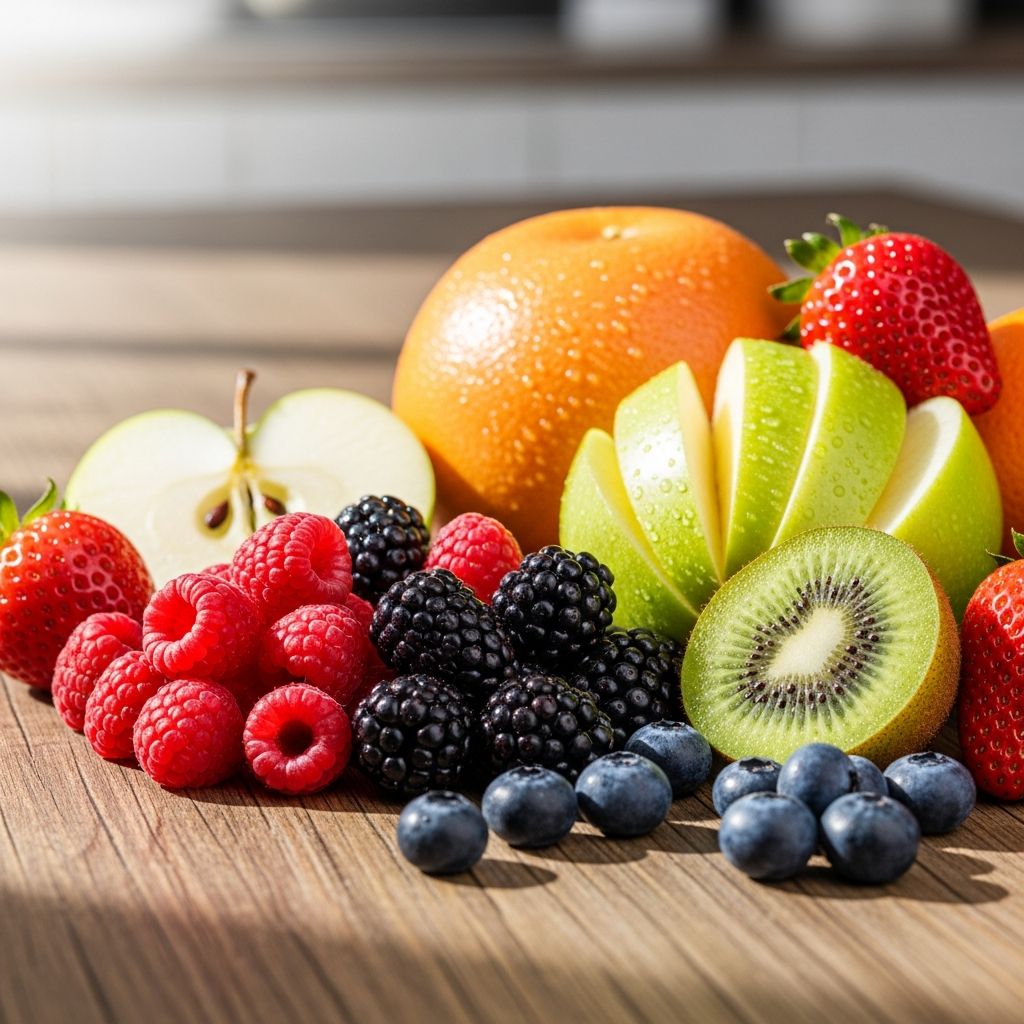
Fruit offers essential vitamins, fiber, and antioxidants, but not all varieties are equal when watching sugar intake. Low-sugar fruits provide sweetness with minimal natural sugars, making them perfect for diabetes management, weight loss, or low-carb diets. This article highlights eight top options, their nutritional profiles, and practical ways to enjoy them daily.
What Are Low-Sugar Fruits?
Low-sugar fruits contain less than 10 grams of sugar per 100 grams, prioritizing fiber and nutrients over carbs. Unlike high-sugar picks like bananas or mangoes, these options have a lower glycemic index (GI), preventing rapid blood sugar spikes. The Centers for Disease Control and Prevention (CDC) recommends about 2 cups of fruit daily for adults, favoring low-sugar varieties to maximize benefits like heart health and disease prevention.
Choosing these fruits supports weight management, as their fiber promotes satiety. They also deliver vitamins C and K, potassium, and antioxidants that combat inflammation and oxidative stress.
8 Best Low-Sugar Fruits
Here are the standout low-sugar fruits, ranked by popularity and nutritional density. Each includes approximate sugar per 100g serving, key benefits, and serving ideas.
1. Peaches
A juicy summer favorite, one medium peach (about 150g) has roughly 8g of sugar. Peaches are rich in vitamin C, fiber, and beta-carotene, supporting immune function and skin health. Their low GI makes them suitable for steady energy release.
- Serving size: 1 medium peach (8g sugar)
- Calories: 39 per 100g
- Best uses: Sliced over yogurt or grilled as a dessert
2. Strawberries
These vibrant berries pack just 5g sugar per 100g. High in fiber (2g per 100g) and vitamin C (nearly 100% DV), strawberries aid digestion and collagen production. Antioxidants like anthocyanins may reduce heart disease risk.
- Serving size: 1 cup (8 strawberries, 7g sugar)
- Calories: 32 per 100g
- Best uses: In smoothies or as a fresh snack
3. Blackberries
With about 5g sugar per 100g, blackberries mirror strawberries in fiber content (5.3g per 100g). They’re loaded with vitamin K for bone health and manganese for metabolism. Studies link their polyphenols to improved insulin sensitivity.
- Serving size: 1 cup (144g, 7g sugar)
- Calories: 43 per 100g
- Best uses: Blended into salads or eaten frozen
4. Lemons and Limes
These citrus stars have under 2g sugar per 100g. Bursting with vitamin C (53mg per lemon), they boost immunity and detoxification. Their acidity enhances flavor without sweetness, ideal for dressings.
- Serving size: Juice of 1 lemon (2g sugar)
- Calories: 29 per 100g
- Best uses: Squeezed into water or marinades
5. Honeydew Melon
Light and refreshing, 100g offers 8g sugar alongside potassium (228mg) and vitamin C. Its high water content (90%) hydrates while providing only 36 calories per 100g, great for low-calorie diets.
- Serving size: 1 cup diced (10g sugar)
- Calories: 36 per 100g
- Best uses: Cubed in fruit salads
Related Stories



6. Oranges
One medium orange (131g) contains 9g sugar. Packed with 70mg vitamin C and fiber (3g), they support heart health and absorption of iron. Opt for whole fruit over juice to retain fiber.
- Serving size: 1 medium (9g sugar)
- Calories: 47 per 100g
- Best uses: Segmented in lunches
7. Grapefruit
Half a medium grapefruit (123g) has 11g sugar but a very low GI. Rich in naringin, it may aid fat burning and cholesterol reduction. Vitamin C content is exceptional at 38mg per half.
- Serving size: Half medium (11g sugar)
- Calories: 42 per 100g
- Best uses: Broiled with cinnamon
8. Avocados
Nearly sugar-free at 0.7g per 100g, avocados shine with healthy monounsaturated fats (15g per 100g) and fiber (7g). They promote heart health and satiety, despite higher calories (160 per 100g).
- Serving size: Half avocado (1g sugar)
- Calories: 160 per 100g
- Best uses: Mashed on toast or in guacamole
Nutritional Comparison Table
| Fruit | Sugar (g/100g) | Fiber (g/100g) | Vitamin C (mg/100g) | Calories (per 100g) |
|---|---|---|---|---|
| Peaches | 8 | 1.5 | 6.6 | 39 |
| Strawberries | 5 | 2 | 59 | 32 |
| Blackberries | 5 | 5.3 | 21 | 43 |
| Lemons/Limes | 2 | 2.8 | 53 | 29 |
| Honeydew | 8 | 0.9 | 18 | 36 |
| Oranges | 9 | 2.4 | 53 | 47 |
| Grapefruit | 7 | 1.6 | 31 | 42 |
| Avocados | 0.7 | 7 | 10 | 160 |
This table shows why these fruits excel: high fiber-to-sugar ratios slow digestion, stabilizing blood glucose.
Health Benefits of Low-Sugar Fruits
Incorporating these fruits yields multiple advantages. Fiber aids weight loss by curbing hunger; antioxidants lower chronic disease risk. The CDC links 2 cups daily to reduced cancer and heart issues. For diabetes, their low GI prevents spikes, as per American Diabetes Association guidelines.
- Improved digestion from soluble fiber
- Enhanced immunity via vitamin C
- Better heart health from potassium and flavonoids
- Weight control through low-calorie density
How to Incorporate Low-Sugar Fruits Into Your Diet
Breakfast Ideas
Top unsweetened cereal or yogurt with sliced strawberries, blackberries, or peaches. Squeeze lemon into sparkling water instead of juice for a zesty start.
Lunch and Dinner
Add avocado slices to salads, orange segments to greens, or grapefruit to savory dishes. Use lime juice as a low-sugar dressing.
Snacks
Pre-cut honeydew or melon chunks for grab-and-go. Pair berries with nuts for balanced snacking.
Desserts
Make fruit salads with a touch of honey, or grill peaches for natural caramelization.
Frequently Asked Questions (FAQs)
What is the best fruit to lower blood sugar?
Berries (strawberries, blackberries) and citrus fruits like lemons and grapefruit are top choices due to high fiber and low GI, helping manage glucose levels.
What are high-sugar fruits to avoid?
If limiting sugar, reduce intake of bananas, mangoes, pineapples, and watermelon, which exceed 12g sugar per 100g.
What fruits can I eat on a no-sugar diet?
Lemons, limes, avocados, blackberries, strawberries, oranges, honeydew, peaches, and grapefruit—all under 10g sugar per serving.
Are apples low in sugar?
Apples have 10-14g sugar per 100g, moderate but higher than berries; choose smaller ones or pair with protein.
Can people with diabetes eat fruit?
Yes, focusing on low-sugar options in moderation. Consult a dietitian for personalized portions.
Final Tips for Success
Aim for 2 cups daily, prioritize whole fruits over juices, and prep snacks ahead. These habits make healthy eating sustainable while enjoying nature’s candy.
References
- Low-sugar fruits: 8 best fruits for health — Medical News Today. 2018-04-13. https://www.medicalnewstoday.com/articles/320078
- Fruit and Vegetable Intake — Centers for Disease Control and Prevention (CDC). 2023-05-15. https://www.cdc.gov/nutrition/fruit-vegetables/index.html
- Glycemic Index of Fruits — American Diabetes Association. 2024-01-10. https://diabetes.org/food-nutrition/understanding-carbs/glycemic-index-carbs
- Nutrition Data for Common Fruits — U.S. Department of Agriculture (USDA). 2025-09-01. https://fdc.nal.usda.gov/
- Berries and Blood Sugar Control — Harvard T.H. Chan School of Public Health. 2024-03-20. https://www.hsph.harvard.edu/nutritionsource/food-features/berries/
Similar Articles








Read full bio of medha deb