Low Testosterone: Symptoms and Solutions
Discover the signs of low testosterone, underlying causes, reliable diagnostic methods, and proven treatments to restore vitality and well-being.
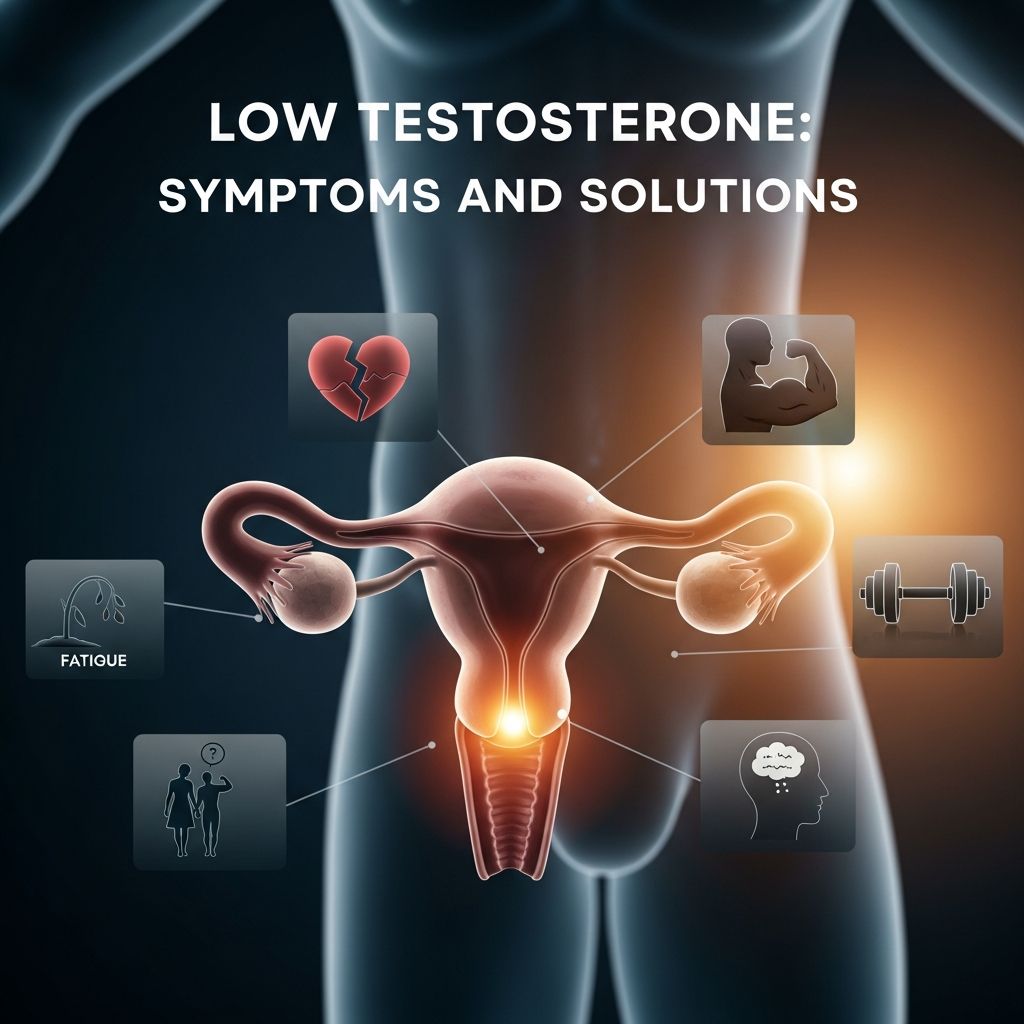
Testosterone, the primary male sex hormone, plays a crucial role in muscle development, bone density, energy levels, and sexual function. When levels drop below normal, men may experience a range of disruptive symptoms that affect daily life. This condition, often called low testosterone or male hypogonadism, impacts an estimated 1 in 50 men and requires prompt evaluation for effective management.
Recognizing the Warning Signs of Hormone Imbalance
Low testosterone manifests through various physical, sexual, and emotional changes. Identifying these early can lead to timely intervention.
- Fatigue and low energy: Persistent tiredness despite adequate rest is common, reducing motivation for physical activity.
- Reduced libido: Diminished sex drive affects relationships and self-esteem.
- Erectile dysfunction: Difficulty achieving or maintaining erections, often linked to vascular and hormonal factors.
- Muscle loss and fat gain: Decreased lean muscle mass and increased body fat, particularly around the abdomen.
- Mood disturbances: Symptoms like depression, irritability, and poor concentration can mimic other mental health issues.
- Bone density reduction: Increased risk of osteoporosis and fractures over time.
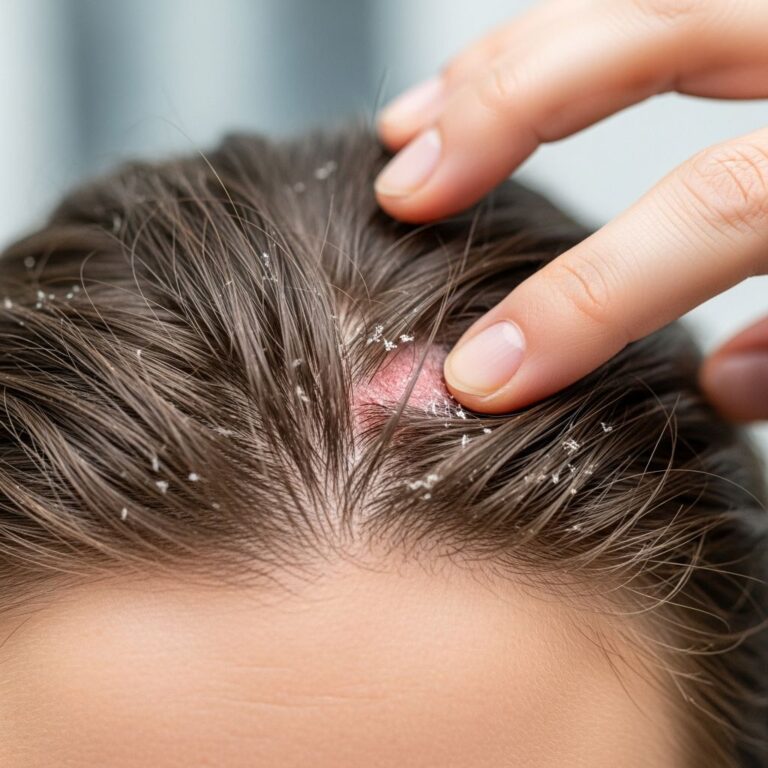
- Hair loss and gynecomastia: Thinning body hair and breast tissue development in some cases.
These signs often develop gradually, making them easy to overlook. Men over 40 are particularly at risk, as natural production declines by about 1% annually after age 30.
Primary Causes Behind Declining Testosterone Levels
Testosterone deficiency arises from issues in the testicles (primary hypogonadism) or the brain’s signaling centers like the pituitary gland or hypothalamus (secondary hypogonadism).
| Type | Description | Common Triggers |
|---|---|---|
| Primary | Testicles fail to produce enough hormone | Injury, infection, chemotherapy, aging, genetic conditions |
| Secondary | Brain signals inadequate stimulation | Pituitary tumors, obesity, sleep apnea, opioid use, chronic illness |
Obesity exacerbates the problem by converting testosterone to estrogen via aromatase enzymes in fat tissue. Chronic conditions like diabetes, HIV, or glucocorticoid therapy also suppress levels.
Accurate Diagnosis Through Clinical Evaluation
Diagnosis starts with a detailed medical history and physical exam, focusing on symptoms and risk factors. Confirmation requires blood tests measuring total and free testosterone, ideally in the morning when levels peak.
- Two separate tests below 300 ng/dL confirm deficiency.
- Additional checks: LH/FSH levels to distinguish primary vs. secondary causes, PSA for prostate health, hematocrit for blood risks.
- Rule out mimics like thyroid issues, depression, or sleep disorders.
Providers may recommend semen analysis or bone density scans if fertility or osteoporosis is suspected.
Effective Treatment Strategies to Restore Balance
The cornerstone of management is testosterone replacement therapy (TRT), tailored to individual needs. Goals include symptom relief, not just normalizing numbers.
Available Delivery Methods
| Method | Pros | Cons |
|---|---|---|
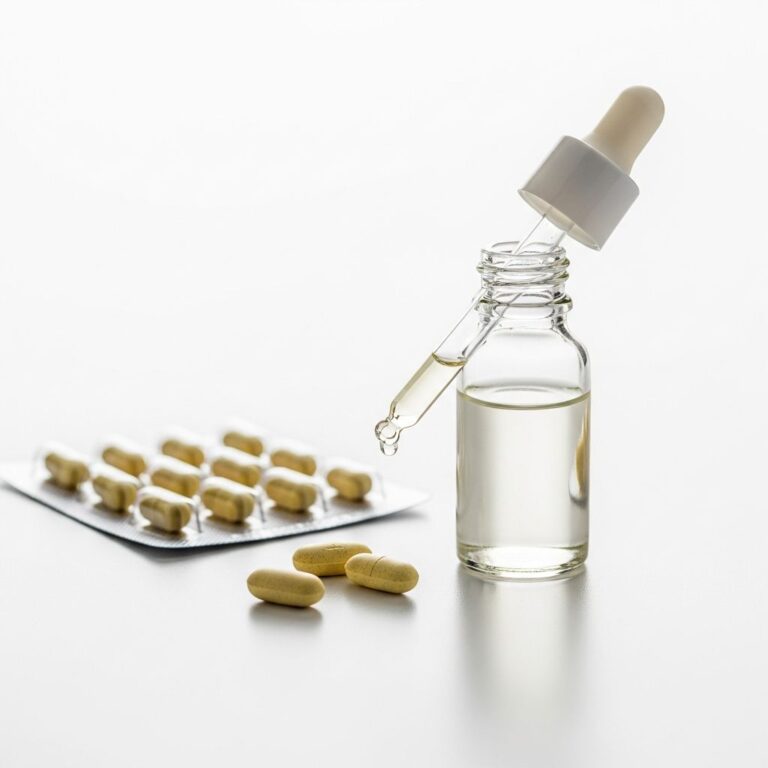
| Gels/Patches (topical) | Daily application, steady levels, non-invasive | Skin irritation, transfer risk to others, variable absorption |
| Injections (IM) | Cost-effective, less frequent (every 1-2 weeks) | Level fluctuations, injection site pain |
| Pellets (subcutaneous) | Long-lasting (3-6 months), consistent release | Minor procedure, infection risk |
| Oral/Buccal | Convenient | Liver strain, less common |
Alternatives like clomiphene citrate stimulate natural production by boosting LH/FSH, ideal for younger men preserving fertility. HCG mimics LH to prevent testicular atrophy.
Special Considerations for Complex Cases
Related Stories



Men with stable cardiovascular disease or treated prostate cancer may benefit from TRT under close supervision. Those on opioids or with obesity might see improvements through lifestyle changes first.
Potential Risks and Side Effects of Therapy
While beneficial, TRT carries risks requiring vigilant monitoring.
- Polycythemia: Elevated red blood cells increasing clot risk; monitor hematocrit every 3-6 months.
- Prostate effects: May stimulate growth; regular PSA tests essential.
- Estrogen conversion: Leads to gynecomastia; aromatase inhibitors like anastrozole can counter this.
- Fertility impact: Suppresses sperm production; use HCG if preservation needed.
- Sleep apnea worsening: Screen and treat concurrently.
Contraindications include active prostate/breast cancer, severe untreated sleep apnea, or uncontrolled heart failure.
Lifestyle Changes to Support Hormone Health
TRT works best alongside healthy habits. Weight loss in obese men can raise levels naturally by 50% or more. Resistance training, 7-9 hours of sleep, and a diet rich in zinc, vitamin D, and healthy fats enhance outcomes.
- Exercise: Weightlifting 3-4x/week boosts production.
- Diet: Limit sugar/processed foods; include oysters, eggs, leafy greens.
- Sleep: Address apnea, maintain consistent schedule.
- Stress management: Therapy for underlying anxiety/depression.
Long-Term Monitoring for Sustained Benefits
Follow-up every 3-6 months initially, then annually: testosterone levels, PSA, hematocrit, lipids, and symptom review. Adjust dose if response inadequate. Benefits include improved energy, mood, muscle mass, and bone density, potentially lowering mortality risk though evidence is evolving.
Frequently Asked Questions (FAQs)
Can low testosterone cause depression?
Yes, it contributes to mood changes, irritability, and depression. Treating the deficiency often alleviates these, but evaluate mental health separately.
Is TRT safe for heart health?
Men with stable cardiovascular disease can proceed cautiously; monitor closely as data shows mixed but generally supportive outcomes.
Will TRT help me build muscle?
Combined with exercise, yes—it increases lean mass and strength.
How soon do symptoms improve on TRT?
Libido and energy may improve in weeks; full effects on muscle/bone take months.
Does low T affect fertility?
Yes, it reduces sperm count; options like clomiphene or HCG preserve it.
Empowering Men to Take Control
Low testosterone is manageable with informed care. Consult a urologist or endocrinologist for personalized assessment. Early action restores vitality, enhances quality of life, and prevents complications like frailty or metabolic syndrome.
References
- Low Testosterone (Male Hypogonadism) — Cleveland Clinic. 2023. https://my.clevelandclinic.org/health/diseases/15603-low-testosterone-male-hypogonadism
- Testosterone Deficiency Syndrome — UR Medicine (University of Rochester Medical Center). 2024. https://www.urmc.rochester.edu/conditions-and-treatments/testosterone-deficiency-syndrome
- Diagnosis and management of testosterone deficiency syndrome in men — PMC (PubMed Central, peer-reviewed). 2015-10-01. https://pmc.ncbi.nlm.nih.gov/articles/PMC4674408/
- Testosterone Deficiency — Aurora Health Care. 2024. https://www.aurorahealthcare.org/services/urology/testosterone-deficiency
- How low testosterone treatment can help – and harm — UT Southwestern Medical Center. 2023. https://utswmed.org/medblog/low-testosterone-symptoms-causes-treatment/
- 5 Signs You’re Suffering from a Testosterone Deficiency — Michael Rotman Urology. 2024. https://www.michaelrotmanurology.com/blog/5-signs-youre-suffering-from-a-testosterone-deficiency-and-what-to-do-about-it
Similar Articles








Read full bio of medha deb