Low Vision Aids And Rehabilitation: Comprehensive Guide
Discover effective tools and strategies to manage low vision and enhance daily independence through specialized aids and rehabilitation programs.
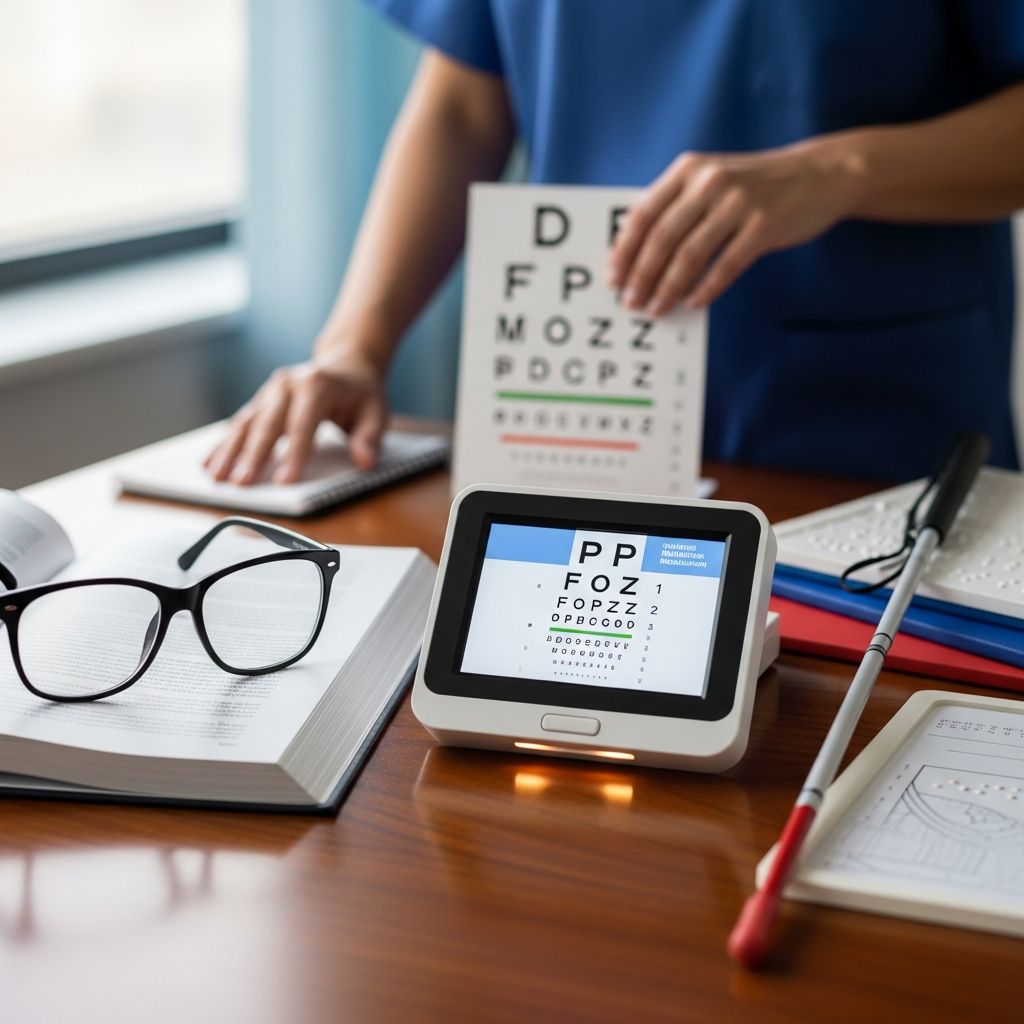
Low vision represents a significant visual impairment that standard glasses, contacts, medications, or surgery cannot fully correct, often interfering with everyday tasks like reading or navigating spaces. This condition affects millions worldwide, primarily older adults, but can impact anyone due to various eye diseases or injuries. Effective management relies on specialized aids and rehabilitation programs designed to maximize remaining vision and promote independence.
Defining Low Vision and Its Impact
Clinically, low vision is characterized by visual acuity worse than 20/70 that resists correction, or a severely restricted visual field, such as 20 degrees or less. It manifests in forms like central vision loss, where fine details blur; peripheral loss, creating tunnel vision; night blindness; or hazy, fluctuating sight. These deficits lead to challenges in recognizing faces, matching colors, reading small print, or performing work and home duties under dim lighting.
The emotional toll is profound, often causing frustration, isolation, or depression as individuals adapt to diminished capabilities. Early intervention through aids and rehab can mitigate these effects, restoring confidence and functionality.
Primary Causes of Low Vision
Several eye conditions drive low vision, with prevalence rising in those over 60 due to age-related changes. Understanding these origins is key to prevention and targeted support.
- Age-Related Macular Degeneration (AMD): The top cause in developed nations, AMD damages the macula, impairing central vision for tasks like driving or reading. Dry AMD progresses slowly via tissue thinning, while wet AMD involves leaking vessels causing swift decline.
- Glaucoma: Elevated eye pressure harms the optic nerve, typically eroding peripheral vision silently until advanced stages. Routine screenings are vital as symptoms emerge late.
- Diabetic Retinopathy: Diabetes-related vessel damage in the retina leads to leaks, bleeding, or abnormal growths, distorting vision. Blood sugar control and exams prevent progression.
- Cataracts: Lens clouding blurs sight, heightens glare, and dulls colors, though surgically treatable in many cases. Untreated advanced cataracts contribute significantly in underserved areas.
- Other Factors: Injuries, genetic issues like retinitis pigmentosa (causing tunnel vision), birth defects, refractive errors, or retinopathy of prematurity in children also play roles.
Risk amplifiers include aging, diabetes, hypertension, smoking, UV exposure, and infrequent eye checks. Globally, WHO notes cataracts and refractive errors as leading vision impairers, underscoring accessible care’s importance.
Recognizing Symptoms Early
Low vision symptoms vary by cause but commonly include bumping into objects, squinting, holding items close, dim light sensitivity, color confusion, or task struggles. Children may rub eyes excessively, tilt heads, or avoid activities. Prompt ophthalmologist evaluation via acuity tests, field assessments, and imaging confirms severity and guides aids selection.
| Type | Affected Area | Key Symptoms |
|---|---|---|
| Central Loss | Macula/center | Blurry details, reading/writing difficulty |
| Peripheral Loss | Side vision | Tunnel effect, navigation issues |
| Night Blindness | Low light | Dim vision, hazard detection failure |
| Hazy Vision | Overall clarity | Glare, color fading, fluctuations |
Assistive Devices for Daily Living
A range of low vision aids amplifies remaining sight, from simple optical tools to advanced electronics, tailored to needs like near tasks or mobility.
Optical Magnifiers and Lenses
Handheld or stand magnifiers enlarge text or objects 2-30x. Spectacle magnifiers worn like glasses free hands for cooking or hobbies. Telescopes assist distance viewing, such as identifying bus numbers. Fresnel prisms shift peripheral images centrally for glaucoma patients.
Electronic and Digital Tools
Portable electronic magnifiers with cameras project zoomed, high-contrast images on screens, adjustable for color and brightness. Smartphone apps scan text to speech or magnify via built-in cameras. Computer screen readers like JAWS vocalize content; large-print keyboards and voice controls enhance accessibility.
Related Stories



Non-Optical Aids for Independence
These leverage other senses: bold-line paper, large-button phones, talking clocks, tactile markers on appliances, or high-contrast canes. Lighting upgrades, anti-glare filters, and color-coded organizers simplify environments.
Vision Rehabilitation Programs
Beyond devices, rehab involves multidisciplinary training to adapt skills. Certified low vision therapists assess functional vision, teach eccentric viewing (using undamaged retina areas), and practice scanning techniques for field loss.
- Occupational Therapy: Retrains daily activities like grooming or meal prep with adaptive methods.
- Mobility Training: O&M specialists instruct cane use, trail following, and spatial awareness for safe travel.
- Computer and Tech Training: Builds digital literacy for email, banking, or entertainment.
- Counseling: Addresses emotional adjustment, connecting to support groups.
Programs often span weeks, with home visits ensuring carryover. Pediatric rehab focuses on developmental milestones, while adult services emphasize workforce retention.
Lifestyle Modifications and Prevention
Proactive steps preserve vision: annual dilated exams post-40 or with risks; UV-protective sunglasses; smoking cessation; balanced diet rich in leafy greens and fish; diabetes/hypertension management. Home setups with even lighting, clutter removal, and contrast (e.g., white cabinets on dark floors) aid navigation.
Accessing Professional Help
Begin with an ophthalmologist for diagnosis, then low vision clinics via referrals. U.S. resources include state rehab agencies, Lions Clubs, or VA services for veterans. Costs vary; Medicare covers some aids post-assessment. Globally, WHO advocates integrated eye care.
Frequently Asked Questions (FAQs)
What distinguishes low vision from blindness?
Low vision allows some usable sight despite corrections; blindness means 20/200 acuity or narrower field.
Can children experience low vision?
Yes, from congenital issues or prematurity; early rehab supports development.
Are low vision aids covered by insurance?
Often partially, especially post-therapy prescription; check Medicare or private plans.
How effective is rehabilitation?
Highly, with many regaining 70-90% task independence via training.
Does aging inevitably cause low vision?
No, but associated diseases increase risk; prevention helps.
Integrating aids and rehab empowers those with low vision to lead fulfilling lives, emphasizing that while sight loss alters routines, strategic adaptations unlock continued engagement.
References
- Low Vision | National Eye Institute – NIH — National Eye Institute. 2023. https://www.nei.nih.gov/eye-health-information/eye-conditions-and-diseases/low-vision
- Low Vision Awareness Month: Causes, Symptoms, and Management — Clarkson Eye Care. 2024. https://www.clarksoneyecare.com/eye-care-resources/low-vision-awareness-month
- Understanding Low Vision: A Comprehensive Guide to Causes and Risk Factors — Linden Family Eye Care. 2023. https://www.lindenfamilyeyecare.com/blog/understanding-low-vision-a-comprehensive-guide-to-causes-and-risk-factors.html
- What is Low Vision? – LifeBridge Health — LifeBridge Health. 2023. https://www.lifebridgehealth.org/blogs/what-low-vision
- Low Vision and Blindness | Ohio State Medical Center — Wexner Medical Center. 2024. https://wexnermedical.osu.edu/eye-care-ophthalmology/conditions-and-services/vision-impairment-and-blindness
- Blindness and vision impairment – World Health Organization (WHO) — WHO. 2023-10-14. https://www.who.int/news-room/fact-sheets/detail/blindness-and-visual-impairment
- Low Vision: Causes, Characteristics, Treatment & Prevention — Cleveland Clinic. 2024. https://my.clevelandclinic.org/health/diseases/8585-low-vision
Similar Articles








Read full bio of Sneha Tete