Causes Of Low Vision: Diseases, Symptoms, And Prevention
Explore the primary reasons behind low vision, from age-related diseases to injuries, and learn how they impact daily life and vision quality.
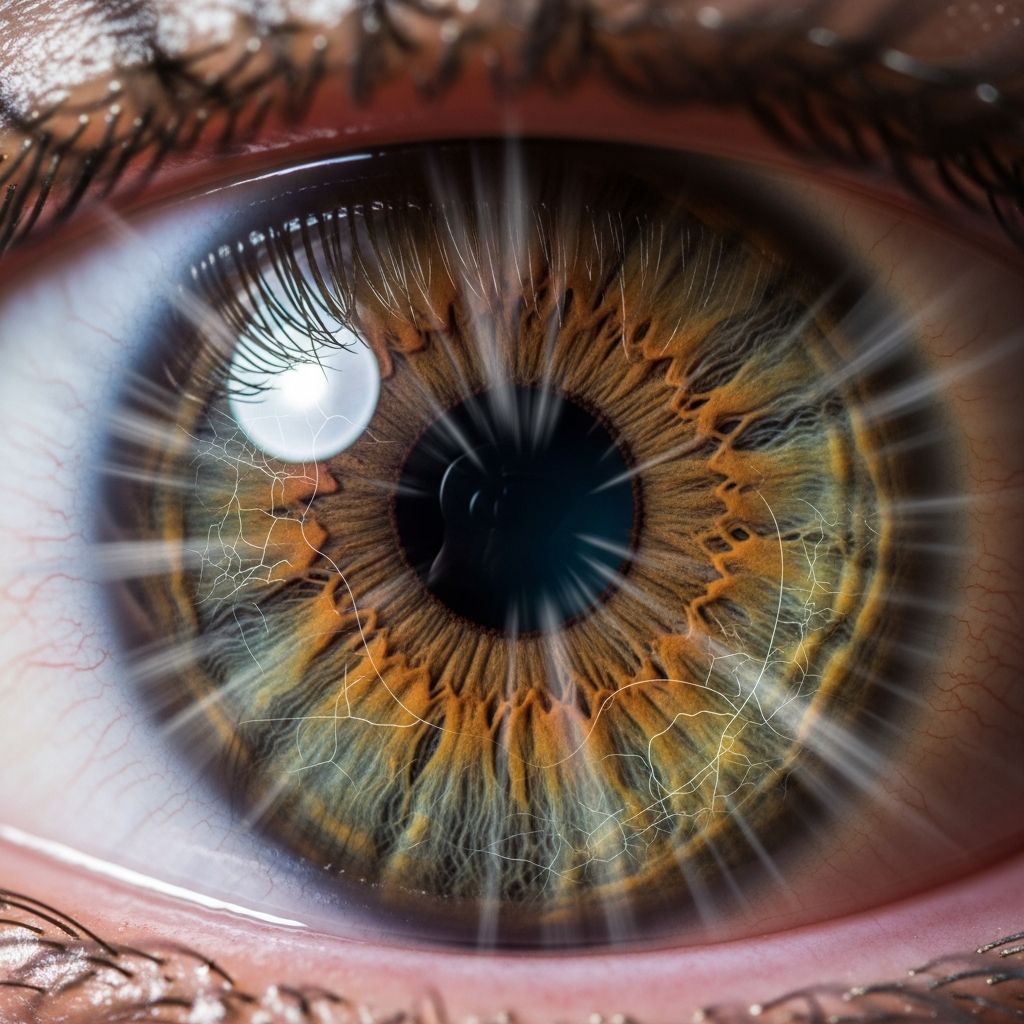
Low vision refers to a severe visual impairment that standard glasses, contacts, medications, or surgery cannot fully correct, significantly affecting daily activities like reading, driving, or recognizing faces. It impacts millions worldwide, often stemming from progressive eye diseases, injuries, or congenital issues. Understanding these causes is essential for early detection and management.
Defining Low Vision and Its Impact
Low vision occurs when eyesight is reduced to 20/70 or worse in the better eye, or when visual field is limited to 20 degrees or less, even with correction. It differs from blindness by allowing some functional vision, but it hinders independence. Common effects include difficulty navigating spaces, reduced mobility, and emotional challenges like isolation. Unlike temporary issues, low vision is typically permanent, requiring adaptive strategies.
Globally, over 1 billion people experience vision impairment, with low vision contributing significantly due to uncorrectable conditions. In the U.S., it’s prevalent among those over 60, but it affects all ages.
Primary Eye Diseases Leading to Low Vision
Several chronic conditions damage key eye structures, resulting in irreversible vision loss. These diseases often progress silently, emphasizing the need for regular eye exams.
Age-Related Macular Degeneration (AMD)
AMD tops the list as a cause of low vision in older adults, targeting the macula—the retina’s central part responsible for sharp, detailed vision. Dry AMD, the more common type, causes gradual thinning of macular tissue, blurring central vision needed for tasks like reading or face recognition. Wet AMD involves leaky blood vessels under the retina, leading to swift, severe loss through scarring and bleeding.
Risk factors include age over 50, smoking, family history, and light skin color. While treatments slow progression, they rarely restore full vision.
Glaucoma: The Silent Thief of Sight
Glaucoma damages the optic nerve, often from elevated intraocular pressure, eroding peripheral vision first. Known as “tunnel vision,” it spares central sight initially but advances to total loss if untreated. Most cases lack early symptoms, making screening vital.
Types include open-angle (most common) and angle-closure. Drops, lasers, or surgery manage pressure, but lost vision isn’t recoverable.
Cataracts and Their Clouding Effect
Cataracts cloud the eye’s lens, causing hazy vision, glare sensitivity, and faded colors. Aging is the primary culprit, but diabetes, UV exposure, and steroids contribute. Though surgically removable, advanced cases can lead to low vision if untreated.
They affect distance and near vision, making night driving hazardous.
Diabetic Retinopathy in Diabetes Patients
This diabetes complication harms retinal blood vessels, causing leaks, swelling, or abnormal growths that obscure vision. Early non-proliferative stages cause blurriness; proliferative stages risk blindness via retinal detachment.
Blood sugar control and exams prevent progression. It’s a leading cause in working-age adults.
Other Contributors to Vision Impairment
- Eye Injuries: Trauma from accidents, chemicals, or sports can scar cornea, retina, or optic nerve, causing immediate or delayed low vision.
- Congenital and Genetic Disorders: Conditions like retinitis pigmentosa or albinism impair vision from birth or childhood, often progressively eroding peripheral or central sight.
- Refractive Errors: Uncorrected issues like severe nearsightedness contribute globally, though less common in low vision definitions.
- Brain-Related Issues: Strokes or tumors affecting visual pathways mimic eye-based low vision.
Related Stories



Symptoms and Types of Vision Loss
Low vision manifests differently by cause:
- Central loss (AMD): Blurry spot in vision center.
- Peripheral loss (glaucoma): Narrowed field, bumping into objects.
- Night blindness: Poor low-light vision.
- Hazy or fluctuating vision (cataracts, retinopathy).
Children may rub eyes excessively, hold objects close, or avoid activities. Adults report reading struggles or color confusion.
| Type of Loss | Common Cause | Daily Impact |
|---|---|---|
| Central | AMD | Reading, faces |
| Peripheral | Glaucoma | Mobility, driving |
| Blurry/Hazy | Cataracts | Glare, contrast |
| Night Blindness | Retinitis Pigmentosa | Low light tasks |
Risk Factors Across Populations
Age is universal, but others vary: diabetes for retinopathy, hypertension for AMD/glaucoma, UV exposure for cataracts. Children face hereditary risks; adults, lifestyle factors like smoking. Low-income regions see more congenital cataracts; high-income, AMD.
Diagnosis and When to Seek Help
Ophthalmologists use acuity tests, visual field exams, and imaging to diagnose. Early intervention preserves remaining vision. See a doctor if vision changes persist despite correction.
Management Strategies for Low Vision
Though incurable, aids help:
- Magnifiers, large-print materials.
- Screen readers, voice tech.
- Bright lighting, high-contrast setups.
- Low vision rehab therapy.
Lifestyle: Quit smoking, control diabetes, wear sunglasses.
Prevention: Protecting Your Eyesight
Annual exams post-40, diabetes management, UV protection, healthy diet (leafy greens, fish). Early detection via screening saves vision.
FAQs
What is the difference between low vision and blindness?
Low vision allows some sight (20/70+), impairing tasks; blindness is 20/200 or worse, or <20-degree field.
Can low vision be reversed?
Rarely; cataracts yes via surgery, others managed not cured.
Who is at highest risk for low vision?
Adults over 60, diabetics, family history of eye disease.
How does diabetes cause low vision?
Via retinopathy damaging retinal vessels.
Are there aids for low vision?
Yes: magnifiers, tech, rehab services.
References
- Low Vision | National Eye Institute – NIH — National Eye Institute. 2023. https://www.nei.nih.gov/eye-health-information/eye-conditions-and-diseases/low-vision
- Blindness and vision impairment — World Health Organization. 2023-10-09. https://www.who.int/news-room/fact-sheets/detail/blindness-and-visual-impairment
- Low Vision: Causes, Characteristics, Treatment & Prevention — Cleveland Clinic. 2023. https://my.clevelandclinic.org/health/diseases/8585-low-vision
- Low Vision and Blindness — Ohio State Wexner Medical Center. 2023. https://wexnermedical.osu.edu/eye-care-ophthalmology/conditions-and-services/vision-impairment-and-blindness
- What is Low Vision? — LifeBridge Health. 2023. https://www.lifebridgehealth.org/blogs/what-low-vision
Similar Articles








Read full bio of medha deb