Low Vision Symptoms: 5 Key Signs And How To Respond
Recognize the early signs of low vision and understand how it impacts daily life for better management and support.
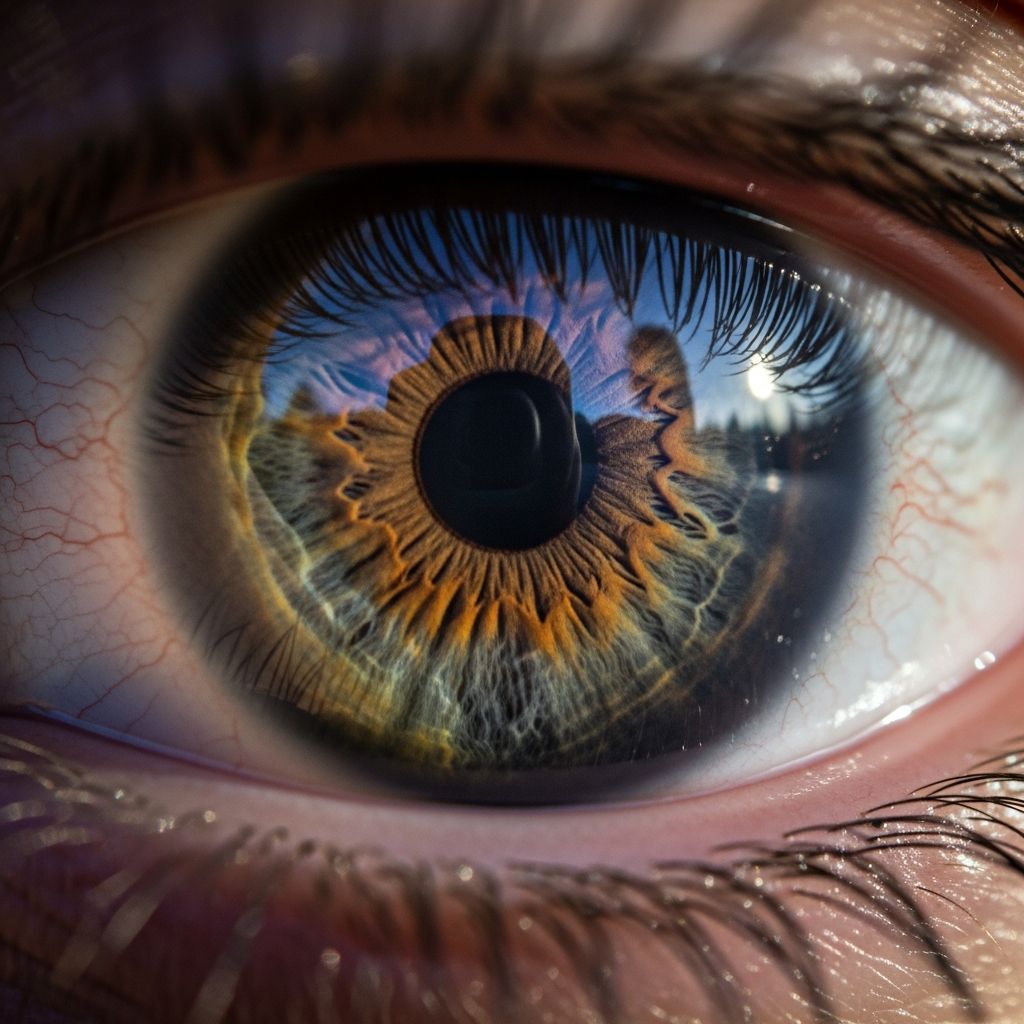
Low vision represents a significant visual impairment that standard glasses, contacts, medications, or surgery cannot fully correct, often disrupting routine activities and independence. It affects millions globally, with symptoms varying by underlying cause, such as central vision loss from macular degeneration or peripheral loss from glaucoma.
Defining Low Vision and Its Scope
Clinically, low vision is characterized by visual acuity worse than 20/70 in the better eye after correction, or a severely restricted visual field, typically 20 degrees or less. Unlike total blindness, individuals retain some sight but struggle with tasks requiring detail, contrast, or depth perception. This condition spans all ages, though it predominantly impacts those over 60 due to age-related diseases.
The World Health Organization notes that over 1 billion people experience vision impairment, with low vision contributing substantially through conditions like cataracts and refractive errors. In the U.S., age-related issues like macular degeneration lead, emphasizing the need for awareness of subtle onset symptoms.
Primary Symptoms and Their Impact
Recognizing low vision symptoms early can prompt timely intervention. Common indicators include:
- Difficulty reading fine print or signs: Text appears blurred or distorted, making newspapers, labels, or screens challenging.
- Trouble identifying faces or objects: Familiar people or items become unrecognizable, especially at distance.
- Frequent bumping into objects: Reduced peripheral awareness leads to collisions with furniture or doorways.
- Squinting or holding items close: Compensatory behaviors to sharpen focus on near tasks.
- Challenges with color differentiation: Muted hues complicate clothing choices or traffic signals.
These symptoms progressively hinder independence, affecting cooking, driving, or work. For instance, dim lighting exacerbates issues, turning evening routines hazardous.
Types of Vision Loss in Low Vision
Low vision manifests in distinct patterns based on affected eye regions.
| Type | Description | Common Causes | Daily Challenges |
|---|---|---|---|
| Central Vision Loss | Scotoma or blur in the visual center impairs detail perception | AMD, diabetic retinopathy | Reading, face recognition |
| Peripheral (Tunnel) Vision Loss | Narrowed side vision creates tunnel effect | Glaucoma, retinitis pigmentosa | Mobility, detecting hazards |
| Night Blindness | Poor low-light adaptation | Retinitis pigmentosa, cataracts | Night driving, indoor navigation |
| Blurry or Hazy Vision | Overall distortion or fogging | Cataracts, corneal issues | Any distance task |
Each type uniquely alters perception; central loss might preserve mobility but ruin precision work, while peripheral deficits heighten fall risks.
Root Causes Behind Low Vision
Multiple factors drive low vision, categorized by prevalence.
Age-Related Conditions
Dominating in seniors,
age-related macular degeneration (AMD)
deteriorates the macula, eroding central acuity.Cataracts
cloud the lens, globally a top impairment cause, though surgically reversible in many cases.Glaucoma
silently erodes optic nerves, starting peripherally.Systemic Diseases
**Diabetic retinopathy** stems from prolonged high blood sugar damaging retinal vessels, blending blur and field loss. Hypertension and cardiovascular issues compound risks.
Genetic and Congenital Factors
Inherited disorders like
retinitis pigmentosa
progressively destroy photoreceptors, onset in youth.Retinopathy of prematurity (ROP)
affects preemies from incubator oxygen. Albinism or amblyopia (lazy eye) also contribute.Related Stories



Trauma and Other Triggers
Eye injuries, brain trauma, strokes, or detachments cause sudden or gradual loss. Uncorrected refractive errors remain a modifiable global leader.
Risk escalates with age over 60, family history, smoking, UV exposure, and skipped exams. Children face unique hereditary threats.
Effects on Daily Functioning and Emotional Well-Being
Beyond physical limits, low vision fosters frustration, isolation, and depression. Daily tasks like meal prep demand adaptive tools; work productivity dips, straining finances. Children may show crossing eyes, head tilting, or task avoidance. Long-term, heightened fall risks and dependency emerge.
Diagnosis and Assessment Methods
Ophthalmologists employ acuity charts, field perimetry, contrast tests, and Amsler grids to quantify impairment. Differentiating treatable from irreversible guides rehab referrals.
Management Strategies and Rehabilitation
No cure exists for most low vision, but rehab maximizes residual sight. Options include:
- Magnifiers, screen readers, high-contrast aids.
- Occupational therapy for task adaptation.
- Lighting optimization and glare reduction.
- Support groups for coping.
Addressing root causes—like surgery for cataracts—can stabilize progression. Lifestyle shifts, such as quitting smoking, mitigate risks.
Prevention Through Proactive Eye Care
Annual exams detect issues early. Manage diabetes, protect eyes from injury/UV, and eat leafy greens for retinal health. Children need screenings for congenital risks.
Frequently Asked Questions (FAQs)
What distinguishes low vision from blindness?
Low vision allows some functional sight (e.g., 20/70 acuity), unlike legal blindness (<20/200 or <20° field).
Can low vision develop suddenly?
Yes, from trauma or detachment; often gradual via diseases like glaucoma.
Is low vision reversible?
Rarely fully, but rehab and cause-specific treatments improve function.
How does low vision affect children?
Hereditary conditions or ROP cause delays; early intervention aids development.
What lifestyle changes help?
Control blood sugar, avoid smoking, regular exams.
Understanding low vision empowers proactive steps, enhancing life quality despite challenges.
References
- Low Vision | National Eye Institute – NIH — National Eye Institute. 2023-10-01. https://www.nei.nih.gov/eye-health-information/eye-conditions-and-diseases/low-vision
- What is Low Vision? – LifeBridge Health — LifeBridge Health. 2024-05-15. https://www.lifebridgehealth.org/blogs/what-low-vision
- Understanding Low Vision: A Comprehensive Guide to Causes and Risk Factors — Linden Family Eyecare. 2024-08-20. https://www.lindenfamilyeyecare.com/blog/understanding-low-vision-a-comprehensive-guide-to-causes-and-risk-factors.html
- Low Vision and Blindness | Ohio State Medical Center — Wexner Medical Center. 2023-11-10. https://wexnermedical.osu.edu/eye-care-ophthalmology/conditions-and-services/vision-impairment-and-blindness
- Blindness and vision impairment – World Health Organization (WHO) — WHO. 2023-05-16. https://www.who.int/news-room/fact-sheets/detail/blindness-and-visual-impairment
- Low Vision: Causes, Characteristics, Treatment & Prevention — Cleveland Clinic. 2024-02-28. https://my.clevelandclinic.org/health/diseases/8585-low-vision
- Low Vision and Vision Rehabilitation | AOA — American Optometric Association. 2024-01-12. https://www.aoa.org/healthy-eyes/caring-for-your-eyes/low-vision-and-vision-rehab
Similar Articles








Read full bio of medha deb