Low White Blood Cell Count: What To Know And How To Stay Safe
Understanding leukopenia: causes, symptoms, diagnosis, and treatment options.
Understanding Low White Blood Cell Count (Leukopenia)
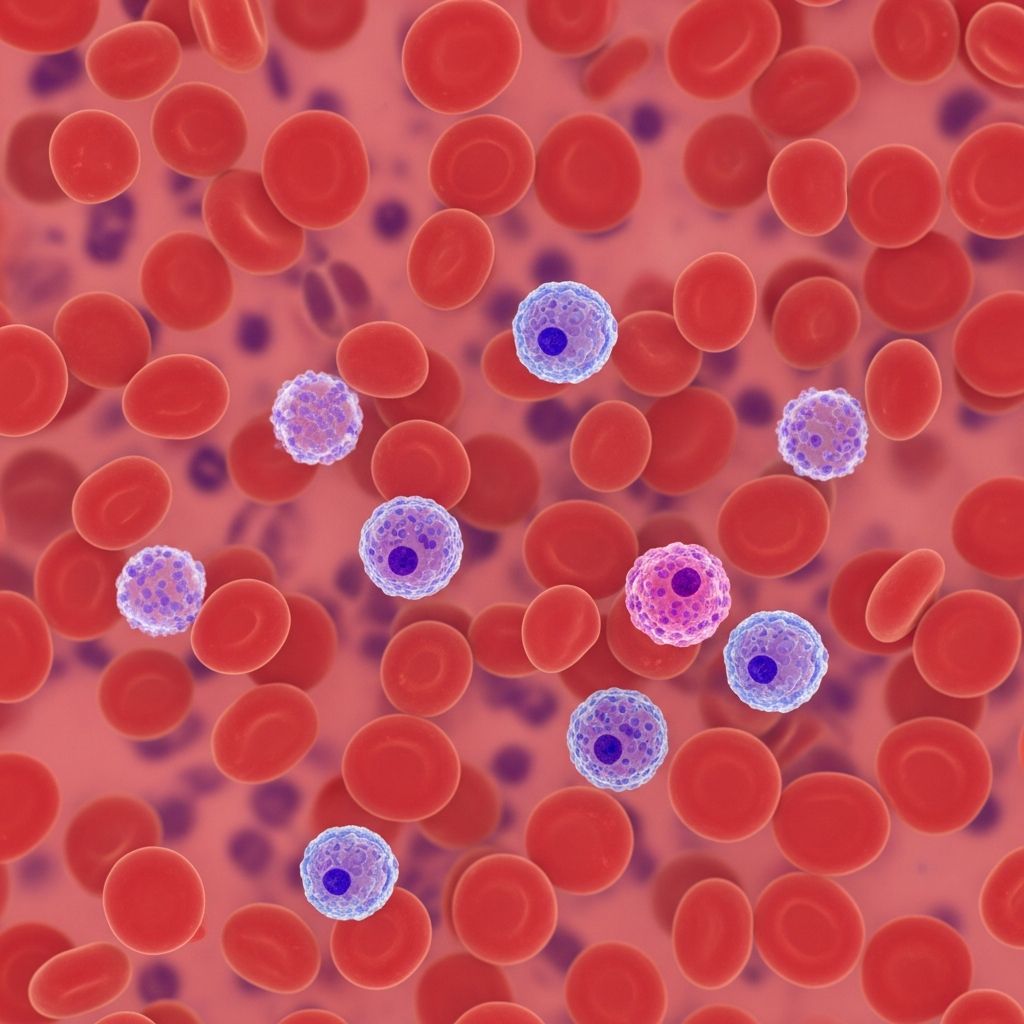
Leukopenia, pronounced “luke-a-PEE-ne-ah,” is a medical condition characterized by having fewer white blood cells than normal in your bloodstream. Specifically, this condition involves having lower-than-normal numbers of neutrophils, which are specialized white blood cells that serve as your immune system’s first line of defense against infections. When you have insufficient white blood cells, your body becomes significantly more vulnerable to developing infections from viruses, bacteria, and other pathogens. Understanding this condition is essential for recognizing symptoms early and seeking appropriate medical care.
Every single day, your body produces approximately 100 billion white blood cells, also known as leukocytes. These remarkable cells work continuously to defend your body against dangerous intruders like viruses and bacteria that could cause serious infections. When your white blood cell production or function becomes compromised, your immune system’s ability to protect you diminishes substantially, putting you at increased risk for various infections.
What Constitutes a Low White Blood Cell Count?
A white blood cell count that falls below 4,000 cells per microliter of blood is classified as leukopenia. However, it’s important to understand that normal white blood cell counts vary depending on several factors, including your age and biological sex. For adult males and children, the normal range typically falls between 5,000 to 10,000 cells per microliter of blood. For adult females, the normal range is slightly different, ranging from 4,500 to 11,000 cells per microliter of blood. Healthcare providers take these variations into account when interpreting your blood test results to determine whether you truly have leukopenia.
Common Causes of Leukopenia
Leukopenia can develop for numerous reasons, and understanding these causes is crucial for proper diagnosis and treatment. The condition typically develops when your bone marrow fails to produce enough healthy white blood cells, or when existing white blood cells are being destroyed faster than your body can replace them.
Medical Conditions: Various medical conditions can lead to leukopenia, including autoimmune disorders like lupus, bone marrow disorders such as aplastic anemia, and conditions affecting blood cell production. Leukemia, while often associated with high white blood cell counts, can actually cause leukopenia when abnormal cells overwhelm healthy white blood cells in the bone marrow.
Cancer Treatments: One of the most common causes of leukopenia is cancer treatment. Chemotherapy and radiation therapy, while effective at targeting cancer cells, can also damage bone marrow cells responsible for producing white blood cells. This side effect is particularly common during intensive cancer treatment protocols.
Medications: Certain medications can suppress white blood cell production. These include immunosuppressive drugs, some antibiotics, and other pharmaceutical treatments that may affect bone marrow function.
Nutritional Deficiencies: Inadequate nutrition and insufficient intake of certain essential vitamins can contribute to leukopenia. Your bone marrow requires proper nutrients to function optimally and produce healthy blood cells.
Related Stories



Infections: Severe infections can sometimes cause leukopenia as your body depletes its white blood cell stores fighting the infection, or as the infection damages bone marrow function.
Relationship Between Leukopenia and Cancer
It’s important to clarify that leukopenia itself is not cancer, though there is a significant connection between the two. Cancer treatments are a major cause of leukopenia. When patients undergo chemotherapy or radiation therapy for cancer, these powerful treatments often lower white blood cell counts as a side effect. Additionally, leukemia, a type of blood cancer, can cause leukopenia when abnormal blood cells produced by the leukemic bone marrow multiply uncontrollably and crowd out healthy white blood cells, leaving your body with lower-than-normal levels of functional white blood cells.
Symptoms and Clinical Presentation
Interestingly, leukopenia itself typically does not produce noticeable symptoms. Many people with low white blood cell counts feel completely normal and have no idea they have the condition until it’s discovered through blood testing. However, the infections that can result from leukopenia often do produce symptoms.
Infection-Related Symptoms: When leukopenia leads to infections, you may experience:
- Fever or elevated body temperature
- Chills and night sweats
- Persistent fatigue and weakness
- Mouth sores or ulcers
- Sore throat
- Cough or difficulty breathing
- Skin infections or slow-healing wounds
- Recurrent or unusual infections
The presence of these symptoms in someone with known leukopenia warrants immediate medical attention, as they may indicate a developing infection that requires prompt treatment.
Diagnosis of Leukopenia
Healthcare providers diagnose leukopenia primarily through a complete blood count (CBC) test. This routine blood test measures the number of white blood cells, red blood cells, and platelets in your blood. When the CBC reveals a white blood cell count below the normal range for your age and sex, leukopenia is confirmed.
Additional Diagnostic Tests: If your healthcare provider suspects you may have an infection or wants to investigate the underlying cause of your leukopenia further, they may order additional tests, which could include:
- Blood cultures to identify bacterial or fungal infections
- Tests to measure the differential white blood cell count (proportions of different white blood cell types)
- Bone marrow biopsy to evaluate bone marrow function
- Tests to check for specific infections such as viral infections
- Imaging studies if infection is suspected in specific body areas
Treatment Approaches for Leukopenia
Treatment for leukopenia depends primarily on identifying and addressing the underlying cause. Healthcare providers focus on treating the root problem rather than just the low white blood cell count itself.
Infection Management: If leukopenia resulted from an infection, your healthcare provider may prescribe antibiotics to fight bacterial infections or antiviral drugs to combat viral infections. Once the infection is cleared, white blood cell counts often return to normal.
Medication Adjustments: If a particular medication is causing your leukopenia, your healthcare provider may adjust the dosage, switch you to an alternative medication, or discontinue the problematic drug if possible.
Nutritional Support: Addressing nutritional deficiencies through dietary changes or vitamin supplements can help restore adequate white blood cell production in some cases.
Bone Marrow Support: In more severe cases, treatment may include medications that stimulate bone marrow to produce more white blood cells, such as growth factors.
Cancer Treatment Considerations: If leukopenia results from cancer treatment, your oncologist may adjust treatment protocols, use supportive medications to boost white blood cell production, or implement infection prevention strategies.
Prognosis and Outlook
Your prognosis with leukopenia depends significantly on the underlying cause. If you have leukopenia due to a viral infection, for example, your white blood cell count should return to normal once your body clears the infection. In contrast, if your low white blood cell count results from cancer treatment, your prognosis depends on your specific cancer diagnosis and the nature of your treatment plan.
Some cases of leukopenia are temporary and resolve once the triggering factor is eliminated. Other cases may require ongoing management and monitoring. Your healthcare provider can discuss your specific prognosis based on your individual situation and medical history.
Living With Leukopenia: Prevention and Management
If you’ve been diagnosed with leukopenia, several strategies can help reduce your infection risk and support your overall health. Maintaining excellent hygiene practices, avoiding crowds during cold and flu season, staying current with vaccinations (as recommended by your healthcare provider), eating a nutritious diet, and getting adequate sleep all contribute to supporting your immune system during this time. Additionally, inform all your healthcare providers about your leukopenia so they can monitor you appropriately and prescribe treatments with this condition in mind.
When to Contact Your Healthcare Provider
If you know you have leukopenia, you should contact your healthcare provider if you experience fever, unusual infections, persistent sore throat, mouth sores, or any other signs of infection. Early intervention can prevent serious complications. Your healthcare provider can also discuss specific prevention strategies tailored to your situation and help you understand your individual risk factors.
Frequently Asked Questions About Leukopenia
Q: Is leukopenia the same as leukemia?
A: No, leukopenia and leukemia are different conditions. Leukopenia is having too few white blood cells, while leukemia is a cancer of blood cells. However, leukemia can cause leukopenia when abnormal leukemic cells crowd out healthy white blood cells in the bone marrow.
Q: Can leukopenia develop suddenly?
A: Yes, leukopenia can develop suddenly, particularly as a side effect of medications or cancer treatments. However, it can also develop gradually over time depending on the underlying cause.
Q: How long does it take for white blood cell counts to return to normal?
A: Recovery time varies depending on the cause. If leukopenia results from a temporary infection or medication side effect, counts may normalize within days to weeks once the cause is addressed. If it results from cancer treatment, recovery may take several weeks to months after treatment concludes.
Q: Can I prevent leukopenia?
A: While you cannot always prevent leukopenia, maintaining good nutrition, avoiding infections, and following your healthcare provider’s recommendations can support healthy white blood cell production. If you’re undergoing cancer treatment, your healthcare team may use preventive strategies to minimize white blood cell suppression.
Q: Does leukopenia mean I’ll definitely develop an infection?
A: Not necessarily. Having leukopenia increases your infection risk, but it doesn’t guarantee you’ll develop one. By taking precautions and monitoring your health closely, many people with leukopenia avoid serious infections.
References
- Low White Blood Cell Count (Leukopenia) — Cleveland Clinic. 2022-10-27. https://my.clevelandclinic.org/health/diseases/17706-low-white-blood-cell-count
- Leukopenia — EBSCO Research Starters. https://www.ebsco.com/research-starters/health-and-medicine/leukopenia
- White Blood Cells: Types, Function & Normal Ranges — Cleveland Clinic. https://my.clevelandclinic.org/health/body/21871-white-blood-cells
- Neutropenia: What it Is, Types, Symptoms & Causes — Cleveland Clinic. https://my.clevelandclinic.org/health/diseases/21058-neutropenia
- Complete Blood Count (CBC): What It Is & Normal Ranges — Cleveland Clinic. https://my.clevelandclinic.org/health/diagnostics/4053-complete-blood-count
- Elevation in white blood cell count after corticosteroid use — PubMed. 2025. https://pubmed.ncbi.nlm.nih.gov/39932209/
Similar Articles








Read full bio of Sneha Tete