Lower Abdominal Pain: Causes, Symptoms & Treatment
Understanding lower abdominal pain: Explore common causes, symptoms, and when to seek medical care.
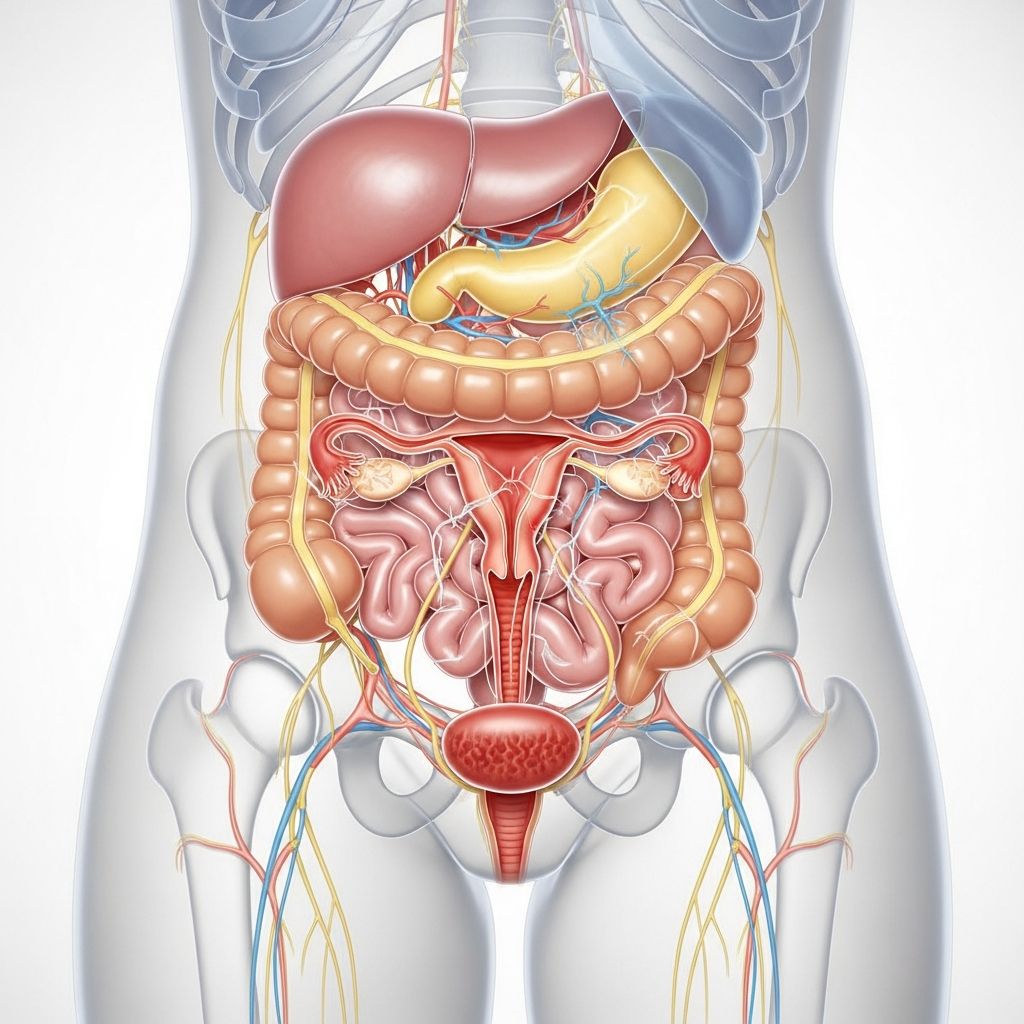
Lower abdominal pain is a common complaint that affects people of all ages and backgrounds. When you experience discomfort below your belly button, it can be challenging to determine the exact cause without proper medical evaluation. Healthcare providers divide the abdomen into specific regions to help narrow down the many potential causes of abdominal pain. Understanding what might be causing your lower abdominal pain can help you recognize when professional medical attention is necessary.
What is Lower Abdominal Pain?
Lower abdominal pain refers to any discomfort occurring in the area below your belly button, extending down to your pubic bone. This region contains numerous organs and structures that can be sources of pain. The lower abdominopelvic cavity is densely populated with various organ systems, making it important to understand which systems might be involved in your pain.
The organs located in your lower abdomen include portions of your intestines, urinary system, and reproductive system. Pain in this area may originate from any of these systems, or it may be referred pain coming from elsewhere in your body. Referred pain occurs when one part of your body experiences pain that actually originates from a different location, such as kidney pain radiating to the front of your abdomen or testicular pain felt in the abdominal area.
Organs That May Cause Lower Abdominal Pain
Several organ systems reside in the lower abdomen and can be sources of pain:
- Small and large intestines
- Bladder and ureters
- Female reproductive organs (ovaries, fallopian tubes, uterus)
- Male reproductive organs
- Abdominal lymph nodes
- Lower portions of the kidneys
Types of Lower Abdominal Pain: Acute vs. Chronic
Understanding whether your pain is acute or chronic helps categorize potential causes and guides treatment decisions. The duration and pattern of your pain can provide important clues to your healthcare provider.
Acute Abdominal Pain
Acute abdominal pain occurs suddenly and is typically temporary in nature. This type of pain often results from injuries, infections, or sudden changes in organ function. Acute conditions may develop rapidly and require immediate attention, especially if the pain is severe or progressive. Common acute causes include appendicitis, kidney stones, urinary tract infections, and gastroenteritis. If you experience severe or progressively worsening pain, seek urgent medical care immediately.
Chronic Abdominal Pain
Chronic lower abdominal pain persists over a longer period or comes and goes intermittently. This type of pain is often associated with chronic diseases and long-term conditions. Chronic pain may be caused by ongoing digestive issues, chronic inflammation, endometriosis, or other persistent conditions. Even chronic pain can become progressively worse, which may indicate that the underlying disease is worsening and requires medical evaluation.
Common Causes of Lower Abdominal Pain
Gastrointestinal Issues
The gastrointestinal system is the most common source of lower abdominal pain. Since most of your small and large intestines are located in the lower abdominal cavity and take up considerable space there, conditions affecting your intestines frequently cause lower abdominal discomfort. These include everyday digestive problems such as:
Related Stories



- Gas and bloating
- Indigestion
- Diarrhea
- Constipation
- Food intolerances or allergies
More serious gastrointestinal diseases can also cause lower abdominal pain. These include inflammatory bowel diseases and infections. When your intestines become inflamed, your immune system is activated, triggering pain and discomfort. Inflammation in your small intestine is called enteritis, while inflammation in your large intestine is called colitis. These conditions may result from bacterial or viral infections, autoimmune disorders, or other inflammatory triggers.
Appendicitis
The appendix is a small tube-shaped organ that branches off from your large intestine on the lower right side of your abdomen. Appendicitis occurs when the appendix becomes inflamed and infected. Patients typically experience pain that begins around the belly button and then shifts to the lower right abdomen as the condition progresses. Along with pain, appendicitis commonly causes nausea, vomiting, loss of appetite, and low-grade fever. An inflamed appendix can rupture, potentially spreading infection to the peritoneum (the lining of your abdominal cavity), a serious condition called peritonitis that requires emergency surgery.
Diverticulitis and Diverticulosis
Lower left abdominal pain is often related to diverticulosis and diverticulitis. Diverticula are small pouches that develop in the wall of your colon, most commonly occurring on the lower left side. These pouches can trap bacteria and easily become infected, causing inflammation and pain characteristic of diverticulitis. The pain is typically localized to the lower left quadrant and may be accompanied by fever, nausea, and changes in bowel habits.
Urinary System Conditions
When pain originates from your urinary system rather than your digestive or reproductive system, it typically involves your bladder, ureters, or kidneys. Common urinary causes of lower abdominal pain include:
- Urinary tract infections (UTIs)
- Bladder inflammation or cystitis
- Kidney infections
- Kidney stones
- Other kidney irritations or diseases
Kidney infections may cause lower abdominal pain when the infection radiates from your back where your kidneys are located. Kidney stones typically affect one kidney at a time and can cause sharp, intense pain that radiates through the lower abdomen and into the groin area.
Female Reproductive System Conditions
People with female reproductive organs may experience lower abdominal pain from various gynecological conditions affecting the ovaries, fallopian tubes, or uterus. These conditions include:
- Ovulation pain, which typically affects one ovary at a time
- Menstrual cramps
- Ovarian cysts or tumors
- Uterine fibroids
- Endometriosis
- Pelvic inflammatory disease
Some reproductive conditions may present with one-sided pain if they affect a single ovary or structure. Growths such as tumors or cysts may develop in one ovary and cause localized pain on that side.
Location-Specific Lower Abdominal Pain
Lower Left Abdominal Pain
Pain specifically located in your lower left abdomen most commonly relates to diverticulosis and diverticulitis of the colon. The lower left side is where diverticula most frequently develop along the colon wall. When these pouches become infected or inflamed, you experience characteristic left-sided lower abdominal pain. Other potential causes of left-sided pain include issues with your left kidney, left ureter, or left-sided reproductive structures.
Lower Right Abdominal Pain
Lower right abdominal pain frequently relates to your appendix, which is located on the right side of your abdomen branching from your large intestine. Appendicitis is a common cause of lower right pain and should be evaluated promptly, especially if the pain is severe. Other possible causes of right-sided lower abdominal pain include conditions affecting your right kidney, right ureter, or right ovary in individuals with female reproductive organs.
When to Seek Medical Care
While many cases of lower abdominal pain resolve on their own or with conservative home treatment, certain situations warrant professional medical evaluation. You should see a healthcare provider if you experience:
- Severe abdominal pain
- Progressive pain that worsens over time
- Pain accompanied by fever
- Persistent vomiting or inability to keep food down
- Blood in your stool or urine
- Inability to have bowel movements or pass gas
- Swelling or rigidity of your abdomen
- Pain following an injury or trauma
- Pain that disrupts your daily activities
Seek emergency medical care immediately if you experience sudden, severe abdominal pain with signs of shock such as dizziness, fainting, or rapid heartbeat. These symptoms may indicate a medical emergency requiring immediate surgery.
Diagnosing Lower Abdominal Pain
Lower abdominal pain is common, but determining the exact cause can be challenging because many conditions present with similar symptoms. Your healthcare provider will typically begin with a detailed history of your symptoms, including when the pain started, how it feels, what makes it better or worse, and whether you have associated symptoms like fever, nausea, or changes in bowel function.
Your provider may be able to identify the cause based on symptom patterns. For example, if your pain follows your digestive cycle or your menstrual cycle, this provides important diagnostic clues. Other symptoms accompanying your pain, such as fever or frequency of urination, help your provider identify infections or specific organ involvement.
During physical examination, your provider will gently palpate your abdomen to check for areas of tenderness and assess for signs such as guarding or stiffening. They may order diagnostic tests including blood work, urinalysis, imaging studies like ultrasound or CT scans, or other specialized tests depending on their findings and suspicions about the underlying cause.
Treatment Options for Lower Abdominal Pain
Treatment for lower abdominal pain depends entirely on the underlying cause. For simple cases like gas, bloating, or mild indigestion, conservative measures such as rest, hydration, dietary modification, and over-the-counter medications may provide relief. Applying heat to the abdomen can help ease cramping associated with menstrual periods or muscle tension.
For more serious conditions, treatment may require antibiotics for infections, prescription medications for inflammatory conditions, dietary changes for digestive disorders, or surgical intervention for acute surgical emergencies like appendicitis or ruptured organs. Your healthcare provider will develop a treatment plan specific to your diagnosis and individual circumstances.
When Digestive System Issues Cause Pain
Your digestive system can cause lower abdominal pain for numerous reasons. Food allergies or intolerances may interfere with normal digestive function, triggering pain and discomfort. When your digestive system isn’t working optimally—whether due to dietary choices, stress, infections, or underlying digestive conditions—pain often results. If your intestines become inflamed, whether from your immune system activation or bacterial invasion, the inflammation causes characteristic pain and often changes in bowel function.
Referred Pain and Lower Abdominal Discomfort
Sometimes pain isn’t located exactly where the problem exists. Your kidneys live in the back of your abdominopelvic cavity, but kidney pain may wrap around to the front of your abdomen, presenting as lower abdominal pain. Similarly, males may feel testicular pain in their abdomen rather than at the source. This referred pain occurs because of nerve pathways that connect different body regions, causing your brain to perceive pain in an area remote from its actual origin.
When to Monitor Your Symptoms
Not all lower abdominal pain requires immediate medical attention. If you have mild, intermittent pain associated with obvious triggers like eating too quickly or consuming gas-producing foods, you may safely monitor your symptoms at home. However, maintain awareness of any changes in your pain pattern, intensity, or associated symptoms. If your mild pain becomes severe or develops additional concerning symptoms, seek medical evaluation promptly.
Frequently Asked Questions About Lower Abdominal Pain
Q: What are the most common causes of lower abdominal pain?
A: The most common causes are gastrointestinal issues including gas, constipation, and indigestion. Other frequent causes include appendicitis, urinary tract infections, kidney stones, menstrual cramps, and diverticulitis. The specific cause depends on your individual symptoms, medical history, and examination findings.
Q: How can I tell if my lower abdominal pain is an emergency?
A: Seek emergency care if you experience severe sudden pain, pain that worsens rapidly, fever with severe pain, inability to pass urine or stool, vomiting that prevents you from keeping fluids down, visible blood in stool or urine, or signs of shock like dizziness or fainting.
Q: Can lower abdominal pain be caused by anxiety or stress?
A: Yes, stress and anxiety can trigger or worsen abdominal pain through tension in abdominal muscles and increased sensitivity to normal digestive sensations. Stress also affects digestion and can cause cramping, gas, and irregular bowel movements contributing to pain.
Q: What should I do at home to manage mild lower abdominal pain?
A: For mild pain, try resting, applying a heating pad, staying hydrated, eating bland foods, and avoiding foods that trigger your symptoms. Over-the-counter pain relievers like acetaminophen or ibuprofen may help. However, contact your healthcare provider if pain persists beyond a few days or worsens.
Q: Is lower abdominal pain always a sign of something serious?
A: No, most cases of lower abdominal pain are not serious. Many cases result from common, self-limiting conditions like gas, indigestion, or mild infections. However, some serious conditions do present with lower abdominal pain, so persistent or severe pain warrants professional evaluation.
Q: When should I see a healthcare provider about lower abdominal pain?
A: See a provider if pain is severe, persistent (lasting more than a few days), progressively worsening, accompanied by concerning symptoms like fever or blood in stool, or disrupting your normal activities. Even mild pain that concerns you is worth discussing with your provider.
Q: Can diet changes help with lower abdominal pain?
A: Yes, dietary modifications can significantly help, especially for pain related to gas, bloating, or indigestion. Identifying and avoiding trigger foods, eating smaller meals, increasing fiber gradually, and staying hydrated often improve symptoms. Your healthcare provider or a dietitian can recommend specific dietary changes for your situation.
References
- Lower Abdominal Pain: Common Causes & Treatment — Cleveland Clinic. 2024. https://my.clevelandclinic.org/health/symptoms/24530-lower-abdominal-pain
- Appendicitis: Signs, Symptoms and Treatment — Cleveland Clinic. 2024. https://my.clevelandclinic.org/health/diseases/8095-appendicitis
- Acute Abdomen: What It Is, Symptoms & Causes — Cleveland Clinic. 2024. https://my.clevelandclinic.org/health/diseases/25064-acute-abdomen
- Left Side Abdominal Pain: Causes & How To Treat — Cleveland Clinic. 2024. https://my.clevelandclinic.org/health/symptoms/left-side-abdominal-pain
- Right Side Abdominal Pain: Causes & Treatment — Cleveland Clinic. 2024. https://my.clevelandclinic.org/health/symptoms/right-side-abdominal-pain
- Not all abdominal pain is gastrointestinal — Cleveland Clinic Journal of Medicine. 2016. https://www.ccjm.org/content/83/1/29
Similar Articles








Read full bio of Sneha Tete