Lower Abdominal Pain: 15 Causes, Symptoms and When to Worry
Discover 20+ causes of lower abdominal pain, from common digestive issues to serious conditions requiring urgent care.
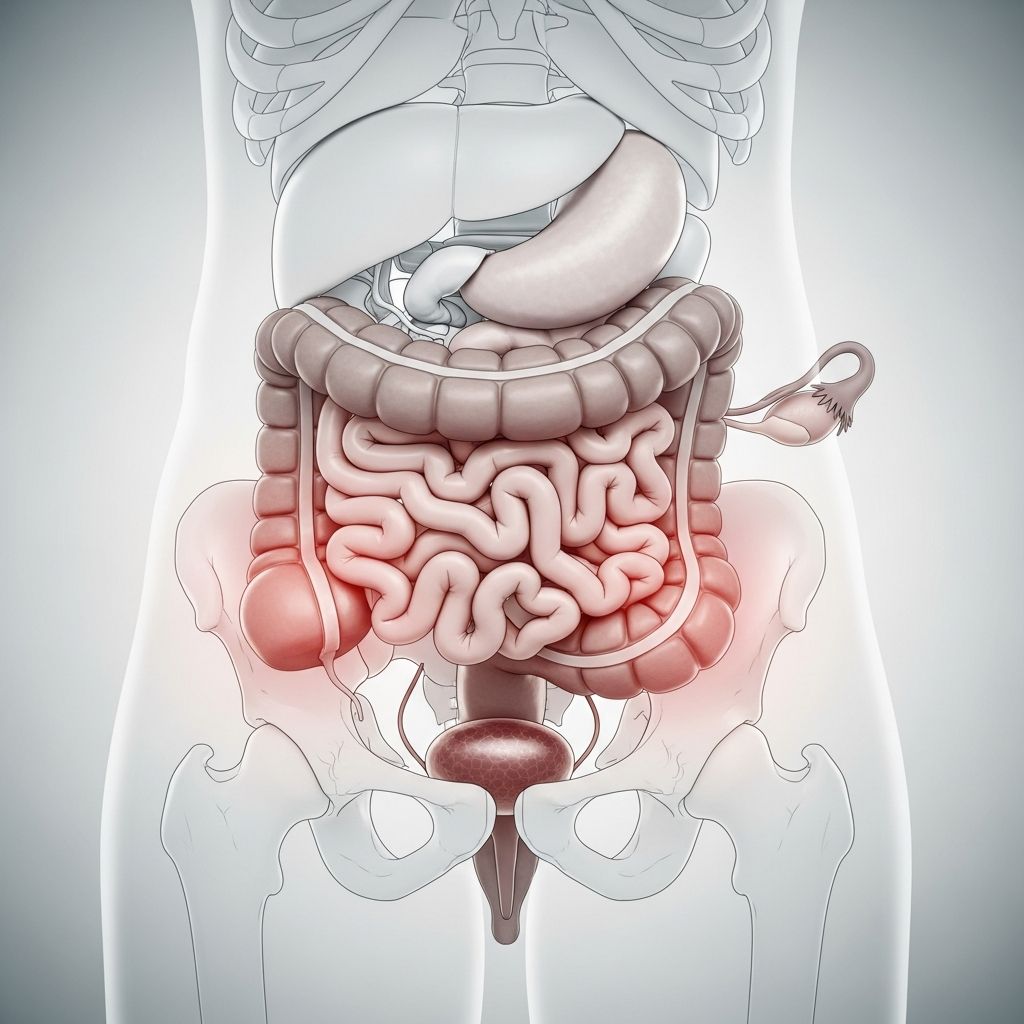
Lower abdominal pain is a common complaint that affects millions of people each year. Located below the ribcage and above the pelvic bone, this discomfort can range from mild cramping to severe, debilitating pain. While often benign and related to digestion, it can sometimes signal serious medical conditions requiring immediate attention.
Understanding the potential causes helps determine whether home remedies suffice or if professional medical evaluation is needed. Factors like pain location (left, right, or center), duration, accompanying symptoms, and triggers provide crucial clues for diagnosis.
What Causes Lower Abdominal Pain?
The lower abdomen houses vital organs including the intestines, bladder, reproductive organs, and appendix. Pain can originate from these structures or referred from nearby areas. Here’s a comprehensive breakdown of common and serious causes:
Gas and Indigestion
The most frequent cause of lower abdominal discomfort is trapped gas or indigestion. Excess gas buildup in the intestines creates bloating, cramping, and sharp, shifting pains. Common triggers include:
- Swallowing air while eating quickly or chewing gum
- High-fiber foods like beans, broccoli, and carbonated drinks
- Food intolerances (lactose, gluten)
- Constipation from low-fiber diets
Symptoms typically resolve within hours with movement, over-the-counter remedies like simethicone, or dietary adjustments. Persistent gas may indicate irritable bowel syndrome (IBS).
Irritable Bowel Syndrome (IBS)
IBS affects 10-15% of adults, causing chronic lower abdominal pain, bloating, diarrhea, and/or constipation. Pain often improves after bowel movements. Triggers include stress, certain foods, and hormonal changes.
Diagnosis involves ruling out other conditions via stool tests and colonoscopy. Management includes low-FODMAP diets, stress reduction, and medications like antispasmodics.
Urinary Tract Infection (UTI)
UTIs cause burning urination, frequent urges, and lower abdominal or pelvic pain, especially in women. Bacteria from the rectum ascend the urethra, inflaming the bladder (cystitis). Untreated infections can reach the kidneys, causing fever and back pain.
Antibiotics provide rapid relief. Prevention strategies: urinate after sex, wipe front-to-back, stay hydrated.
Constipation
Hard, infrequent stools stretch the colon, producing dull lower abdominal aching. Dehydration, low fiber intake, sedentary lifestyle, and medications (opioids, iron supplements) contribute.
Increase water (8-10 glasses daily), fiber (25-30g), and exercise. Laxatives offer short-term relief; chronic cases warrant medical evaluation for underlying issues like hypothyroidism.
Appendicitis
A medical emergency, appendicitis begins as vague periumbilical pain migrating to the lower right abdomen. Additional symptoms: nausea, vomiting, fever, rebound tenderness. The inflamed appendix risks rupture if untreated.
Surgical removal (appendectomy) is standard treatment, often laparoscopic for faster recovery.
Kidney Stones
Hard mineral deposits in kidneys cause excruciating flank pain radiating to the lower abdomen or groin. Blood in urine, nausea, and painful urination accompany episodes. Small stones (<5mm) often pass naturally with hydration and pain relief.
Related Stories



Larger stones require shock wave lithotripsy or surgery.
Ovarian Cysts
Fluid-filled sacs on ovaries cause one-sided lower abdominal pain, worse during menstruation or intercourse. Most resolve spontaneously, but large or ruptured cysts cause severe pain and internal bleeding.
Ultrasound confirms diagnosis; birth control pills prevent recurrence.
Ectopic Pregnancy
A life-threatening condition where the embryo implants outside the uterus, typically in fallopian tubes. Symptoms mimic miscarriage: sharp lower abdominal pain, vaginal bleeding, shoulder pain from internal irritation.
Immediate medical intervention (methotrexate or surgery) prevents rupture.
Endometriosis
Tissue similar to uterine lining grows outside the uterus, causing chronic pelvic pain, painful periods, pain during sex, and infertility. Hormonal therapies, pain relievers, and laparoscopic surgery manage symptoms.
Inflammatory Bowel Disease (IBD)
Crohn’s disease and ulcerative colitis cause diarrhea, bloody stools, weight loss, and lower abdominal cramping from intestinal inflammation. Immunosuppressants, biologics, and surgery control flares.
Diverticulitis
Inflammation of colon pouches (diverticula), common in older adults. Left lower quadrant pain, fever, and bowel changes require antibiotics; severe cases need hospitalization.
Other Causes
- Menstrual Cramps: Prostaglandins cause uterine contractions; NSAIDs provide relief.
- Hernias: Tissue protrudes through abdominal wall; surgical repair needed.
- Aortic Aneurysm: Rare but deadly; pulsating pain requires emergency surgery.
- Food Poisoning: Cramps, diarrhea, vomiting from bacterial toxins; hydration key.
Symptoms That Require Immediate Medical Attention
Seek emergency care for:
- Severe pain lasting >24 hours or suddenly worsening
- Fever >101°F (38.3°C) with abdominal tenderness
- Vomiting preventing fluid intake
- Bloody/black stools or vomit
- Pain with pregnancy or possible pregnancy
- Swelling, jaundice, confusion, or fainting
How Is Lower Abdominal Pain Diagnosed?
Doctors assess:
- Medical History: Pain onset, location, radiation, relieving/aggravating factors, bowel/bladder habits, gynecologic/menstrual history.
- Physical Exam: Abdominal palpation for tenderness, masses, organ enlargement; pelvic/rectal exams as needed.
- Lab Tests: CBC (infection), urinalysis (UTI), pregnancy test, stool studies (occult blood, pathogens).
- Imaging: Ultrasound (ovarian issues, pregnancy), CT scan (appendix, stones, diverticulitis), endoscopy/colonoscopy (IBD).
Treatment Options for Lower Abdominal Pain
Treatment targets underlying causes:
| Condition | Treatments |
|---|---|
| Gas/Indigestion | Simethicone, probiotics, dietary changes |
| IBS | Low-FODMAP diet, antispasmodics, CBT |
| UTI | Antibiotics (nitrofurantoin, Bactrim) |
| Appendicitis | Appendectomy |
| Kidney Stones | Hydration, alpha-blockers, lithotripsy |
| Ovarian Cysts | Watchful waiting, OCPs, surgery |
Prevention Tips
- Eat balanced diet rich in fruits, vegetables, whole grains
- Stay hydrated (half body weight in ounces daily)
- Exercise 150 minutes weekly
- Practice stress management (meditation, yoga)
- Maintain healthy weight; limit NSAIDs/alcohol
- Women: track cycles, use protection against STIs
Frequently Asked Questions (FAQs)
Why does my lower right abdomen hurt?
Common causes include appendicitis, ovarian cysts/torsion (women), kidney stones, or IBS. Right-sided pain with fever/nausea warrants immediate evaluation.
Is lower left abdominal pain serious?
Possible causes: diverticulitis, constipation, ovarian issues, ectopic pregnancy. Persistent pain >48 hours or with blood in stool requires medical attention.
Can stress cause lower abdominal pain?
Yes, stress exacerbates IBS, causes muscle tension, and alters gut motility leading to cramping and bloating. Stress management techniques help alleviate symptoms.
When should I worry about abdominal pain?
Seek emergency care for severe pain, fever, persistent vomiting, blood in stool/urine/vomit, abdominal swelling, or pain with pregnancy.
Can lower abdominal pain be cancer?
Rarely in younger people, but colon, ovarian, or pancreatic cancers can cause pain. Accompanying unexplained weight loss, blood in stool, or jaundice necessitates evaluation.
References
- Abdominal Pain — National Institute of Diabetes and Digestive and Kidney Diseases (NIDDK). 2023-06-15. https://www.niddk.nih.gov/health-information/digestive-diseases/abdominal-pain
- Appendicitis — Centers for Disease Control and Prevention (CDC). 2024-02-28. https://www.cdc.gov/appendicitis/index.html
- Irritable Bowel Syndrome — American College of Gastroenterology. 2024-09-01. https://gi.org/topics/irritable-bowel-syndrome/
- Urinary Tract Infection Basics — National Institute of Diabetes and Digestive and Kidney Diseases (NIDDK). 2023-11-20. https://www.niddk.nih.gov/health-information/urologic-diseases/bladder-infection-uti-in-adults
- Kidney Stones — National Kidney Foundation. 2024-01-10. https://www.kidney.org/atoz/content/kidneystones
- Endometriosis — World Health Organization (WHO). 2023-03-08. https://www.who.int/news-room/fact-sheets/detail/endometriosis
Similar Articles








Read full bio of Sneha Tete