Lower Back Pain: 7 Common Causes And Effective Treatments
Understand the causes, symptoms, and treatments for lower back pain.
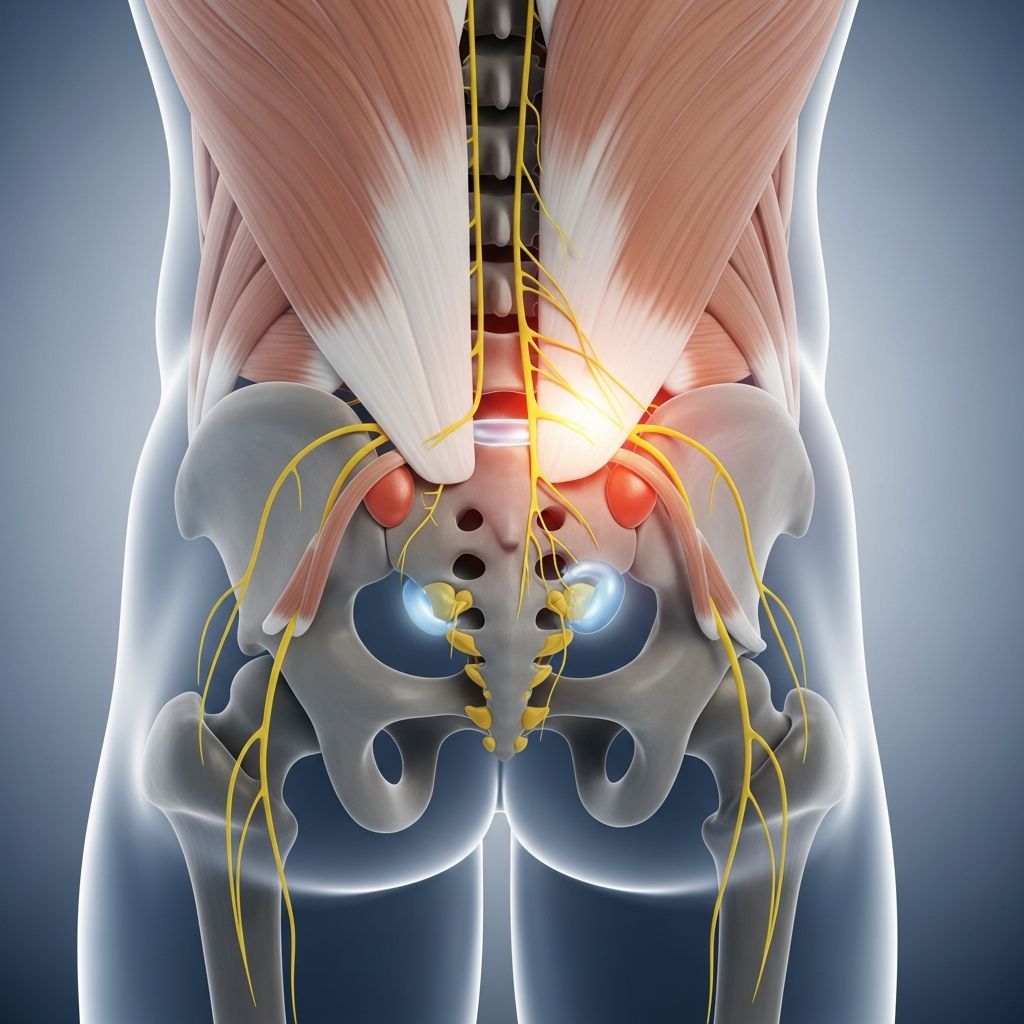
Lower back pain is one of the most common health complaints affecting adults worldwide. Whether sudden or gradual, acute or chronic, back pain can significantly impact your daily activities, work productivity, and overall quality of life. Understanding what causes lower back pain and when to seek medical help is essential for managing this condition effectively. Your lower back is where your spine connects to your pelvis, bearing the weight of your upper body. This area experiences considerable movement and stress, which may lead to wear, tear, and injuries.
Understanding Lower Back Pain
Lower back pain can develop for numerous reasons, ranging from simple muscle strain to more complex structural issues. The lower back, or lumbar region, consists of bones, discs, muscles, ligaments, and nerves that work together to provide support and mobility. When any of these components become injured or irritated, pain can result.
Persistent low back pain is most common among people in their mid-to-late thirties and early-to-mid forties. Besides pain, most persistent low back pain patients report a variety of motor and sensory deficits, including significant functional impairment at work, at play, and at home.
Common Causes of Lower Back Pain
Muscle Strain and Sprain
One of the most frequent causes of lower back pain is muscle strain or sprain. This occurs when the muscles or ligaments in your back are stretched or torn, usually due to sudden movements, improper lifting, or overexertion. Muscle pain is typically described as achy, sore, tender, or tight, and may include muscle spasms or muscle knots. Heat, massage, and rest are commonly helpful for relieving muscle-related back pain.
Arthritis in the Spine
Arthritis in the spine is the most frequent cause of lower back pain and occurs when the slow degeneration of the spinal joints takes place. As you age, the cartilage in your spine can wear down, leading to inflammation and pain. Bone pain from arthritis tends to be achy, stiff, or sharp and is usually characterized by stiffness and decreased range of motion. Difficulty getting up out of a seat after sitting for a long time is common with spinal arthritis.
Herniated Discs
A herniated disc, also called a bulging or slipped disc, occurs when the soft inner material of a spinal disc protrudes through the tough outer layer. When you herniate a disc, it happens most frequently in the lower back. The disc can then migrate into the canal and press on the nerve, causing nerve symptoms similar to hitting your funny bone, with pain radiating down your leg. Symptoms of a herniated disc vary and may include tingling or numbness, weakness of the leg muscle, pain in the back, and pain radiating down the leg. In severe cases, it may even cause bowel and bladder problems.
Nerve Compression and Sciatica
Nerve pain can be caused by numerous conditions, with the most common being when a nerve doesn’t have as much space in the tunnel as it should. This can occur when arthritis with the bones has narrowed the space in the tunnel, or when a disc has herniated and is pushing on a nerve root. Sciatica is a specific condition where a nerve root is being compressed, causing pain, numbness, tingling, or weakness along the sciatic nerve pathway. Nerve pain tends to feel burning, electrical, sensitive, tingling, or shooting in nature.
Bone Spurs
Bone spurs are growths of bone adjacent to a joint that occur with arthritis in your back, primarily in the facet joints. The facet joints are the two paired joints in your spine that function to allow motion, mostly bending forward and twisting. These bone spurs can then cause pressure on the nerves and neural structures that run next to those facet joints and next to the vertebral body, causing nerve symptoms and pain.
Related Stories



Sacroiliac Joint Dysfunction
The sacroiliac joint is also a common cause of lower back pain. This joint connects your lower spine to your pelvis and bears much of your body’s weight when you move. When this joint becomes inflamed or misaligned, it can produce pain in the lower back, buttocks, or legs.
Back Injuries
Back injuries can occur from various incidents, such as car accidents or falls. However, you can also acquire back injuries by doing everyday tasks, such as carrying a baby or holding a laundry basket. Traumatic injuries may result in fractures, sprains, or other damage to the spinal structures.
Understanding Different Types of Back Pain
Back pain can be classified into different categories based on the structures involved and the characteristics of the pain:
Muscle Pain
Muscle pain is typically localized and characterized by soreness, tenderness, and tightness. People with muscle pain often report that even little movements feel really painful. Heat therapy, massage, and rest are all helpful treatments for muscle-related back pain.
Bone Pain
Bone pain in the back can be complicated, as the anatomy is intricate. Bone pain is usually achy, stiff, or sharp and is commonly caused by arthritis or trauma, including fractures. Compression fractures from osteoporosis can also cause very stiff and sharp pain with every movement.
Nerve Pain
Nerve pain is distinct from other types of back pain and can result from compression, irritation, or inflammatory diseases affecting the nervous system. This pain tends to feel burning, electrical, sensitive, tingling, or shooting and can radiate along specific nerve pathways.
Centralized Pain
Centralized pain is a broader classification that can play into any of the other pain structures but is differentiated by pain that is out of proportion and much more severe than what might be seen on a diagnostic image. This occurs when the central nervous system, including the brain and spinal cord, becomes hypersensitized to pain signals, even when there is minimal tissue injury visible on imaging studies.
Lifestyle Factors Contributing to Lower Back Pain
Several lifestyle factors can increase your risk of developing lower back pain or worsen existing pain:
Smoking
Smoking causes inflammation inside the body, which hinders the body’s ability to heal. This inflammatory response can slow recovery from back injuries and exacerbate existing back pain conditions.
Obesity
People with a high body mass index (BMI) create additional stress on the spine. The extra weight places increased pressure on the spinal discs and joints, potentially leading to accelerated wear and tear.
Physical Activity Levels
Your level of physical activity significantly affects your lower back health. If you maintain a sedentary lifestyle with little movement, your chances for lower back pain increase substantially. Conversely, excessive or improper physical activity can also strain your back. A balanced approach to exercise and movement is essential for maintaining spine health.
Posture and Ergonomics
Poor posture and improper ergonomic setups, particularly during work or daily activities, can strain the muscles and joints of the lower back over time. Maintaining proper alignment and taking regular breaks from sitting are important preventive measures.
Diagnosis and Evaluation
When you visit your doctor’s office to discuss back pain, your healthcare provider will ask specific questions about your pain, including its location, intensity, duration, and what makes it better or worse. Your doctor may also perform a physical examination, pushing on structures in your lower back and spine using special maneuvers to reproduce your pain and identify the source.
Common diagnostic tests include the slump test or straight leg raise, where your doctor will have you bend at the waist, either lifting your leg up while sitting or laying flat on an exam table. This stretches the nerves coming out of your lower back and typically helps reproduce nerve or sciatica pain patterns.
Diagnostic imaging studies, such as X-rays or MRI scans, may reveal spondylotic abnormalities involving root compression or lumbar instability. The majority of persistent low back pain patients have these types of abnormalities, with root compression being the primary cause of complaint.
Treatment Options for Lower Back Pain
Treatment approaches for lower back pain vary depending on the underlying cause, severity, and individual patient factors. After thorough evaluation by specialists in spinal disorders, about three of five persistent low back pain patients are prescribed an additional course of conservative therapy, one of five is prescribed surgery, and the rest are prescribed no treatment.
Conservative Treatment
Conservative treatment options typically include rest, physical therapy, stretching exercises, and heat or ice therapy. These approaches are often effective for muscle strains, mild disc issues, and other non-severe conditions.
Medications
Over-the-counter pain relievers, anti-inflammatory medications, and muscle relaxants may help manage symptoms. Most patients have consulted multiple healthcare providers and received a variety of treatments and medications to alleviate pain.
Specialist Interventions
For more persistent conditions, specialists may recommend interventional treatments, injections, or other therapeutic approaches to manage pain and improve function.
Surgical Options
In cases where conservative treatments are unsuccessful, some patients may undergo more aggressive treatment measures, including surgery and intradiscal therapy.
When to Seek Medical Attention
While many cases of lower back pain improve with time and self-care, certain situations warrant immediate medical evaluation. You should contact a healthcare provider if your pain is severe, persistent, or accompanied by other symptoms such as numbness, tingling, weakness, bowel or bladder dysfunction, unexplained weight loss, or fever.
Frequently Asked Questions
What is the most common cause of lower back pain?
Arthritis in the spine is the most frequent cause of lower back pain, resulting from the slow degeneration of spinal joints over time.
Can a herniated disc cause severe symptoms?
Yes, a herniated disc can cause various symptoms including pain, tingling, numbness, leg weakness, and in severe cases, bowel and bladder problems.
How does smoking affect back pain?
Smoking causes inflammation inside the body, which hinders the body’s ability to heal and can worsen back pain conditions.
Is exercise good for lower back pain?
Regular, appropriate physical activity is beneficial for back health. A sedentary lifestyle increases the risk of lower back pain, while moderate exercise helps maintain spine strength and flexibility.
What percentage of people recover from sciatica?
Most cases of sciatica and related nerve compression issues resolve favorably, with approximately 80-85 percent of cases improving with conservative treatment.
What are bone spurs, and do they always cause pain?
Bone spurs are growths of bone adjacent to joints that occur with arthritis. They develop primarily in the facet joints of the spine and can cause pressure on nerves, leading to pain and other neurological symptoms.
References
- What Causes Lower Back Pain? — Strive Physical Therapy Centers. 2024. https://striverehab.com/what-causes-lower-back-pain/
- Persistent Back Pain and Sciatica in the United States: Patient Characteristics — Johns Hopkins University. https://pure.johnshopkins.edu/en/publications/persistent-back-pain-and-sciatica-in-the-united-states-patient-ch-3/
- Back Pain Causes and Treatments Webinar — Johns Hopkins Medicine. https://www.youtube.com/watch?v=QRwCzu0T4Q4
- Relieving Back Pain — Johns Hopkins Medicine. https://www.youtube.com/watch?v=TE14fB8ppO8
- Pain Medicine Management: Pain Management of Low Back Pain — Johns Hopkins CME. https://hopkinscme.cloud-cme.com/course/courseoverview?P=3000&CaseID=100606
Similar Articles








Read full bio of medha deb