Lower Cholesterol Without Drugs: Natural Methods
Discover proven lifestyle changes and dietary strategies to reduce cholesterol naturally without medication.
How to Lower Your Cholesterol Without Drugs
High cholesterol is a significant risk factor for heart disease and stroke, affecting millions of people worldwide. While pharmaceutical interventions are available, many individuals prefer to explore natural methods to manage their cholesterol levels first. This comprehensive guide explores evidence-based strategies to lower your cholesterol without relying on medication, focusing on lifestyle modifications, dietary changes, and behavioral adjustments that can have a meaningful impact on your cardiovascular health.
Understanding Cholesterol and Its Impact on Health
Cholesterol is a waxy substance found in your blood and cells that plays essential roles in hormone production, vitamin D synthesis, and cell membrane formation. However, when cholesterol levels become elevated, it can accumulate in your arteries, forming plaques that narrow blood vessels and restrict blood flow. This condition, known as atherosclerosis, significantly increases your risk of heart attack and stroke. Understanding the difference between LDL (low-density lipoprotein) cholesterol, which is often called “bad cholesterol,” and HDL (high-density lipoprotein) cholesterol, known as “good cholesterol,” is crucial for managing your cardiovascular health effectively.
Dietary Modifications for Cholesterol Reduction
Increase Soluble Fiber Intake
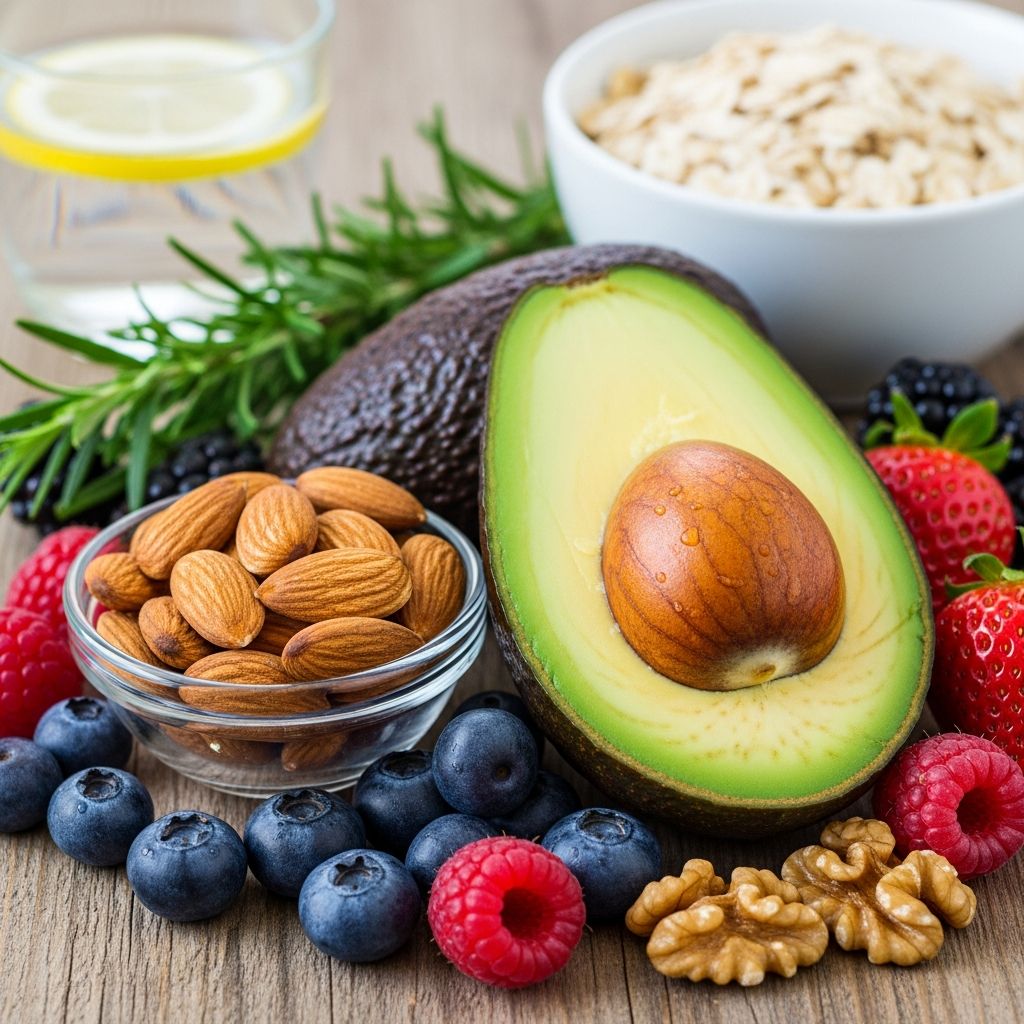
One of the most effective dietary strategies for lowering cholesterol is increasing your consumption of soluble fiber. This type of fiber binds to cholesterol particles in your digestive system, helping to eliminate them from your body before they enter your bloodstream. Foods rich in soluble fiber include oatmeal, barley, beans, lentils, apples, pears, and citrus fruits. Aim to incorporate at least 5 to 10 grams of soluble fiber into your daily diet. Starting with smaller amounts and gradually increasing your intake allows your digestive system to adjust, minimizing potential discomfort such as bloating or gas.
Choose Healthy Fats Over Saturated Fats
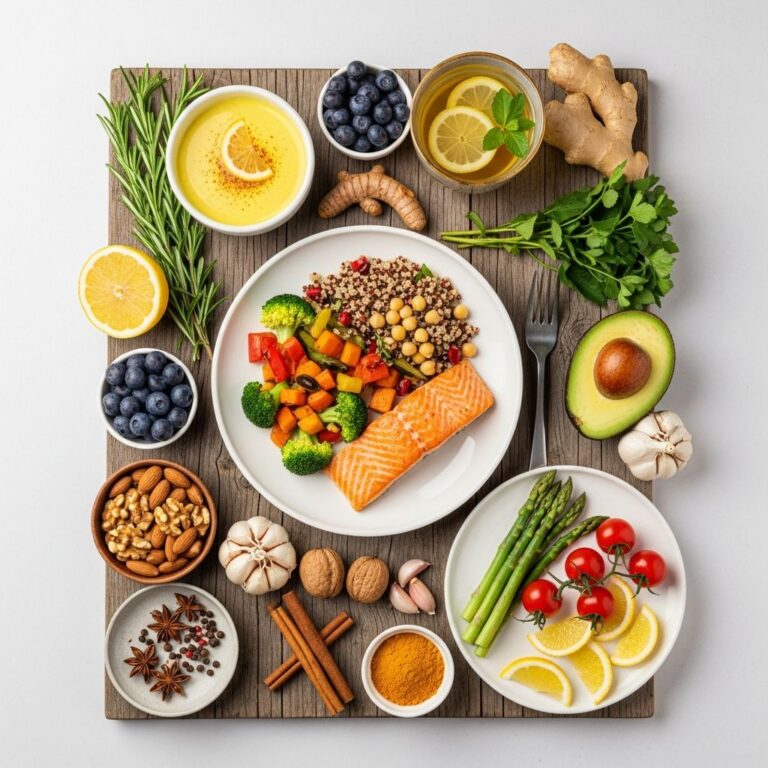
The type of fat you consume significantly impacts your cholesterol levels. Saturated fats, commonly found in red meat, full-fat dairy products, and processed foods, tend to raise LDL cholesterol. Conversely, unsaturated fats, particularly those found in olive oil, avocados, nuts, seeds, and fatty fish, can help lower LDL while maintaining or even raising beneficial HDL cholesterol. The Mediterranean diet, which emphasizes olive oil, fish, whole grains, and plant-based foods, has demonstrated remarkable effectiveness in reducing cholesterol and improving overall heart health. Limiting saturated fat to less than 7% of your daily caloric intake and eliminating trans fats entirely should be a primary dietary goal.
Incorporate Plant Sterols and Stanols
Plant sterols and stanols are naturally occurring compounds found in plants that structurally resemble cholesterol. When consumed regularly, these substances can block the absorption of dietary cholesterol in your intestines, potentially lowering LDL cholesterol by 5 to 15 percent. Common sources include fortified plant-based milk alternatives, margarine spreads, yogurt, and breakfast cereals. Aim for approximately 2 grams of plant sterols daily to achieve optimal cholesterol-lowering benefits.
Consume Omega-3 Rich Foods
Fatty fish such as salmon, mackerel, sardines, and trout are excellent sources of omega-3 fatty acids, which have been shown to reduce triglycerides and lower heart disease risk. If you’re not a fish consumer, consider plant-based omega-3 sources like flaxseeds, chia seeds, and walnuts. Consuming fish at least twice weekly or incorporating these alternative sources into your diet can provide significant cardiovascular benefits.
Related Stories



Weight Management and Physical Activity
Achieving and Maintaining a Healthy Weight
Excess weight, particularly abdominal fat, is associated with higher LDL cholesterol and lower HDL cholesterol levels. Losing just 5 to 10 percent of your body weight can lead to meaningful improvements in your cholesterol profile. A sustainable approach combining dietary modifications with regular physical activity proves most effective for long-term weight management and cholesterol reduction.
Regular Exercise Benefits
Physical activity is one of the most powerful tools for raising HDL cholesterol and improving your overall lipid profile. Aerobic exercises such as brisk walking, jogging, cycling, and swimming are particularly beneficial. The American Heart Association recommends at least 150 minutes of moderate-intensity aerobic activity per week or 75 minutes of vigorous-intensity activity. Additionally, resistance training two to three times weekly helps build muscle mass, which boosts metabolism and contributes to weight management. Starting gradually and building up intensity over time allows your body to adapt safely while reducing injury risk.
Lifestyle Factors Affecting Cholesterol
Smoking Cessation
Smoking damages blood vessel walls and significantly lowers HDL cholesterol while increasing LDL cholesterol levels. Quitting smoking can raise HDL cholesterol by up to 10 percent within just a few months. Beyond cholesterol improvement, smoking cessation dramatically reduces your overall cardiovascular disease risk and improves numerous other health markers. Numerous evidence-based cessation programs and medications can support your quit attempt.
Stress Management
Chronic stress elevates cortisol and other hormones that can negatively impact cholesterol levels and increase cardiovascular disease risk. Implementing stress-reduction techniques such as meditation, deep breathing exercises, yoga, tai chi, or engaging in enjoyable hobbies can improve both your emotional well-being and your cholesterol profile. Even 10 to 15 minutes of daily mindfulness practice can produce measurable improvements in stress levels and cardiovascular health markers.
Quality Sleep
Sleep deprivation and poor sleep quality are associated with elevated cholesterol levels and increased cardiovascular disease risk. Adults should aim for 7 to 9 hours of quality sleep nightly. Maintaining consistent sleep and wake times, creating a dark and cool sleep environment, and limiting screen time before bed can significantly improve sleep quality. Better sleep contributes to improved metabolic function and cholesterol regulation.
Specific Foods to Include and Avoid
| Foods to Include | Foods to Limit or Avoid |
|---|---|
| Fatty fish (salmon, mackerel) | Red meat and processed meats |
| Oats and whole grains | Refined carbohydrates and white bread |
| Nuts and seeds | Trans fats and fried foods |
| Beans and legumes | Full-fat dairy products |
| Olive oil and avocados | Sugary beverages and desserts |
| Fruits and vegetables | Processed snacks and packaged foods |
Monitoring and Measuring Progress
Regular cholesterol screening is essential for tracking your progress and identifying when interventions may need adjustment. Have your cholesterol levels checked every four to six weeks when implementing significant lifestyle changes. Keep a food and activity journal to identify patterns between your behaviors and cholesterol levels. Working with a healthcare provider or registered dietitian can provide personalized guidance and help you maintain motivation as you work toward your cholesterol reduction goals.
Timeline for Results
While some improvements in cholesterol levels can occur within weeks of implementing lifestyle changes, more substantial reductions typically require consistent effort over several months. Many people see meaningful improvements in their lipid panel within 8 to 12 weeks of adopting comprehensive lifestyle modifications. However, individual responses vary significantly based on genetics, age, baseline cholesterol levels, and adherence to recommended changes. Patience and persistence are essential, as sustainable long-term improvements result from maintaining these lifestyle modifications consistently.
Frequently Asked Questions
Q: How quickly can I lower my cholesterol without medication?
A: Some improvements may occur within 2-4 weeks, but significant reductions typically take 8-12 weeks of consistent lifestyle modifications. Individual timelines vary based on genetics and starting cholesterol levels.
Q: Can diet alone lower cholesterol significantly?
A: For many people, dietary changes combined with exercise and weight loss can lower cholesterol by 20-30 percent. However, genetics play a role, and some individuals may eventually need medication.
Q: What is the best exercise for lowering cholesterol?
A: Aerobic exercises like brisk walking, jogging, and cycling are most effective for raising HDL cholesterol. Aim for at least 150 minutes of moderate-intensity activity weekly.
Q: Are all fats bad for cholesterol?
A: No. Unsaturated fats from sources like olive oil, avocados, and nuts are actually beneficial and can help lower LDL cholesterol while raising HDL cholesterol.
Q: How does weight loss affect cholesterol levels?
A: Losing even 5-10 percent of body weight can significantly improve cholesterol levels by lowering LDL and triglycerides while raising HDL cholesterol.
Q: Can smoking cessation really improve my cholesterol?
A: Yes, quitting smoking can increase HDL cholesterol by up to 10 percent within a few months and significantly reduces overall cardiovascular disease risk.
Q: Should I see a doctor before making these lifestyle changes?
A: It’s advisable to consult with your healthcare provider before implementing major dietary or exercise changes, especially if you have existing health conditions or take medications.
Q: Are supplements effective for lowering cholesterol naturally?
A: While some supplements like plant sterols show promise, lifestyle modifications remain the most effective natural approach. Always consult your doctor before taking supplements.
Conclusion
Lowering your cholesterol without medication is achievable through comprehensive lifestyle modifications encompassing dietary improvements, regular physical activity, weight management, stress reduction, and behavioral changes. By focusing on increasing soluble fiber, choosing healthy fats, incorporating heart-healthy foods, engaging in consistent exercise, and managing other lifestyle factors such as sleep and stress, you can significantly improve your cholesterol profile and reduce your cardiovascular disease risk. While individual responses to these interventions vary, maintaining consistency and patience with your efforts typically yields meaningful results within 8 to 12 weeks. For personalized guidance tailored to your specific health circumstances, work closely with your healthcare provider or a registered dietitian to develop a comprehensive cholesterol management plan that aligns with your goals and lifestyle preferences.
References
- Cholesterol Management — Harvard Health Publishing. 2024-11-15. https://www.health.harvard.edu/heart-health/cholesterol-management
- American Heart Association Dietary Recommendations for Cholesterol Management — American Heart Association. 2024-06-20. https://www.heart.org/en/healthy-living/healthy-eating/eat-smart/cholesterol
- Therapeutic Lifestyle Changes (TLC) Diet — National Institutes of Health. 2023-03-10. https://www.nhlbi.nih.gov/heart-health/heart-healthy-living
- Physical Activity and Cardiovascular Health — CDC Heart Disease and Stroke Prevention. 2024-08-05. https://www.cdc.gov/heartdisease/physical_activity.htm
- Plant Sterols and Cardiovascular Health — American Journal of Clinical Nutrition. 2023-09-12. https://academic.oup.com/ajcn
- Omega-3 Fatty Acids and Heart Health — Mayo Clinic Cardiovascular Center. 2024-07-18. https://www.mayoclinic.org/diseases-conditions/heart-disease/expert-answers/omega-3/faq-20058143
Similar Articles








Read full bio of Sneha Tete