Lower Right Back Pain: Causes, Treatments, And Prevention
Understanding lower right back pain: causes, symptoms, and effective treatment options.
Understanding Lower Right Back Pain
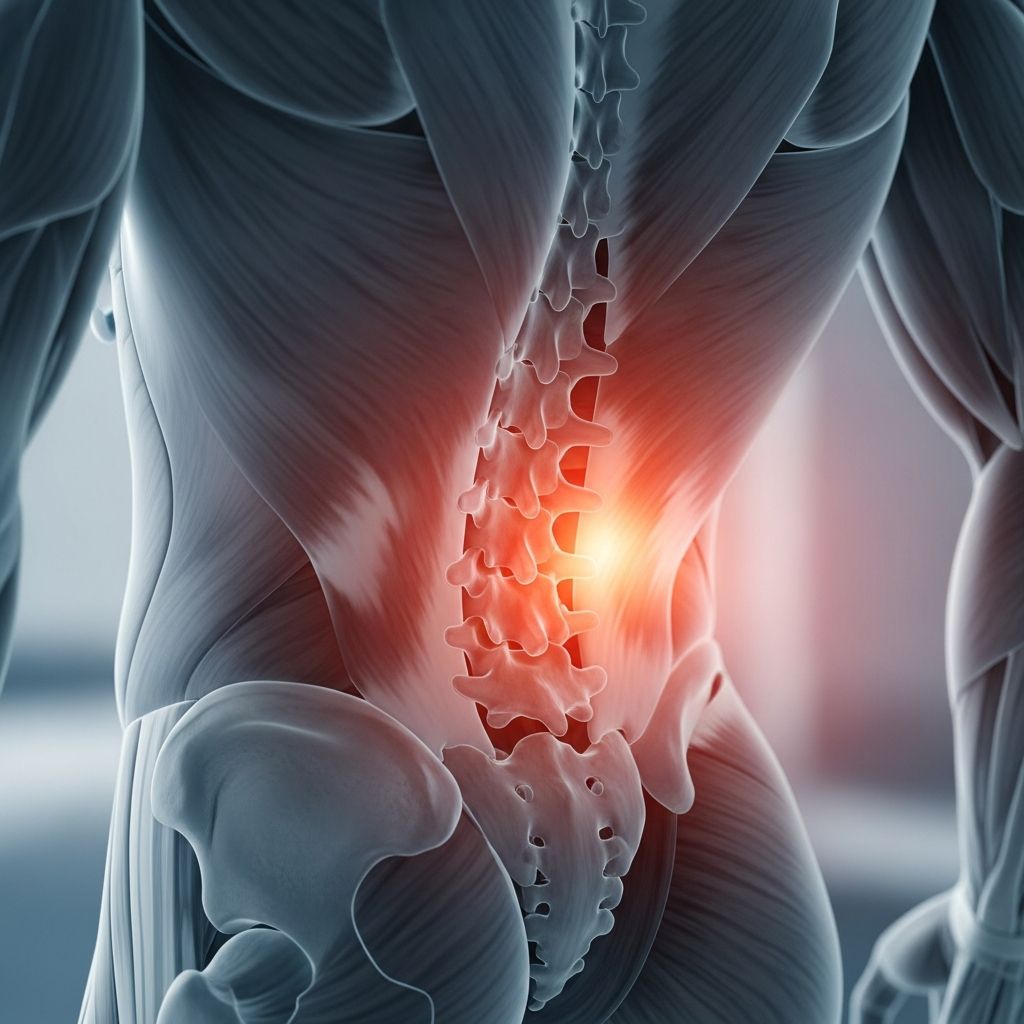
Pain in the lower right section of your back can significantly impact your daily life and overall well-being. This type of discomfort can stem from various sources, including problems with your spine, soft tissues of your back, and underlying organ conditions. What makes lower right back pain particularly challenging is that pain can radiate from your organs to your back. For example, if you have an issue with your appendix, you might feel the pain in your back rather than at the site of the actual problem. This referred pain pattern occurs because the nerves connected to your organs are also connected to the nerves attached to the ligaments and tissues in your back.
Around 80% of people in the United States experience some form of back pain at some point in their lives, making it one of the most common health complaints. However, the specific prevalence of lower right back pain is less clearly documented. Regardless of how common it is, lower right back pain should be reported to a healthcare provider promptly to ensure proper diagnosis and treatment.
How Pain Radiates Through Your Body
Understanding how pain radiates is crucial to comprehending why lower right back pain can result from various conditions. Pain radiation, also known as referred pain, occurs when discomfort originates in one location but is felt in another. The interconnected nature of your nervous system means that signals from injured or inflamed organs can travel along nerve pathways that also serve your back muscles, ligaments, and tissues.
For instance, the nerves associated with your kidneys are directly connected to the nerves that attach to the ligaments and tissues in your lower back. If your kidneys are experiencing problems, you might feel pain in the lower right section of your back even though the actual issue is with your kidneys. This phenomenon explains why some lower right back pain cases require investigation into organ health rather than just musculoskeletal evaluation.
Causes of Lower Right Back Pain
Lower right back pain causes can be organized into two main categories: mechanical problems and underlying conditions.
Mechanical Problems
Mechanical problems involve the bones and tissues that make up your back structure. These include:
– Ligament injuries or strains- Spine misalignment or disk issues- Tendon injuries- Muscle strains or tears- Joint dysfunction- Vertebral fractures
Mechanical pain typically develops from physical stress, poor posture, sudden movements, or repetitive motions that strain your back structures.
Underlying Organ Conditions
Lower right back pain can also result from disorders affecting your organs, which then radiate pain to your back. These conditions may include kidney problems, urinary tract infections, appendicitis, liver issues, and gynecological concerns in women such as endometriosis.
Lower Right Back Pain During Pregnancy
Pregnancy is a common cause of lower right back pain in women. Yes, lower back pain—whether on the left or the right side—is very common during pregnancy. As your body changes to accommodate a growing baby, additional stress is placed on your lower back. Hormonal changes that relax ligaments, combined with the weight of the pregnancy and postural shifts, contribute to back pain. Many pregnant individuals find relief through prenatal physical therapy, properly designed maternity support belts, and modified exercise routines approved by their healthcare provider.
When to Seek Medical Attention
While some cases of lower right back pain resolve with rest and self-care, certain situations warrant immediate medical evaluation. You should contact a healthcare provider quickly if you experience lower right back pain, especially if it persists or worsens. Seek immediate care if your pain:
Related Stories



– Follows a traumatic accident or fall- Involves severe, unrelenting pain- Radiates down your leg with numbness or tingling- Accompanies loss of bladder or bowel control- Is accompanied by fever, indicating possible infection- Develops suddenly without an obvious cause
Remember that lower right back pain can range from minor issues like a sprain that heals with time and ice packs to serious conditions like spinal tumors. Only a proper medical evaluation can determine the true cause of your pain.
Treatment Options for Lower Right Back Pain
Physical Therapy and Strengthening Exercises
Physical therapy and strengthening exercises are foundational treatment approaches for many cases of lower right back pain. Physical therapy specialists design specific exercise programs tailored to relieve your pain and address the underlying cause. These personalized programs typically include exercises you perform with therapists during sessions and at-home routines you can do independently. Research demonstrates that therapeutic approaches like virtual yoga programs can be feasible, safe, and effective for chronic low back pain management, offering accessible alternatives to in-person therapy.
Conservative Treatment Approaches
For many cases of lower right back pain, conservative treatments are the first line of intervention. These may include:
– Rest and activity modification- Ice or heat therapy- Over-the-counter pain medications- Nonsteroidal anti-inflammatory drugs (NSAIDs)- Prescription medications for pain management and inflammation reduction
The pain often improves with rest, physical therapy, and medication, particularly when the underlying cause is a musculoskeletal strain or injury.
Professional Interventional Treatments
When conservative treatments don’t provide adequate relief, healthcare providers may recommend more advanced interventions. These include trigger point injections to loosen muscle knots and epidural injections to relieve pain. Nonsurgical spinal decompression therapy may also be used to stretch and align the muscles and bones of your spine.
Surgical Options
Surgery becomes a consideration when lower right back pain causes loss of function or persistent pain that radiates into your hips or legs despite conservative treatment attempts. Modern spine surgeons employ minimally invasive techniques that provide relief with faster recovery compared to traditional open surgery approaches. Surgical interventions may be performed to address specific structural problems that cause pain and dysfunction.
Behavioral and Mind-Body Strategies
Comprehensive pain management recognizes that chronic lower right back pain involves both physical and psychological components. Healthcare providers teach mind-body strategies to help manage chronic pain effectively. These approaches include mindfulness techniques like meditation to manage your response to pain and decrease its impact on daily activities and sleep quality.
For chronic lower right back pain that hasn’t responded to conservative treatments or physical therapy, comprehensive pain recovery programs offer integrated approaches that empower you to manage pain effectively. Cleveland Clinic’s Back on TREK (Transform Restore Empower Knowledge) program exemplifies this approach—a 10-week program providing specialized interventions for persistent back pain.
Treatment Timeline and Recovery Expectations
The timeline for recovery from lower right back pain varies significantly depending on the underlying cause. If your pain is caused by a urinary tract infection, it may resolve after a seven to ten-day course of antibiotics. However, if your pain results from chronic conditions like endometriosis, the timeline differs substantially since these are lifelong conditions requiring ongoing management.
When you discuss your symptoms with a healthcare provider, ask about the expected treatment timeline specific to your condition. Understanding realistic recovery expectations helps you plan appropriately and maintain motivation during treatment.
The Importance of Professional Diagnosis
Your primary healthcare provider can address most causes of lower right back pain. However, if needed, they can refer you to specialists including orthopedic surgeons, neurologists, physical therapists, or pain management specialists. Accurate diagnosis is crucial because untreated conditions affecting your organs—such as kidney or liver problems—could result in permanent damage if left unaddressed.
Healthcare providers typically begin with a physical examination, assessing your posture and range of motion to gather information about possible causes. This clinical evaluation, combined with imaging and other diagnostic procedures when appropriate, helps providers develop an accurate diagnosis and appropriate treatment plan.
Prevention Strategies
While not all causes of lower right back pain are preventable, you can take steps to avoid injuries that commonly cause this discomfort:
– Maintain proper posture during daily activities- Use correct lifting techniques when carrying heavy objects- Take regular breaks during prolonged sitting- Engage in regular strengthening and flexibility exercises- Maintain a healthy weight to reduce spine stress- Use ergonomic furniture and workspace arrangements- Wear supportive footwear- Avoid repetitive motions that strain your back
Personalized Treatment Approaches
Each person experiences pain differently, and what works for one individual may not work for another. Healthcare experts at specialized centers recognize this reality and get to know you personally to understand how your pain affects your life. They then build a customized care plan specifically designed for your needs.
Comprehensive back pain treatment involves multidisciplinary teams including neurologists, surgeons, physical and occupational therapists, pain specialists, and psychologists. These specialists work collaboratively to get to the bottom of what’s causing your pain and recommend treatments addressing all aspects of your specific situation.
Managing Lower Right Back Pain at Home
While professional treatment is important, home management strategies complement medical care. Your healthcare provider teaches you exercises and coping strategies you can use at home and at work to manage pain effectively. Developing consistent routines for home exercises, maintaining proper posture, using supportive pillows, and applying heat or ice therapy as appropriate all contribute to pain reduction and recovery.
Frequently Asked Questions
Q: How common is lower right back pain?
A: While approximately 80% of people experience some back pain in their lifetime, the specific prevalence of lower right back pain is less documented. However, it’s a significant health concern affecting many individuals.
Q: Can lower right back pain be caused by organ problems?
A: Yes, lower right back pain can result from organ conditions such as kidney problems, urinary tract infections, appendicitis, or liver issues. Pain from these organs radiates to your back because of interconnected nerve pathways.
Q: Is lower right back pain common during pregnancy?
A: Yes, lower back pain on either side is very common during pregnancy due to weight gain, hormonal changes, and postural adjustments. Many pregnant individuals find relief through prenatal physical therapy and supportive measures.
Q: When should I see a doctor for lower right back pain?
A: You should report lower right back pain to your healthcare provider promptly, especially if it’s severe, persistent, follows an injury, or is accompanied by other symptoms like fever or numbness.
Q: What is the first treatment for lower right back pain?
A: Conservative treatments are typically the first approach, including rest, physical therapy, strengthening exercises, and over-the-counter pain medications. Your healthcare provider will recommend the best approach based on your specific condition.
Q: How long does it take to recover from lower right back pain?
A: Recovery timelines vary depending on the underlying cause. Some conditions resolve in days to weeks, while chronic conditions require ongoing management. Your healthcare provider can give you realistic expectations for your specific situation.
References
- Low Back Pain Treatment — Cleveland Clinic. Accessed 2025-12-01. https://my.clevelandclinic.org/services/low-back-pain-treatment
- Lower Right Back Pain: Causes & Pain Relief — Cleveland Clinic. 2022-04-26. https://my.clevelandclinic.org/health/diseases/22864-lower-right-back-pain
- Lower Back Pain: Causes, Symptoms & Treatment — Cleveland Clinic. Accessed 2025-12-01. https://my.clevelandclinic.org/health/diseases/7936-lower-back-pain
- Effectiveness of Virtual Yoga for Chronic Low Back Pain — JAMA Network Open. 2024. https://jamanetwork.com/journals/jamanetworkopen/fullarticle/2825746
Similar Articles








Read full bio of medha deb