Lower Urinary Tract Symptoms in Women: LUTS
Comprehensive guide to understanding, diagnosing, and managing lower urinary tract symptoms in women.
Lower Urinary Tract Symptoms in Women
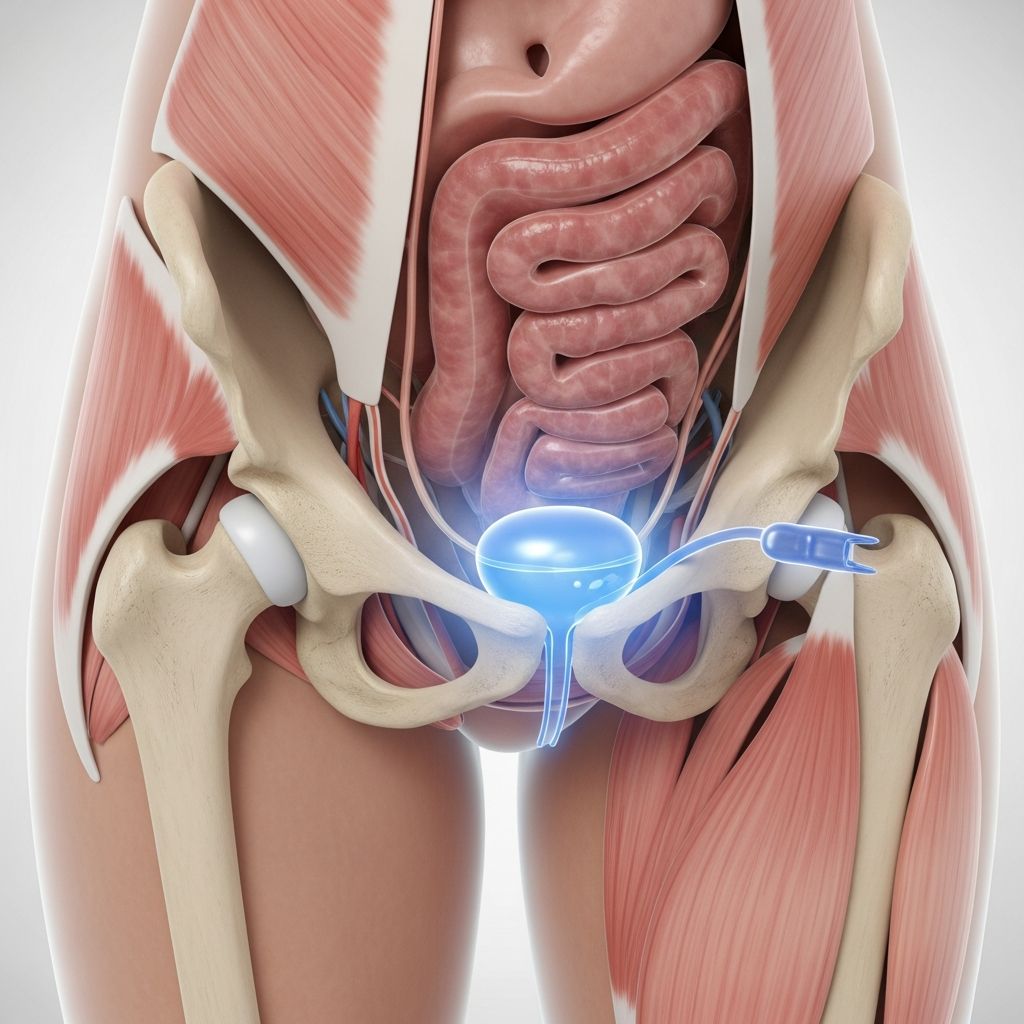
Lower urinary tract symptoms (LUTS) are common and bothersome conditions affecting a significant proportion of women across all age groups. These symptoms encompass a spectrum of bladder-related issues that impact quality of life and often go untreated despite their prevalence and burden on patients. Understanding LUTS is crucial for both patients and healthcare providers to ensure appropriate diagnosis and management.
What Are Lower Urinary Tract Symptoms?
Lower urinary tract symptoms refer to a group of symptoms related to bladder storage, voiding, and post-micturition functions. These symptoms can significantly affect daily activities, sleep patterns, and overall well-being. LUTS are characterized by various manifestations depending on which aspect of bladder function is compromised.
The symptoms are broadly categorized into three main types based on when they occur in the micturition cycle. Understanding these categories helps healthcare providers identify the underlying causes and develop appropriate treatment strategies. Women commonly experience multiple types of symptoms simultaneously, creating complex clinical presentations that require comprehensive evaluation.
Types of Lower Urinary Tract Symptoms
Storage Symptoms
Storage symptoms are the most common type of LUTS in women, affecting up to 73% of women according to recent studies. These symptoms occur during the bladder filling phase and include:
- Urinary frequency: Needing to pass urine more than eight times in 24 hours or more than twice at night
- Urinary urgency: A sudden, compelling desire to void that is difficult to defer
- Nocturia: Waking at night one or more times to pass urine
- Dysuria: Pain or burning sensation when urinating
- Stress incontinence: Involuntary leakage during physical activity, coughing, or sneezing
- Urge incontinence: Uncontrolled leakage accompanied by an urgent need to void
Storage symptoms represent the most prevalent category in women, with studies indicating that approximately 59.2% of women experience storage-related symptoms. These symptoms can severely disrupt daily life, affecting work productivity, social engagement, and sleep quality.
Voiding or Emptying Symptoms
Voiding symptoms occur during the bladder emptying phase. While less common in women than in men, approximately 52% of women report some degree of voiding dysfunction. These symptoms include:
- Hesitancy: Difficulty initiating urination or requiring straining to start the urine stream
- Weak or poor stream: Reduced force or caliber of the urine flow
- Intermittent stream: Interruption of urine flow during voiding
- Terminal dribbling: Dribbling of urine at the end of micturition
- Feeling of incomplete emptying: Sensation that the bladder has not been completely emptied
- Overflow incontinence: Leakage due to chronic urinary retention
Voiding symptoms in women may indicate underlying conditions such as urethral stricture, pelvic masses, or detrusor muscle weakness. Age-related changes and obstruction are common contributing factors in older women.
Related Stories



Post-Micturition Symptoms
Post-micturition symptoms occur after voiding is complete. These include post-micturition dribble and the sensation of incomplete bladder emptying. Approximately 14.2% of women experience post-micturition symptoms. While often less bothersome than storage symptoms, these symptoms can still impact quality of life and warrant investigation.
Lower Urinary Tract Pain
Lower urinary tract pain, including pain with bladder filling, represents another category of LUTS affecting approximately 11% of women. This pain may be associated with conditions such as interstitial cystitis or bladder inflammation and requires careful evaluation to determine the underlying cause.
Prevalence and Epidemiology
Lower urinary tract symptoms are remarkably common in the female population. Overall LUTS prevalence reaches approximately 79% when considering any combination of symptoms. Breaking down by symptom severity:
- 43% of women report mild to moderate symptoms
- 37% experience moderate to severe symptoms
- 38% report symptoms that cause bother affecting quality of life
- Only 7.1% of affected women receive treatment despite the high prevalence
The prevalence of LUTS increases with advancing age, higher body mass index (BMI), increased vaginal parity, and the presence of comorbid conditions. Individual storage symptoms affect 24% to 44% of women, while voiding symptoms affect 14% to 38%, demonstrating the substantial burden of these conditions.
Common Causes of LUTS in Women
Urinary Tract Infection
Urinary tract infection (UTI) represents the most common cause of storage symptoms across all age groups in women. Cystitis, or bladder infection, causes inflammation that leads to symptoms such as dysuria, frequency, and urgency. Recurrent infections may result in chronic or persistent LUTS requiring long-term management strategies.
Overactive Bladder Syndrome
Overactive bladder (OAB) is characterized by idiopathic detrusor muscle overactivity, causing urgency and frequency symptoms. The prevalence of OAB ranges from 7.7% to 31.3% and increases substantially with age. This condition represents one of the most common causes of bothersome storage symptoms in women and responds well to behavioral and pharmacological interventions.
Stress Urinary Incontinence
Stress urinary incontinence occurs due to inadequate support of the urethra and sphincter complex, often resulting from childbirth and pelvic floor dysfunction. This condition affects a significant portion of women and frequently co-occurs with other LUTS.
Pregnancy
Pregnancy frequently causes temporary storage symptoms due to hormonal changes, increased bladder pressure from the enlarging uterus, and changes in detrusor muscle function. Most symptoms resolve postpartum, though some women may experience persistent LUTS.
Postmenopausal Urogenital Atrophy
Loss of estrogen following menopause causes atrophic changes in urogenital tissues, leading to symptoms such as dysuria, urgency, and frequency. Hormone replacement therapy or local estrogen treatments may improve these symptoms in some women.
Genital Prolapse and Pelvic Mass
Pelvic organ prolapse or space-occupying masses can obstruct normal bladder emptying or compress bladder tissue, resulting in both storage and voiding symptoms. These structural abnormalities require evaluation through physical examination and imaging when indicated.
Neurological Conditions
Neurological diseases such as multiple sclerosis can affect bladder function by disrupting normal neural control mechanisms. Progressive neurological conditions may result in complex LUTS patterns requiring specialized management.
Anxiety and Psychological Factors
Psychological stress and anxiety can significantly exacerbate storage symptoms, with anxiety triggering urgency and frequency. Additionally, increased urinary incontinence severity is associated with depression, anxiety, and psychological stress in women.
Impact on Quality of Life
Beyond physical symptoms, LUTS profoundly impact multiple dimensions of quality of life. Women with LUTS often experience disrupted sleep due to nocturia, limiting their daytime functioning and productivity. The social impact includes avoidance of public activities, altered social interactions, and potential embarrassment related to incontinence.
Sexual function is significantly compromised in women with LUTS. Women with mixed urinary incontinence experience worse sexual function compared to those with stress or urge incontinence alone. Additionally, women with LUTS report higher rates of constipation, diarrhea, fecal incontinence, and pelvic organ prolapse symptoms.
The psychological burden is substantial, with mood disorders and anxiety being significantly more prevalent in women with bothersome LUTS. This bidirectional relationship between LUTS and mental health requires integrated treatment approaches addressing both urological and psychological components.
Diagnosis and Evaluation
Proper diagnosis of LUTS begins with a comprehensive history documenting symptom onset, duration, severity, and impact on daily life. A detailed voiding diary capturing fluid intake, voiding frequency, urgency episodes, and incontinence events provides objective data regarding symptom patterns.
Physical examination includes assessment of pelvic floor function, identification of pelvic masses or prolapse, and evaluation for signs of urogenital atrophy. Urinalysis helps exclude UTI as the underlying cause, while postvoid residual measurement by ultrasound or catheterization assesses bladder emptying adequacy.
Advanced diagnostic testing such as urodynamic studies may be indicated in complex cases with mixed symptoms or when planning surgical intervention. These tests measure bladder pressure, flow rates, and sphincter function, providing detailed information about underlying dysfunction.
Treatment Options
Behavioral Interventions
First-line treatment for most LUTS involves behavioral modifications including pelvic floor muscle training, fluid management, bladder retraining, and lifestyle modifications. Pelvic floor physical therapy has strong evidence supporting its effectiveness for stress and urge incontinence.
Pharmacological Treatment
Medications targeting overactive bladder symptoms include anticholinergics and beta-3 agonists that reduce detrusor overactivity. Topical or systemic hormone replacement may benefit postmenopausal women experiencing urogenital atrophy-related symptoms.
Surgical Interventions
Surgical procedures address structural abnormalities or failed conservative management. Mid-urethral slings effectively treat stress incontinence, while vaginal pessaries support prolapse-related symptoms. Botulinum toxin injections into the detrusor muscle provide relief for refractory overactive bladder.
Frequently Asked Questions
Q: How common are lower urinary tract symptoms in women?
A: Approximately 79% of women experience some lower urinary tract symptoms at some point in their lives, with 73% reporting storage symptoms. However, only about 7% of affected women receive treatment despite the high prevalence and significant impact on quality of life.
Q: What is the difference between stress incontinence and urge incontinence?
A: Stress incontinence involves involuntary urine leakage during physical activities, coughing, or sneezing due to inadequate sphincter support. Urge incontinence involves sudden leakage accompanied by an overwhelming need to void, caused by involuntary bladder muscle contractions.
Q: Can pregnancy cause long-term lower urinary tract symptoms?
A: While pregnancy commonly causes temporary LUTS due to hormonal changes and increased bladder pressure, most symptoms resolve after delivery. However, childbirth-related pelvic floor injury can result in persistent stress incontinence requiring treatment.
Q: How does age affect lower urinary tract symptoms?
A: LUTS prevalence and severity increase significantly with advancing age due to hormonal changes, reduced pelvic floor support, age-related detrusor weakness, and increased comorbidities. Postmenopausal women particularly experience increased symptoms related to urogenital atrophy.
Q: Should I be concerned if I have lower urinary tract symptoms?
A: While LUTS are very common, persistent symptoms warrant evaluation by a healthcare provider to exclude treatable causes such as UTI and to explore available treatment options that can significantly improve symptoms and quality of life.
Q: What role does pelvic floor dysfunction play in lower urinary tract symptoms?
A: Pelvic floor dysfunction contributes to multiple LUTS including stress incontinence, urgency, and sensation of incomplete emptying. Strengthening the pelvic floor through targeted exercises is an effective first-line treatment for many women with LUTS.
Q: Are there non-surgical treatment options for overactive bladder?
A: Yes, non-surgical options include behavioral modifications, pelvic floor training, bladder retraining, fluid management adjustments, and medications such as anticholinergics and beta-3 agonists that have strong evidence for symptom improvement.
References
- Lower Urinary Tract Symptoms in US Women — American Urological Association Journals. 2024. https://www.auajournals.org/doi/10.1097/JU.0000000000004009
- Lower Urinary Tract Symptoms in Women — Patient.info. 2024. https://patient.info/doctor/history-examination/lower-urinary-tract-symptoms-in-women-pro
- Lower Urinary Tract Symptoms: Advances in Women’s Urologic Care — National Institutes of Health, National Center for Biotechnology Information. 2020. https://pmc.ncbi.nlm.nih.gov/articles/PMC7575611/
Similar Articles








Read full bio of medha deb