Lowest Calorie Alcoholic Drinks for Weight Loss
Discover the best low-calorie alcoholic drinks to enjoy while managing your weight and health goals.
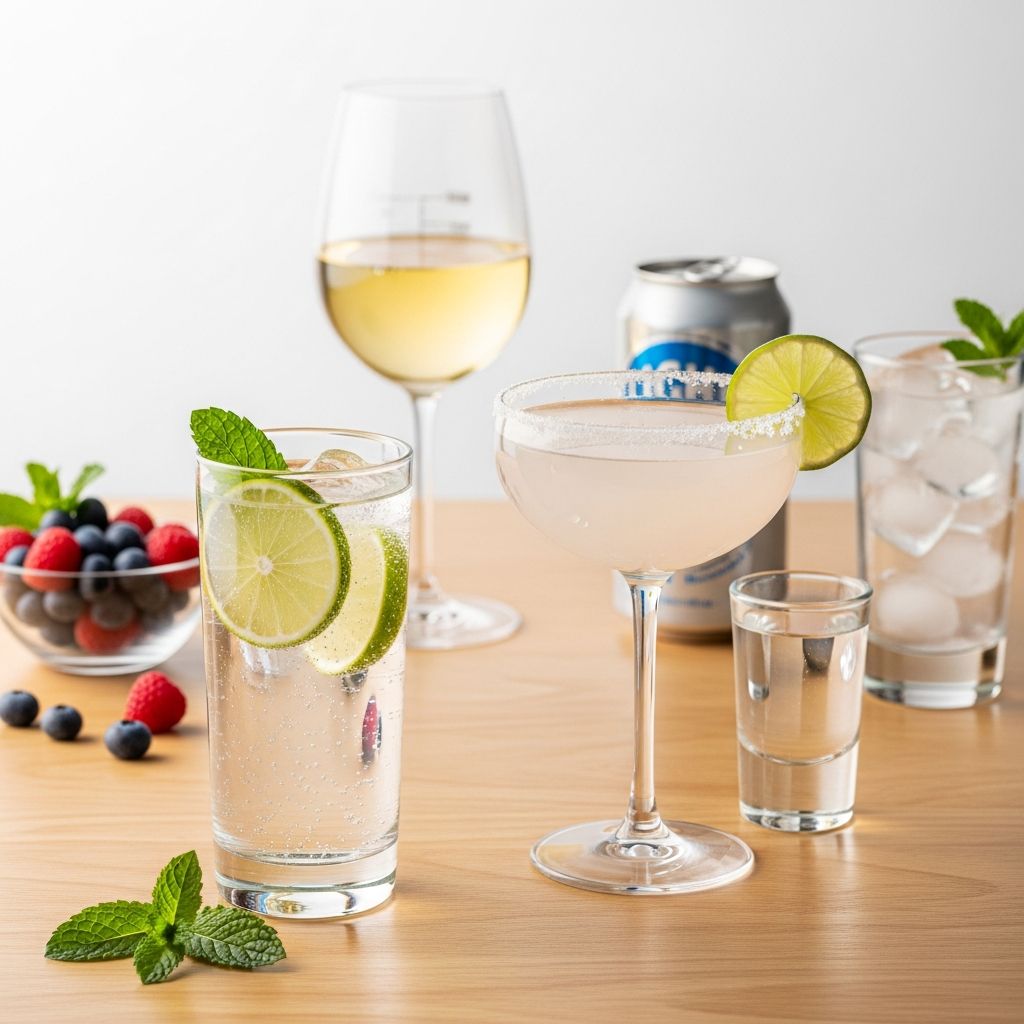
Managing your calorie intake doesn’t mean you have to give up alcoholic beverages entirely. Whether you’re working toward weight loss goals or simply want to be more mindful of your consumption, numerous low-calorie alcoholic options exist that allow you to enjoy a drink without derailing your health objectives. Understanding which beverages contain fewer calories and how to prepare them can help you make informed choices when socializing or relaxing at home.
The key to enjoying alcohol while maintaining a calorie-conscious lifestyle is knowing which drinks offer the best calorie-to-alcohol ratio and how to customize them for optimal health benefits. Many popular cocktails and beverages can be modified to reduce their caloric content significantly.
Understanding Alcohol Calories
Before exploring specific low-calorie drink options, it’s important to understand how calories in alcoholic beverages are calculated. Alcohol itself contains seven calories per gram, which is nearly as calorie-dense as fat at nine calories per gram. However, the total calorie count of any alcoholic drink depends not just on the alcohol content but also on mixers, added sugars, and other ingredients used in preparation.
Pure spirits like vodka, tequila, gin, and rum contain similar calorie amounts per ounce when measured at standard proof levels. Vodka contains approximately 64 calories per ounce with zero carbohydrates, while tequila has about 69 calories per ounce, gin contains 74 calories per ounce, and rum contains 97 calories per ounce. The significant difference in total drink calories typically comes from what you mix the spirit with, not the spirit itself.
The 9 Lowest Calorie Alcoholic Drinks
1. Vodka Soda
The vodka soda stands as one of the absolute lowest-calorie mixed drinks you can order, containing just 133 calories in a standard one-drink serving of 255 milliliters. This classic combination pairs vodka with unflavored club soda, keeping added sugars and calories to a minimum. The beauty of a vodka soda lies in its simplicity and versatility. You can easily customize the drink by adding fresh garnishes like cucumber slices or mint leaves for additional flavor without significantly increasing calorie content. A squeeze of fresh lemon or lime juice provides citrus notes that enhance the drink’s appeal. For those seeking variety, you can experiment with different types of sparkling water or flavored seltzer waters as alternatives to traditional club soda, creating a more interesting drinking experience while maintaining low calorie counts.
2. White Wine
White wine represents an excellent option for those looking to enjoy wine while keeping calories in check. A standard five-ounce glass of white wine contains approximately 148 calories, making it one of the more moderate calorie choices among alcoholic beverages. The appeal of white wine extends beyond its calorie content; the variety of available options ensures you can find a style you genuinely enjoy. From crisp Sauvignon Blanc to rich Chardonnay and sweet Riesling varieties, white wine offers diverse flavor profiles to suit different preferences. To further reduce calories or add interest to your glass, consider creating a wine spritzer by mixing white wine with sparkling water or club soda, which dilutes the calorie content while creating a refreshing, lower-alcohol alternative. Fresh fruit additions like berries can complement the wine’s natural flavors without adding significant calories.
3. Hard Seltzer
Hard seltzer has emerged as a refreshing alternative to traditional cocktails, beers, and mixed drinks, offering significantly lower calorie counts than many conventional options. Hard seltzer combines seltzer water with fermented cane sugar alcohol and is typically available in numerous fruity flavors. A 12-ounce serving of mango hard seltzer contains just 99 calories, making it one of the lightest alcoholic beverages available. The exact calorie content varies depending on the specific brand and flavor you choose, with some varieties containing slightly fewer or more calories. Hard seltzer has gained popularity among health-conscious drinkers because it provides the enjoyment of an alcoholic beverage with minimal caloric impact and typically contains no added sugars compared to sugary cocktails and mixed drinks.
Related Stories



4. Tequila with Lime
Tequila with lime represents one of the easiest and most straightforward low-calorie drinks you can prepare or order. A standard shot of tequila, measuring 42 milliliters, combined with a lime wedge contains only 99 calories total, making it remarkably light. If consuming tequila as a straight shot doesn’t appeal to your palate, you have several options to enhance the experience while maintaining its low-calorie profile. Mixing tequila with club soda creates a simple, refreshing drink without adding significant calories. Alternatively, you can add fresh mint leaves, which provide flavor without caloric impact, or mix with coconut water for a tropical variation. These modifications transform a simple shot into a more sophisticated cocktail experience while keeping total calories minimal.
5. Light Beer
For beer enthusiasts seeking to reduce calorie intake, light beer offers a practical solution. Light beer typically contains fewer calories and lower alcohol content compared to regular beer varieties. A standard 12-ounce can of light beer generally contains approximately 104 calories, representing roughly half the calorie content of standard beer options. Most major beer brands now offer light versions, and these are frequently available on tap at bars and restaurants, making them an easily accessible choice. Light beer provides a satisfying beer-drinking experience for those concerned about calorie management or weight loss. The lower alcohol content means you can potentially enjoy more than one beverage with less overall alcohol consumption, though calorie considerations should still guide your decisions.
6. Gin and Diet Tonic
Gin and tonic is a classic cocktail that offers significant calorie-reduction potential when prepared with diet tonic water instead of regular tonic. Regular tonic water contains surprisingly high calorie content due to added sugars, but switching to diet tonic can reduce the drink’s total calories by approximately 60 calories. An alternative approach involves substituting the tonic entirely with club soda or seltzer water, both of which contain minimal calories. Gin possesses a distinctive flavor profile dominated by juniper berries, which means the drink remains flavorful and interesting even without traditional tonic water. If you prefer the tonic flavor, fresh garnishes such as grapefruit, rosemary, or cucumber can enhance the cocktail and make it feel more sophisticated without adding meaningful calorie content.
7. Dry Martini
The classic martini can be transformed into a lower-calorie option by ordering it dry, which means requesting more gin and less vermouth in the preparation. A dry martini made with 2.5 ounces of gin and just 0.5 ounces of vermouth contains 185 calories. The vermouth reduction significantly decreases total calories since vermouth contributes more calories than gin per ounce. To further enhance flavor without adding calories, request a splash of orange bitters and top the drink with a fresh lemon wedge. The bitters add complexity and interesting flavor notes, while the lemon wedge provides aroma and subtle citrus notes that elevate the drinking experience. A dry martini represents an elegant, sophisticated option for those attending upscale venues or special occasions while maintaining reasonable calorie limits.
8. Paloma
The Paloma offers a refreshing tequila-based cocktail option that can be prepared with careful attention to calorie content. Traditionally made with tequila, lime juice, and grapefruit juice or soda served over ice, many recipes include additional sugar that increases calories substantially. However, you can significantly reduce the calorie count by eliminating added sugar entirely or substituting a calorie-free sweetener alternative. A low-calorie Paloma prepared with 1.5 ounces of tequila, 6 ounces of grapefruit juice, ice, and lime juice contains approximately 169 calories. For additional customization, add a splash of grapefruit-flavored sparkling water and a salt rim, which enhance the drinking experience and flavor complexity without substantially increasing calories. This bright, citrusy cocktail provides a more interesting option than basic mixed drinks while remaining relatively light.
9. Rum and Diet Coke
The rum and Diet Coke, also known as a Cuba Libre, demonstrates how simple substitutions can dramatically reduce calories in favorite cocktails. This classic drink pairs white rum with Diet Coke instead of regular Coca-Cola, resulting in just 135 calories in a 7.5-ounce serving compared to 200 calories in the traditional version made with regular Coke. The taste difference is typically negligible for most drinkers, making this an easy modification to adopt. This straightforward drink requires no special preparation skills and remains widely available at bars and restaurants globally. The simplicity of the preparation combined with its significant calorie reduction makes rum and Diet Coke an excellent option for those seeking to enjoy familiar drinks while maintaining calorie consciousness.
Strategies for Cutting Calories in Alcoholic Drinks
Beyond selecting naturally low-calorie beverages, several strategies can further reduce calorie content in your alcoholic drinks. These modifications apply across various drink categories and allow customization based on personal preferences.
- Choose diet mixers: Substituting regular sugary mixers with diet versions—such as diet tonic, Diet Coke, or diet ginger ale—can eliminate 50-100 calories per drink without noticeably affecting taste.
- Use unflavored club soda: Club soda contains zero calories and provides carbonation without added sugars found in flavored seltzers or sugary sodas.
- Add fresh citrus: Fresh lemon or lime juice provides flavor complexity and tartness without calories, enhancing taste while keeping drinks light.
- Request less syrup: Many cocktails contain flavored syrups that add significant sugar and calories; requesting reduced syrup or asking for the drink without it saves calories substantially.
- Choose spirits wisely: Vodka and tequila contain fewer calories per ounce than some other spirits; selecting these bases keeps drinks lighter.
- Skip sugary garnishes: Avoid cocktails with sugared rims, candy garnishes, or whipped cream topping, which add unnecessary calories.
- Request beverages straight or on the rocks: Drinking spirits with just ice and a splash of water or sparkling water reduces calories significantly compared to mixed cocktails.
Comparing Calorie Content: A Quick Reference
Understanding the calorie content of various alcoholic beverages helps you make informed choices aligned with your dietary goals. The following table provides a quick reference for common low-calorie options:
| Drink Type | Serving Size | Calories |
|---|---|---|
| Vodka Soda | 255 mL (8.5 oz) | 133 |
| Tequila with Lime | 42 mL shot (1.5 oz) | 99 |
| Hard Seltzer (Mango) | 355 mL (12 oz) | 99 |
| Light Beer | 360 mL (12 oz) | 104 |
| White Wine | 180 mL (6 oz) | 148 |
| Rum and Diet Coke | 225 mL (7.5 oz) | 135 |
| Dry Martini | 70 mL gin + 15 mL vermouth | 185 |
| Paloma (Low-Calorie) | 42 mL tequila + 186 mL grapefruit juice | 169 |
Tips for Enjoying Alcoholic Drinks Responsibly
While these low-calorie options support weight management goals, responsible consumption remains important. Moderate drinking is defined by health organizations as up to one drink per day for women and up to two drinks per day for men. Choosing low-calorie options shouldn’t encourage excessive consumption; instead, it should support enjoying occasional drinks within reasonable guidelines while maintaining overall health.
Pacing your drinks by consuming food and water alongside alcohol helps moderate total calorie and alcohol intake. Eating a balanced meal before drinking slows alcohol absorption and provides satiety, reducing the temptation to drink excessive quantities. Alternating alcoholic beverages with water or other non-caloric drinks further reduces overall calorie consumption during social occasions.
Making Smart Choices at Bars and Restaurants
When ordering at bars or restaurants, communicate your calorie-consciousness clearly to bartenders and servers. Most establishments gladly accommodate requests for diet mixers, extra citrus garnishes, or modified recipes. Don’t hesitate to ask about calorie content or request suggestions for lower-calorie options. Many bars now staff trained bartenders who understand health-conscious preferences and can recommend appropriate drinks or modifications.
Review establishment menus in advance when possible, as many restaurants now list calorie information for cocktails. This allows you to make informed decisions before arriving and avoid impulsive choices that might exceed your targets. Taking time to plan ahead demonstrates commitment to your health goals while ensuring you still enjoy social drinking occasions.
Frequently Asked Questions
Q: Are there any non-alcoholic alternatives to low-calorie alcoholic drinks?
A: Yes, many non-alcoholic beverages offer similar refreshing experiences with zero calories. Options include sparkling water with fresh fruit, unsweetened iced tea, or non-alcoholic mocktails that replicate the complexity of cocktails without alcohol content.
Q: How do light beers compare to regular beers in terms of taste?
A: Light beers typically have a slightly crisper, more watered-down taste compared to regular beers, though modern light beer formulations have improved significantly. Many people find quality light beers comparable in flavor to regular options while appreciating the calorie reduction benefits.
Q: Can I drink low-calorie alcoholic beverages daily without health concerns?
A: Moderation remains important regardless of calorie content. Health organizations recommend limiting consumption to one drink daily for women and two for men. Excessive alcohol consumption carries health risks independent of calorie content.
Q: Do wine coolers offer low-calorie options?
A: Many wine coolers contain significant added sugars, making them higher in calories than straight wine. However, some brands offer lighter versions that reduce sugar content and calories compared to traditional options.
Q: What’s the best strategy for maintaining calorie goals while enjoying social drinking?
A: Choose low-calorie drink options, pace consumption by alternating alcoholic beverages with water, eat balanced meals before drinking, and communicate your preferences clearly to bartenders who can suggest appropriate modifications.
Q: Do spirits contain carbohydrates that affect calorie content?
A: Pure distilled spirits like vodka, tequila, gin, and rum contain zero carbohydrates when consumed straight. Carbohydrates in mixed drinks come from added mixers, syrups, and sugars rather than the spirits themselves.
References
- 9 Lowest Calorie Alcoholic Drinks — Healthline. 2024-08-22. https://www.healthline.com/nutrition/lowest-calorie-alcohol
- The 7 Best Low-Calorie Alcoholic Drinks for Weight Loss — Compound. https://www.compound.co/journal/alcohol-with-least-calories
- Best Low-Calorie Alcohol Options — WineDeals.com. https://www.winedeals.com/blog/post/lowest-calorie-alcohol
- Low-Calorie Cocktails — UF Health. https://ufhealth.org/care-sheets/low-calorie-cocktails
- FoodData Central: Alcoholic Beverage, Distilled, All (Gin, Rum, Vodka, Whiskey) 80 Proof — U.S. Department of Agriculture. https://fdc.nal.usda.gov/fdc-app.html
Similar Articles








Read full bio of Sneha Tete