Lubricating Eye Drops: 5 Types And How To Choose
Discover how lubricating eye drops relieve dry eyes, their types, safe usage, and when to seek professional care for optimal eye comfort.
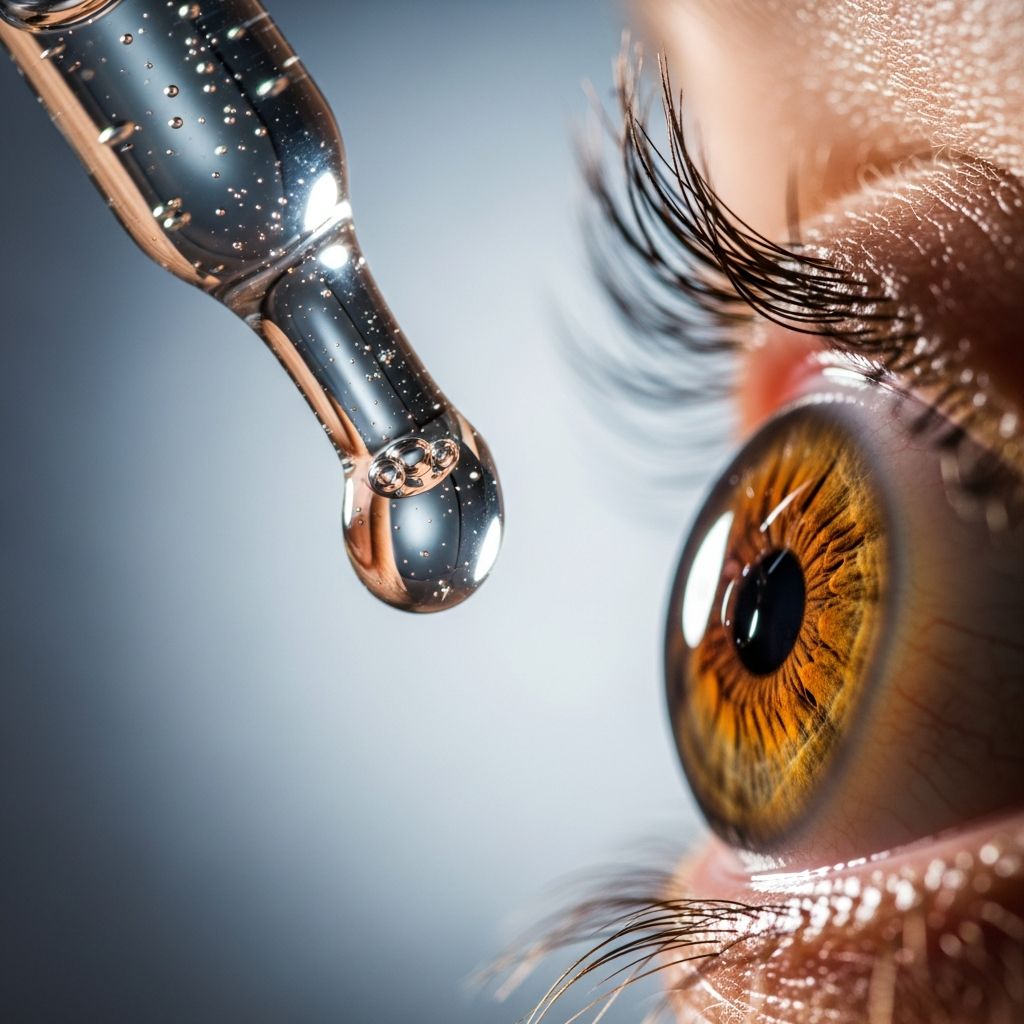
Lubricating eye drops, often referred to as artificial tears, serve as a frontline defense against the discomfort of dry eyes by replenishing moisture and stabilizing the tear film on the eye’s surface.
Understanding Dry Eye and the Role of Lubricating Drops
Dry eye occurs when the eyes fail to produce enough tears or when tears evaporate too quickly, leading to symptoms like grittiness, burning, redness, and blurred vision. This condition affects millions, exacerbated by factors such as extended screen use, arid climates, aging, and contact lens wear. Lubricating drops mimic natural tears, providing immediate hydration and protecting the cornea from irritation and potential damage.
The tear film comprises three layers: mucin, aqueous, and lipid. Disruptions in any layer can cause evaporative or aqueous-deficient dry eye. Drops target these imbalances, with lipid-enhanced versions particularly effective for evaporative types linked to meibomian gland issues.
Types of Lubricating Eye Drops
Selecting the right drop depends on symptom severity, frequency of use, and individual sensitivities. Here’s a breakdown:
- Standard Artificial Tears: Water-based solutions for mild, occasional dryness. They offer quick relief but may require frequent reapplication.
- Preservative-Free Options: Packaged in single-use vials or multi-dose bottles with special filters, ideal for sensitive eyes or frequent users to avoid irritation from preservatives like benzalkonium chloride.
- Gel and Ointment Formulations: Thicker consistencies provide prolonged lubrication, suited for nighttime use or severe cases, though they may cause temporary blurring.
- Lipid-Based Drops: Contain oils or emollients to reinforce the tear film’s lipid layer, highly effective for evaporative dry eye.
- Prescription-Strength Drops: Such as those with cyclosporine or lifitegrast, which reduce inflammation and boost tear production for chronic conditions.
| Type | Best For | Pros | Cons |
|---|---|---|---|
| Standard | Mild dryness | Fast-acting, affordable | Short duration |
| Preservative-Free | Sensitive eyes | Low irritation risk | Higher cost |
| Gel/Ointment | Severe/nighttime | Long-lasting | Blurry vision |
| Lipid-Based | Evaporative dry eye | Targets root cause | May feel oily |
| Prescription | Chronic inflammation | Addresses underlying issues | Requires Rx |
Key Ingredients and Their Benefits
Modern lubricating drops incorporate advanced ingredients for enhanced efficacy. Hyaluronic acid promotes corneal healing and retains moisture. Osmoprotectants like trehalose and erythritol shield cells from hyperosmolarity in deficient tears. Natural additives, such as Manuka honey derivatives, offer anti-inflammatory and antimicrobial properties. Lipid emulsions, including castor oil or mineral oil, prevent evaporation.
Avoid redness-relieving drops with vasoconstrictors like tetrahydrozoline for routine dry eye use, as they can lead to rebound redness and dependency.
Proper Application Techniques
Correct usage maximizes benefits and minimizes waste. Follow these steps:
- Wash hands thoroughly.
- Tilt head back and look up.
- Gently pull down lower eyelid to form a pocket.
- Squeeze 1-2 drops without touching the eye or lashes.
- Close eyes for 1-2 minutes; avoid blinking or rubbing.
- Apply pressure to inner eye corner to prevent drainage.
For contacts, use compatible rewetting drops or wait 15 minutes post-application before inserting lenses. Store drops at room temperature, away from sunlight, and discard opened multi-dose bottles after the labeled period, typically 30 days.
Situations Where Drops Shine
- Screen Time and Digital Eye Strain: Frequent blinking reminders paired with drops combat reduced tear production during prolonged device use.
- Post-Surgical Recovery: Essential after LASIK or cataract surgery to aid healing and manage temporary dryness.
- Contact Lens Wearers: Rewetting drops maintain comfort without damaging lenses.
- Environmental Exposure: Wind, smoke, or low humidity trigger drops for instant protection.
- Allergies and Irritants: Hydration soothes without masking underlying issues.
Related Stories



Potential Risks and Side Effects
Most over-the-counter drops are safe, but watch for:
- Temporary stinging or blurring, especially with gels.
- Preservative-induced allergies in frequent users.
- Infection risk from contaminated droppers.
- Over-reliance masking serious conditions like infections or glaucoma.
Prescription drops may elevate eye pressure or cause cataracts with long-term corticosteroid use. Discontinue if vision changes, pain, or worsening redness occur, and consult an eye specialist.
Enhancing Effectiveness with Lifestyle Changes
Drops work best alongside habits like the 20-20-20 rule (every 20 minutes, look 20 feet away for 20 seconds), humidifiers, omega-3 supplements, and warm compresses for gland function. Stay hydrated and limit antihistamines or caffeine, which exacerbate dryness.
When to Consult an Eye Professional
Seek care if symptoms persist despite regular drop use, or if accompanied by light sensitivity, discharge, or vision loss. Professionals may recommend punctal plugs, intense pulsed light therapy, or further diagnostics.
FAQs
Are lubricating eye drops safe for daily use?
Yes, most are designed for daily application, especially preservative-free ones. Consult a doctor for chronic use.
Can I use eye drops with contact lenses?
Use lens-compatible drops; remove lenses first for non-rewetting types.
How often should I apply drops?
4 times daily or as needed, up to every hour for severe cases.
Do drops cure dry eye or just relieve symptoms?
They primarily relieve symptoms; prescription options may treat causes.
What if drops make my vision blurry?
Opt for thinner formulas or gels at night.
Lubricating eye drops offer accessible, effective relief for dry eyes, improving quality of life when integrated thoughtfully into daily routines. Consistent use, proper selection, and professional guidance ensure optimal outcomes.
References
- Uses of Eye Drops and How Effective Are They for Dry Eyes? — Planet Lasik. 2023. https://planetlasik.com/blog/eye-drops-uses-for-dry-eyes
- Learn about lubricating eye drops for relieving eye dryness — Acuvue. 2024. https://www.acuvue.com/en-us/eye-health/dry-eye/eye-drops/
- Series No. 1: How Eye Drops are Used to Treat Ocular Health Conditions — CU Anschutz News. 2023. https://news.cuanschutz.edu/ophthalmology/series-no.-1-how-eye-drops-are-used-to-treat-ocular-health-conditions
- What Are Artificial Tears Used For? — All About Vision. 2024. https://www.allaboutvision.com/eye-care/eye-drops/artificial-tears/
- Artificial Tears: A Systematic Review — PMC (NCBI). 2023-01-20. https://pmc.ncbi.nlm.nih.gov/articles/PMC9840372/
- Eye Drops: Types, Uses, Potential Risks & Benefits — Cleveland Clinic. 2024. https://my.clevelandclinic.org/health/treatments/eye-drops
Similar Articles








Read full bio of medha deb