Lumbar Disc Disease and Herniated Disc Guide
Understanding lumbar disc disease, herniated discs, symptoms, causes, and treatment options.
Understanding Lumbar Disc Disease and Herniated Discs
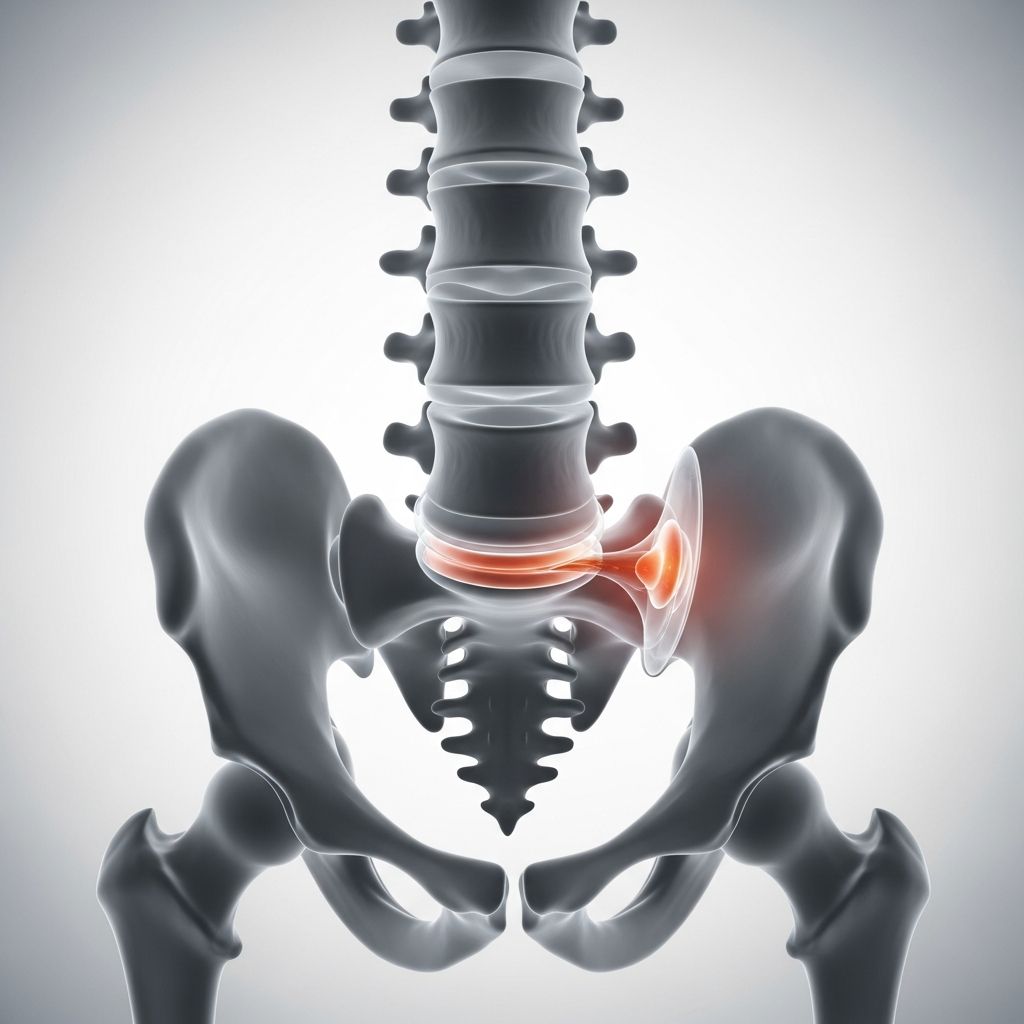
Lumbar disc disease, commonly referred to as a herniated or slipped disc, occurs when the soft inner material of an intervertebral disc ruptures through the outer fibers of the disc’s protective wall. The intervertebral discs act as shock absorbers between the vertebrae in your spine, providing cushioning and allowing for flexibility. When a herniated disc occurs in the lumbar region (lower back), it can cause significant pain and discomfort that may radiate into the legs and feet.
A herniated disc causes problems through two primary mechanisms: the protruding disc material creates mechanical pressure on nearby nerves and the spinal cord, and the nucleus pulposus material releases chemical irritants that contribute to inflammation of the nerve roots. This combination can result in pain, weakness, numbness, and tingling sensations throughout the affected areas of the body.
What Causes Lumbar Disc Herniation
The most common cause of lumbar disc herniation is the intervertebral degeneration that occurs with aging, leading to what is known as disc degeneration or degenerative disc disease. As people age, the discs in the spine gradually lose water content and become less flexible, making them more susceptible to tearing and herniation.
With aging, the disc fibrochondrocytes undergo senescence and experience a reduction in proteoglycans production. This reduction in proteoglycans leads to dehydration and disc collapse, which increases the strain on the annulus fibrosus—the outer layer of the disc—resulting in tears and fissures that facilitate the nucleus pulposus herniation.
When repetitive mechanical stressors are applied to the disc, particularly in individuals with physically demanding jobs or poor posture, symptoms tend to develop gradually and often become chronic. Other contributing factors include traumatic injuries to the back, excessive lifting, prolonged sitting, and smoking, which can accelerate disc degeneration.
Pathophysiology of Herniated Discs
Lumbar disc herniation results from several significant changes in the intervertebral disc structure. These changes include reduced water retention in the nucleus pulposus, an increased ratio of type 1 collagen in the nucleus pulposus and inner annulus fibrosus, and destruction of collagen and extracellular material. Additionally, there is upregulated activity of degrading systems such as matrix metalloproteinase expression, apoptosis, and inflammatory pathways.
These pathological changes result in a local increase in inflammatory chemokines and mechanical compression applied by the protruding nucleus pulposus on the exiting nerve. The pressure exerted by the herniated disc on the longitudinal ligament and the irritation caused by local inflammation results in localized back pain. Lumbar radicular pain arises when disc material exerts pressure or contacts the thecal sac or lumbar nerve roots, resulting in nerve root ischemia and inflammation.
It is important to note that the annulus fibrosus is thinner on the posterolateral aspect and lacks support from the posterior longitudinal ligament, making it particularly vulnerable to herniations. Due to the proximity of the nerve root, a posterolateral herniation is more likely to result in nerve root compression.
Related Stories



Symptoms of Lumbar Disc Herniation
The symptoms of a herniated disc vary significantly depending on its location, size, and severity, as well as which nerve roots are affected. Symptoms can range from mild to severe and may develop gradually or suddenly following an injury.
Common Symptoms Include
- Lower back pain: Pain that may worsen with prolonged sitting, standing, driving, or physical activity
- Radicular pain: Sharp or burning pain that radiates into the buttocks, thigh, calf, and foot—commonly known as sciatica
- Numbness and tingling: Radiating numbness or tingling sensations in the leg, foot, or affected nerve distribution
- Muscle weakness: Weakness in the leg or foot that may make walking or standing difficult
- Muscle spasms: Involuntary contractions of back muscles
- Reduced reflexes: Diminished or absent reflexes in the knee or ankle
- Limited trunk flexion: Difficulty bending forward or touching your toes
Importantly, symptoms are often exacerbated by activities that increase pressure on the nerve root, such as straining, coughing, sneezing, or sitting. Sitting can increase pressure applied to the nerve root by approximately 40%, making this position particularly problematic for individuals with herniated discs.
Symptoms by Affected Nerve Root
The specific symptoms you experience depend on which nerve root has been compressed by the herniated disc. Understanding which nerve root is involved helps healthcare providers determine the location and severity of the herniation.
L4 Nerve Root Compression
When the L4 nerve root, which exits at the L4-L5 foramina, is compressed by a herniated disc, patients typically experience back pain that radiates into the anterior thigh and the medial aspect of the leg. Sensory loss occurs in the same distribution, and weakness develops in hip flexion and adduction. Additionally, there is often weakness in knee extension and a decreased patellar reflex.
L5 Nerve Root Compression
Compression of the L5 nerve root, which exits at the L5-S1 foramina, causes back pain that radiates into the buttock, lateral thigh, lateral calf, the dorsum of the foot, and often extends to the great toe. Sensory loss is present on the web space between the big toe and second toe, the dorsum of the foot, and the lateral calf.
S1 Nerve Root Compression
The S1 nerve root exits at the S1-S2 foramina and is assessed using the Achilles reflex. When compressed by a herniated disc, it presents with sacral or buttock pain that radiates into the posterolateral thigh, calf, and plantar or lateral foot, or sometimes the perineum. Sensory loss is present on the calf and lateral or plantar aspects of the foot.
Symptoms by Location of Herniation
Lumbar Herniated Disc Symptoms
Lumbar herniated discs in the lower back are the most common type and typically cause lower back pain, muscle spasms, and pain radiating down the buttocks, leg, and foot. Patients often experience muscle weakness and numbness or tingling in the leg and foot, which can make walking or standing challenging. Reduced reflexes in the knee or ankle are also commonly observed.
Cervical Herniated Disc Symptoms
Cervical herniated discs affect the neck and upper spine region. Symptoms include dull or sharp pain between the shoulder blades and pain that radiates down the arms and into the hands. Patients may experience muscle spasms in the neck and numbness, tingling, or weakness affecting the arms, hands, or fingers. This can make it difficult to pick up or grasp objects and may lead to increasing clumsiness. Balance problems and possible falls can also occur, along with brisk reflexes.
Thoracic Herniated Disc Symptoms
Thoracic herniated discs are less common but can cause pain in the middle back and pain or numbness radiating around the rib cage from the back to the front of the chest or upper abdomen. Stiffness or weakness in the legs may develop if a large disc herniation presses on the spinal cord. Balance problems, possible falls, and brisk reflexes may also be present.
When to Seek Medical Attention
While many individuals with herniated discs manage their symptoms successfully with conservative treatment, certain situations require emergency medical attention. You should seek immediate medical care if you experience worsening symptoms that hamper your daily activities, progressive numbness or weakness that interferes with function, or bowel or bladder dysfunction.
A particularly serious condition called cauda equina syndrome can develop when multiple nerve roots are compressed simultaneously. This condition causes incontinence or difficulty urinating even with a full bladder, progressive loss of sensation affecting the inner thighs, backs of the legs, and the area around the rectum (saddle anesthesia), and loss of bladder or bowel control. Cauda equina syndrome requires immediate medical attention to prevent permanent damage.
Diagnosis of Lumbar Disc Herniation
Diagnosis of lumbar disc herniation begins with a thorough history and physical examination. A healthcare provider will assess your symptoms, their onset, severity, and any activities that exacerbate or relieve pain. The physical examination involves evaluating your range of motion, muscle strength, sensory function, and reflexes. Specific testing may include the straight leg raise test to assess for radiculopathy and evaluation of nerve root-specific functions.
Imaging studies are often necessary to confirm the diagnosis and determine the exact location and size of the herniation. MRI (magnetic resonance imaging) is the gold standard for diagnosing herniated discs as it provides detailed images of the soft tissues, discs, and nerves. CT (computed tomography) scans may also be used. In some cases, specialized imaging such as myelography or EMG (electromyography) testing may be recommended to further assess nerve function and determine the most appropriate treatment plan.
Treatment Options for Herniated Discs
Treatment for lumbar disc herniation is typically individualized based on the severity of symptoms, the extent of nerve compression, and the patient’s overall health status. Most cases respond well to conservative (non-surgical) treatment approaches.
Conservative Treatment
Conservative treatment is the first-line approach for most patients with herniated discs and includes rest, activity modification, and over-the-counter or prescription pain medications such as nonsteroidal anti-inflammatory drugs (NSAIDs). Physical therapy and exercise programs are crucial components of conservative treatment, helping to strengthen the core muscles that support the spine and improve flexibility. Heat and ice therapy may provide symptomatic relief, and some patients benefit from epidural steroid injections that reduce inflammation around the affected nerve root.
Surgical Treatment
Surgery is typically considered when conservative treatment fails to provide relief after several weeks to months or when severe symptoms significantly impact daily functioning. Surgical options include discectomy, where the herniated disc material is removed to relieve nerve compression, and laminectomy or laminotomy, where portions of the vertebra are removed to create more space for the nerve root. In some cases, fusion surgery may be performed to stabilize the spine after disc removal.
Recovery and Prevention
Recovery from a herniated disc varies depending on the severity of the condition and the treatment approach. Most patients with conservative treatment recover within several weeks to a few months. Following treatment, it is important to gradually return to normal activities while continuing with exercises and strategies that support spine health.
Prevention of future herniated discs involves maintaining good posture, using proper lifting techniques, staying physically active with regular exercise to strengthen core muscles, avoiding prolonged sitting, maintaining a healthy weight, and not smoking. Ergonomic modifications at work and home can also reduce stress on the spine and minimize the risk of developing another herniated disc.
Frequently Asked Questions
Q: Can you have a herniated disc without symptoms?
A: Yes, many people have herniated discs that do not cause any symptoms. You might not know you have a herniated disc unless it appears on a spinal image obtained for another reason. Asymptomatic herniated discs do not typically require treatment.
Q: Is a herniated disc the same as a bulging disc?
A: No, they are different conditions. A bulging disc occurs when the disc protrudes beyond the vertebral body but the outer fibers remain intact. A herniated disc occurs when the outer fibers rupture and the inner material escapes into the spinal canal. Herniated discs are more likely to cause symptoms than bulging discs.
Q: How long does it take to recover from a herniated disc?
A: Recovery time varies depending on the severity of the herniation and the treatment approach. Most patients with conservative treatment recover within 4-12 weeks, though some may take longer. Surgical recovery typically requires 4-6 weeks before returning to light activities, with full recovery taking 3-6 months or longer.
Q: Can physical therapy help a herniated disc?
A: Yes, physical therapy is a crucial component of conservative treatment for herniated discs. Physical therapists can teach you exercises to strengthen core muscles, improve flexibility, and maintain proper posture. These interventions help reduce pain, improve function, and reduce the risk of recurrence.
Q: What activities should I avoid with a herniated disc?
A: Activities that increase pressure on the disc or irritate nerve roots should be limited, including heavy lifting, repetitive bending, prolonged sitting, high-impact sports, and activities that cause sharp pain. Your healthcare provider can provide personalized recommendations based on your specific condition.
References
- Lumbar Disc Herniation – StatPearls — National Center for Biotechnology Information (NCBI). 2024. https://www.ncbi.nlm.nih.gov/books/NBK560878/
- Herniated Disk – Symptoms and Causes — Mayo Clinic. 2024. https://www.mayoclinic.org/diseases-conditions/herniated-disk/symptoms-causes/syc-20354095
- Herniated Disk in the Lower Back — American Academy of Orthopaedic Surgeons (AAOS). 2024. https://orthoinfo.aaos.org/en/diseases–conditions/herniated-disk-in-the-lower-back/
- Herniated Disc: Symptoms & Causes — NewYork-Presbyterian. 2024. https://www.nyp.org/ochspine/herniated-disc/symptoms
- Herniated Disc & Lumbar Disc Disease — University of Utah Health. 2024. https://healthcare.utah.edu/spine/conditions/herniated-disc
- A Patient’s Guide to Lumbar Herniated Disc — University of Maryland Medical System (UMMS). 2024. https://www.umms.org/ummc/health-services/orthopedics/services/spine/patient-guides/lumbar-herniated-disc
Similar Articles








Read full bio of medha deb